Paris, Chartres, and Reims
May 13-18
AC7952 YTZ-YUL, AC870 YUL-CDG AC873 CDG-YYZ
Although this was later than in most years, we continued to enjoy our traditional spring trip to Paris. The flights were lower cost leaving Toronto Island, with a connection through Montreal. As I had some meetings at the end of the workday, I went on an early morning flight and worked from the international lounge in Montreal. Tom joined me later, having traveled on our original YTZ-YUL flight, with plenty of time before our overnight flight to Paris.
May 14
We managed to get a decent amount of sleep on our overnight flight, so after checking into our hotel, we needed only a brief nap to prepare for Paris. Unfortunately, it was a rainy day, so we had to navigate around some more significant downpours.
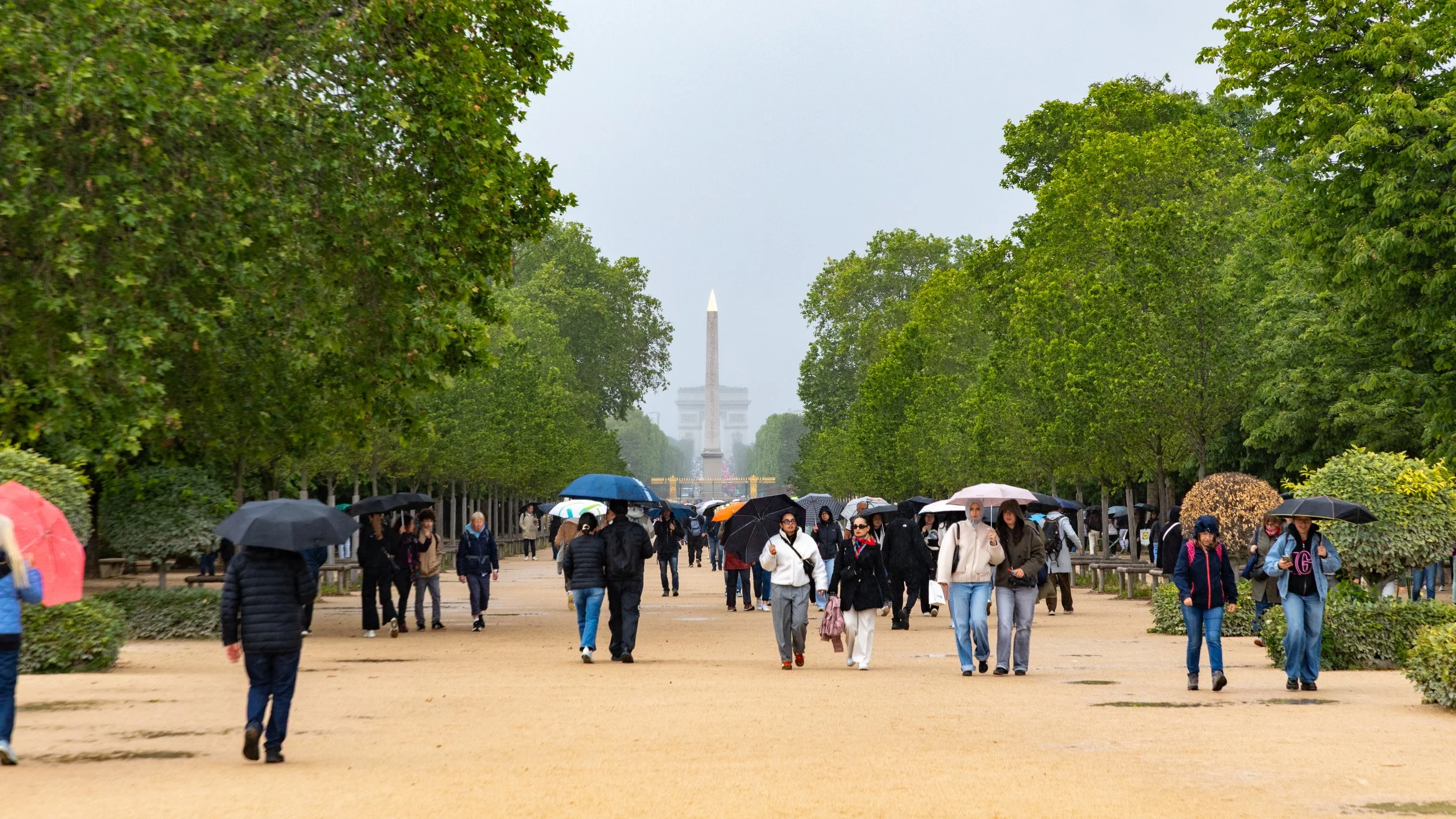
The Tulleries Garden, usually our first stop
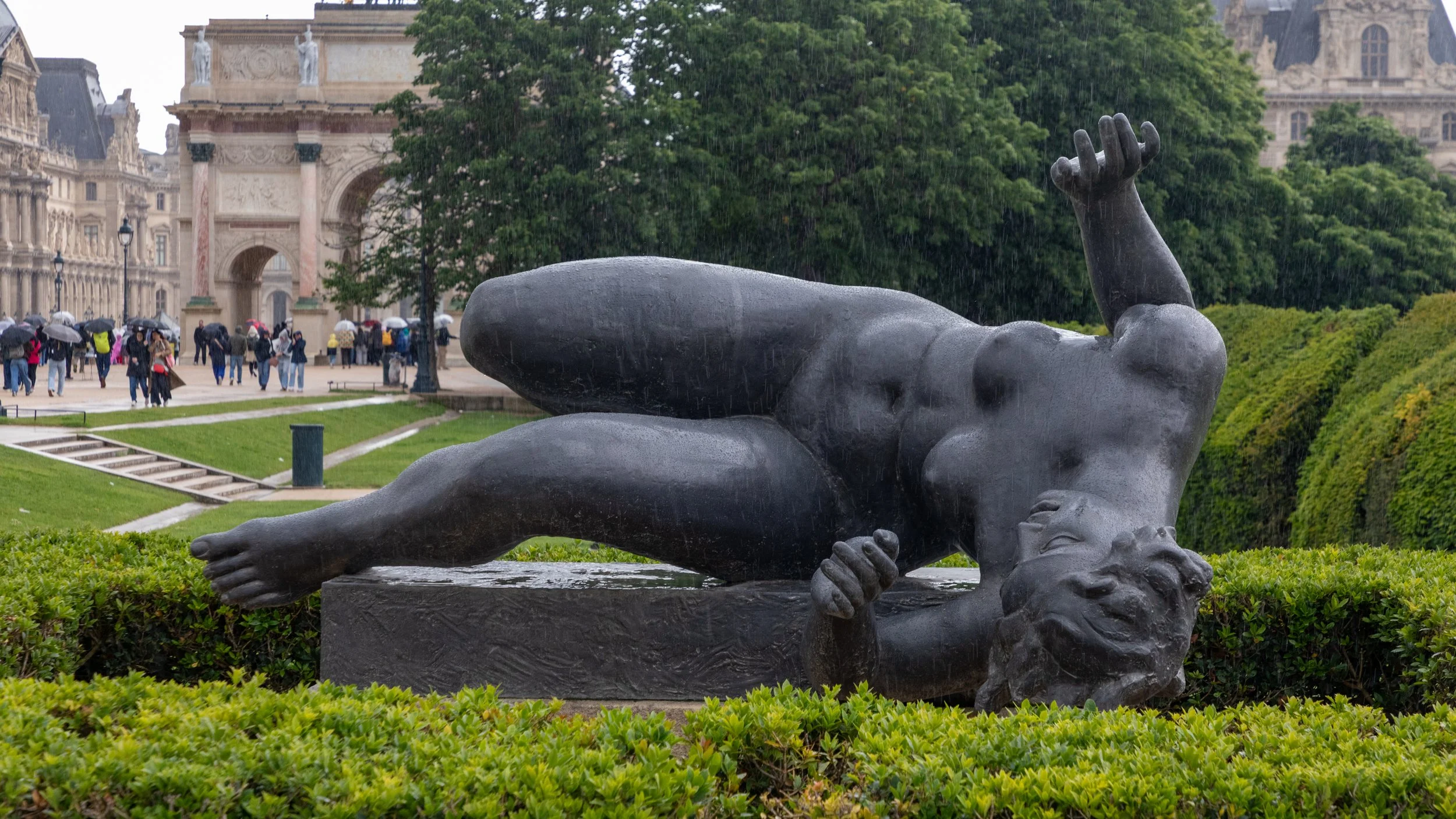
La Rivière (The River) bronze sculpture by the French sculptor Aristide Maillol
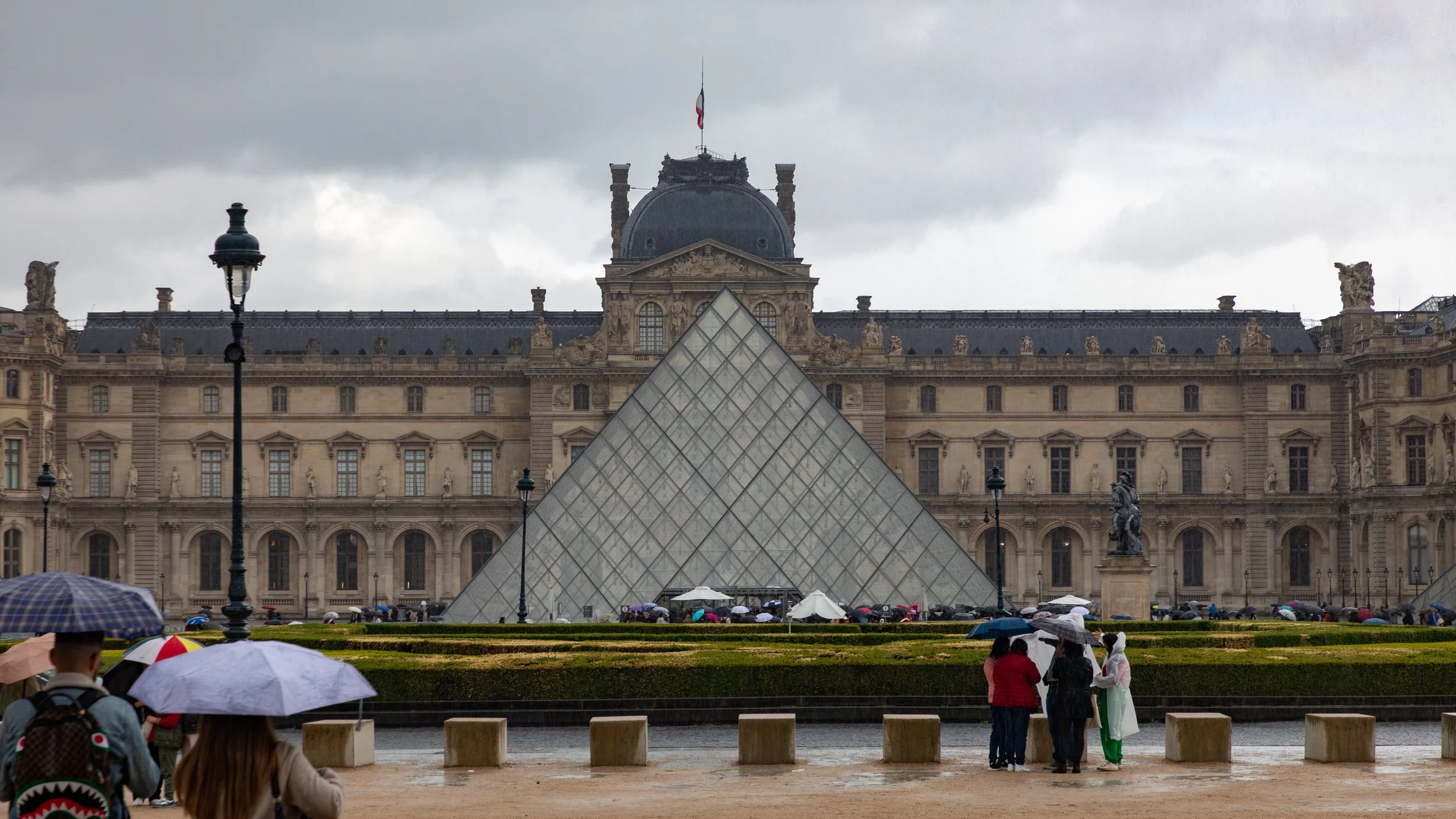
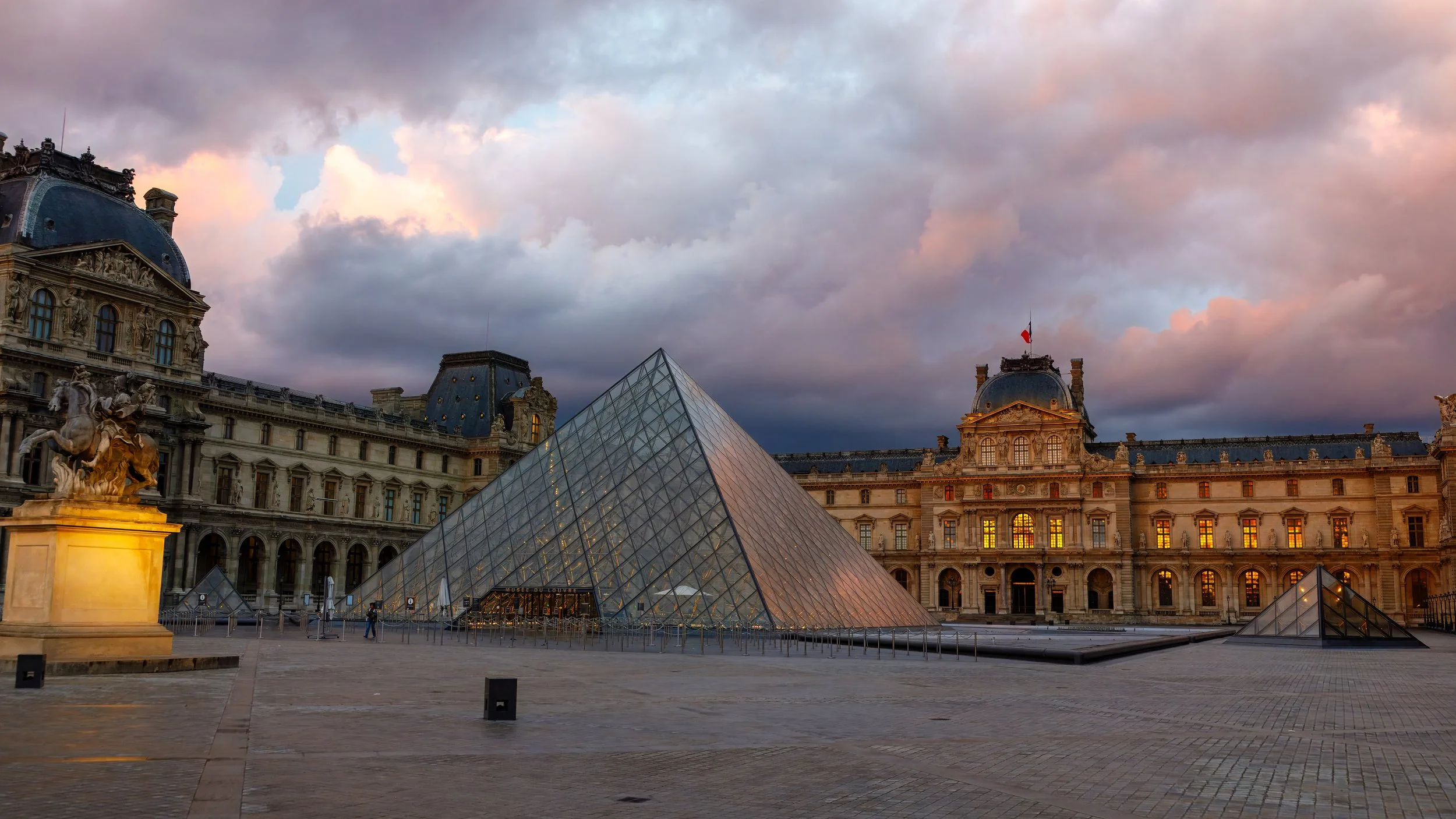
The Louvre Pyramid, just before taking refuge from the rain in the Carrousel du Louvre underground mall connected to the museum
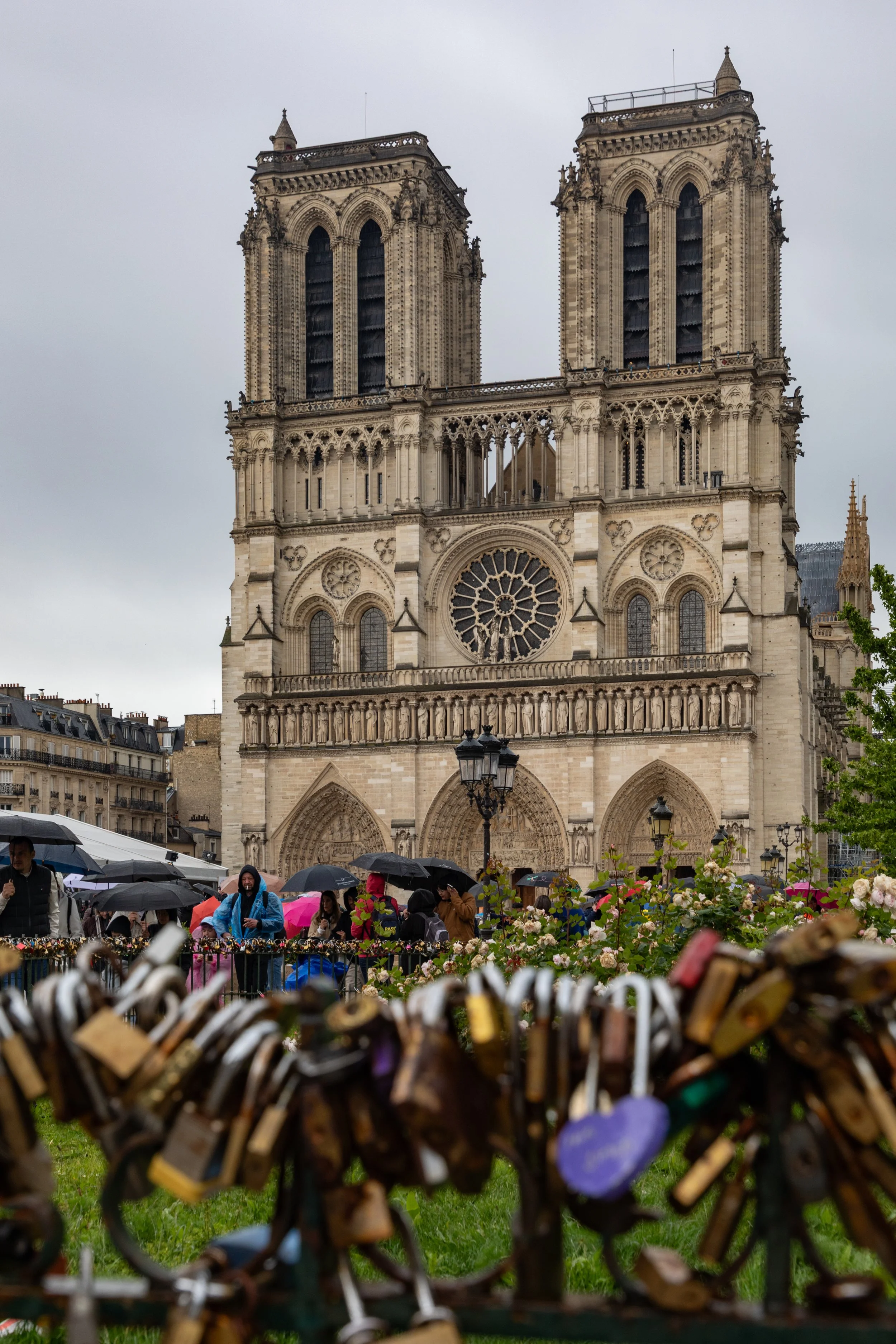
New love-lock location outside of Notre Dame
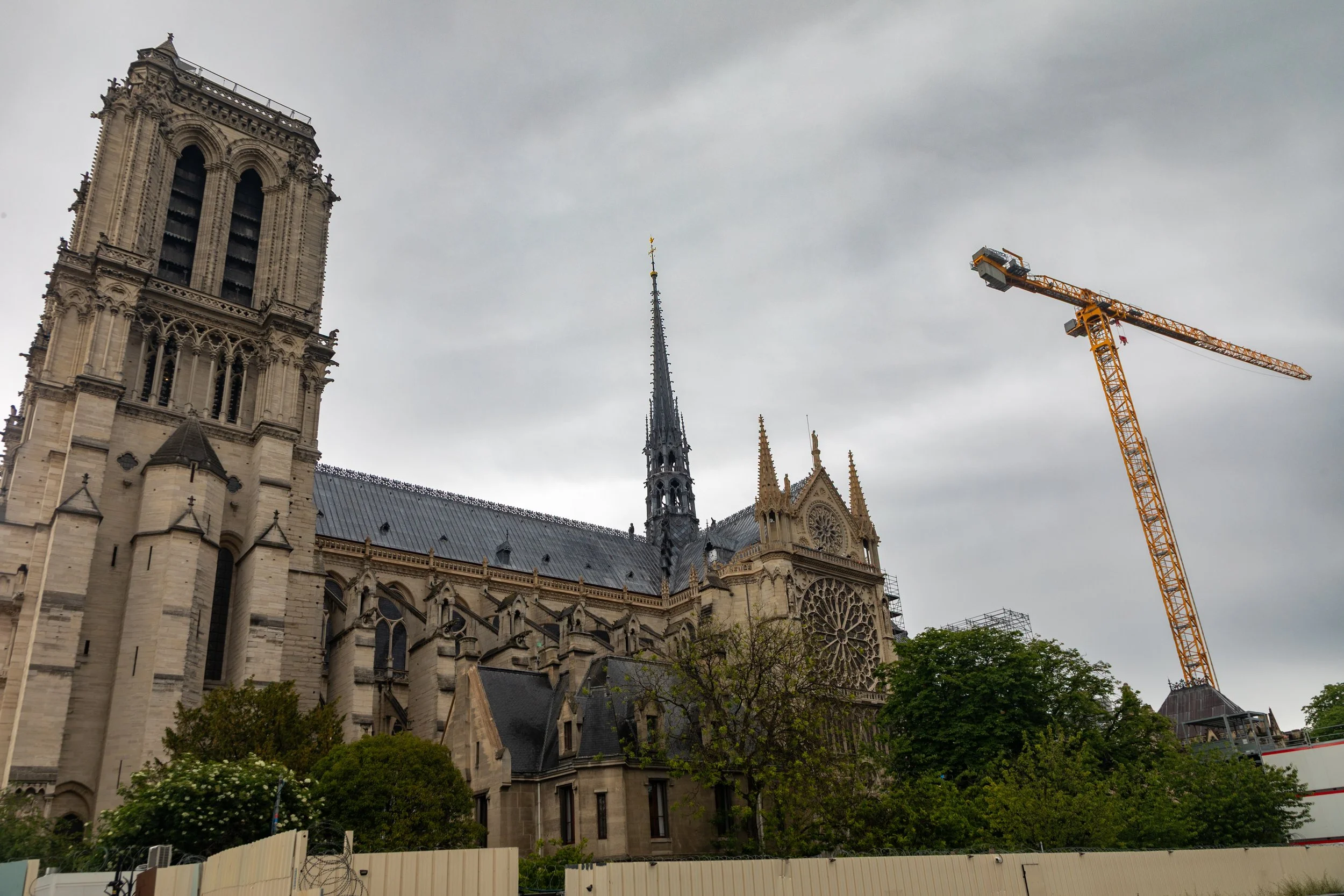
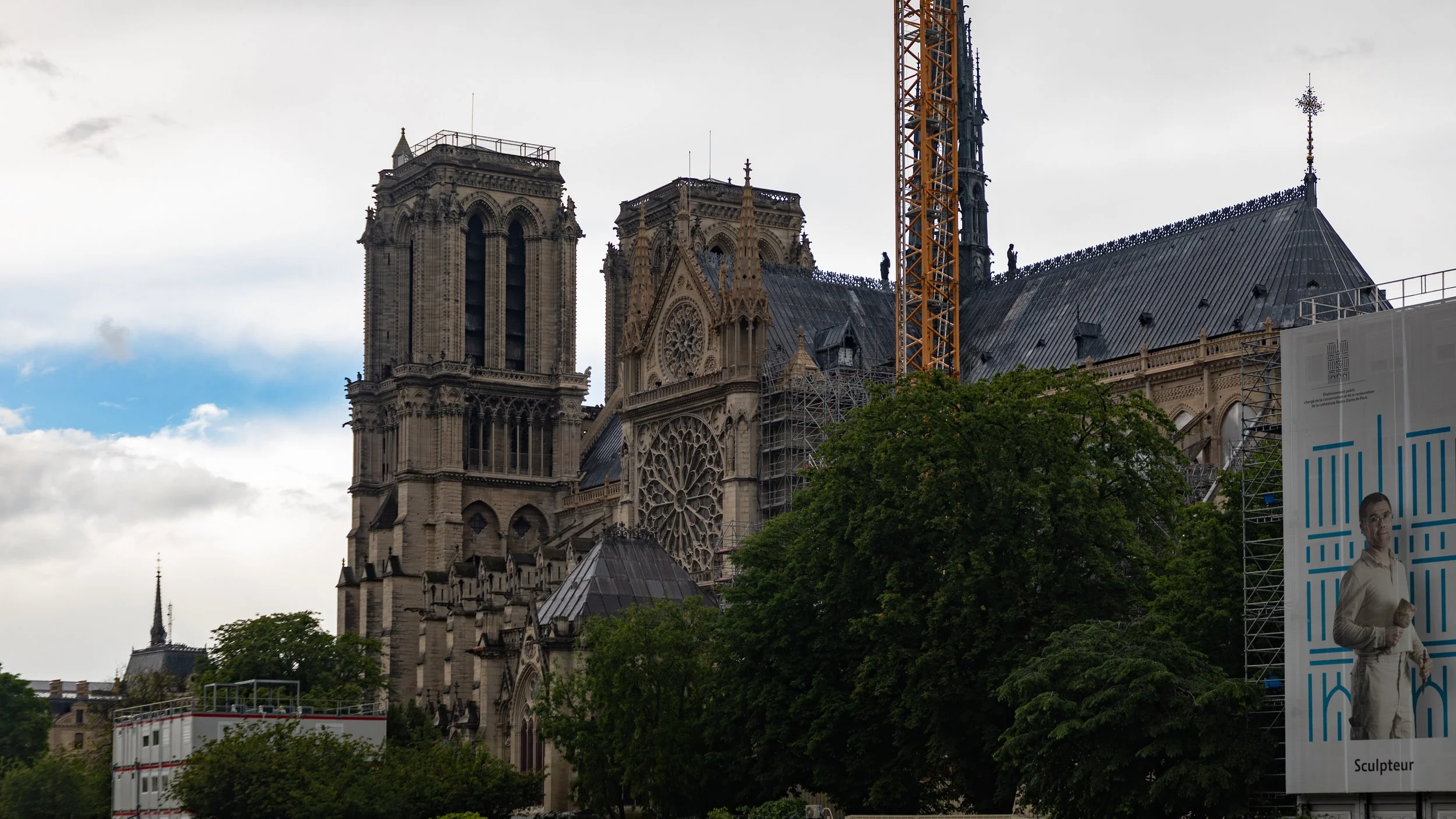
The roof, almost completely restored from the 2019 fire, showed much progress from our last visit in 2025
The remaining crane infrastructure
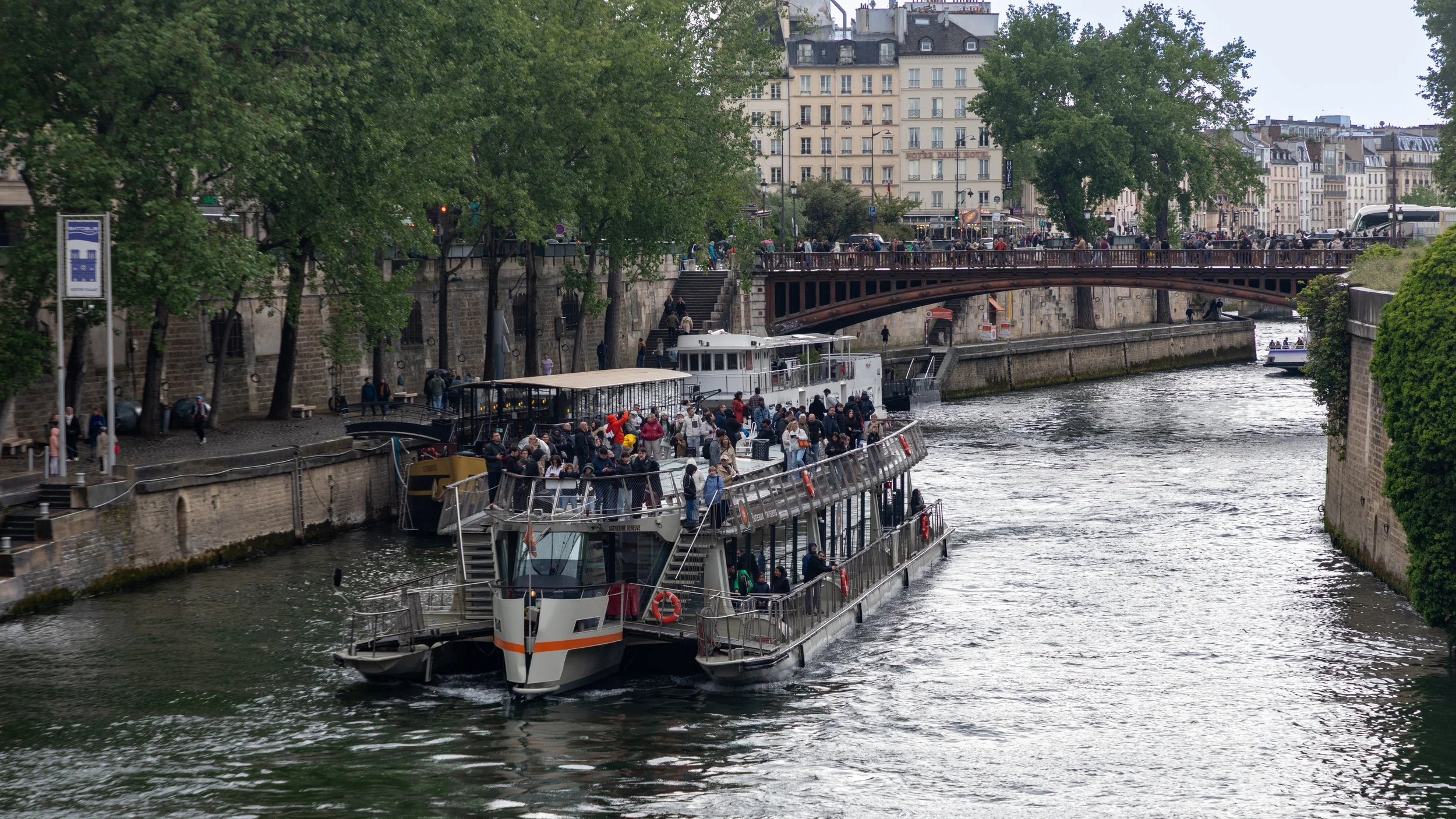
Boats continue to navigate the Seine, rain or shine
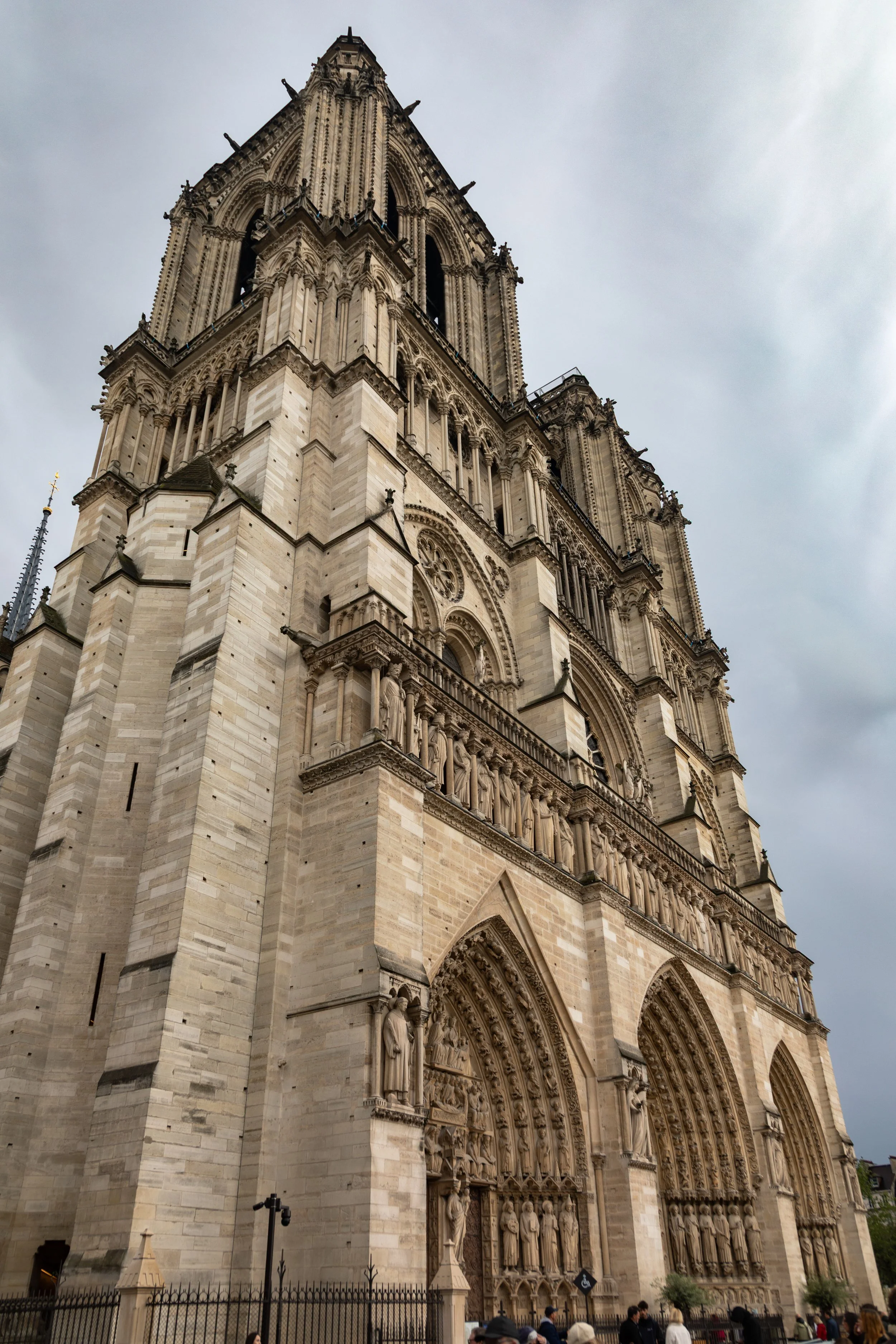
The new brick at the front of Notre Dame
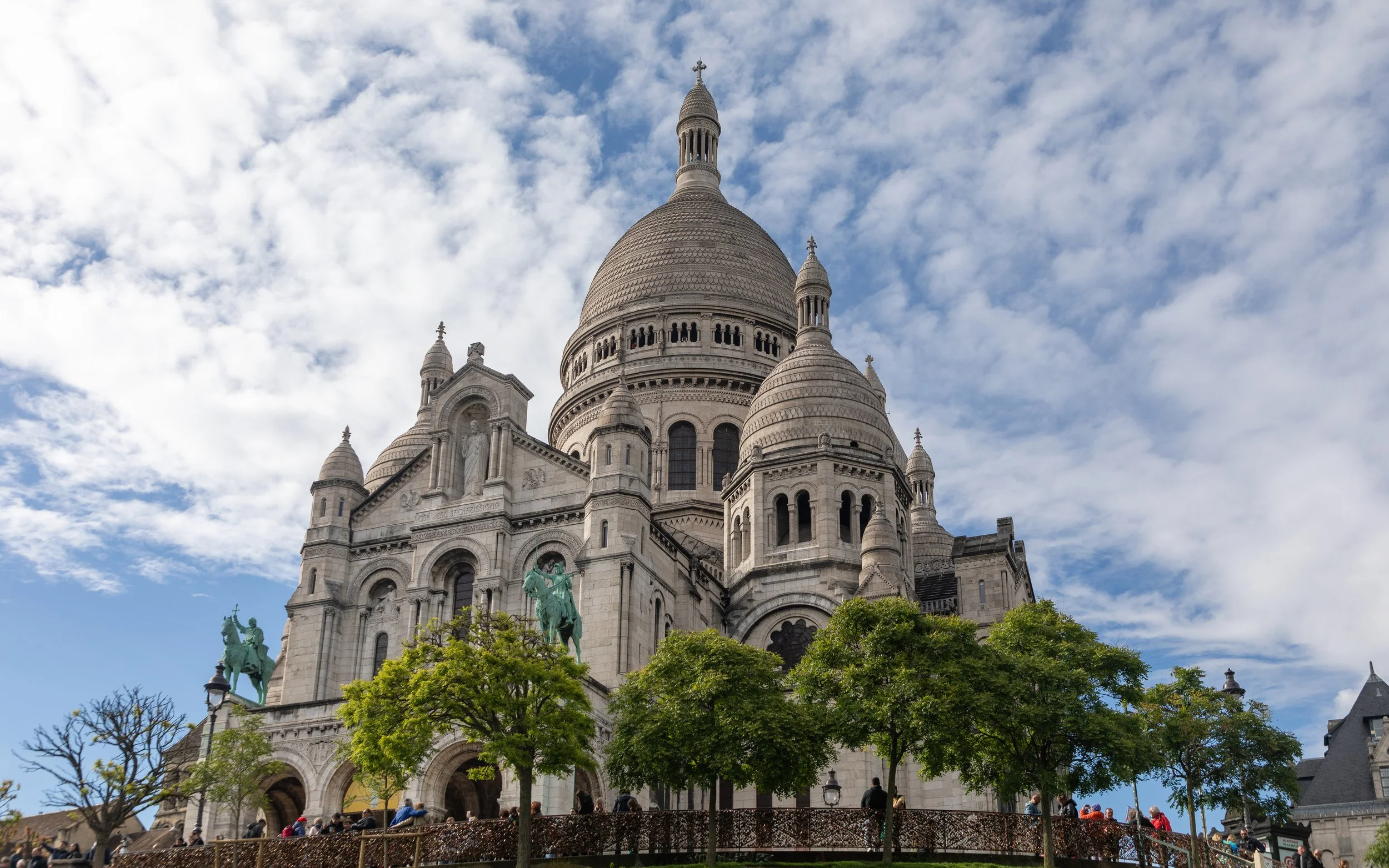
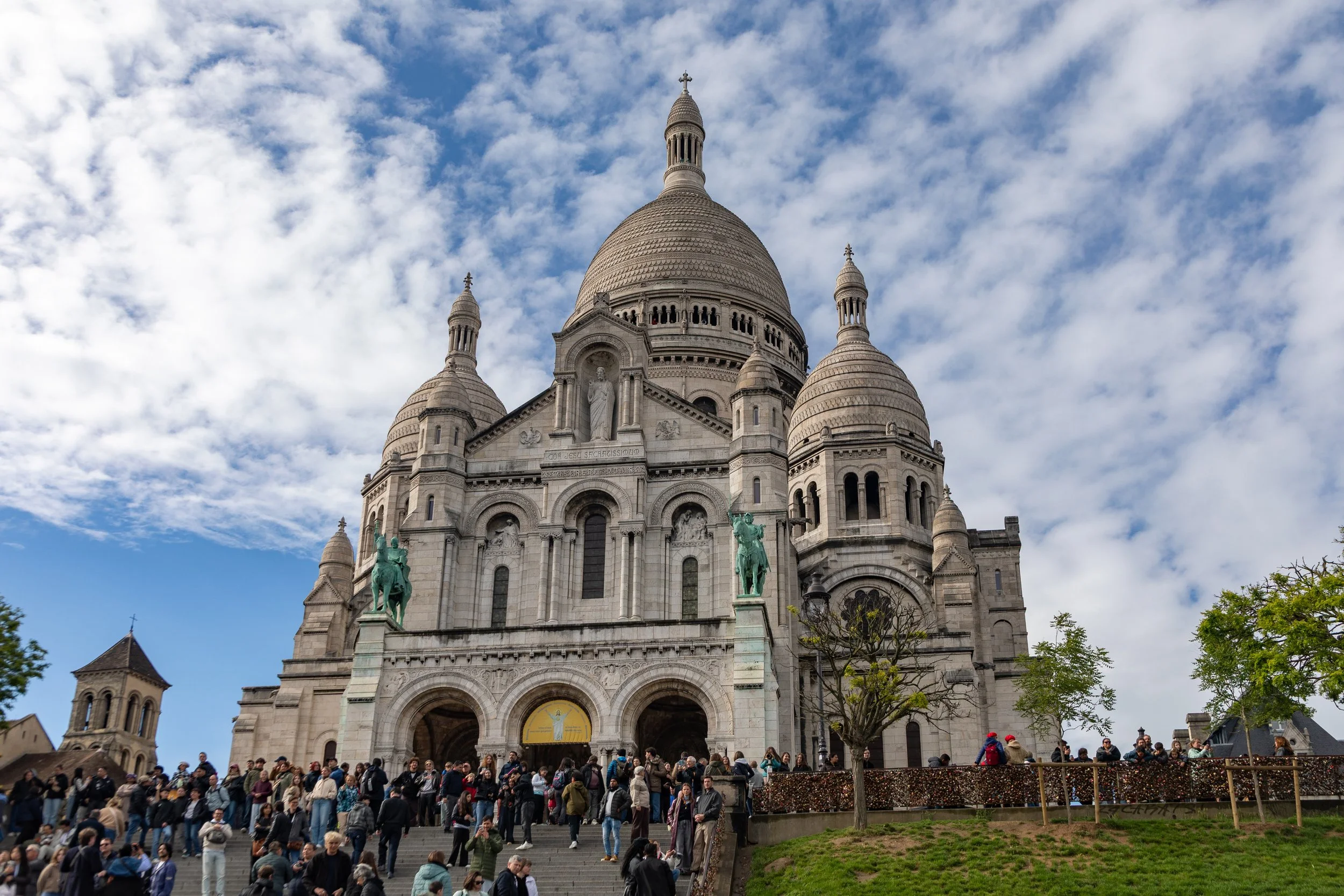
We found blue skies as we made our way up to Sacre Coeur
Spring crowds enjoying the view
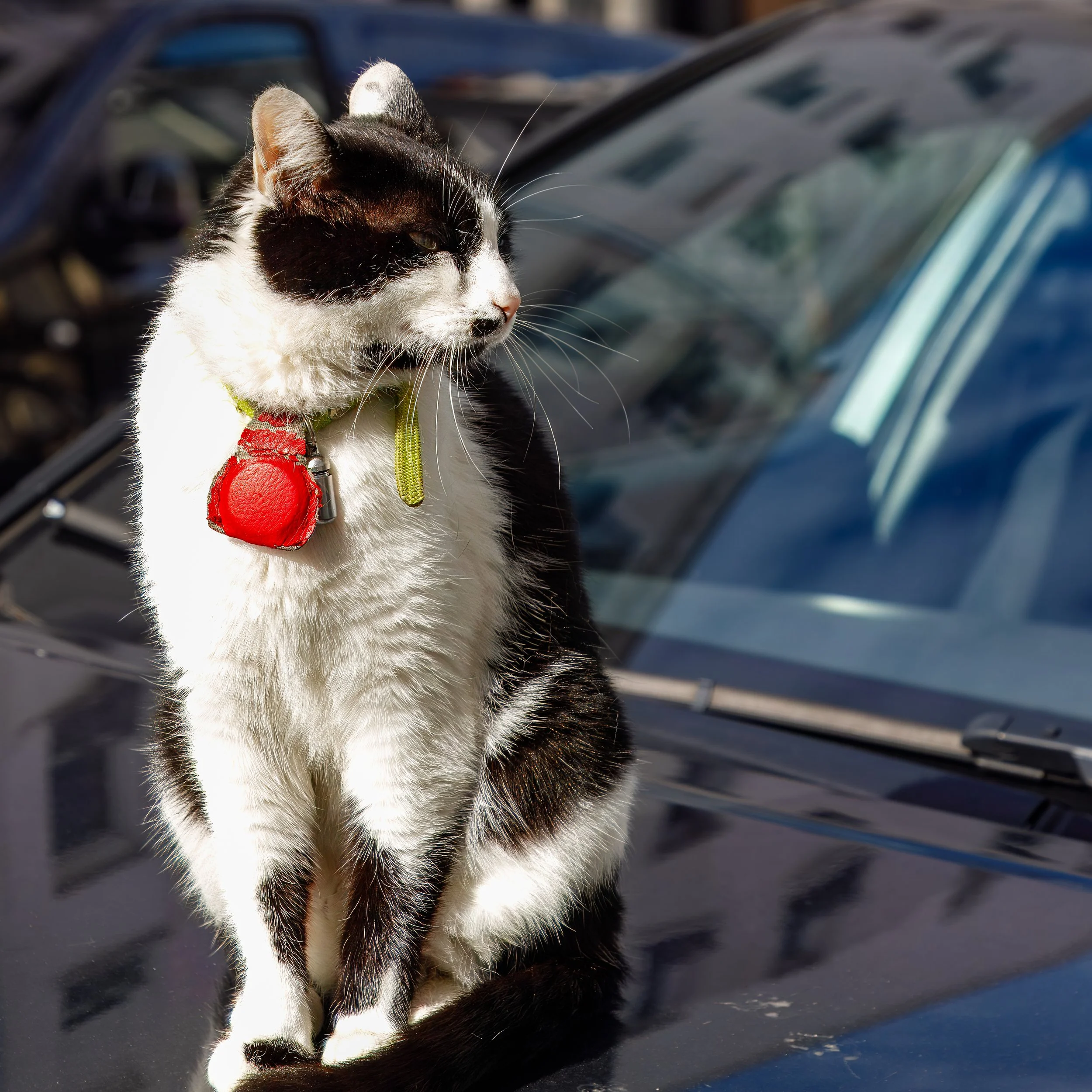
Local cat, tracked by AirTag
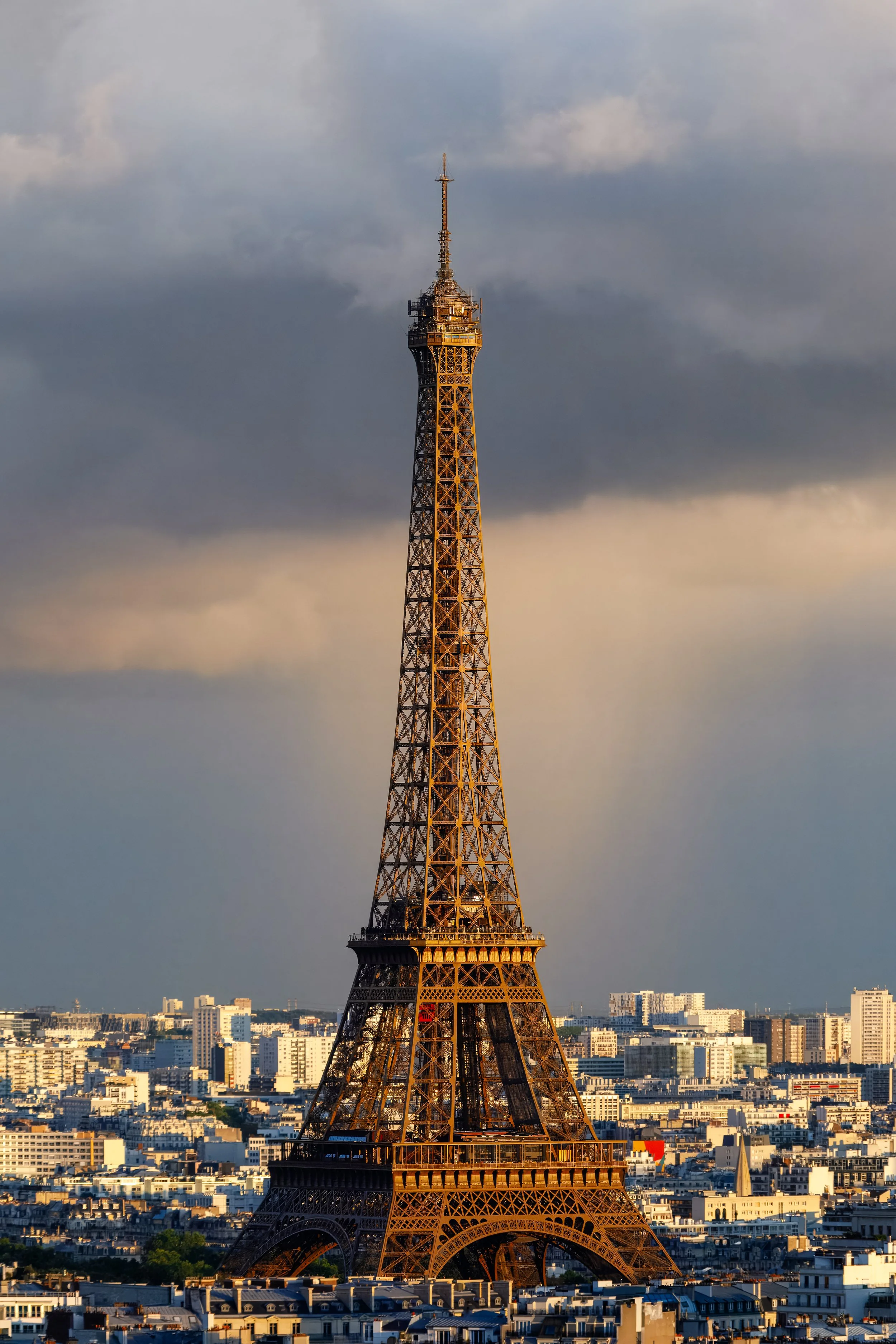
Back at the hotel, we had a room with a great view of the Eiffel Tower
Although we didn’t cover much new ground, we enjoyed our first day in Paris and relaxed in the hotel’s rooftop lounge before bed.
May 15
There are a number of traditional day trips from Paris, and in all of our visits we had yet to visit nearby Chartres. After breakfast, we headed to Gare Montparnasse to catch our train to Chartres.
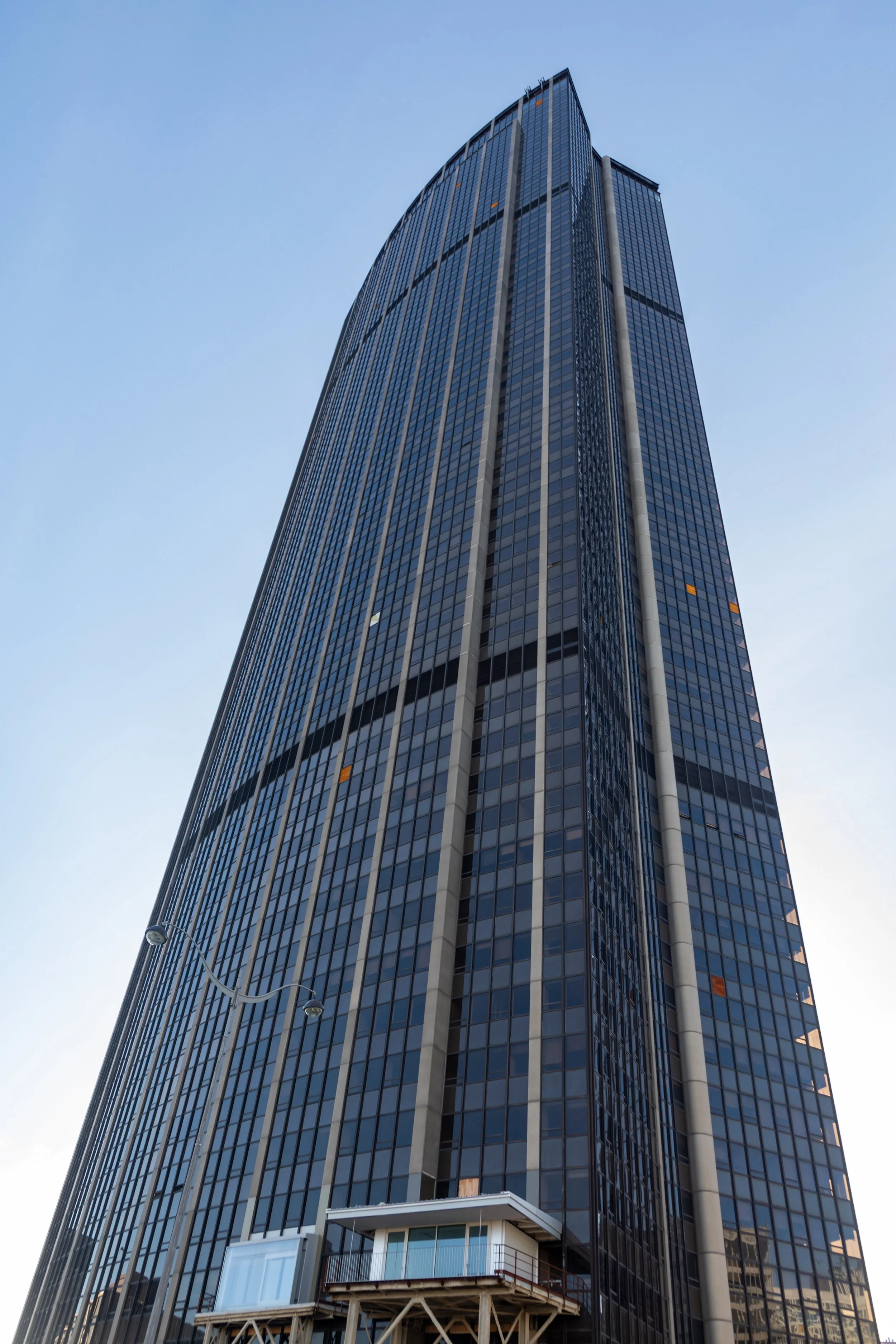
Montparnasse Tower (Tour Montparnasse), a 210-meter skyscraper, one of the taller buildings in Paris, below the Eiffel Tower and two buildings in the newer La Defense
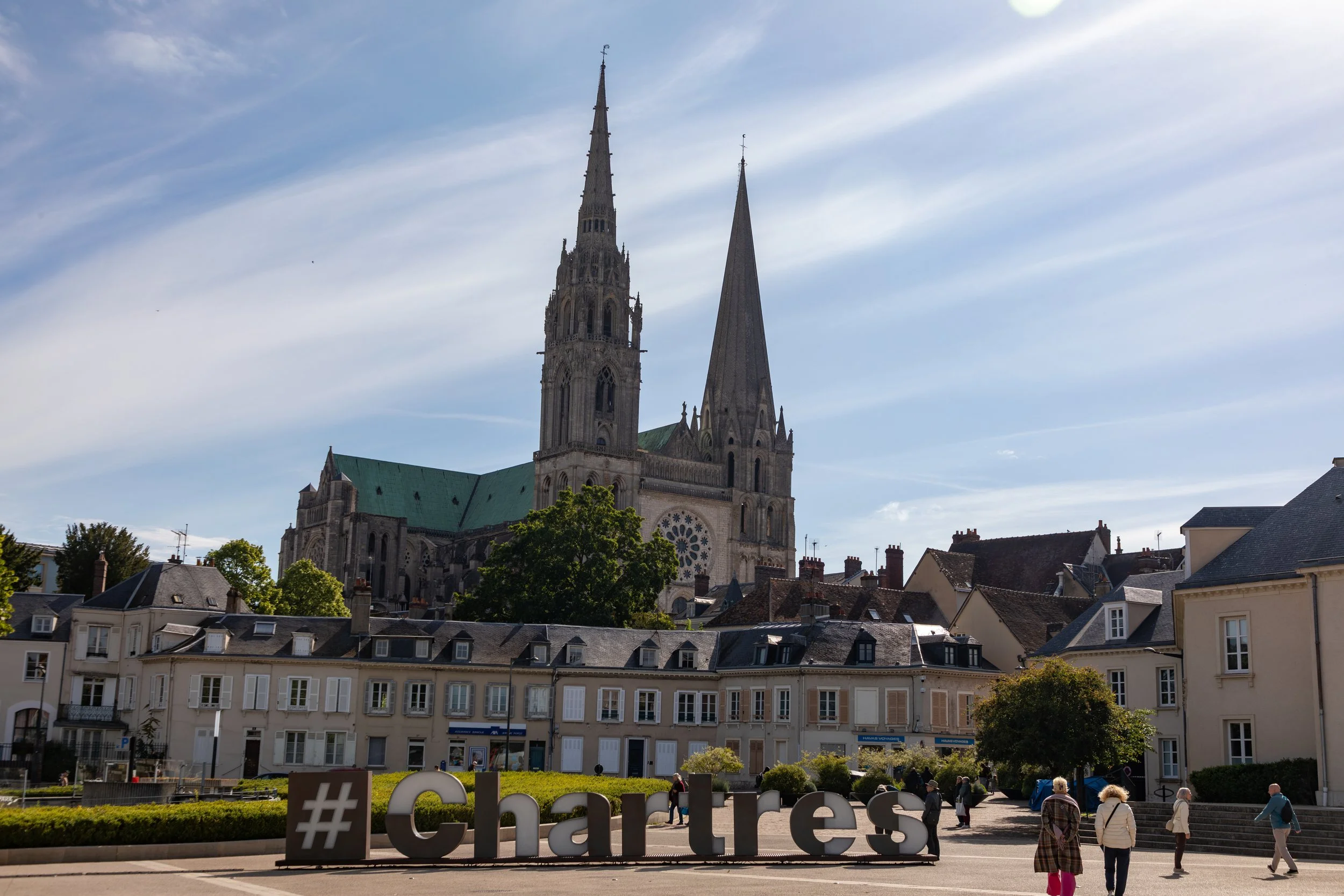
The 13th-century Chartres Cathedral dominates the city skyline
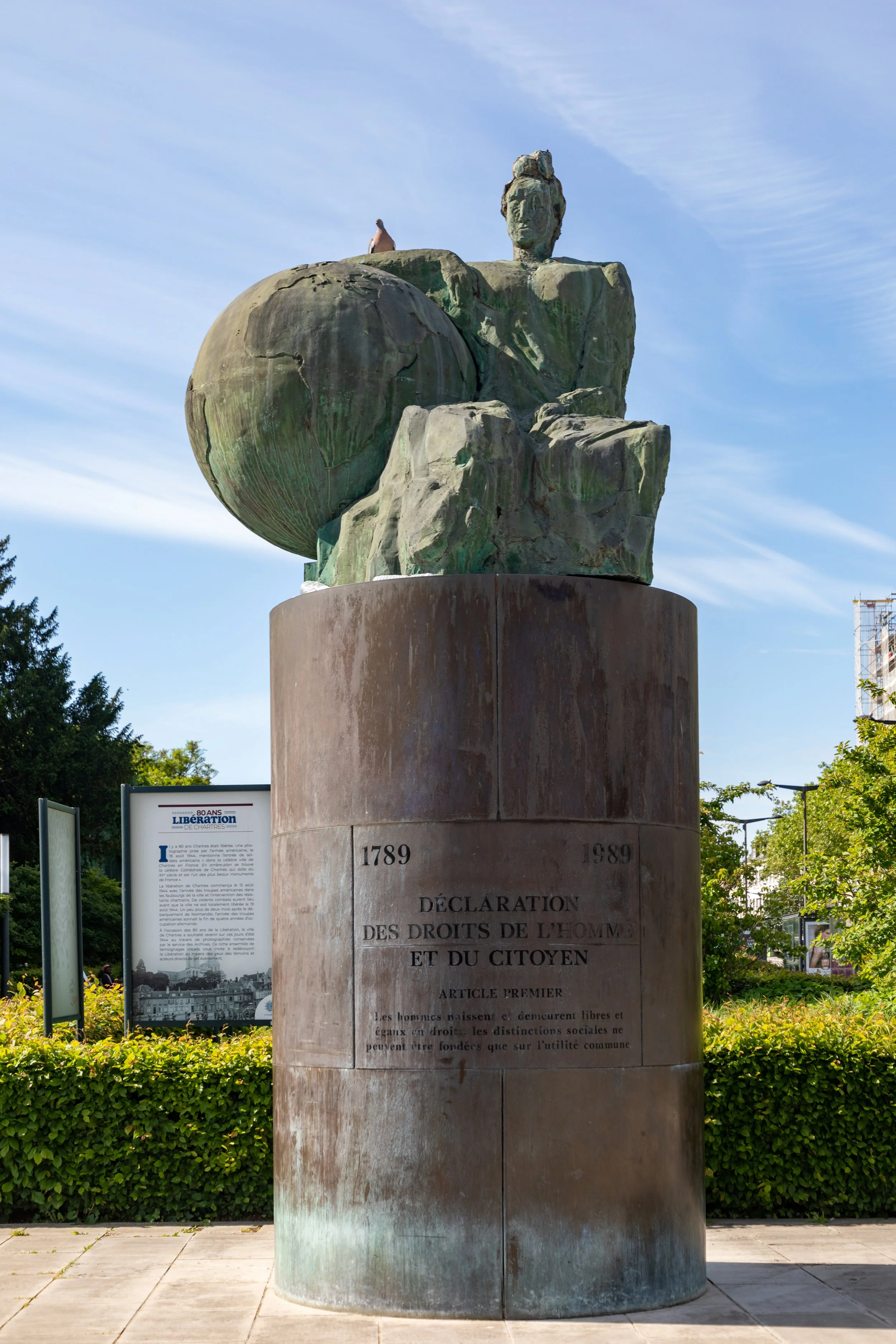
Monument of the Declaration of the Rights of Man and of the Citizen
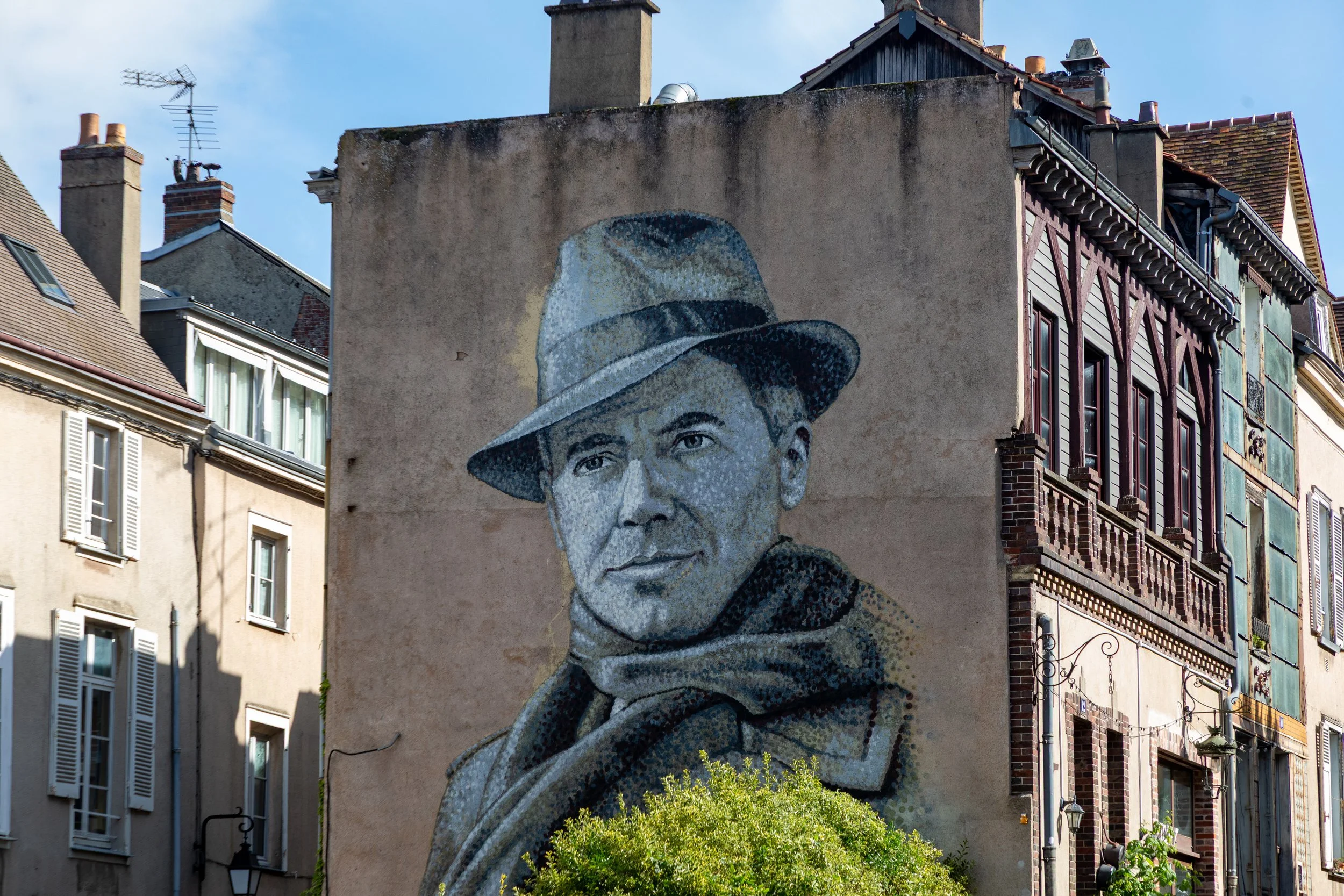
Mural of Jean Moulin, a famous leader of the French Resistance during World War II, painted by street artist Jimmy C
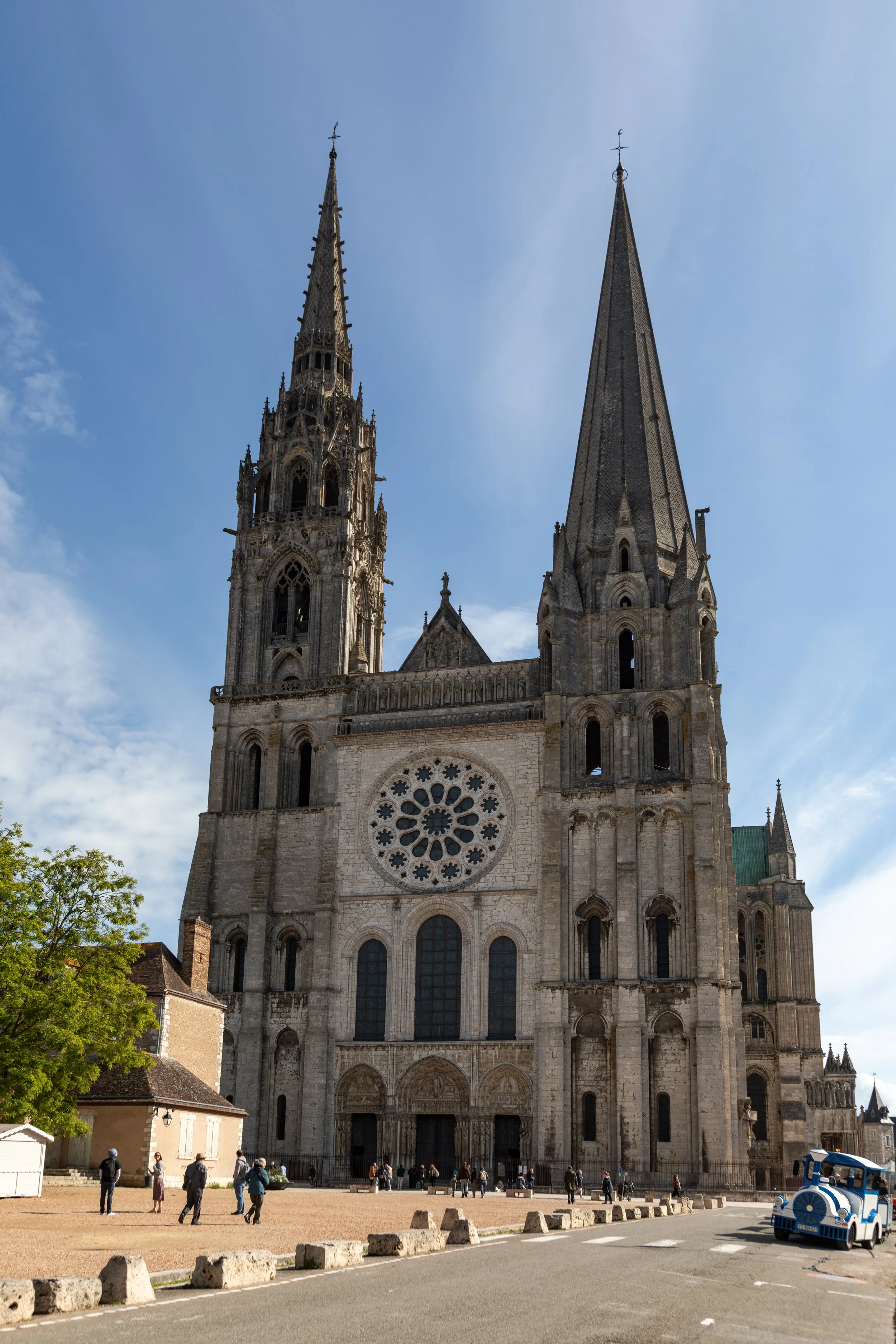
The older cathedral south tower (right) dates from the 12th century, while the taller, more ornate Flamboyant Gothic north tower (left) was completed in the 16th century
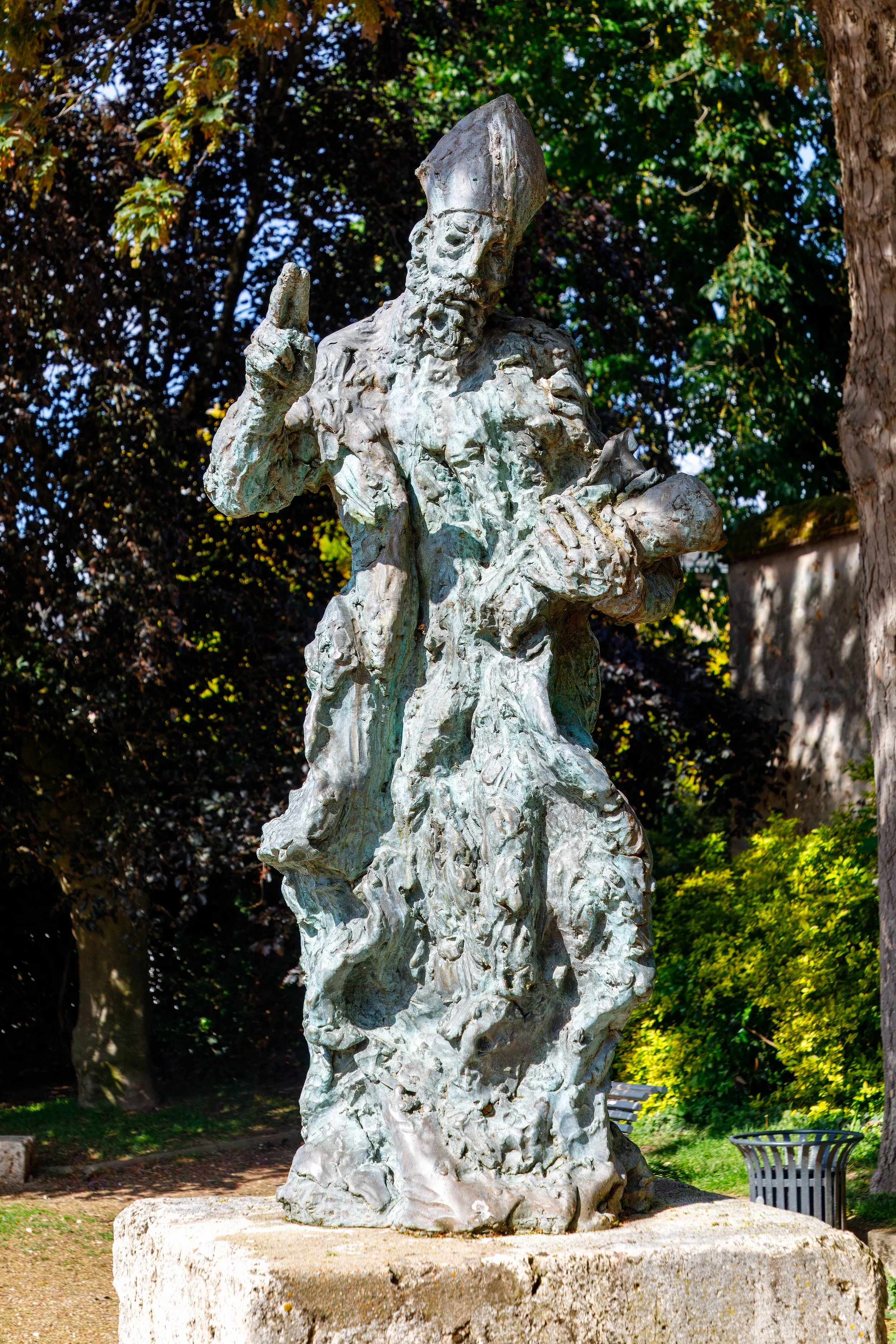
Statue of Bishop Fulbert outside the cathedral
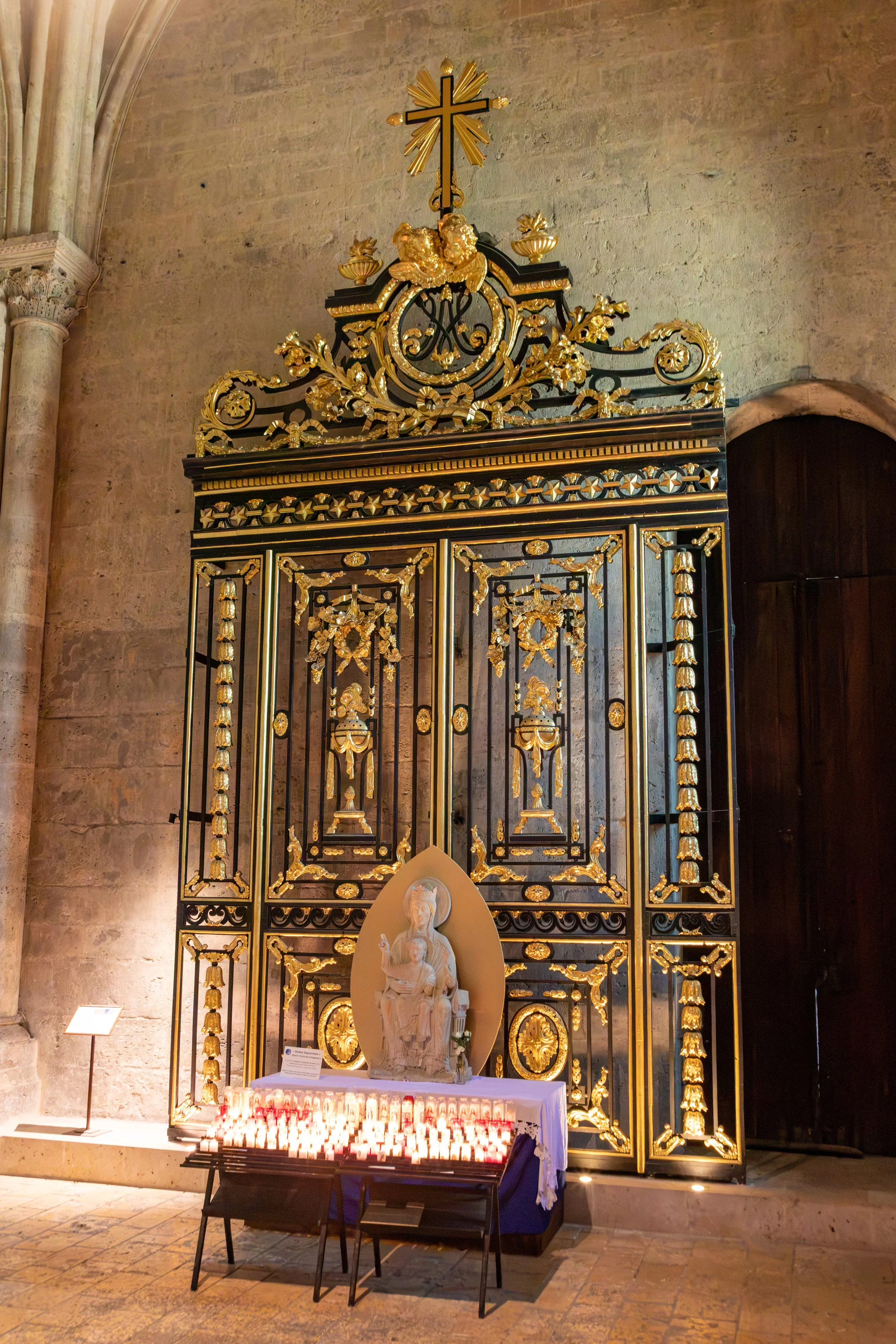
Ornate wooden altarpiece inside the cathedral
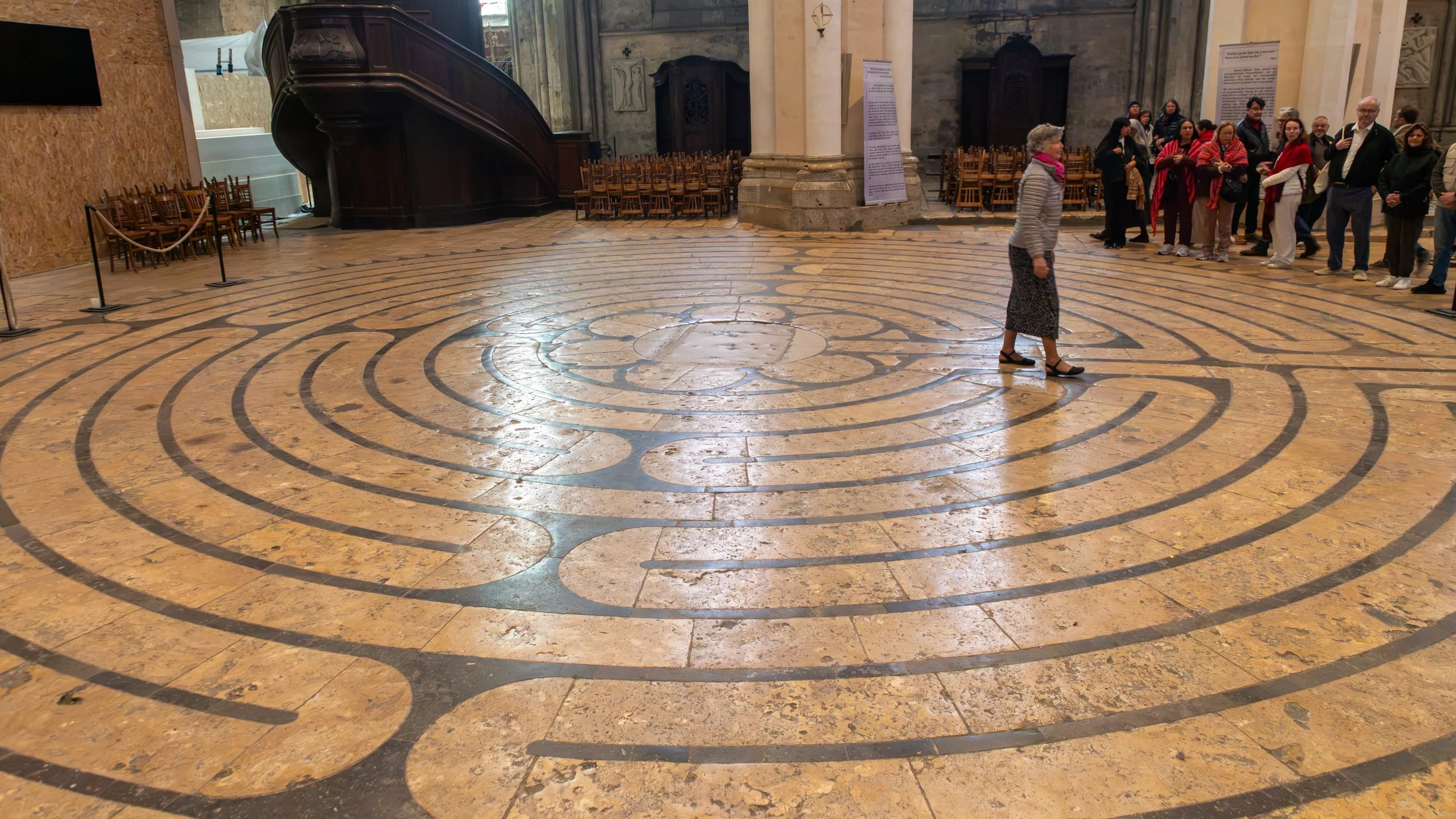
Famous medieval stone labyrinth embedded in the floor of the nave
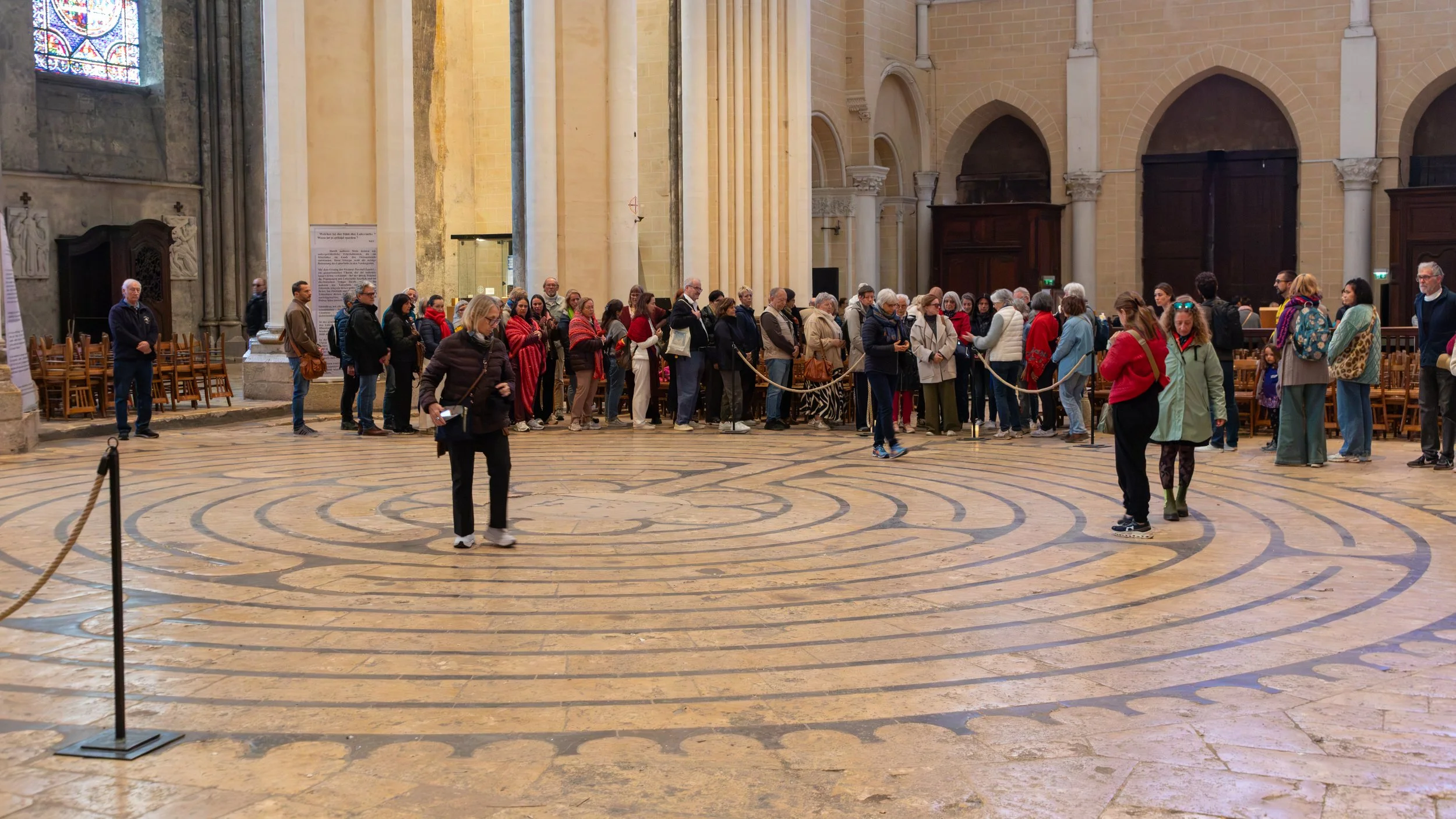
Pilgrims travel to the cathedral to walk the path of the labyrinth
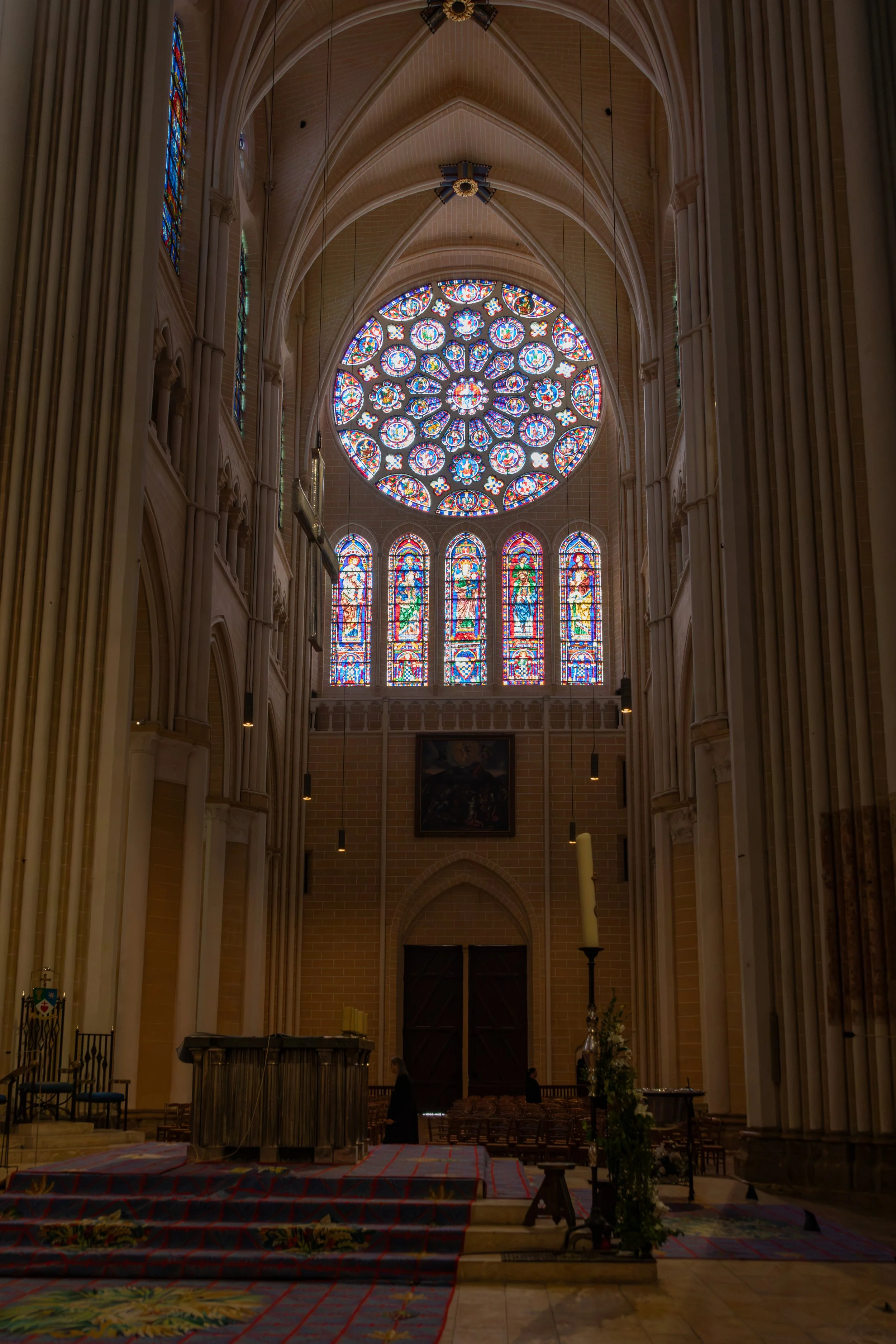
Large circular rose window and lancet windows above the altar
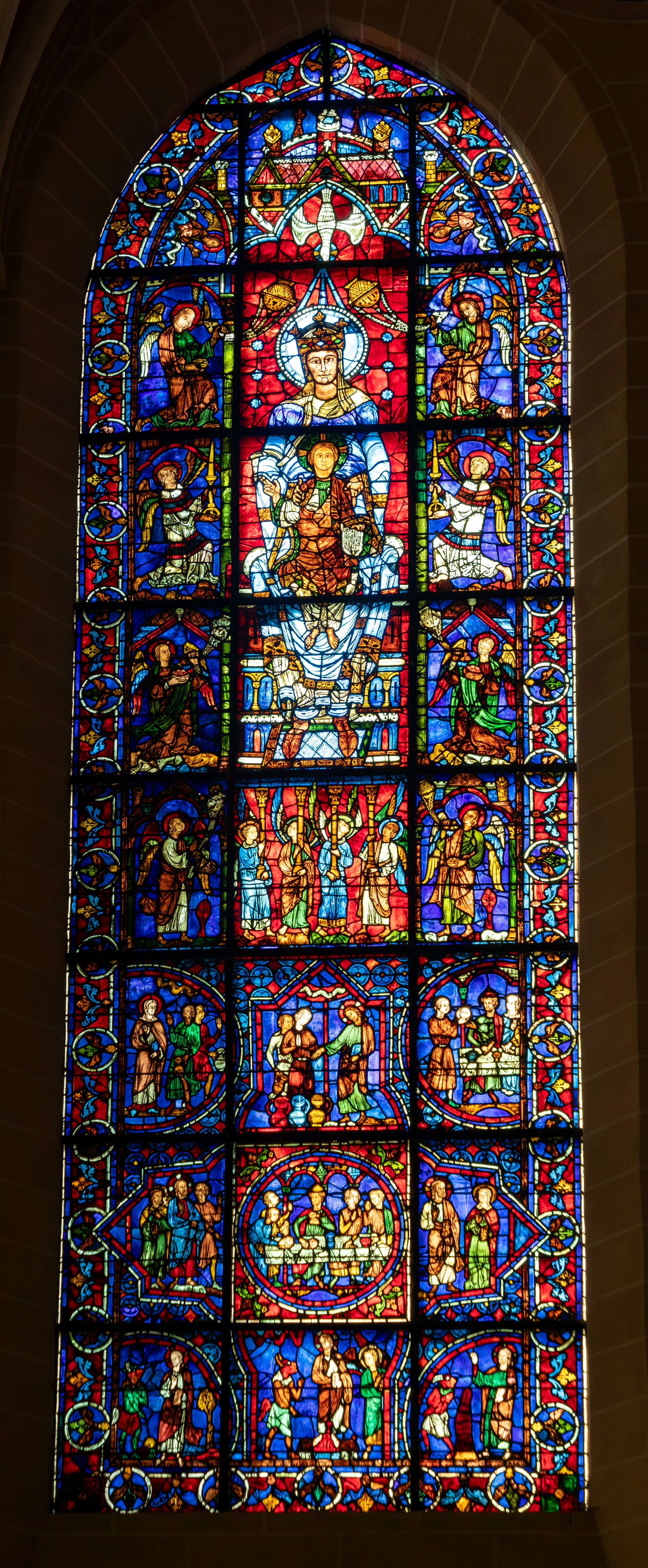
Closeup of one of the many stained glass windows
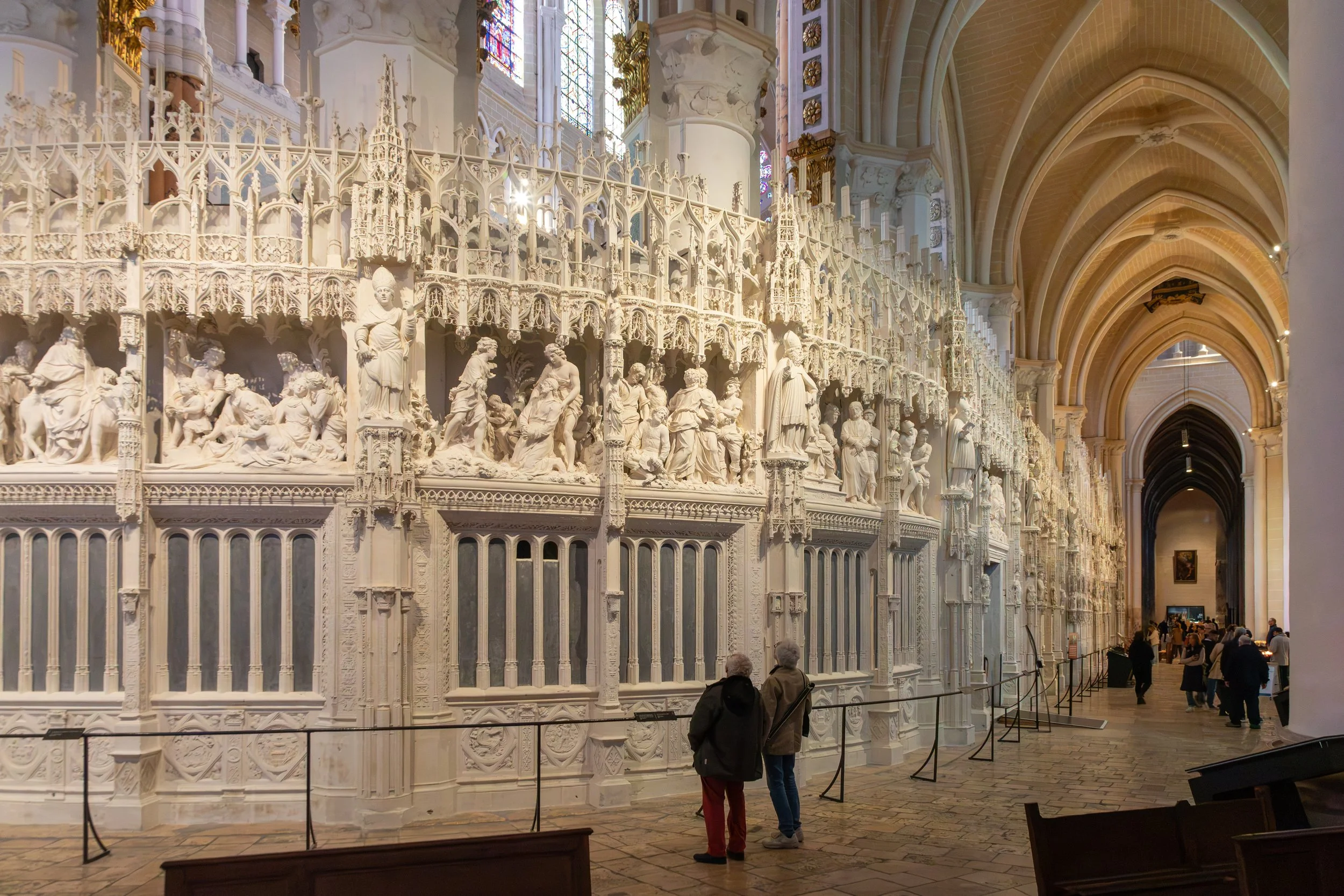
Ornate carved stone choir screen (tour de chœur)
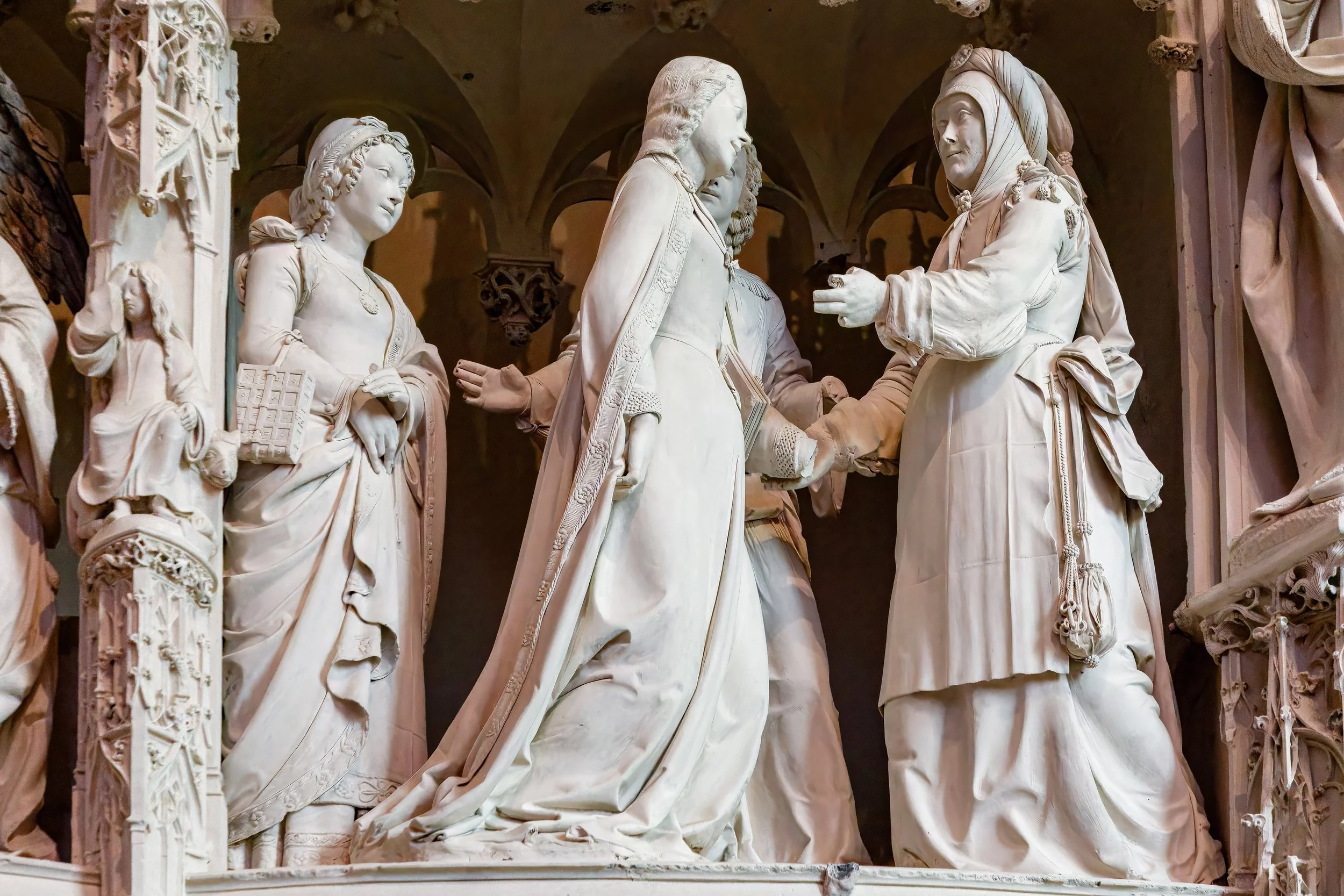
Sculpture of the Visitation on the choir screen
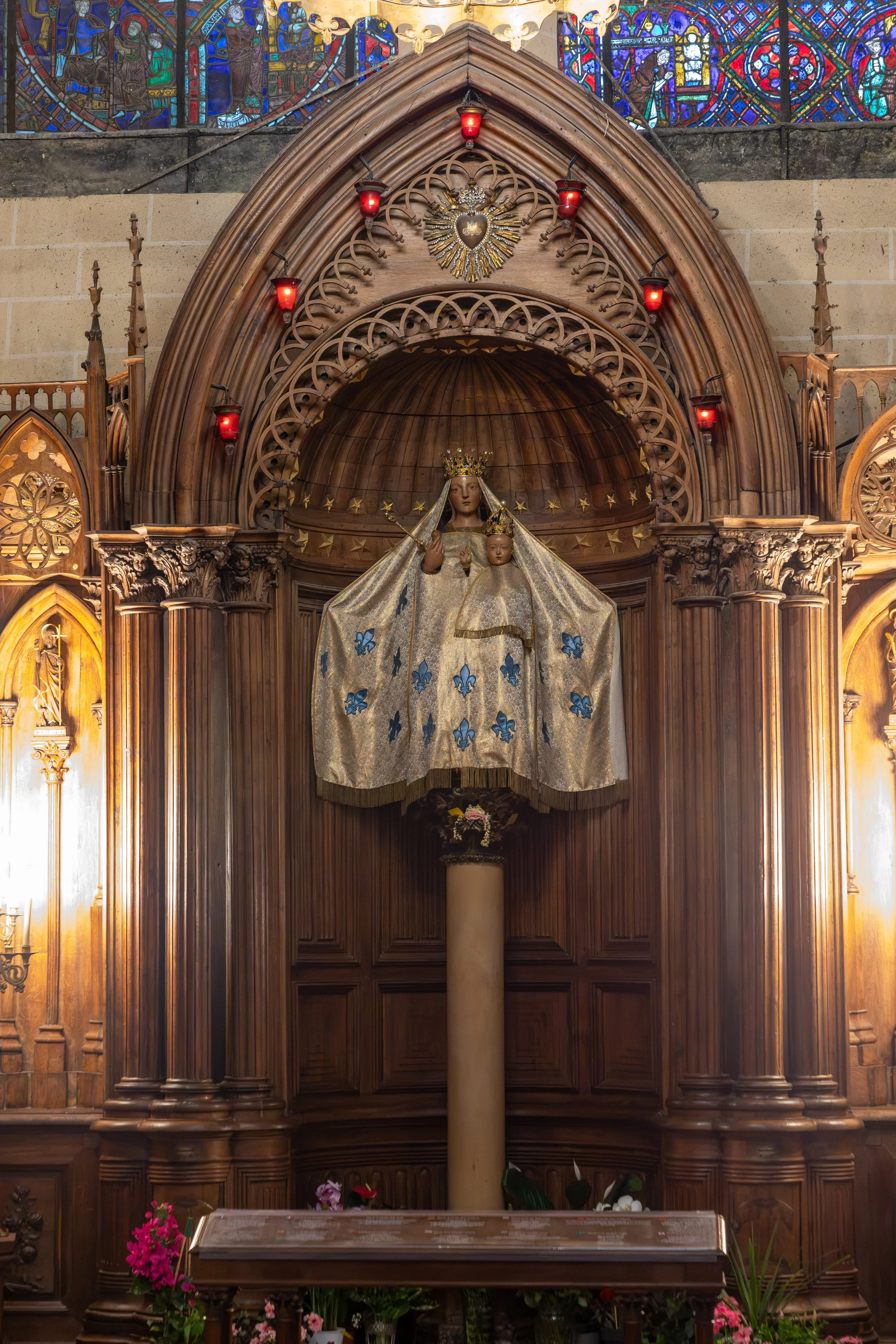
Chapel of Our Lady of the Pillar, carved wooden statue of the Virgin Mary holding the Christ Child
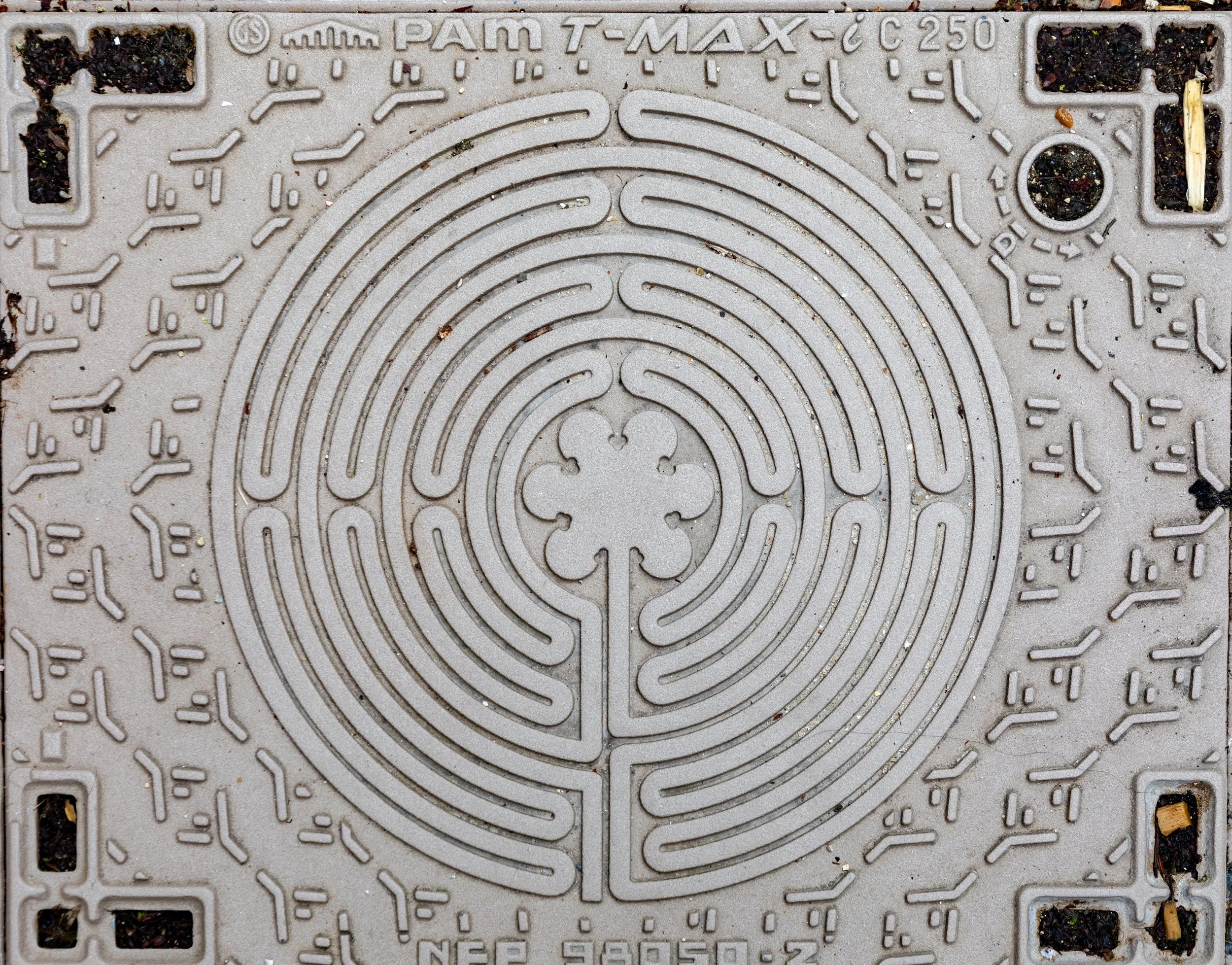
The city has adopted the famous medieval labyrinth as branding for their services, seen here in this street-surface access cover
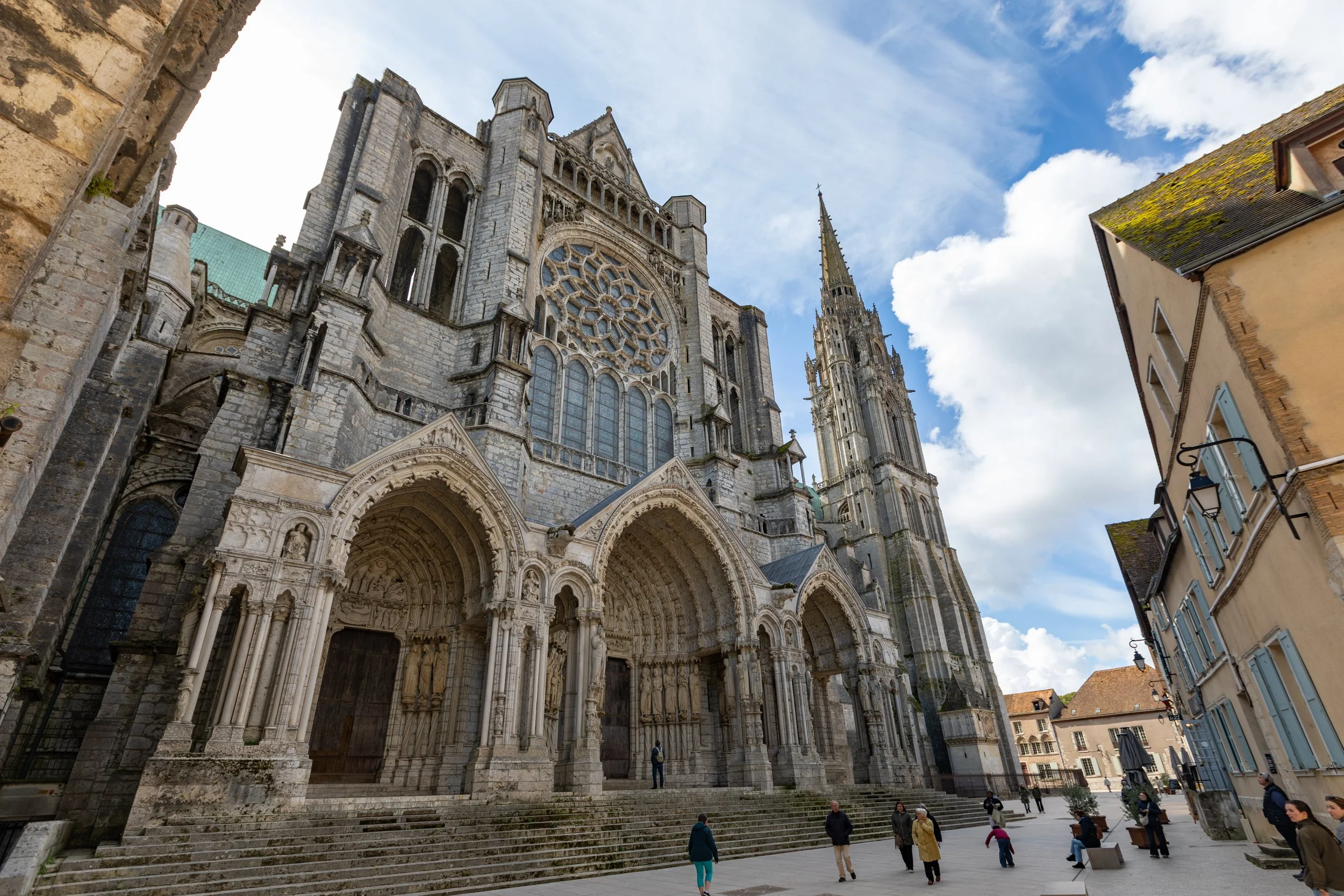
The north porch and transept façade of the cathedral
Exploring the picturesque historic centre
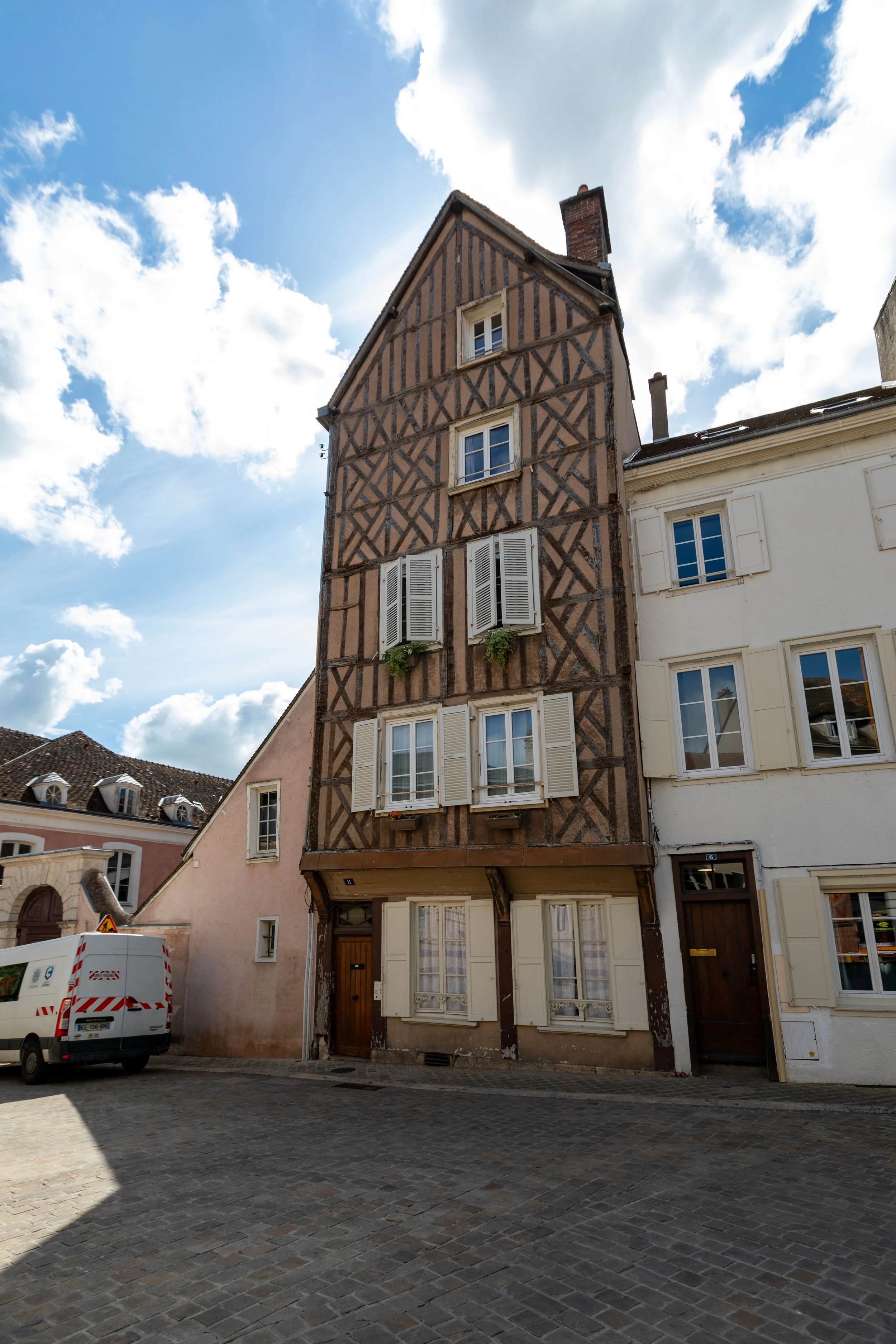
A timber-framed building, originally dating from the 15th or 16th century
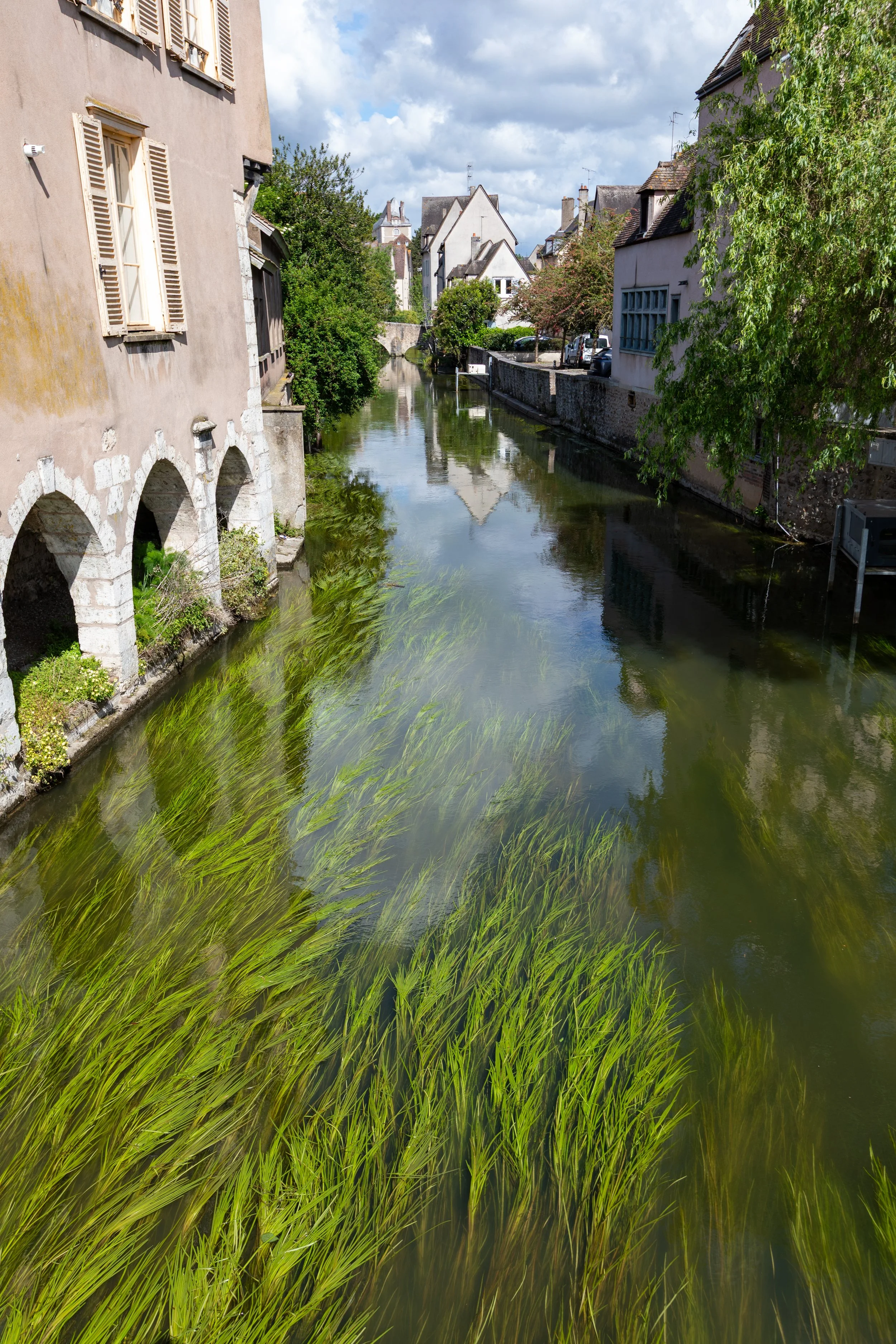
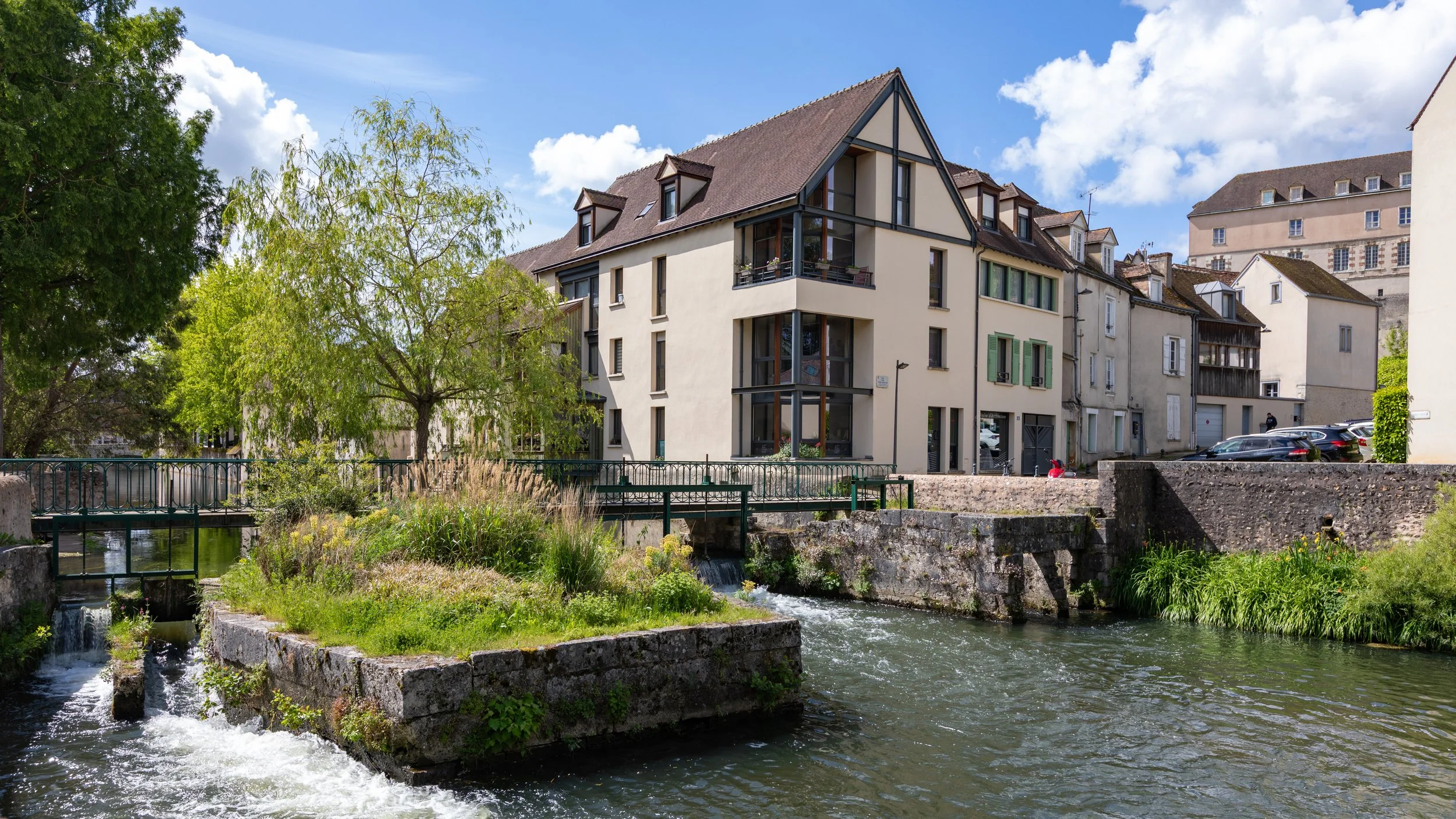
Walking along the Eure River
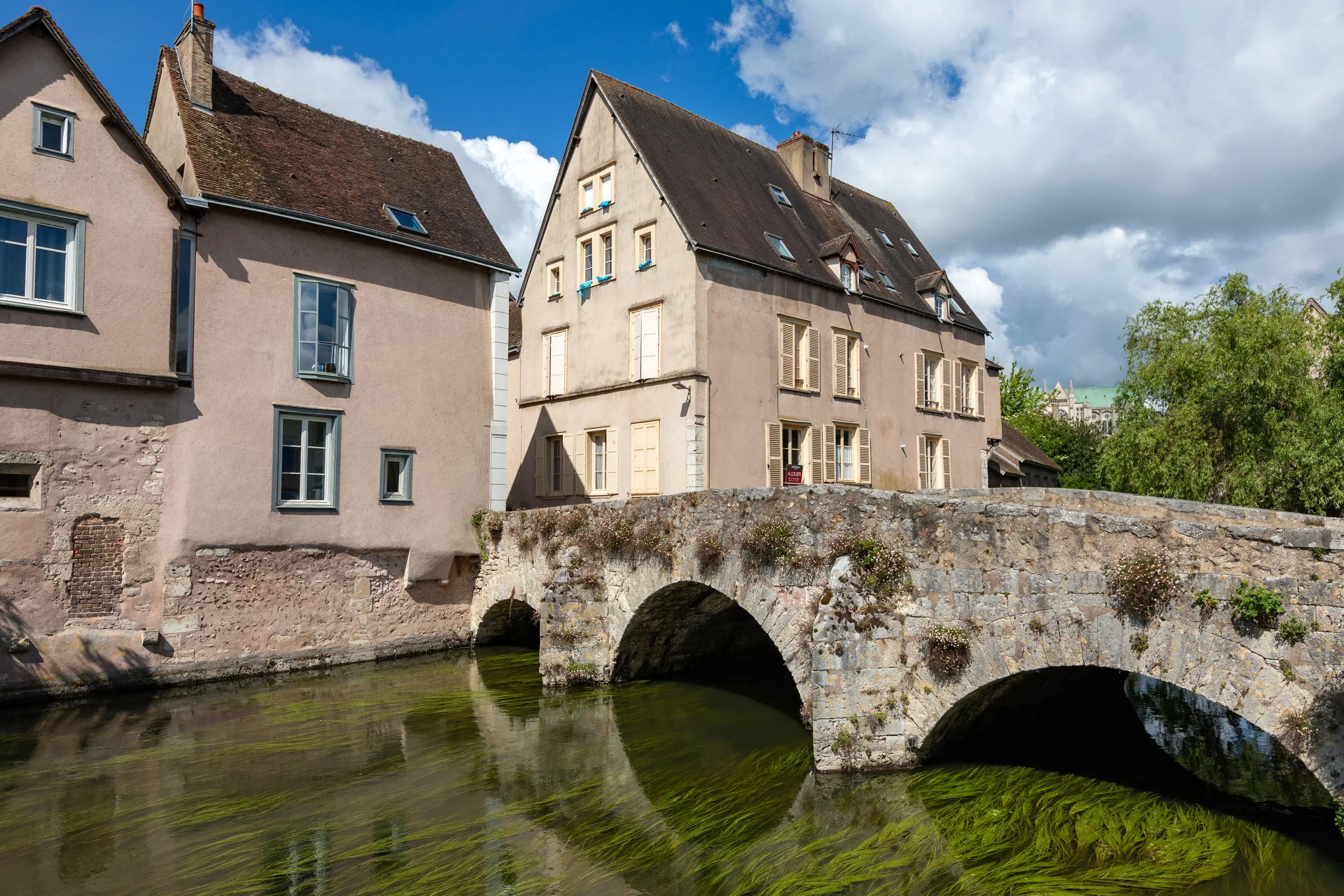
Footbridge across the river
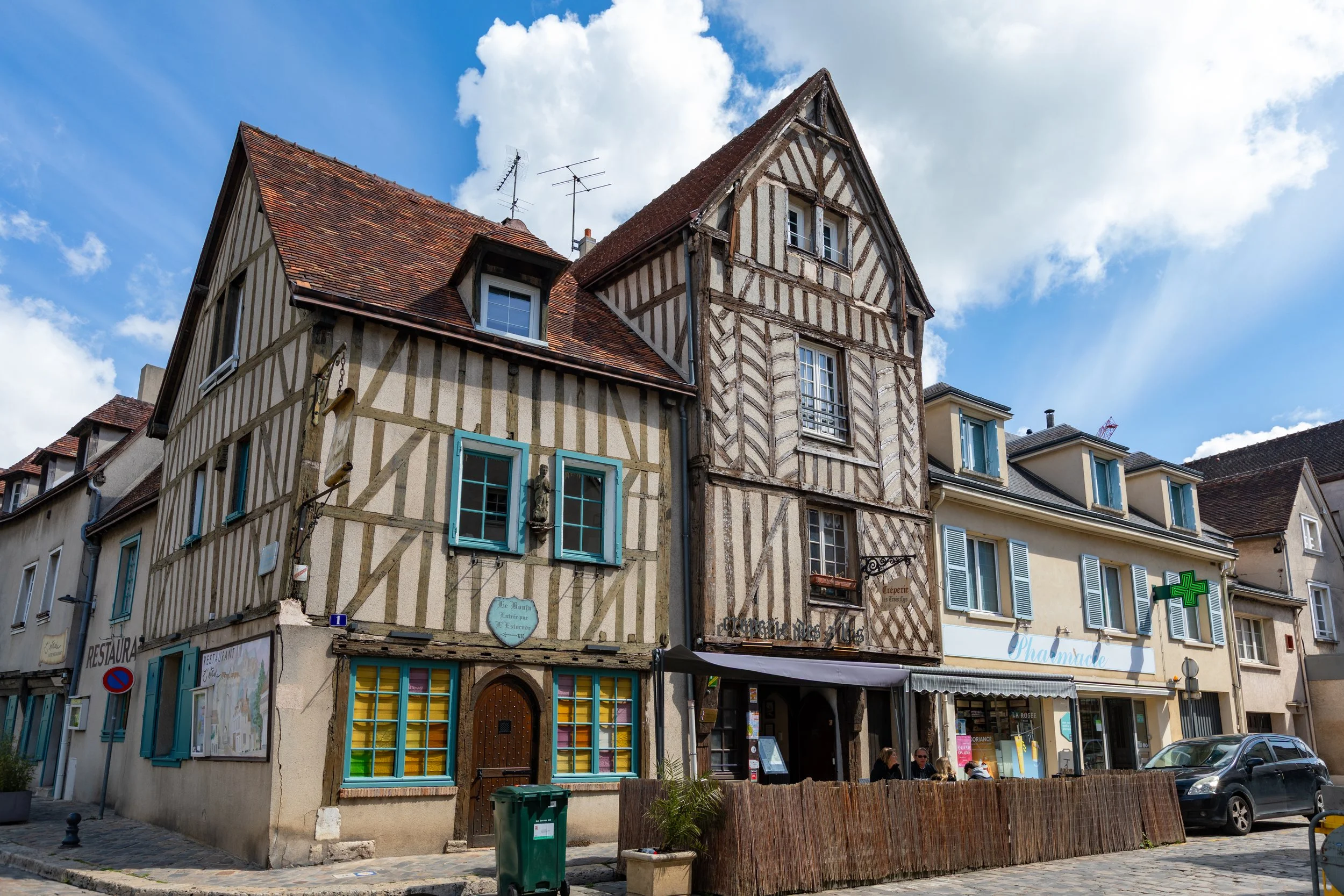
Another half-timbered house, typical of the town centre
Continuing along the banks of the Eure River
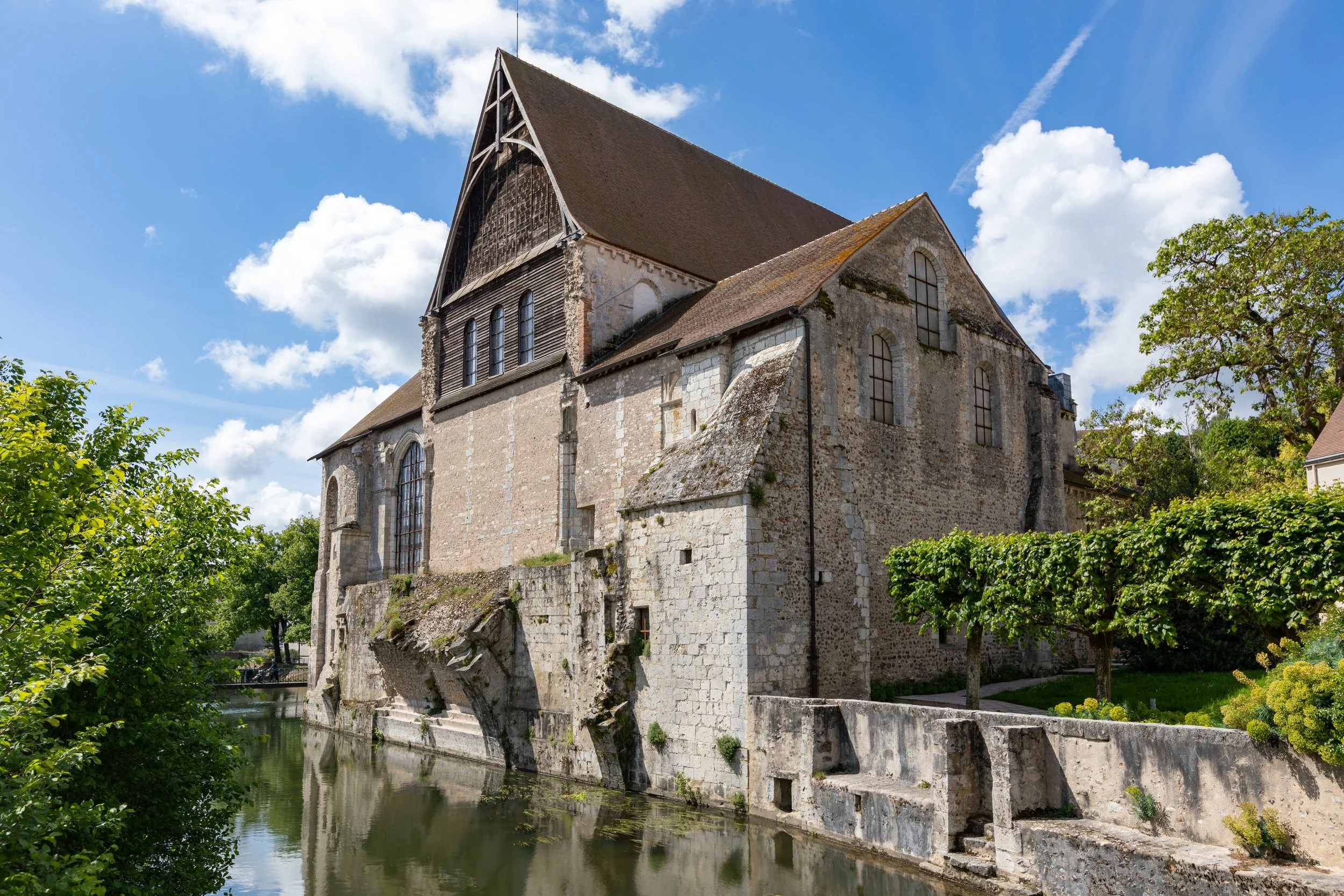
Historic Collégiale Saint-André (Collegiate Church of Saint-André), now acting as a cultural centre
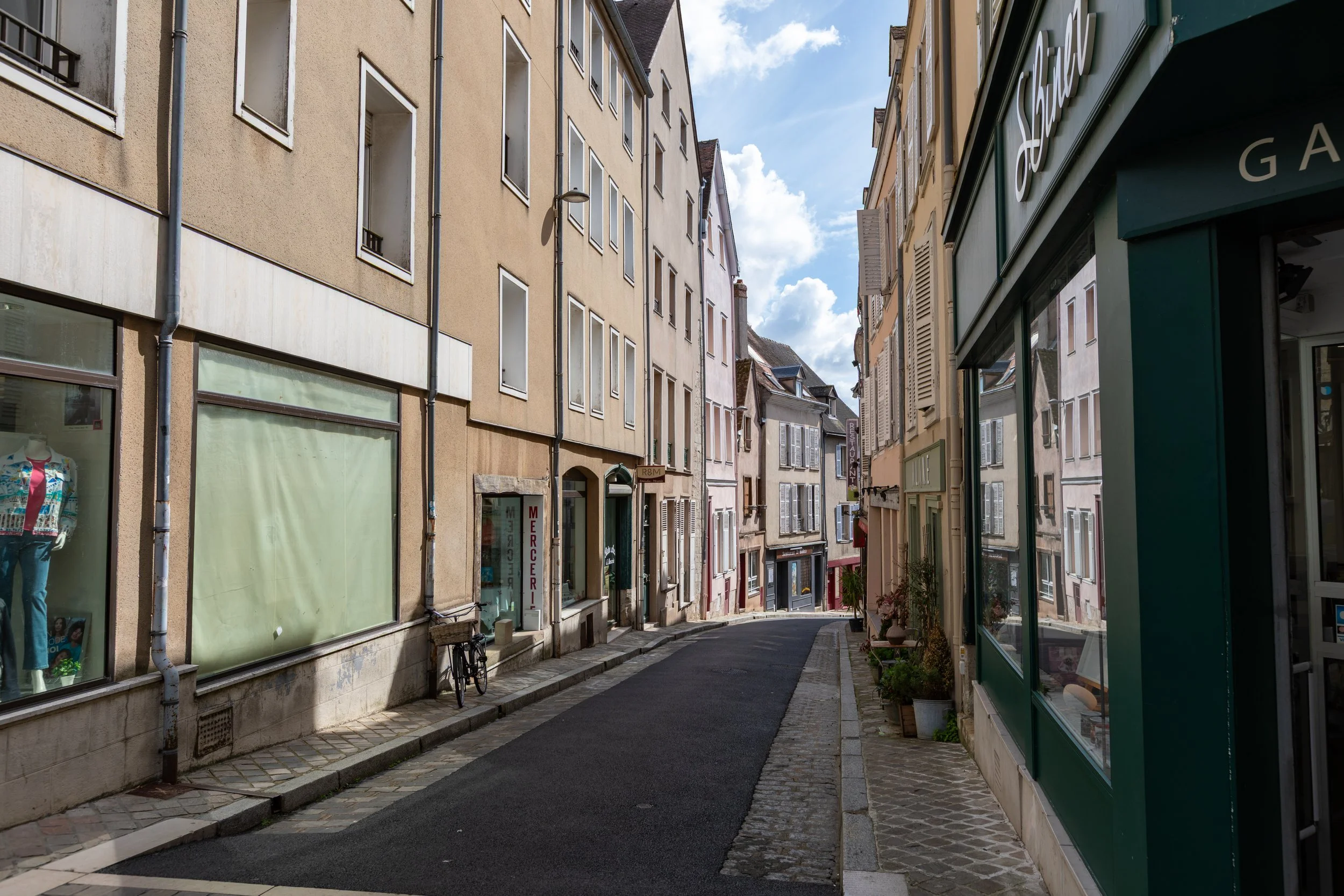
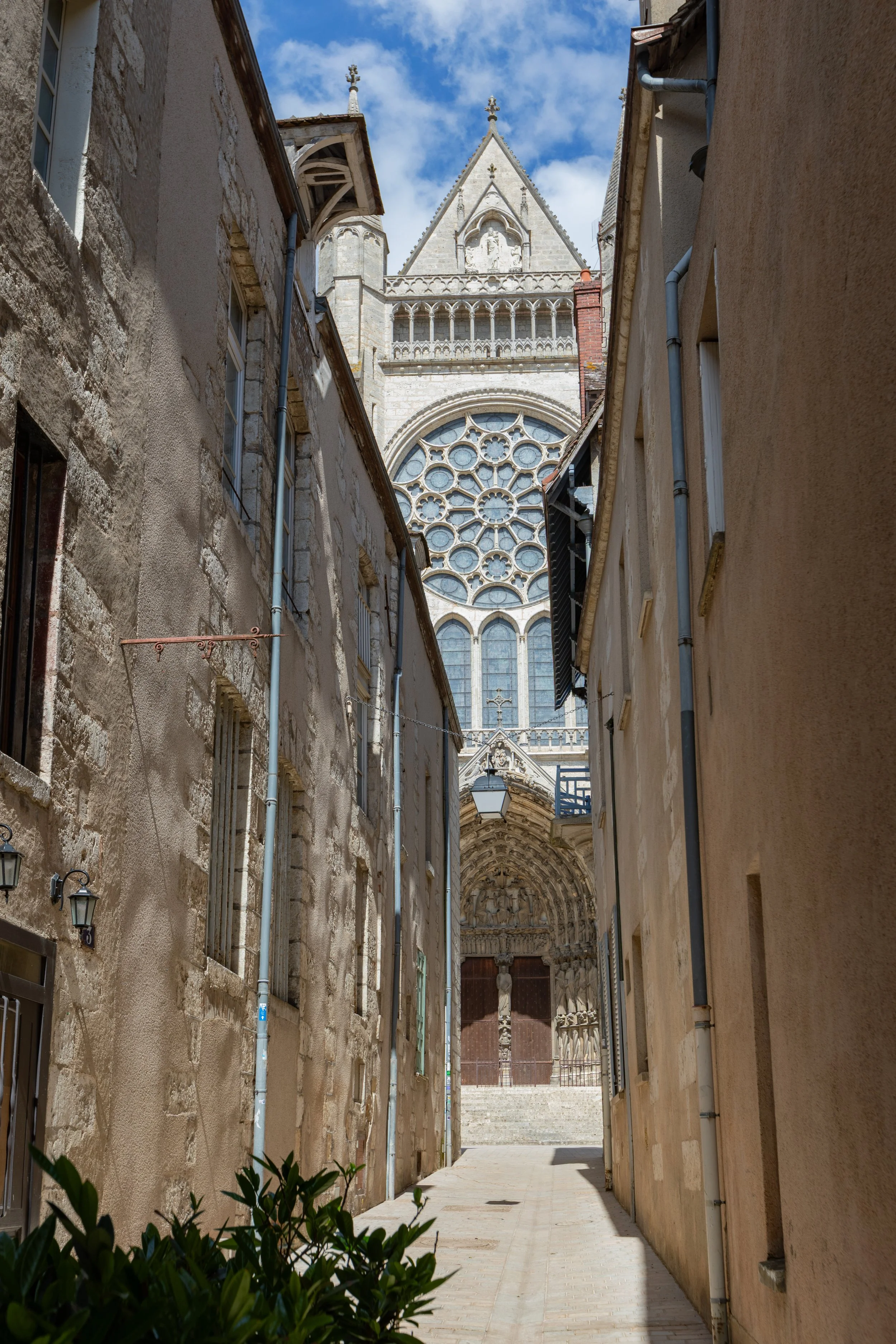
Narrow road leading back to the cathedral
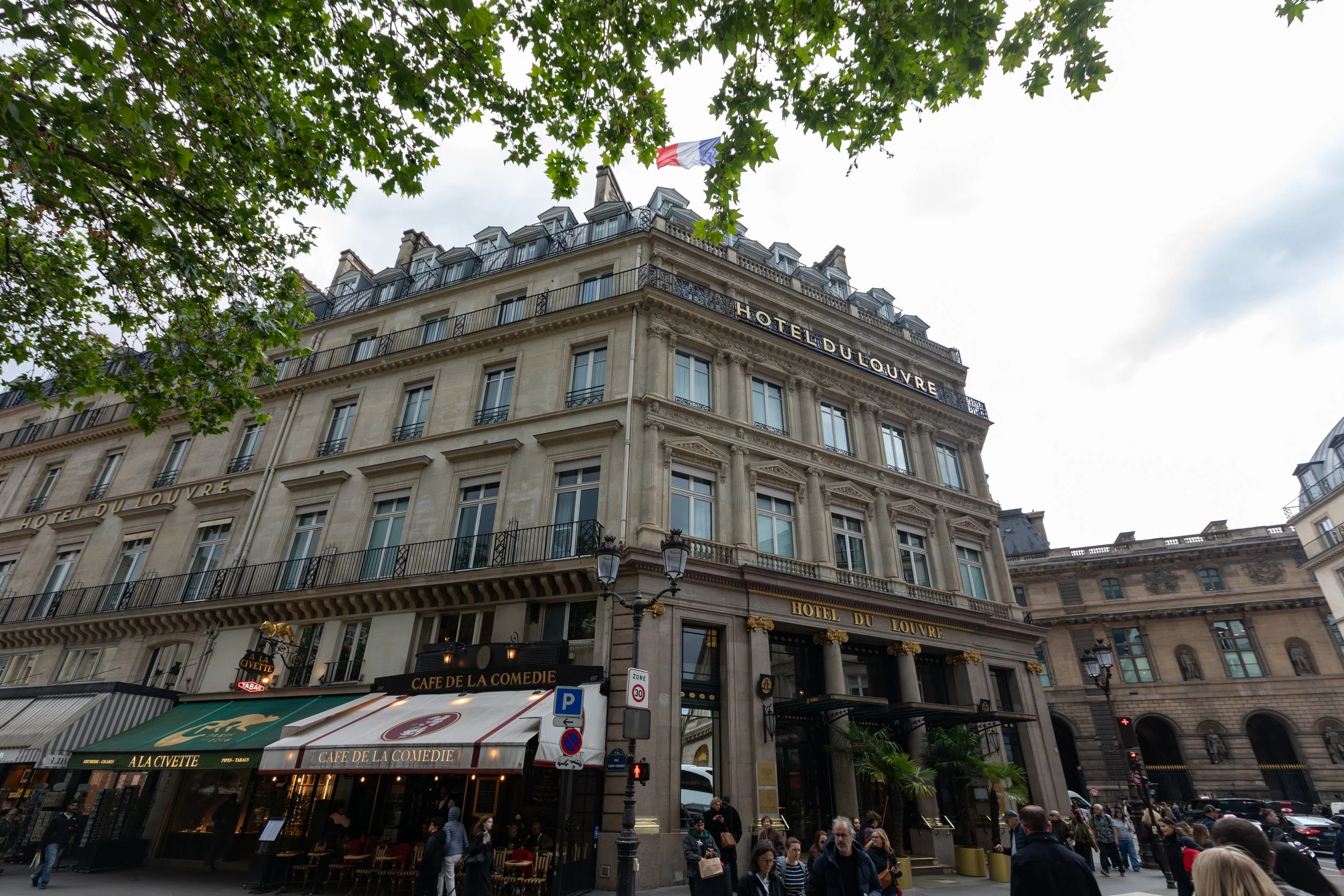
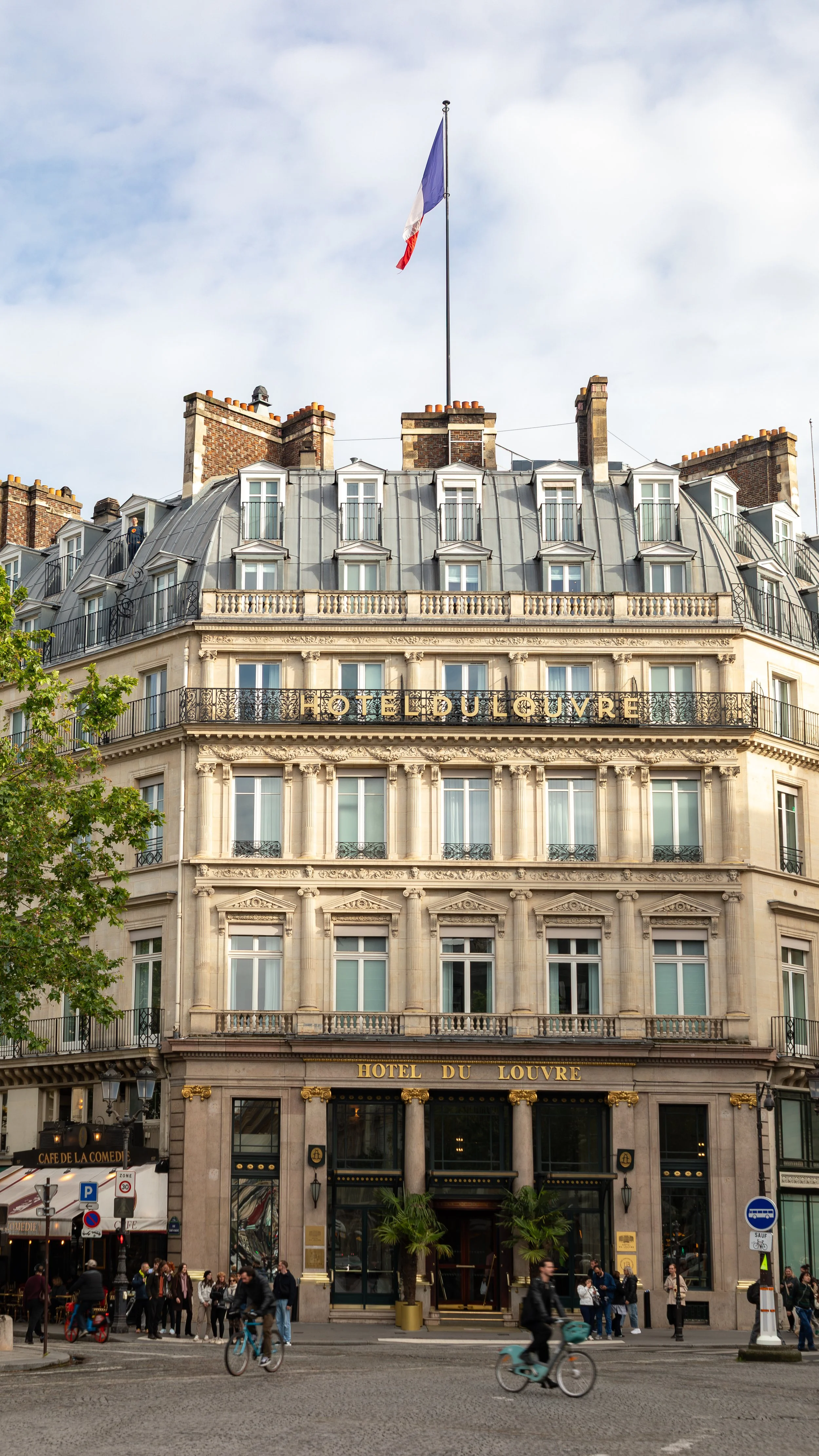
Back in Paris, we relocated for our last night to the historic Hotel de Louvre, the first of the Grand Hotels in France, built for Napoleon III, and open in the mid 19th century
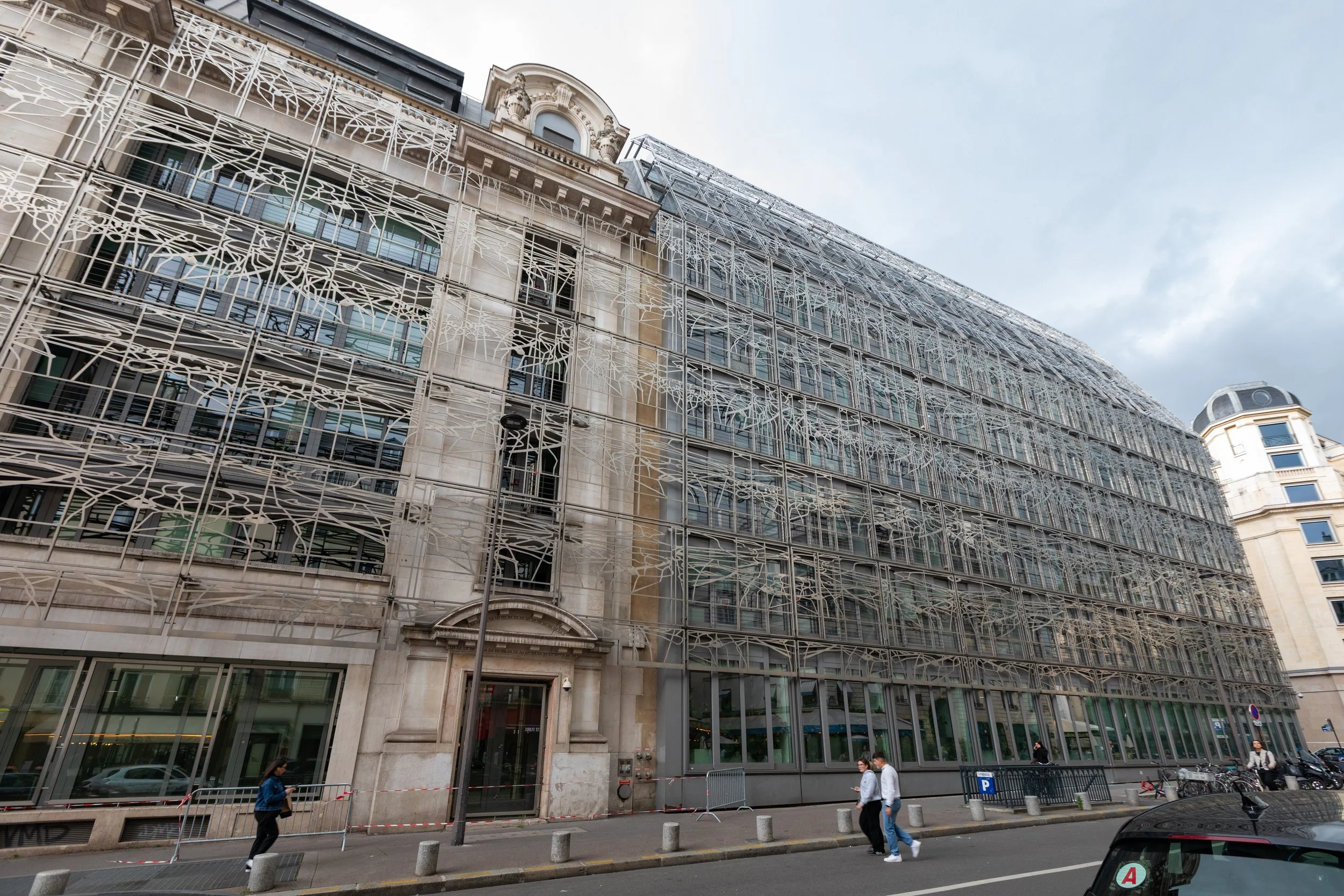
The Ministry of Culture building, redesigned in 2004 with a facade featuring an outer metallic mesh
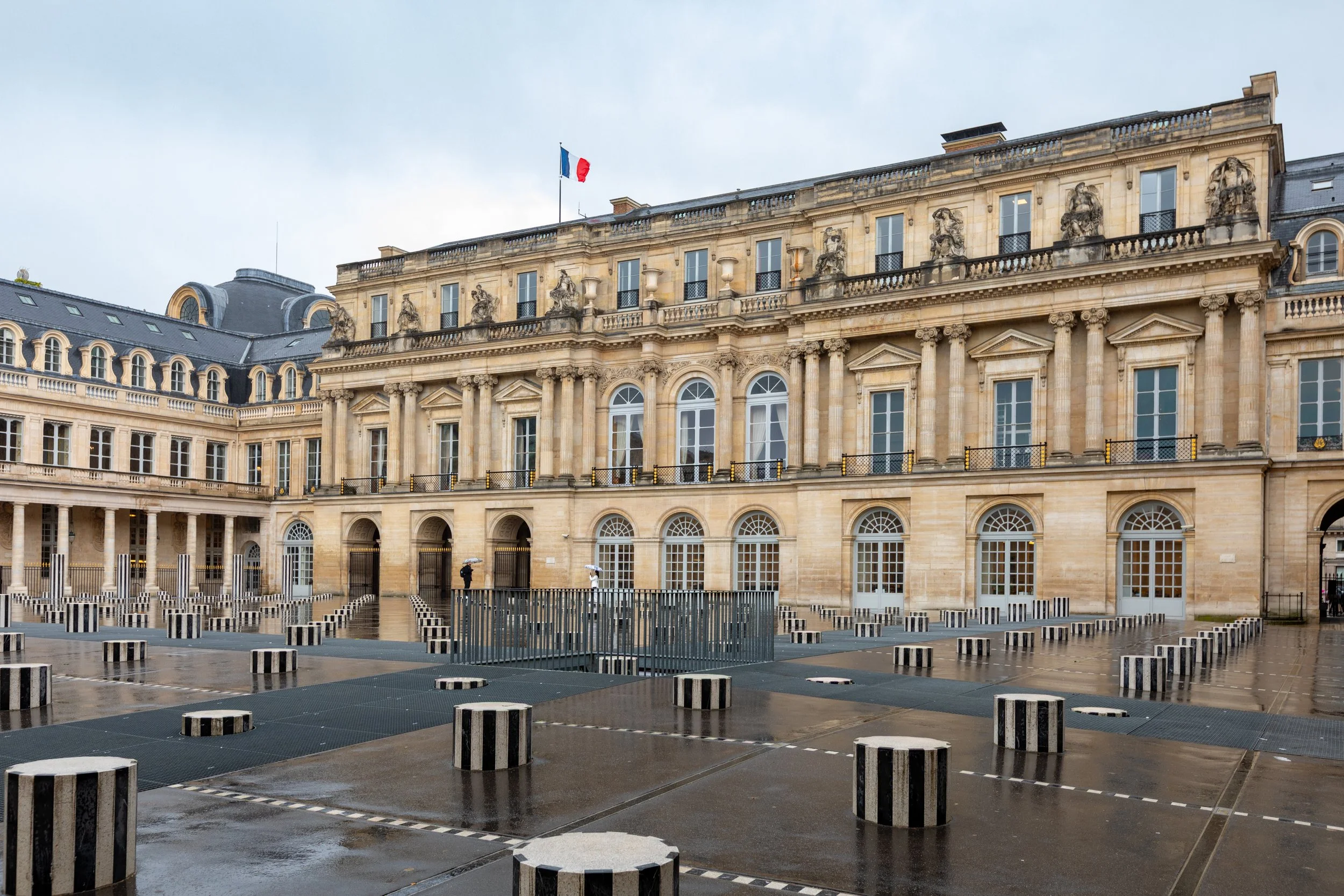
The Colonnes de Buren art installation, in the main courtyard of the Palais-Royal
Back at our hotel, I’m posing from the Juliet balcony on the top floor on the left side
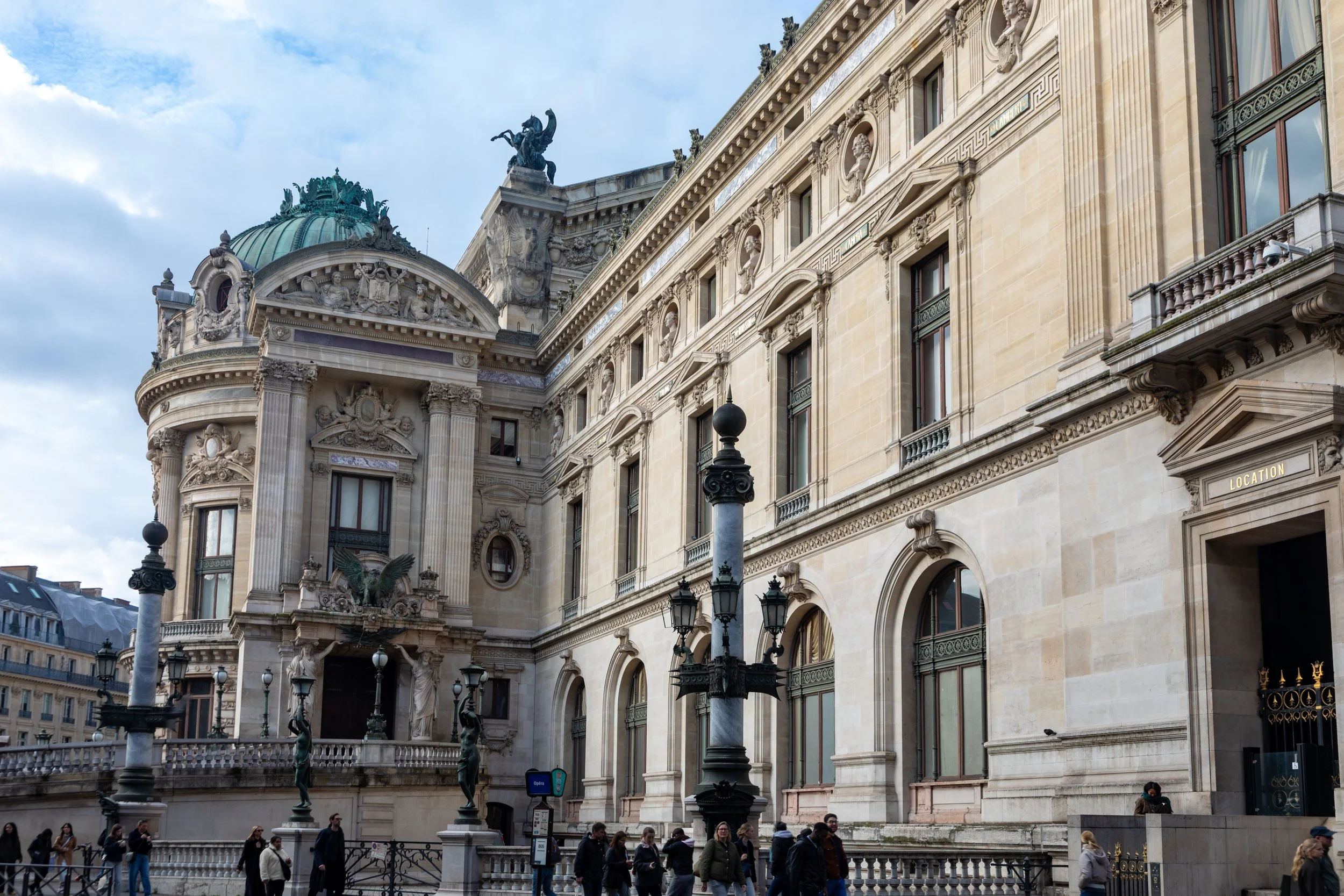
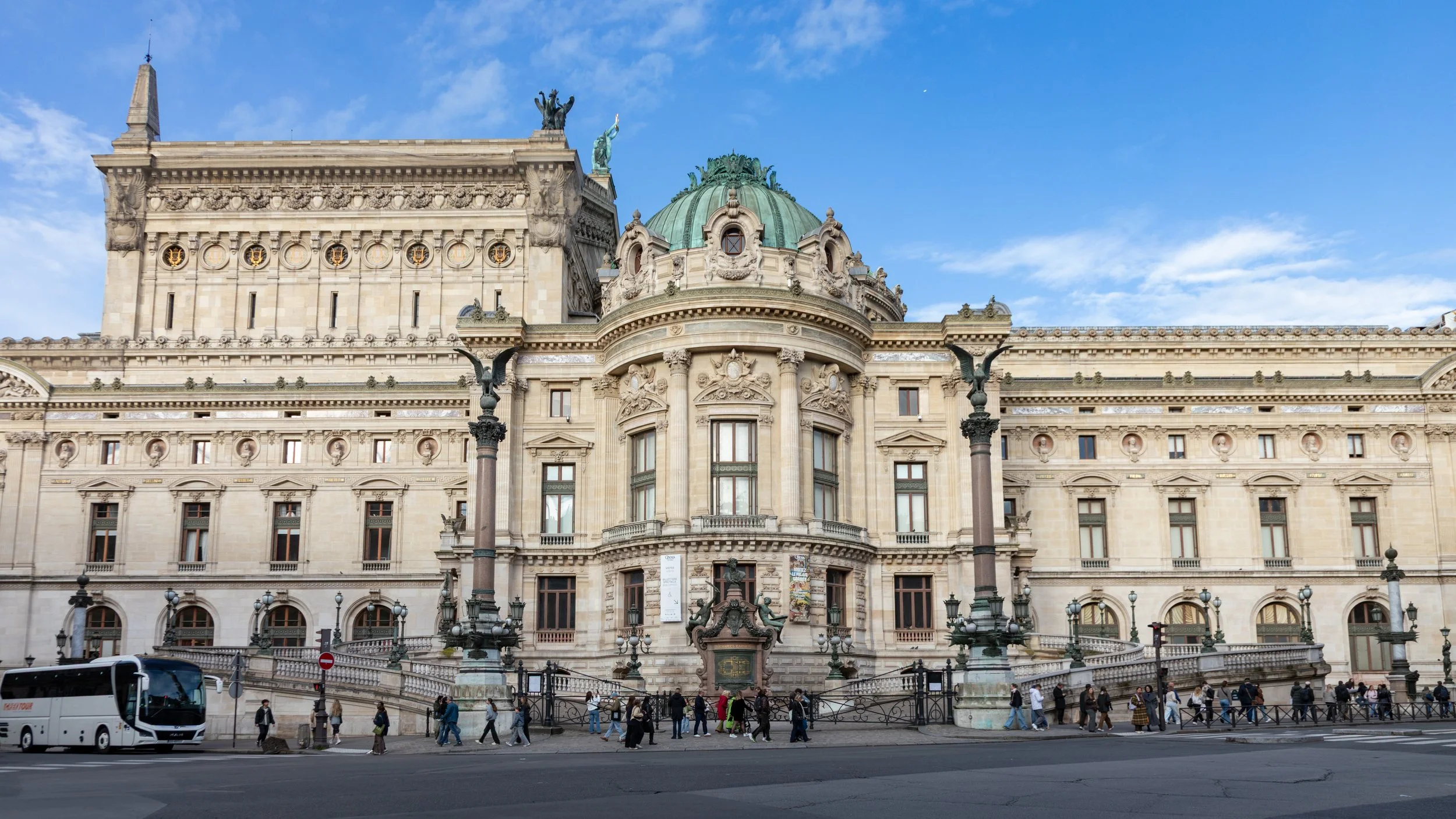
Side and main facade of the historic Opera Garnier
The full west facade
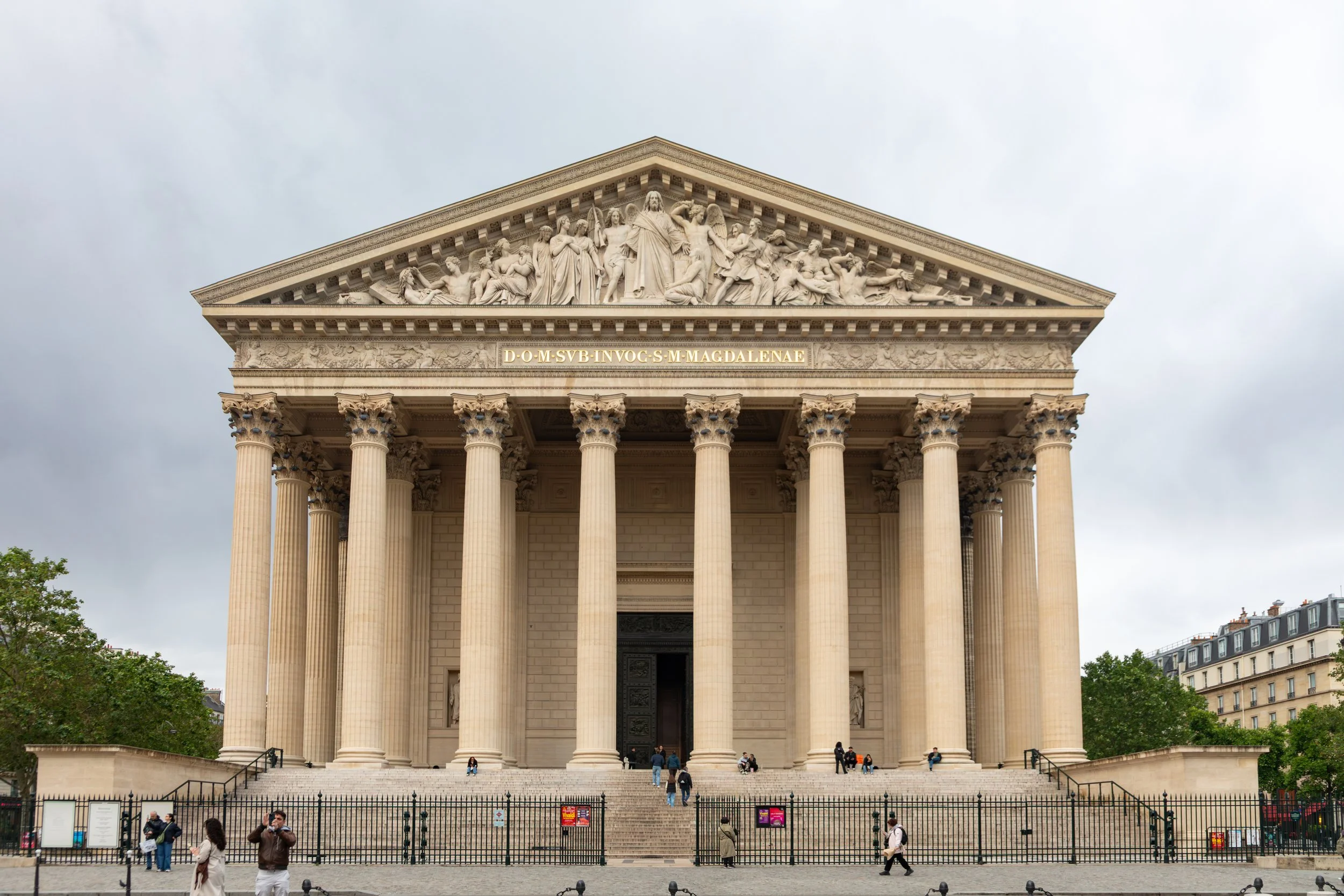
Neoclassical façade of the Church of Saint Mary Magdalene
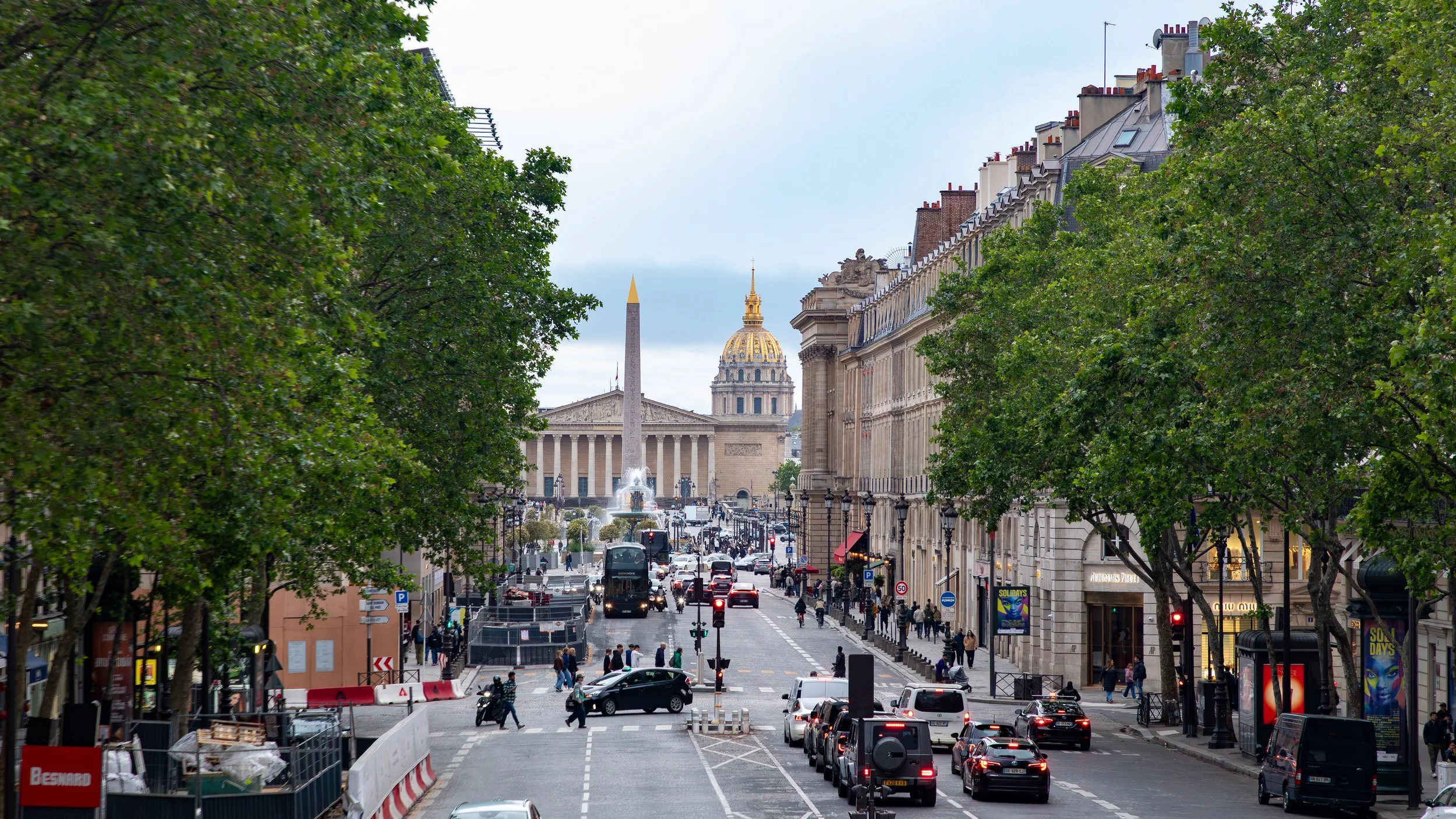
Looking down Rue Royale in Paris toward the Place de la Concorde, with the Luxor Obelisk and the Hôtel des Invalides dome in the background
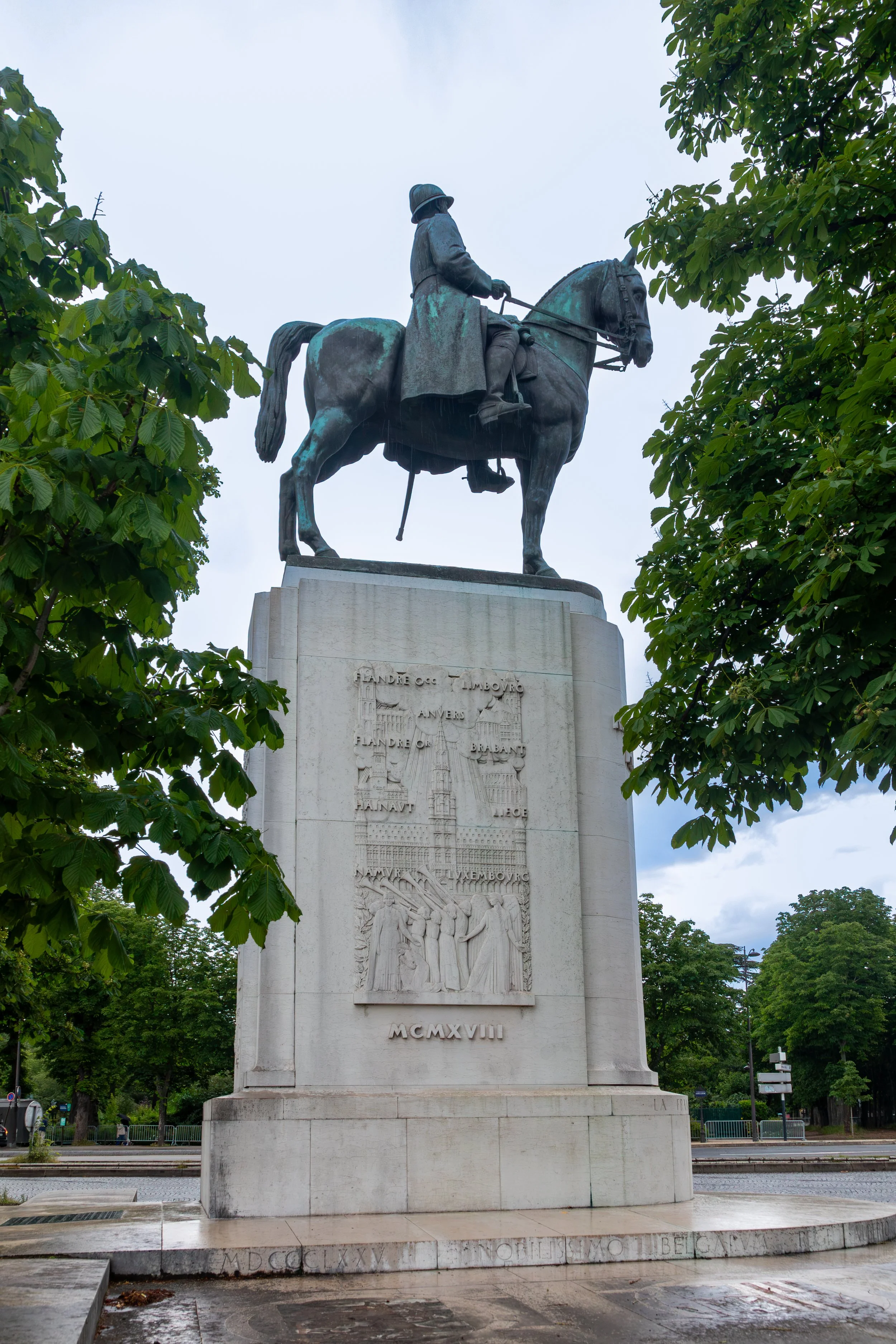
Equestrian statue of King Albert I of Belgium (1875–1934), who ruled from 1909 to 1934. People called him the "King Soldier" because he fought closely with his troops during World War I
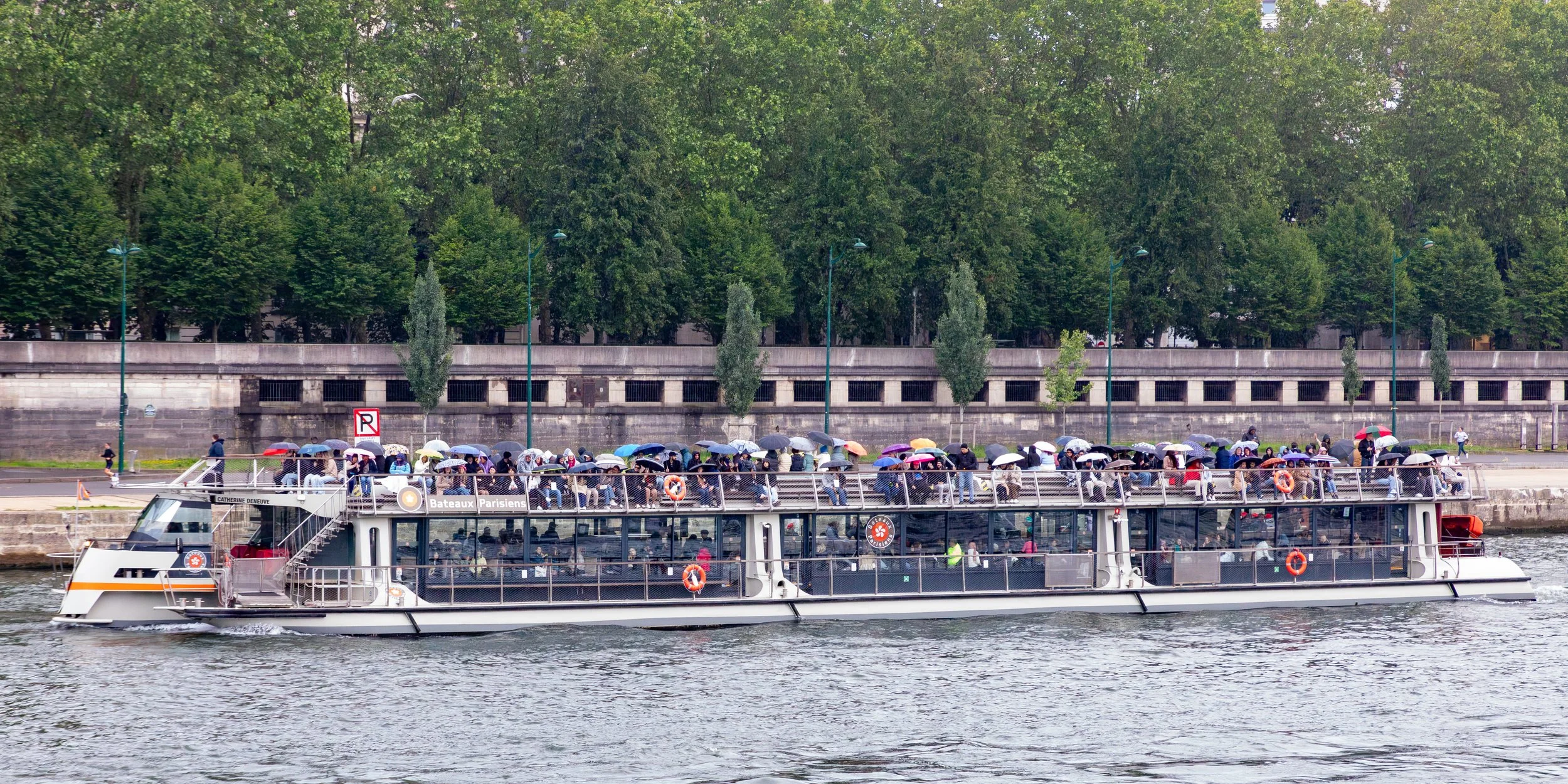
Evening boat cruises on the Seine
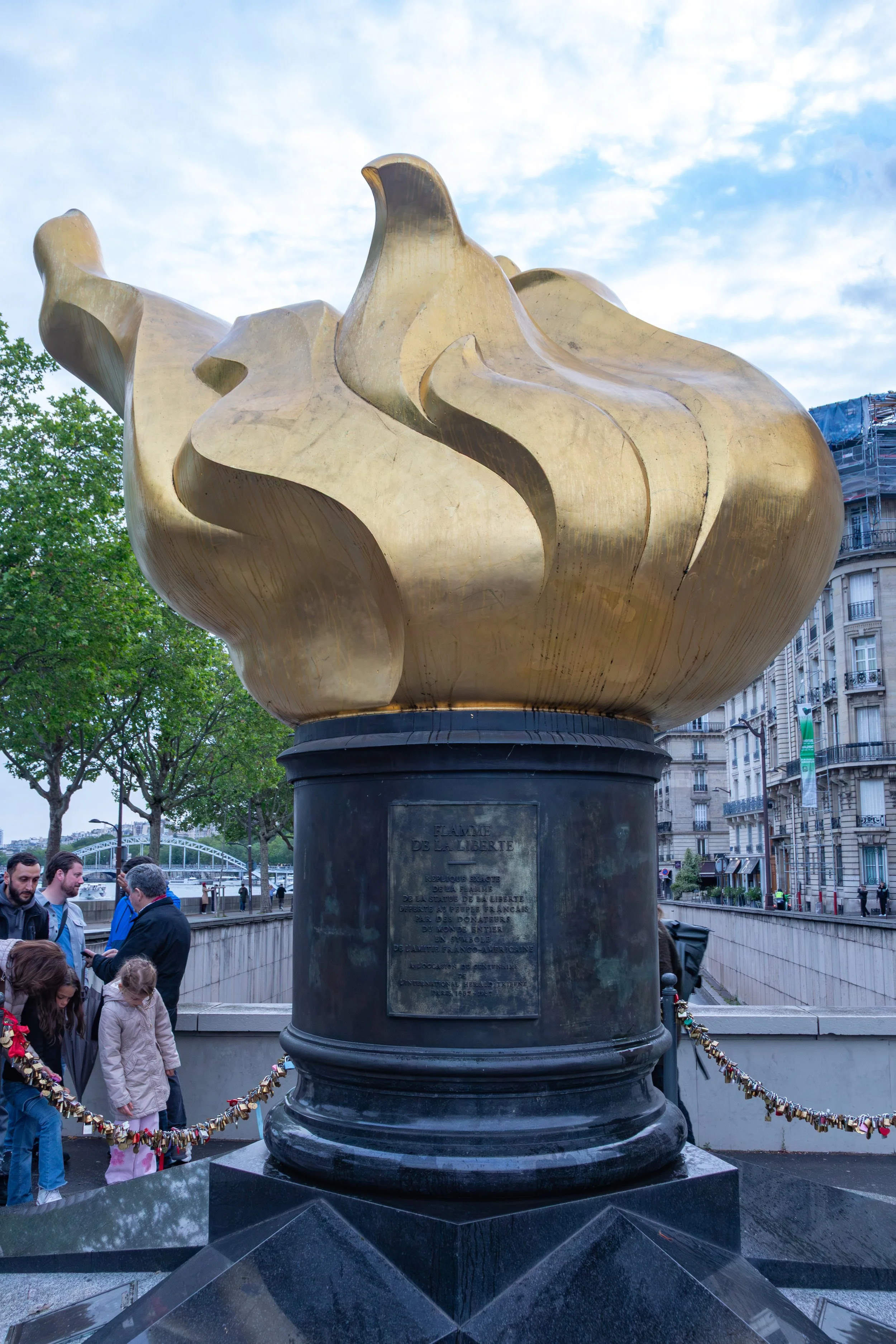
The Flame of Liberty (1989), a life-size copy of the flame on the Statue of Liberty's torch, sits on Place Diana near where Diana died in car crash in 1997
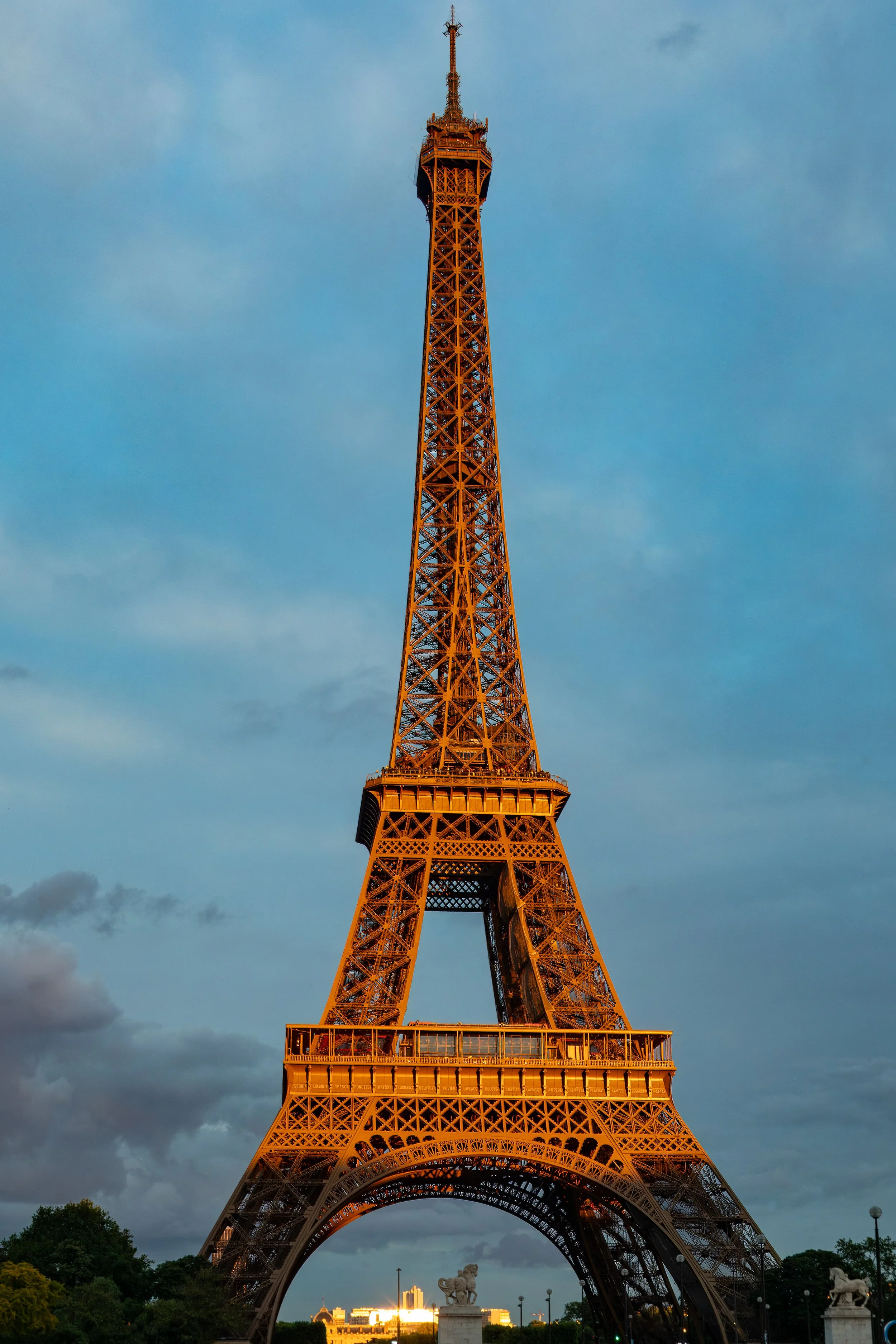
The Eiffel Tower was the final destination for our evening walk
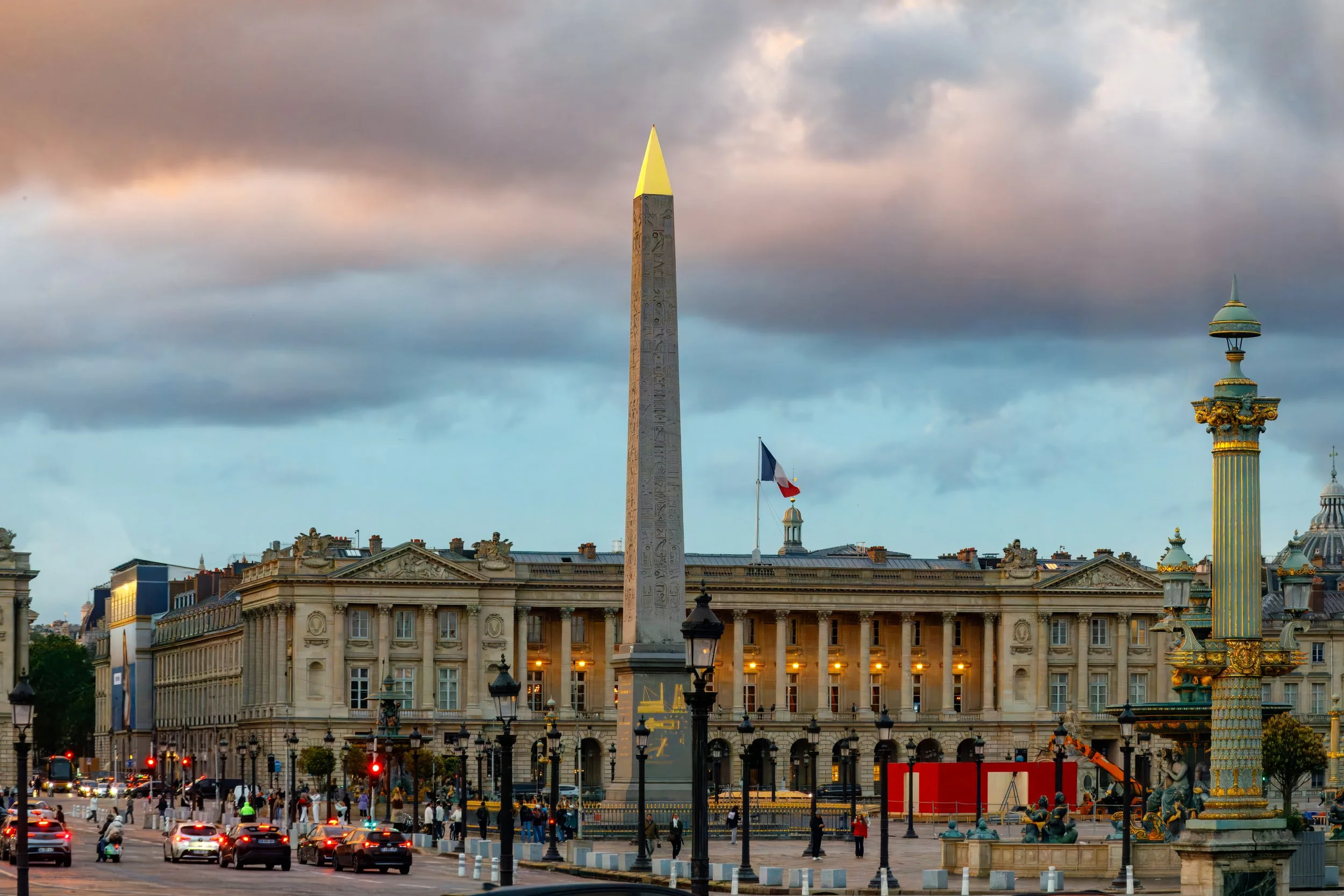
Now at Luxor Obelisk in Place de la Concorde, very different than our last visit, which featured temporary stadium construction, just before the Olympics
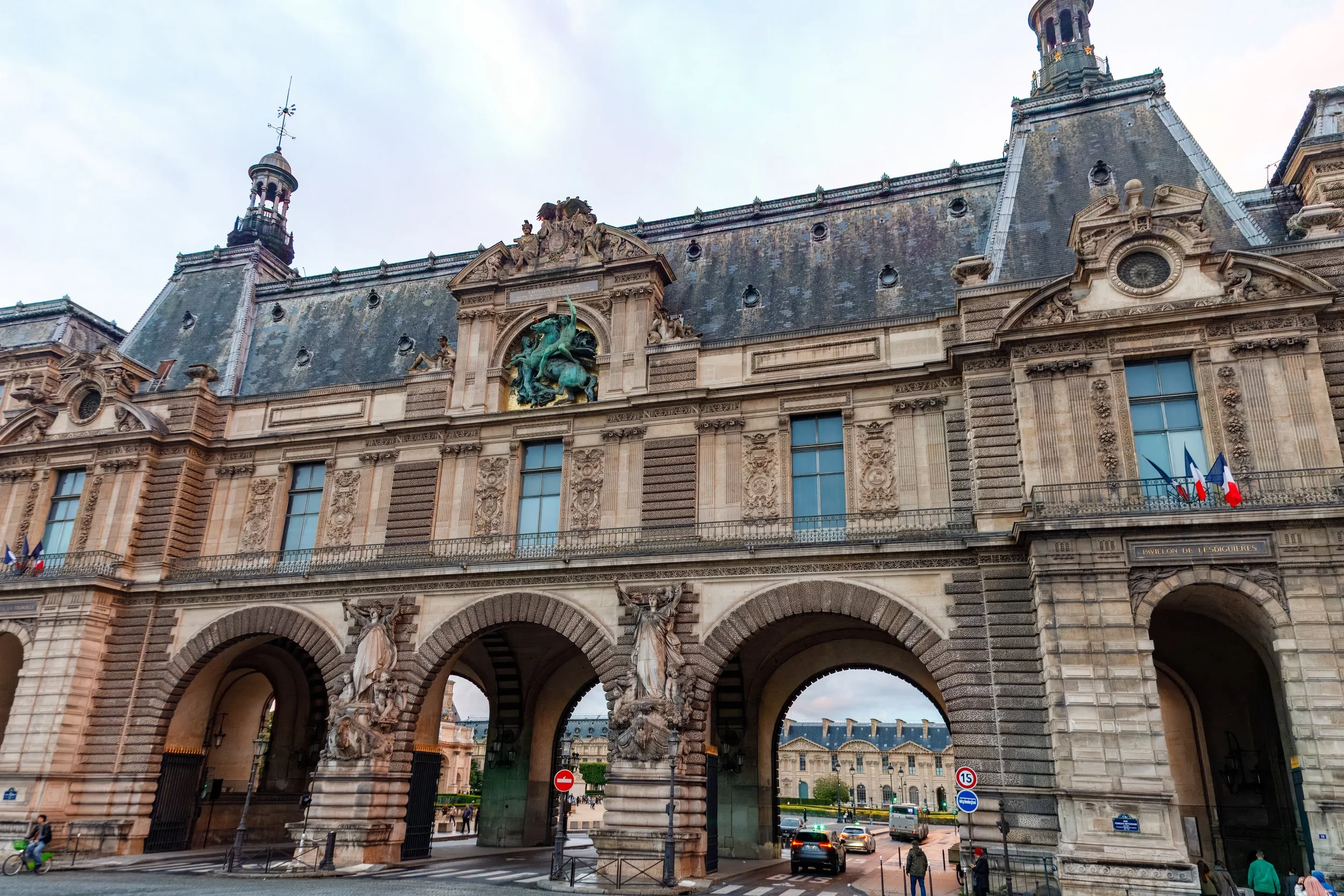
Grand arched gateway along the south wing of the Louvre Palace
Back at the Pyramid, next to our hotel, just before the sun is completely gone
Paris always inspires us to walk more than almost anywhere else, as there is so much to see. When we made it back to the hotel, we were ready to collapse for the evening.
May 16
After breakfast, we headed back to the airport to pick up our rental car for our drive to Reims. Unfortunately, Alamo had other plans for the car we rented, and decided that there were not enough cars to honour most of their reservations. The agent had no empathy, and sent away everyone that hadn’t prepaid with the suggestion to walk up to any of the competing companies nearby. Luckily, we had only a two-day rental, and were able to find a relatively economical option for an additional €100.
The Alamo customer service experience in Paris CDG
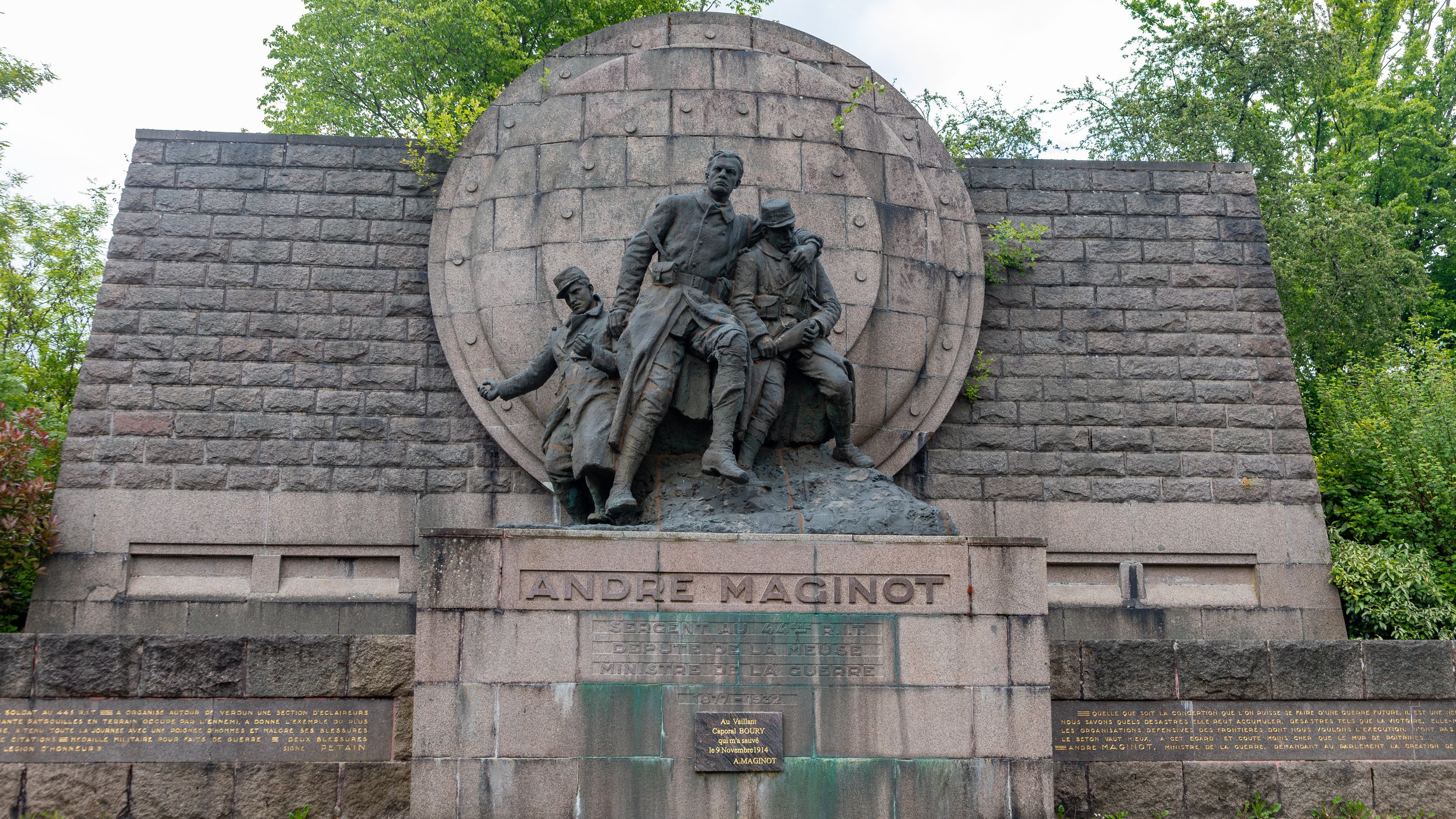
Monument to André Maginot, French soldier and politician, severely wounded near Verdun on November 9, 1914
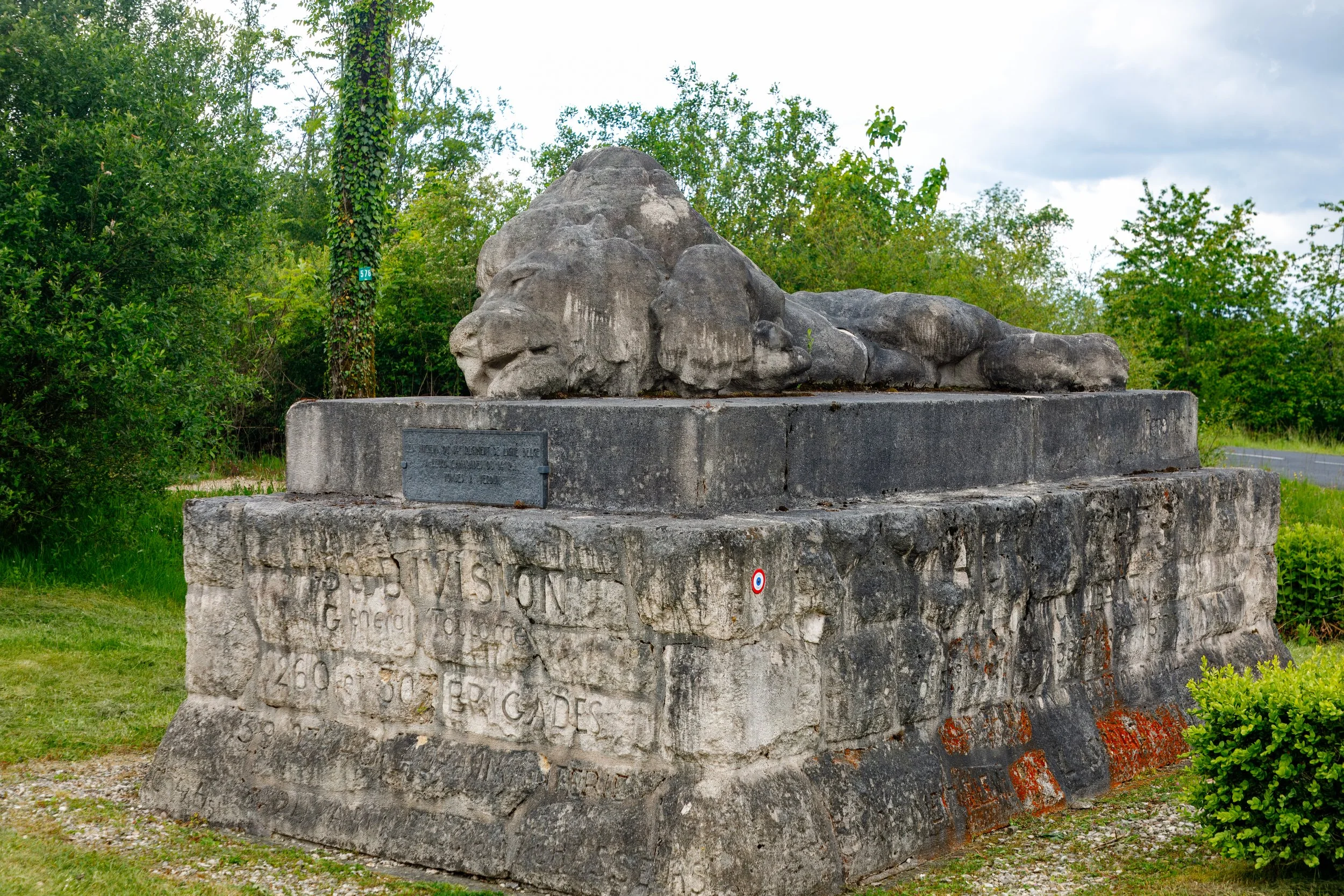
Lion of Souville, a World War I memorial near Fleury-devant-Douaumont on the Verdun battlefield
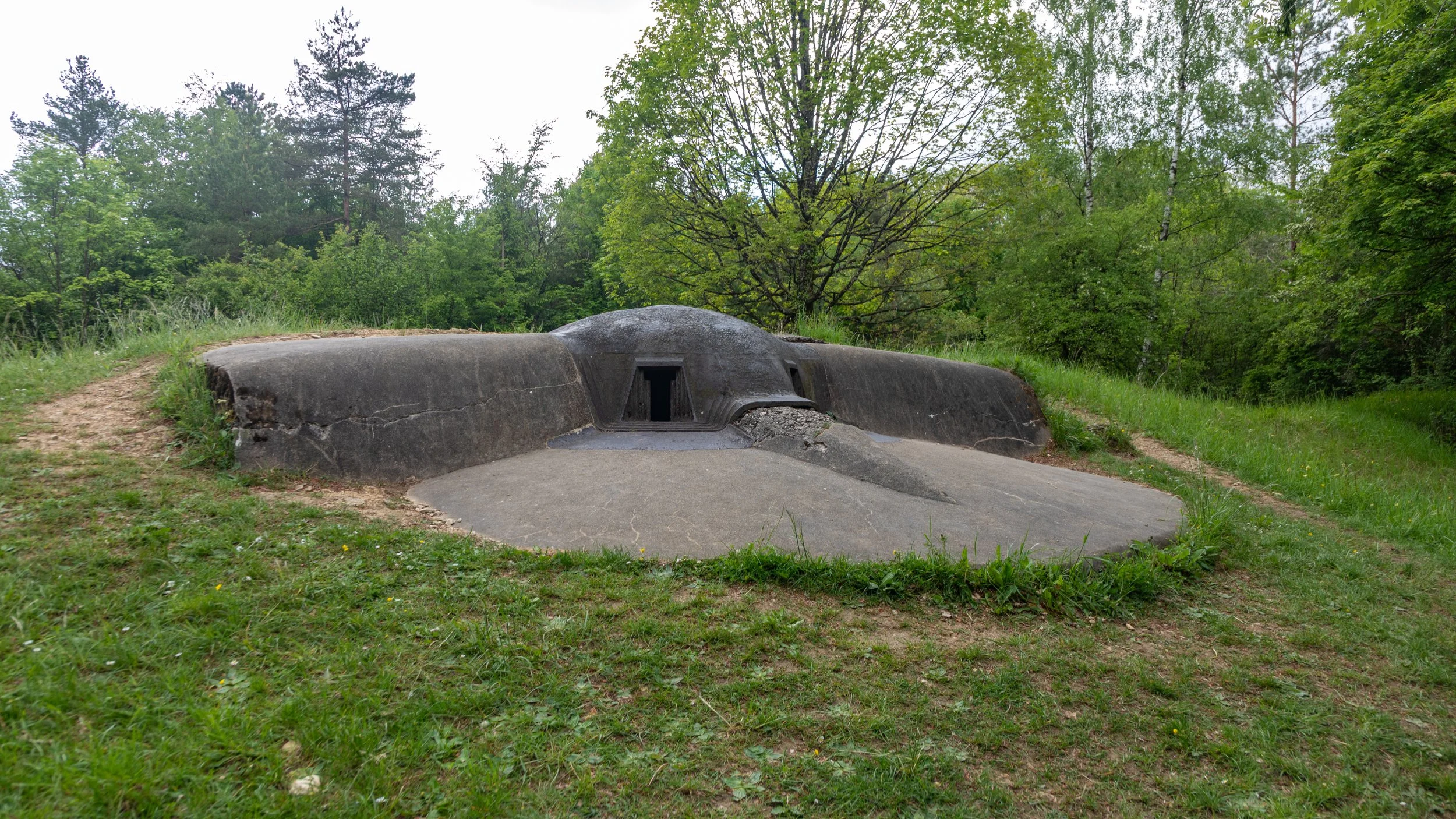
World War I reinforced machine gun bunker at Fort de Souville
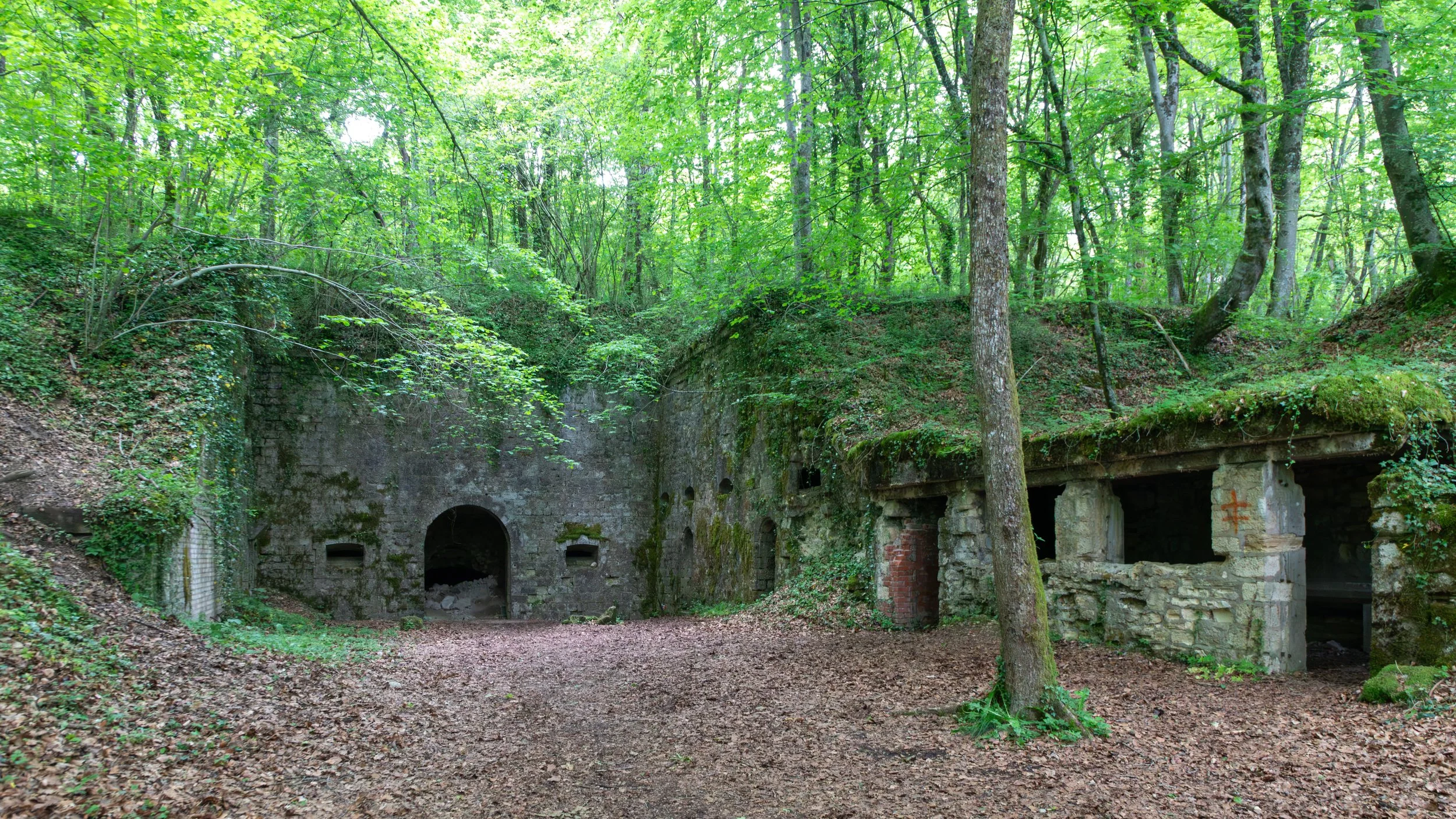
Ruins of Fort de Souville, built into the hillside
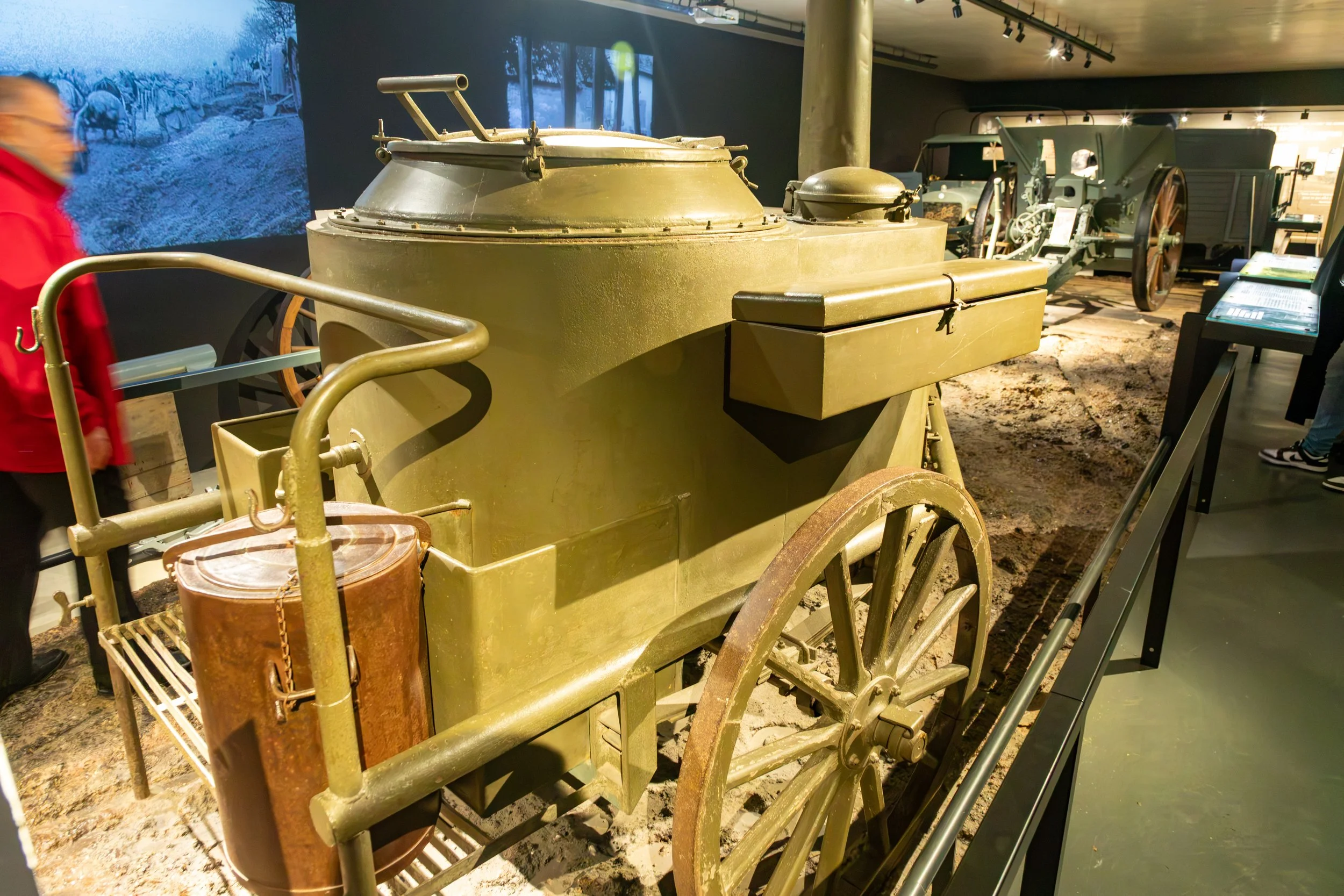
World War I–era mobile field kitchen at Verdun Memorial
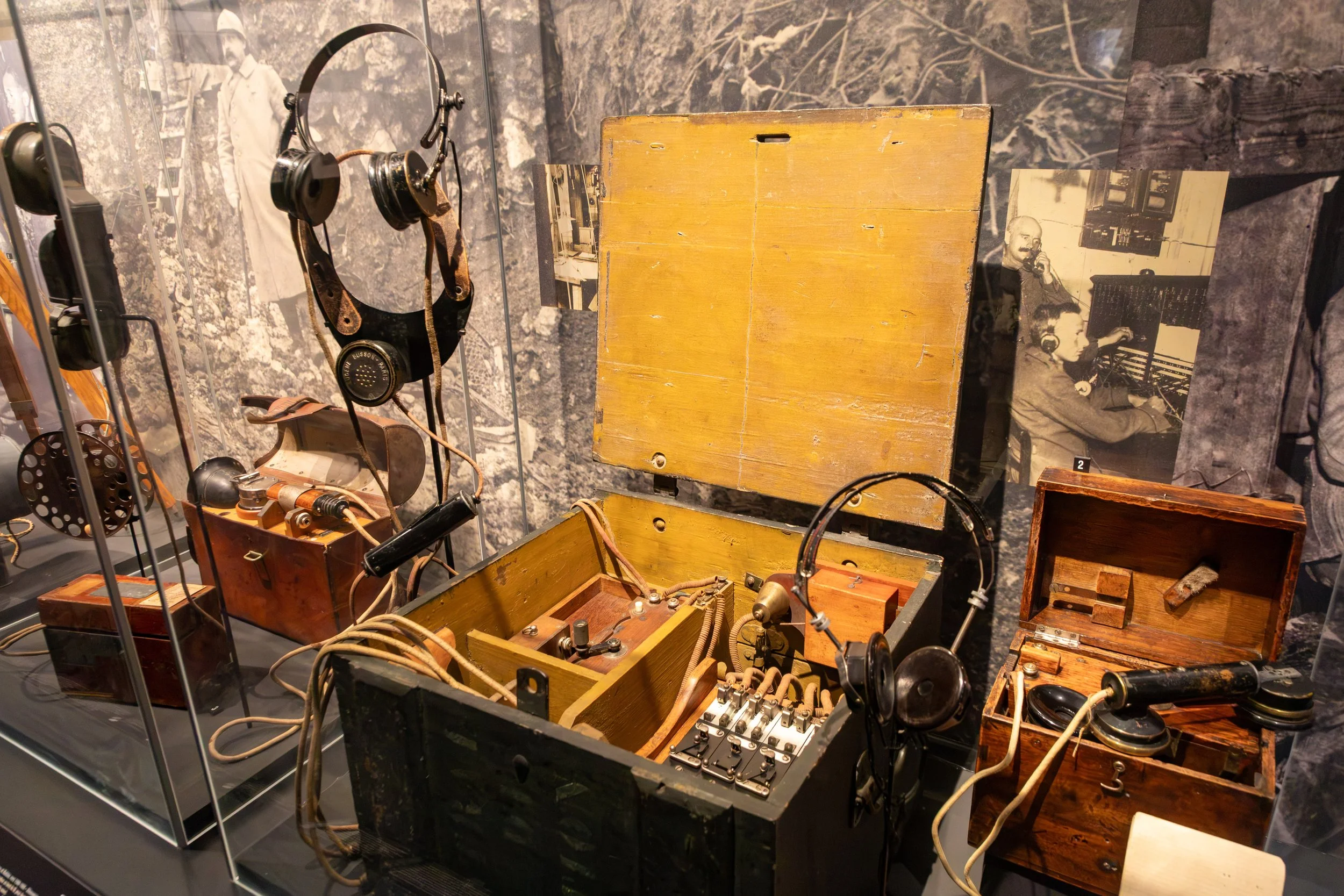
WWI radio equipment
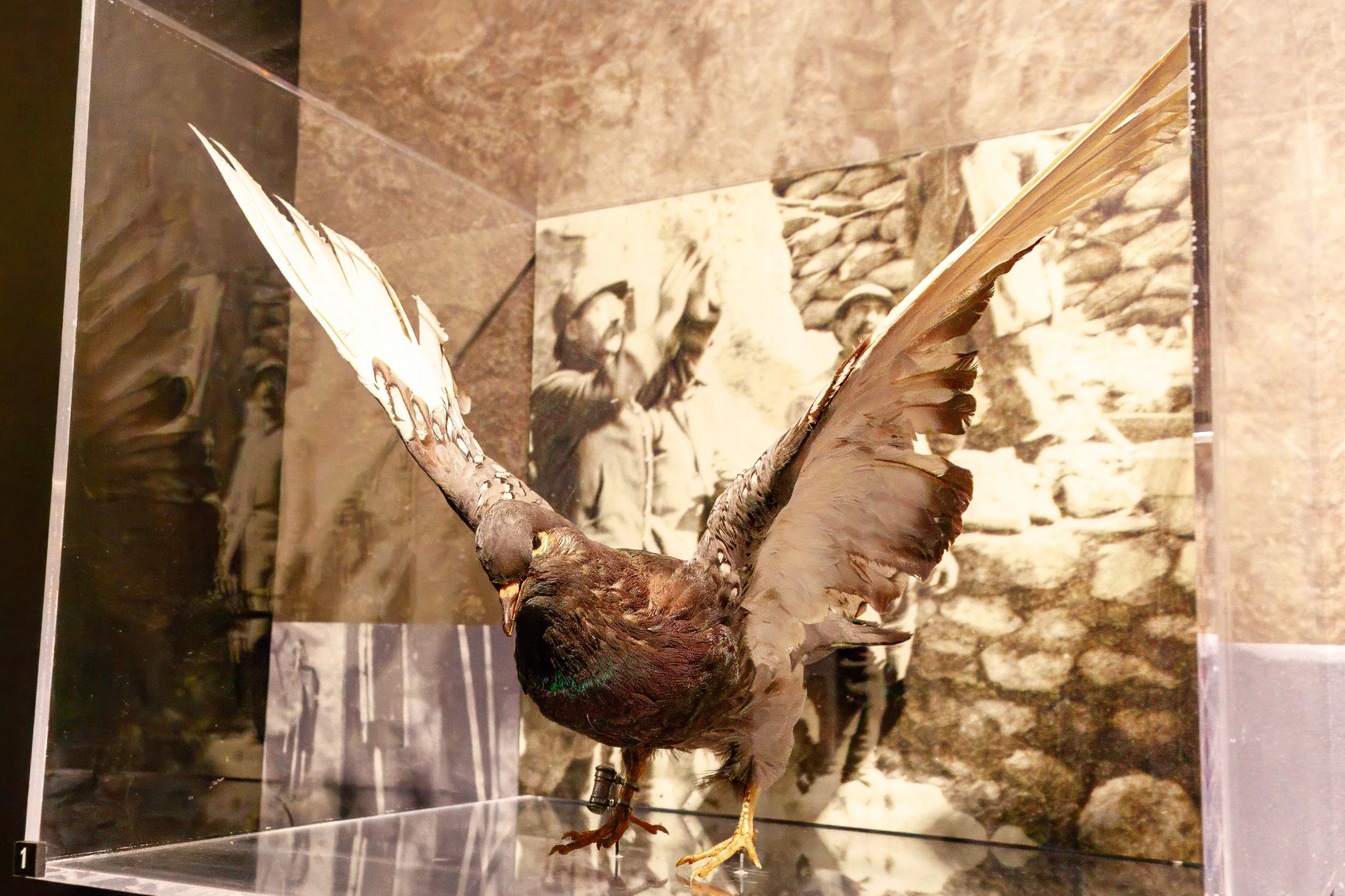
Mounted carrier pigeon in exhibit to WWI military communications
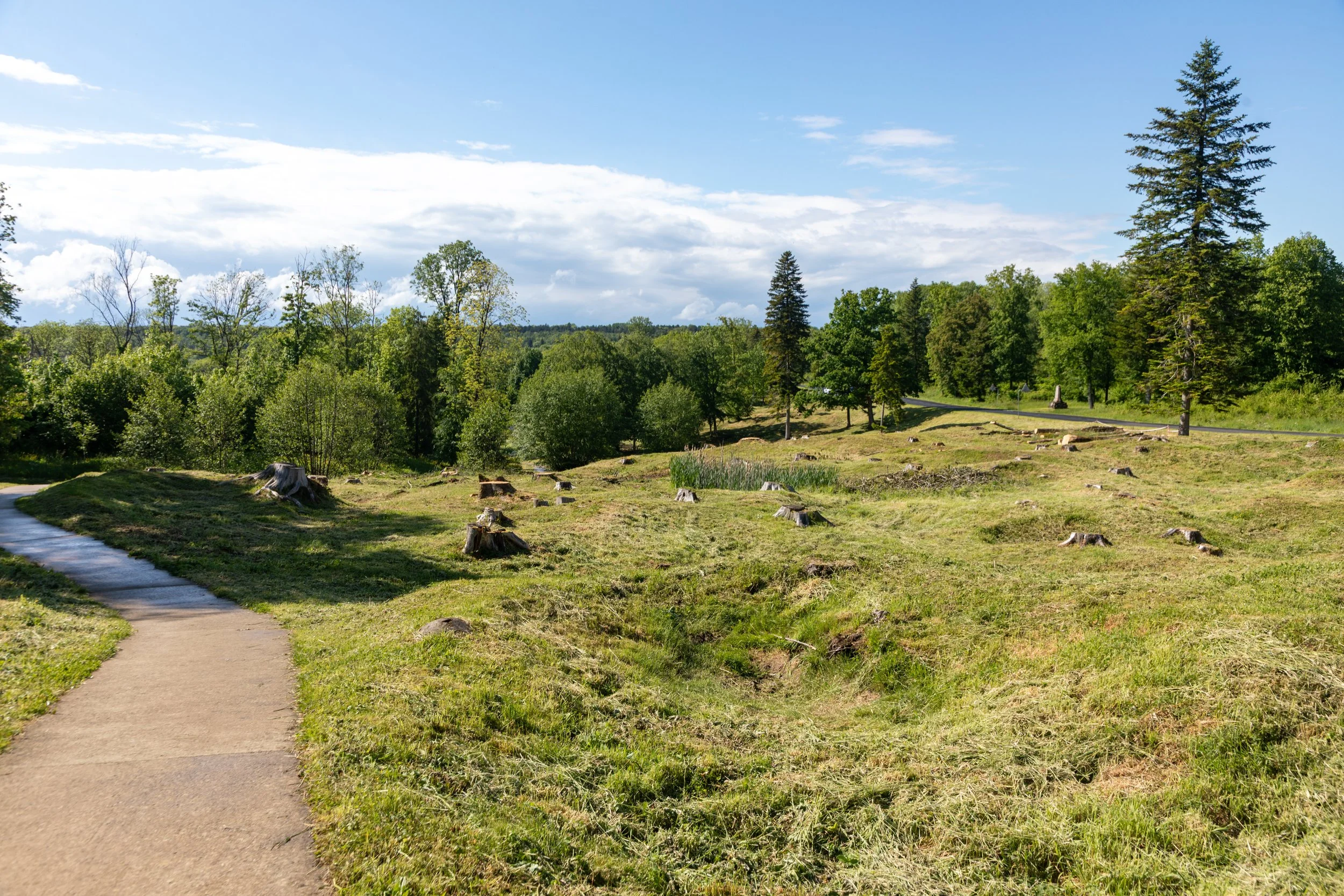
Village remains of Fleury-devant-Douaumont, destroyed in the battle of Verdun
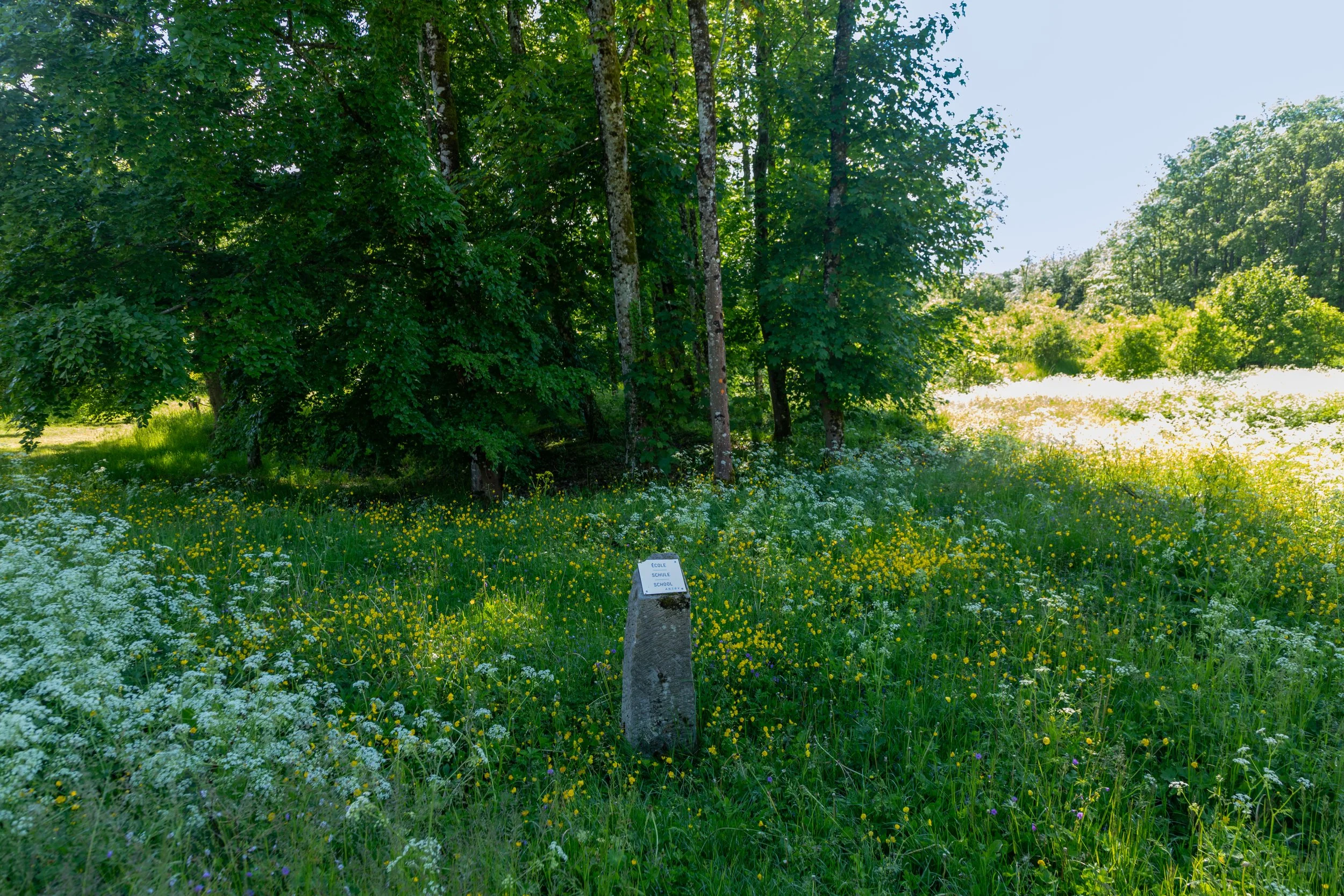
Marker where school used to stand
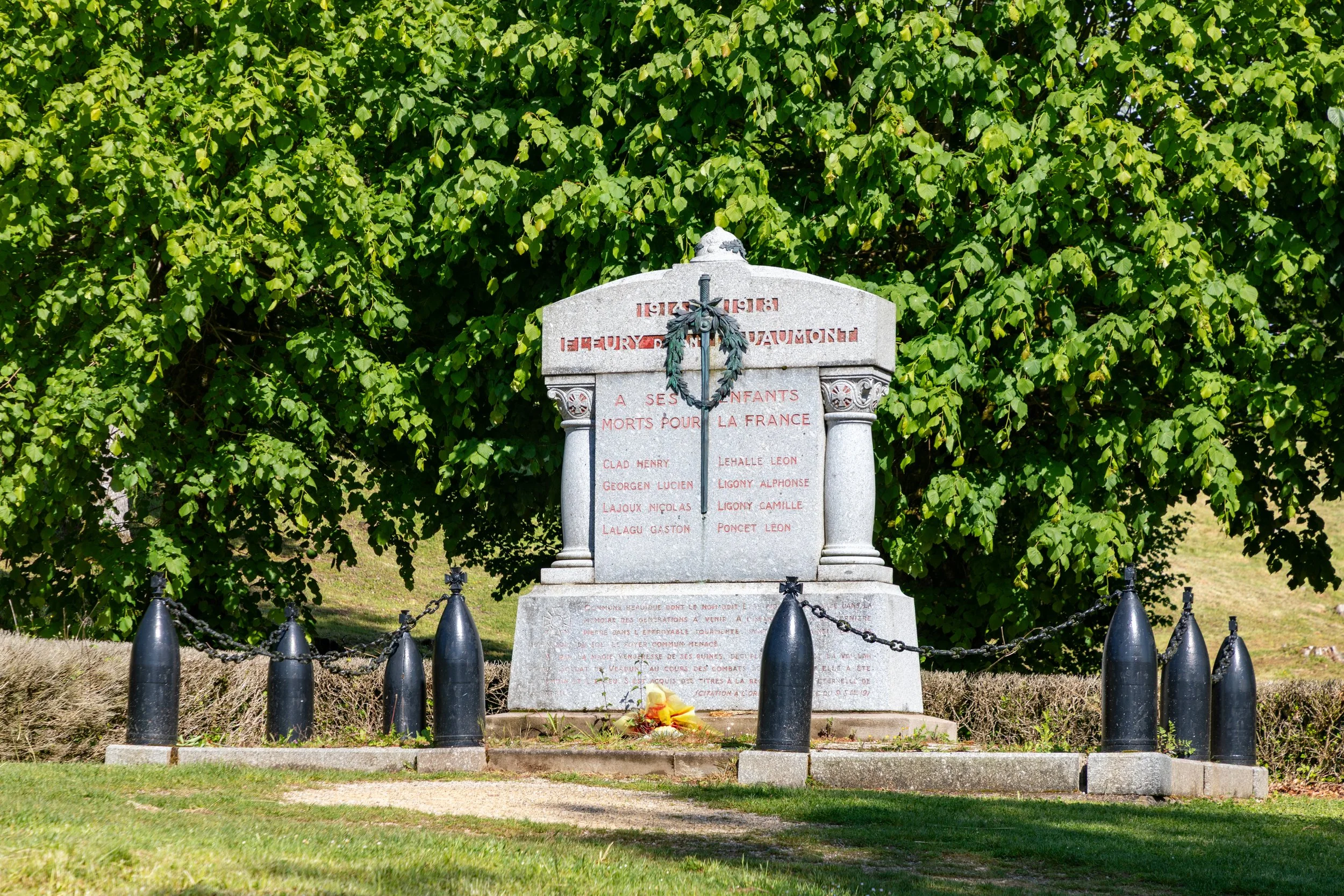
War Memorial of Fleury-devant-Douaumont
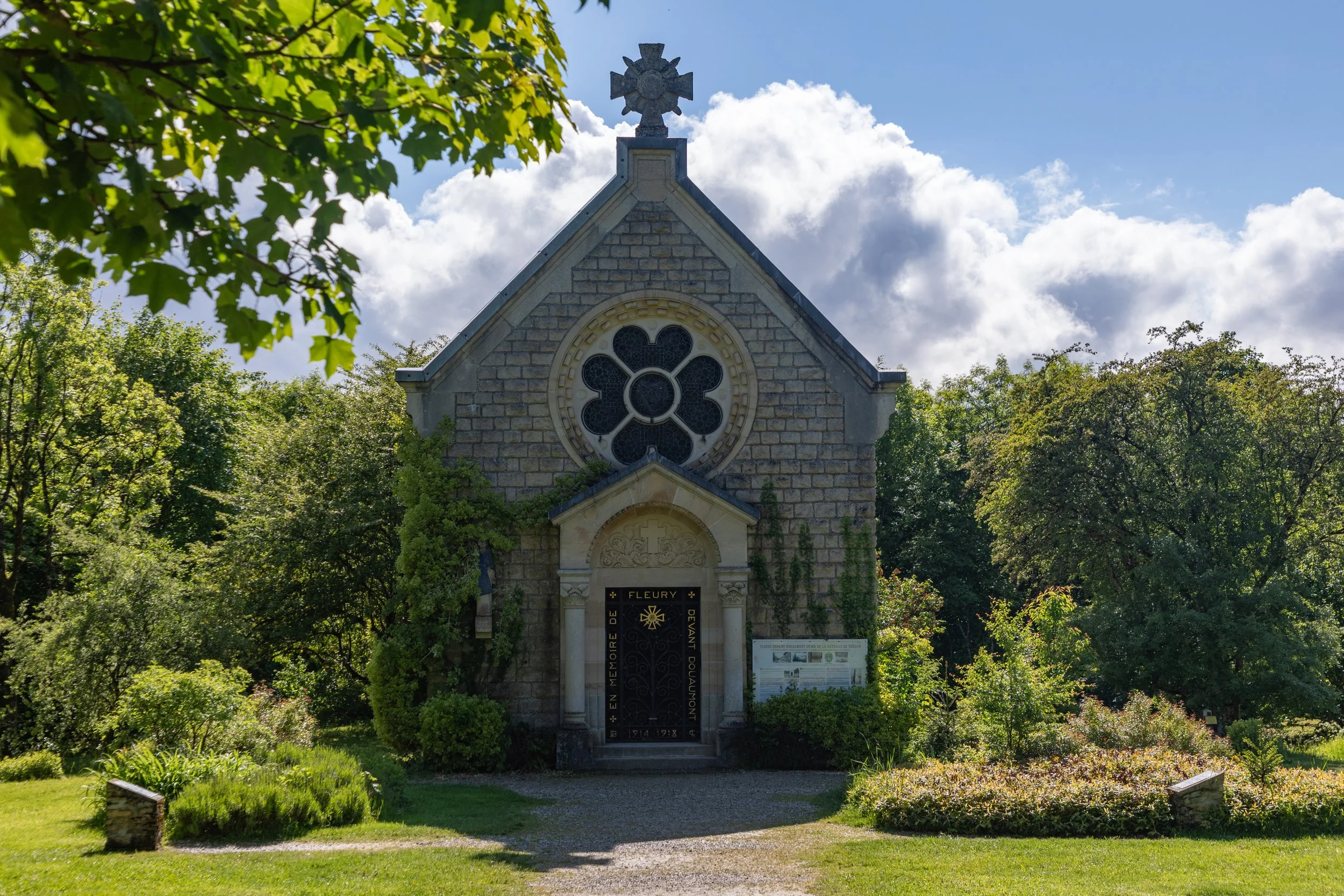
Chapelle Notre-Dame-de-l'Europe, a stone chapel built to commemorate the town, one of 9 villages destroyed in the Verdun battle
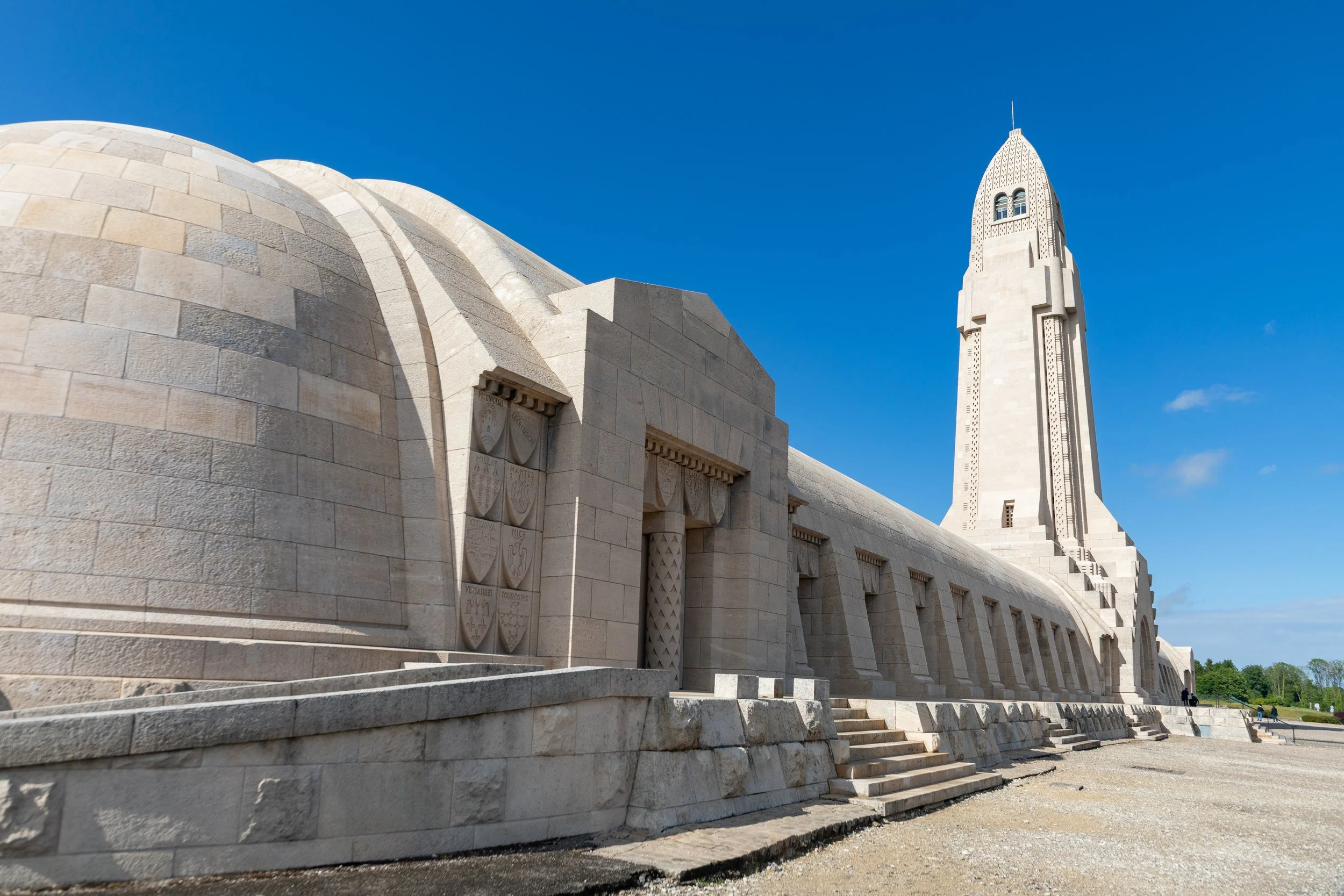
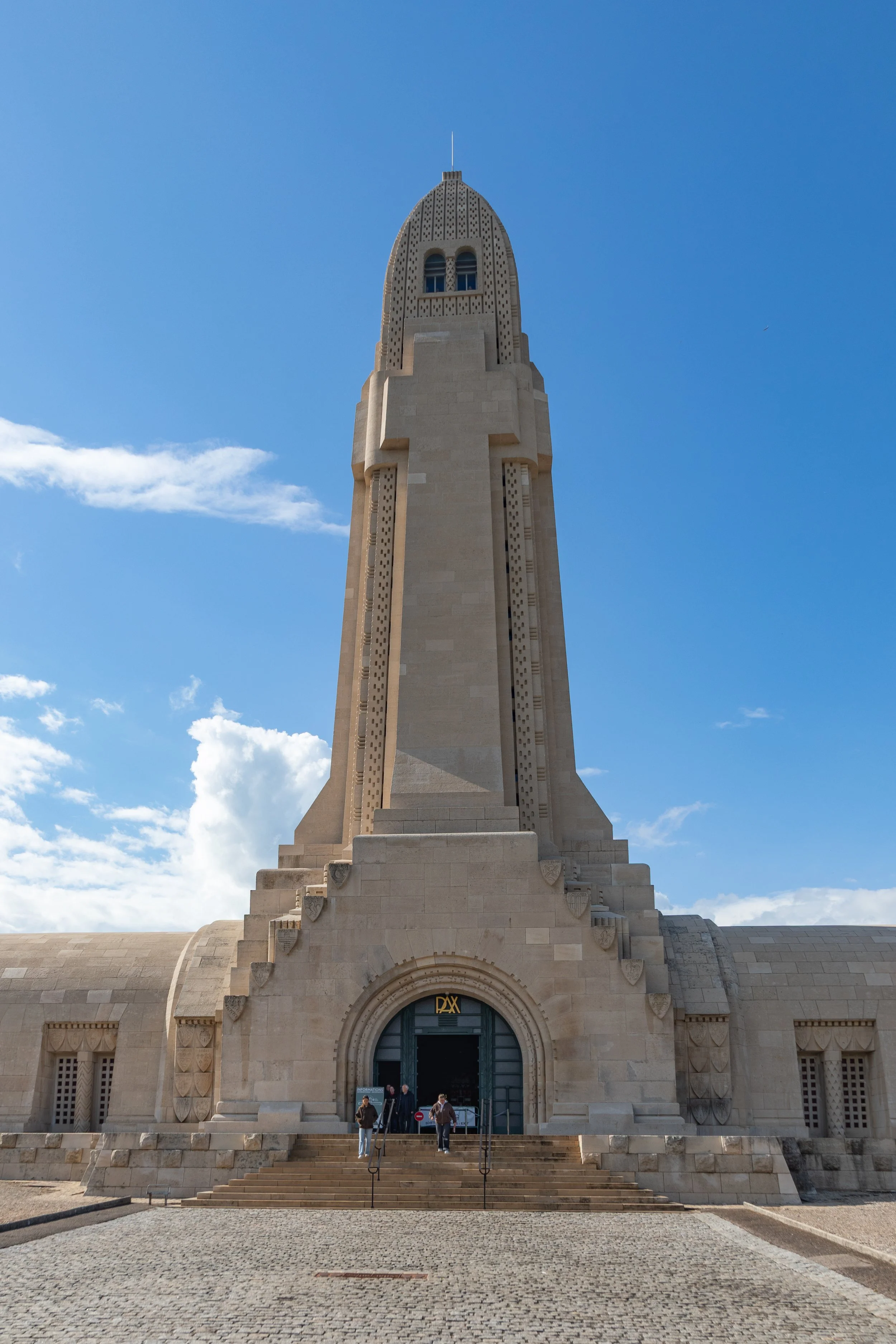
The Douaumont Ossuary memorial contains soldiers’ remains and honors the soldiers who died during the 1916 Battle of Verdun
The ossuary’s entrance and tower. The Douaumont Ossuary memorial houses the skeletal remains of roughly 130,000 unidentified French and German soldiers
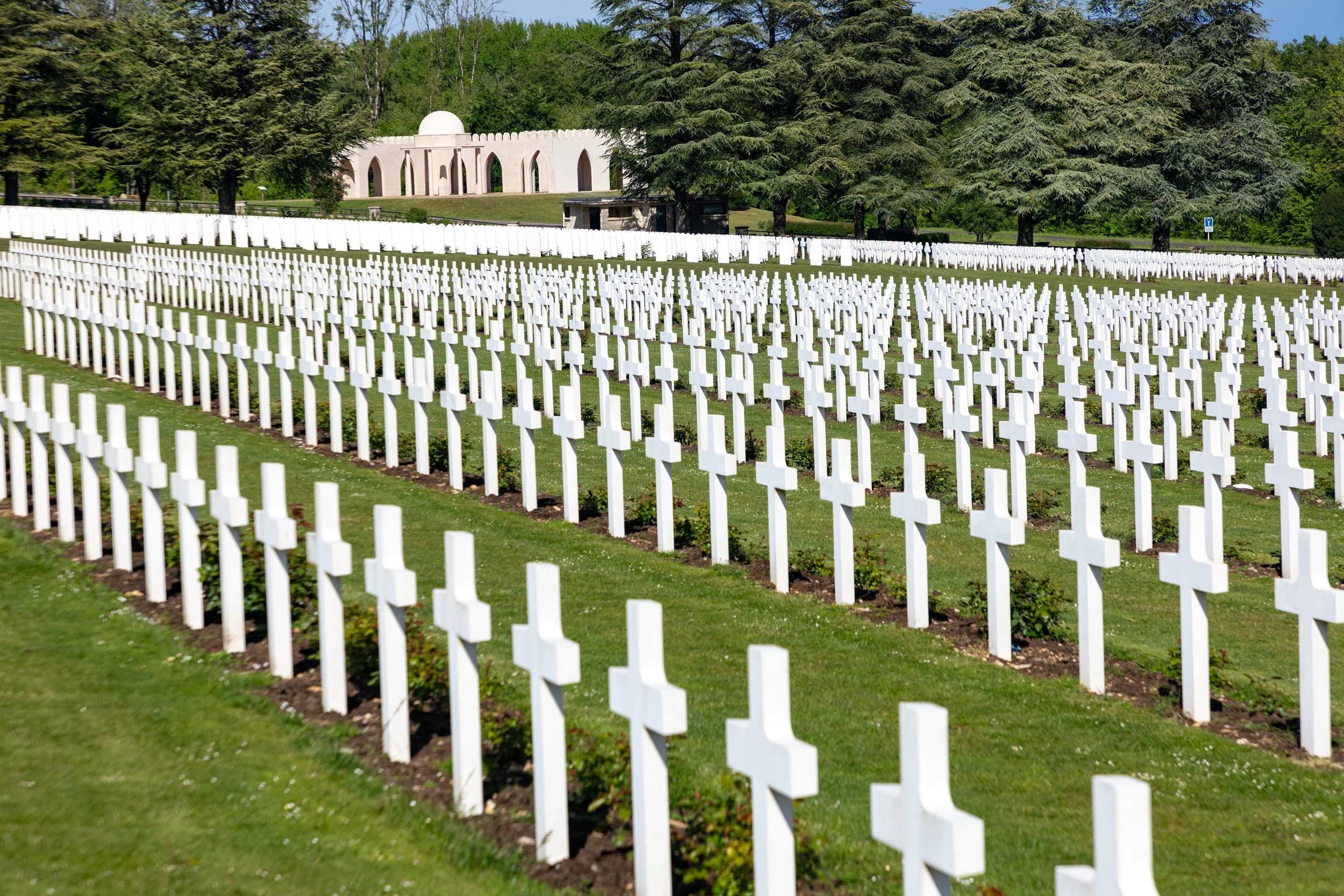
National cemetery at the same site holds over 16,000 individual graves (marked primarily by white crosses),
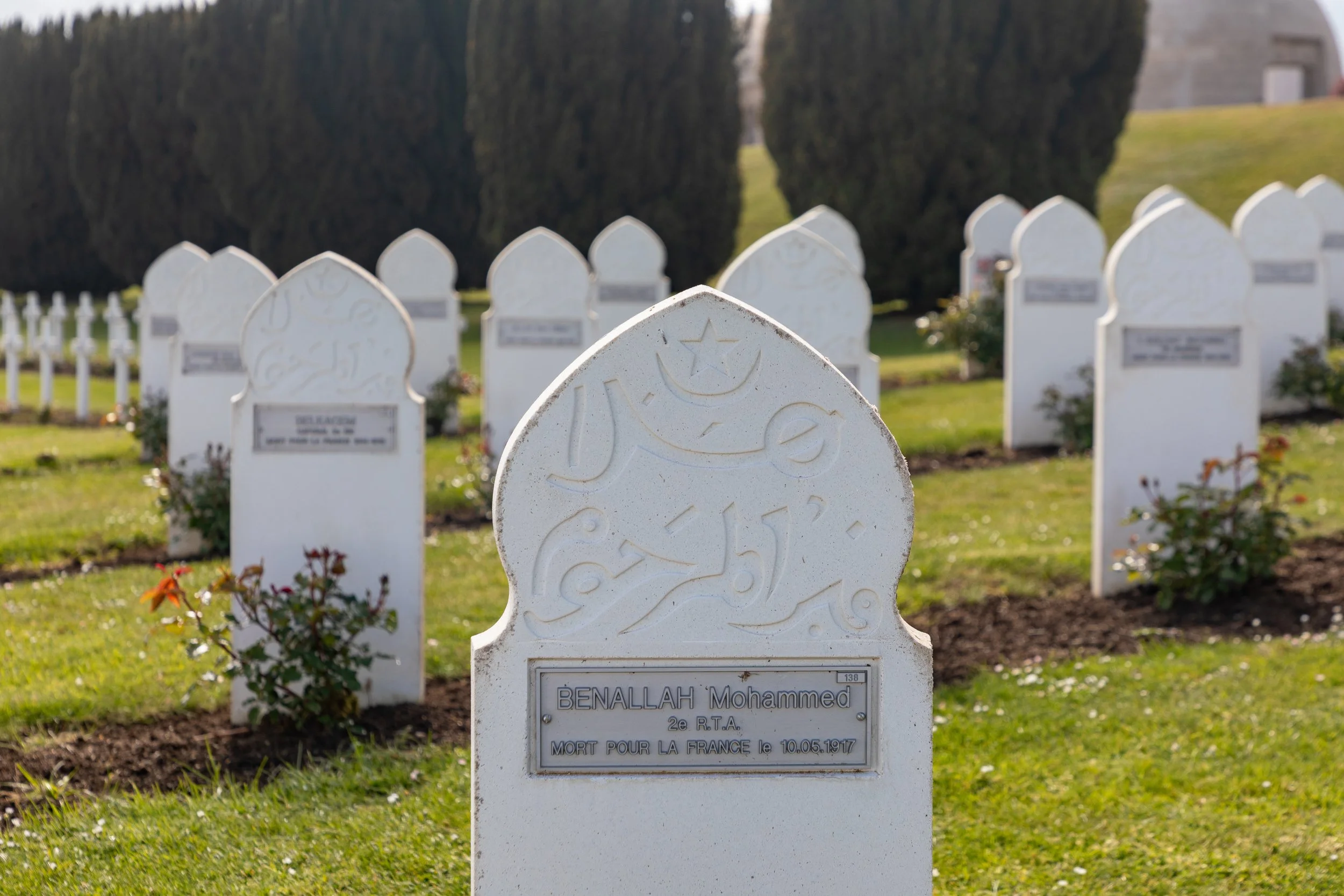
In addition to the crosses, arched headstones mark the graves of Muslim soldiers in the military war cemetery.
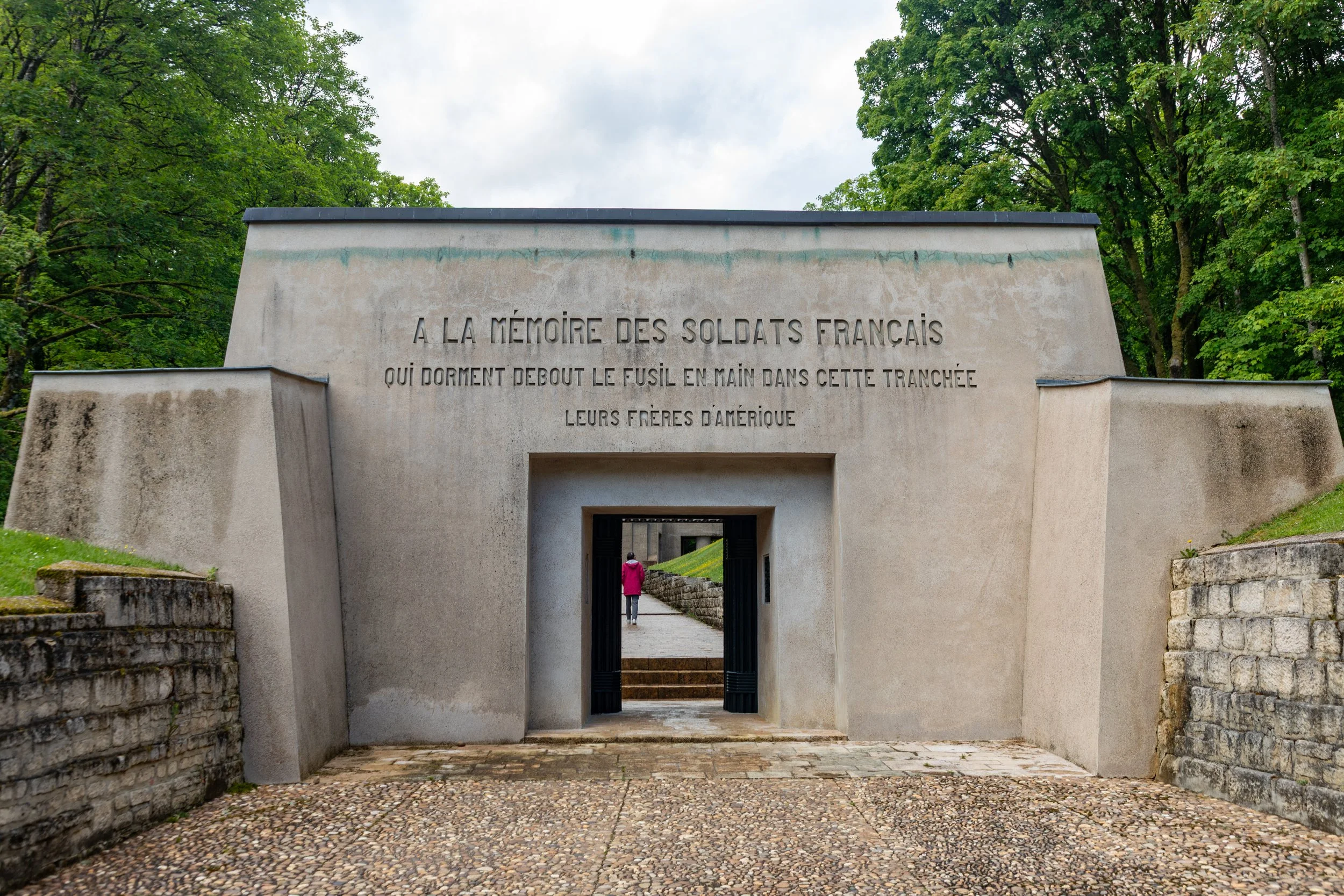
The Bayonet Trench 1920 WWI memorial
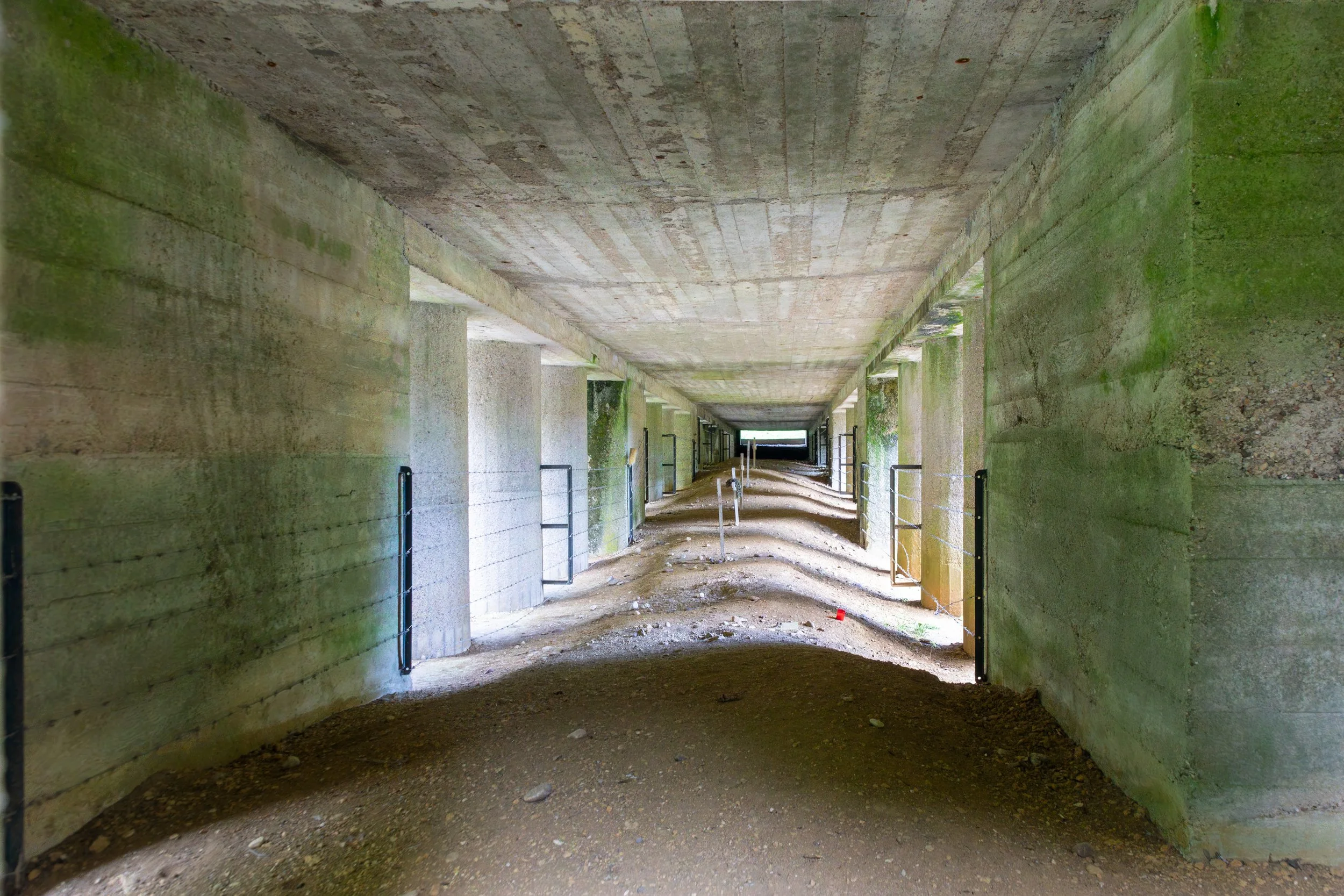
In the interior of the memorial, a long concrete gallery shelters the graves of French soldiers
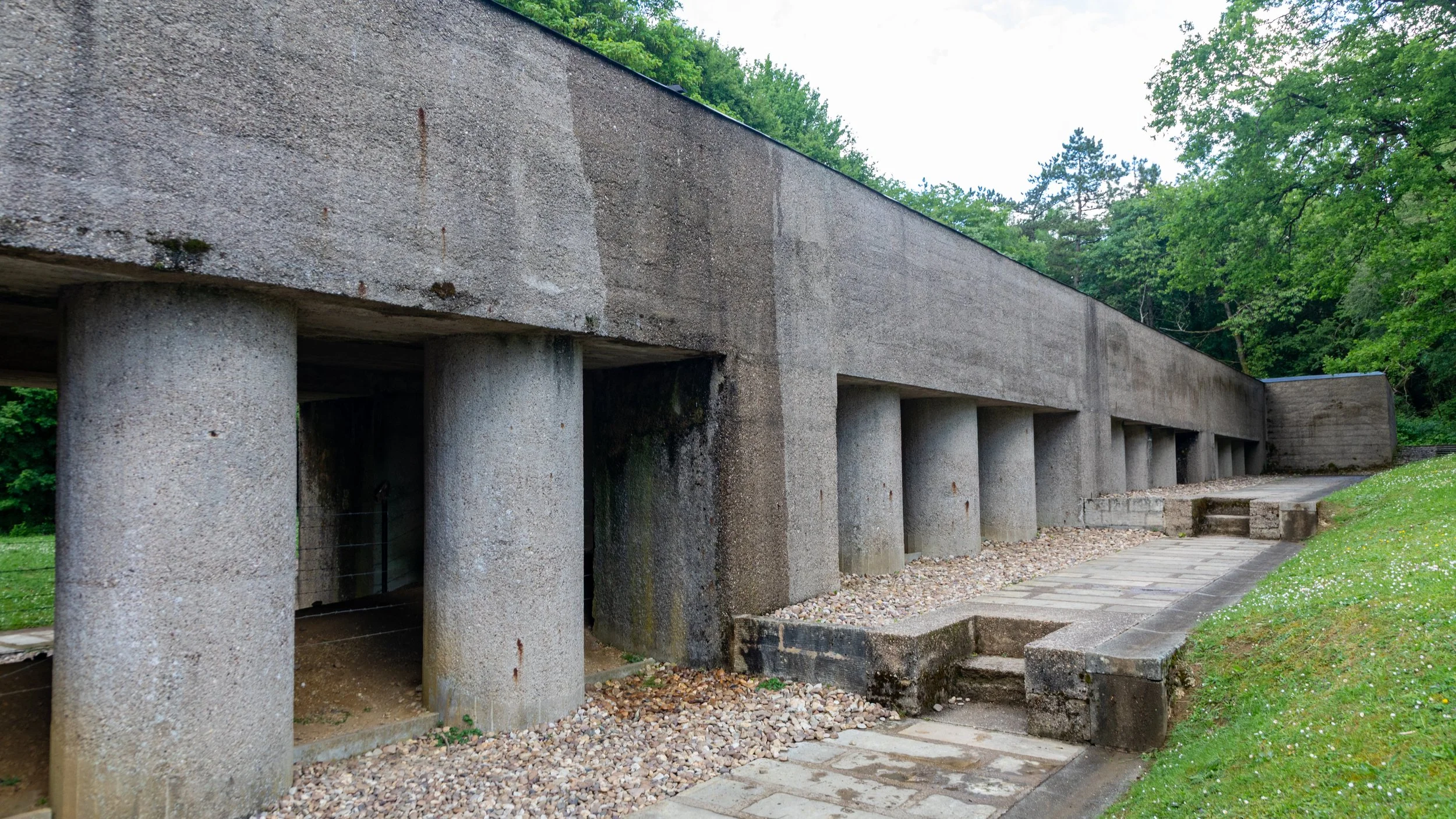
Exterior view of memorial corridor
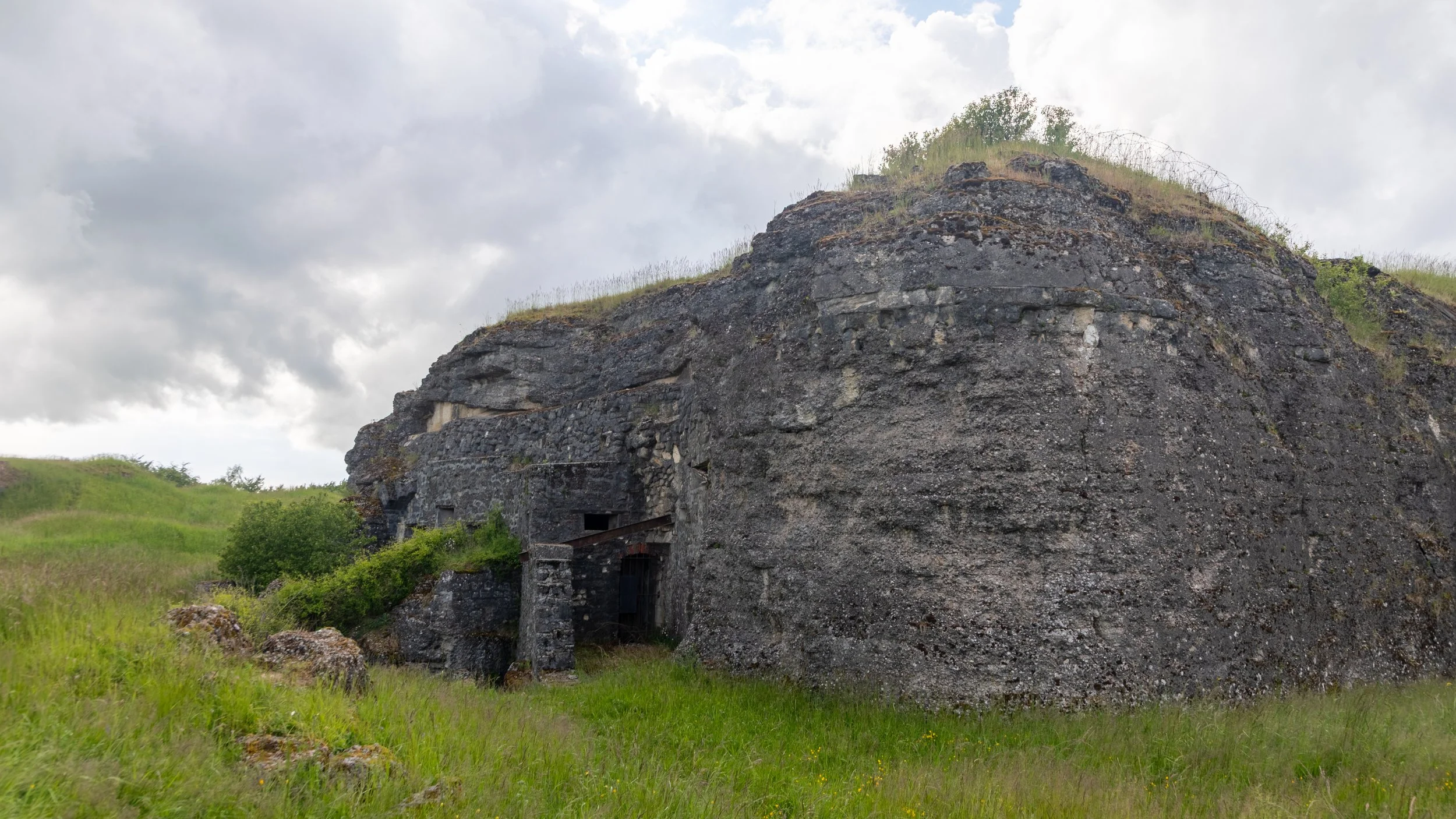
Fort Douaumont, a former French fortified stronghold heavily scarred by artillery during WWI
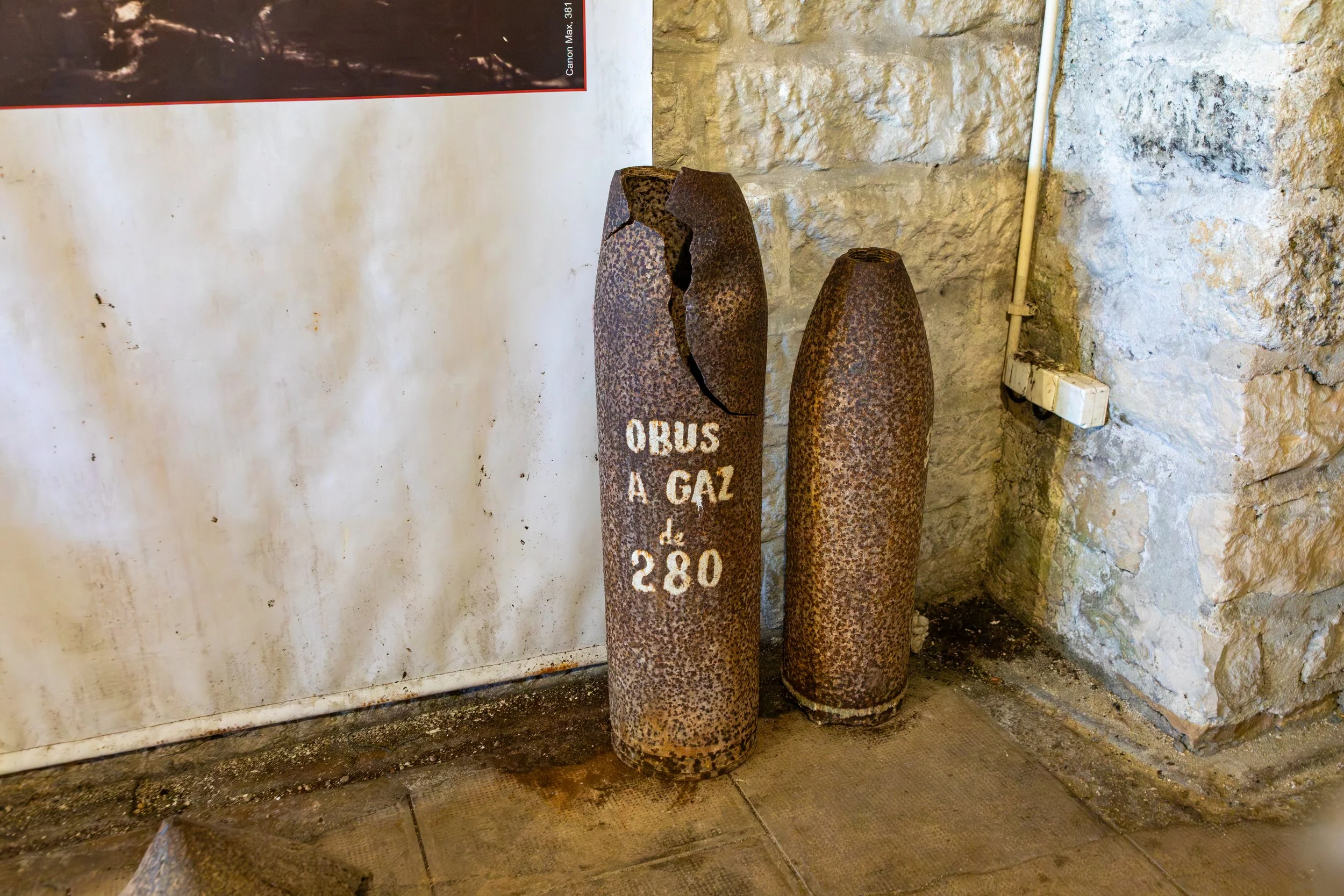
WWI artillery gas shells
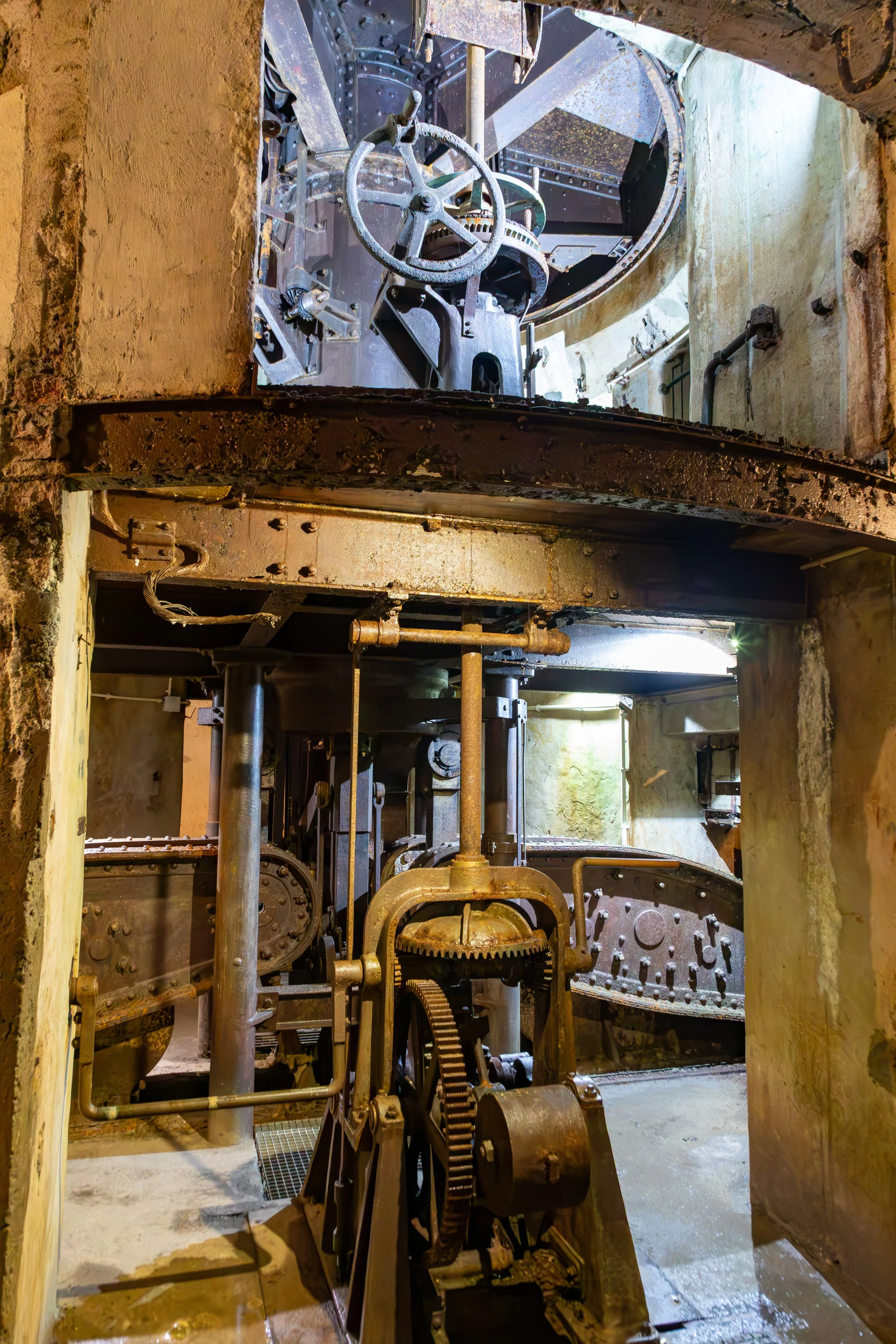
Lifting mechanism inside the gun turret at Fort Douaumont
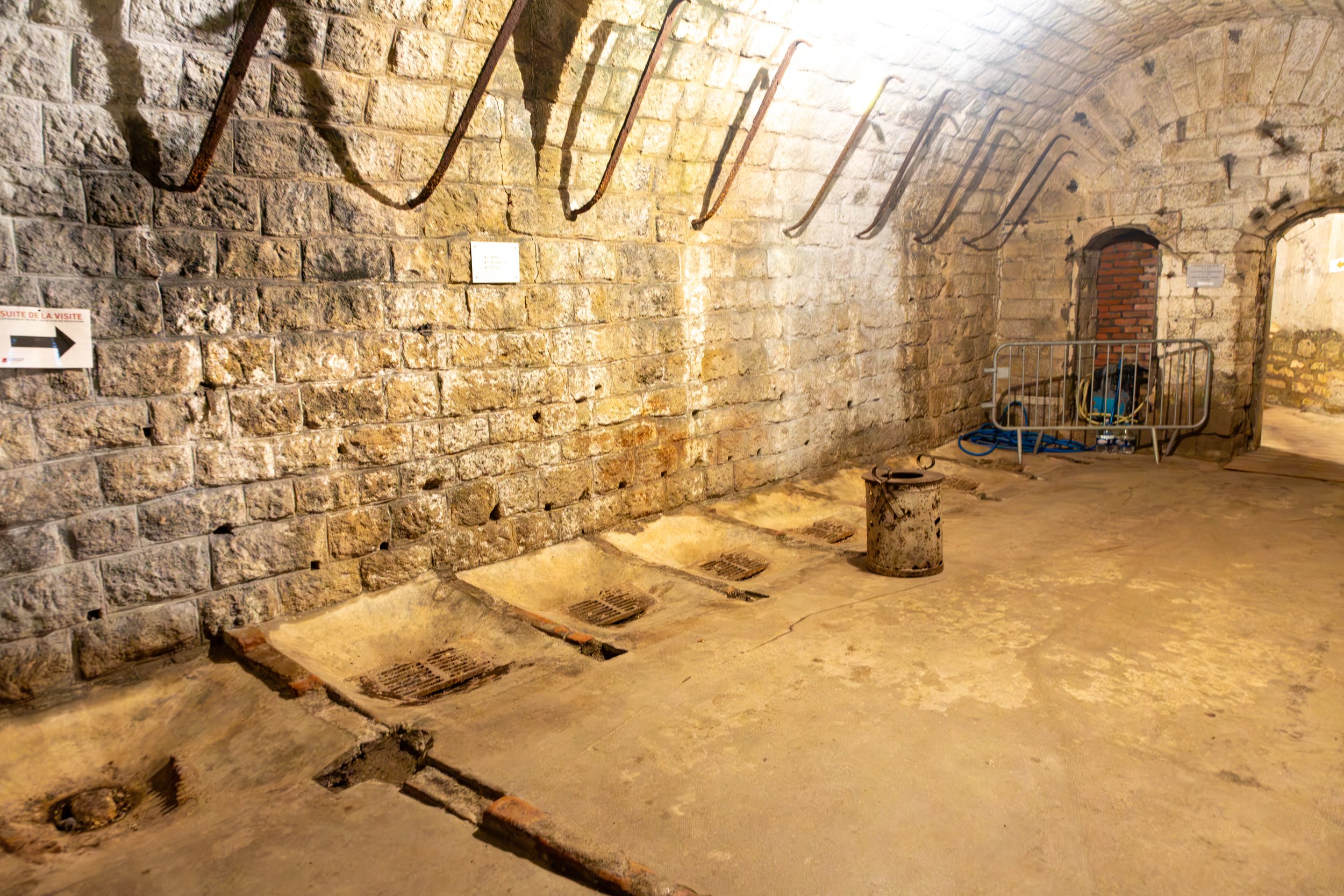
Military latrines inside the fort
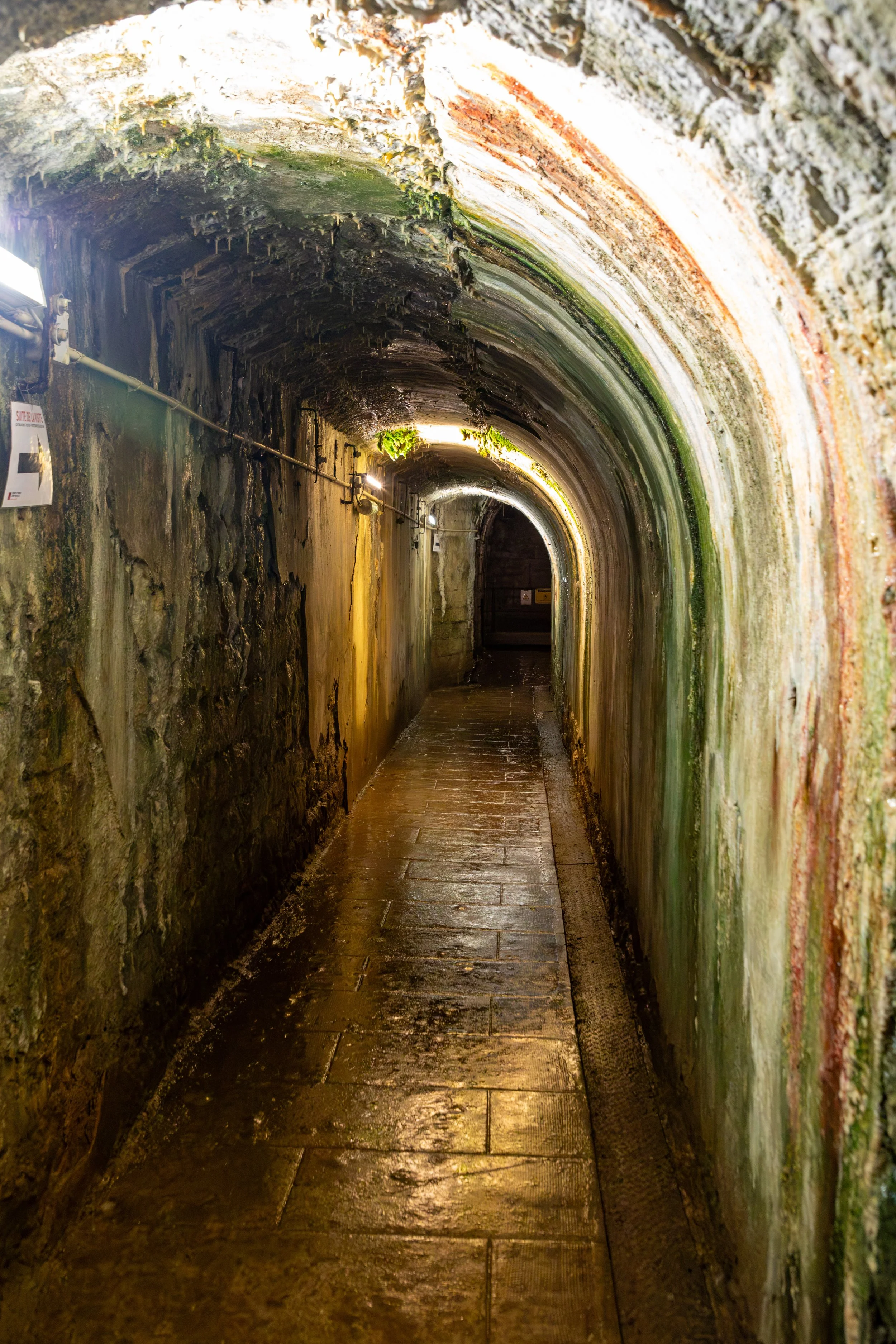
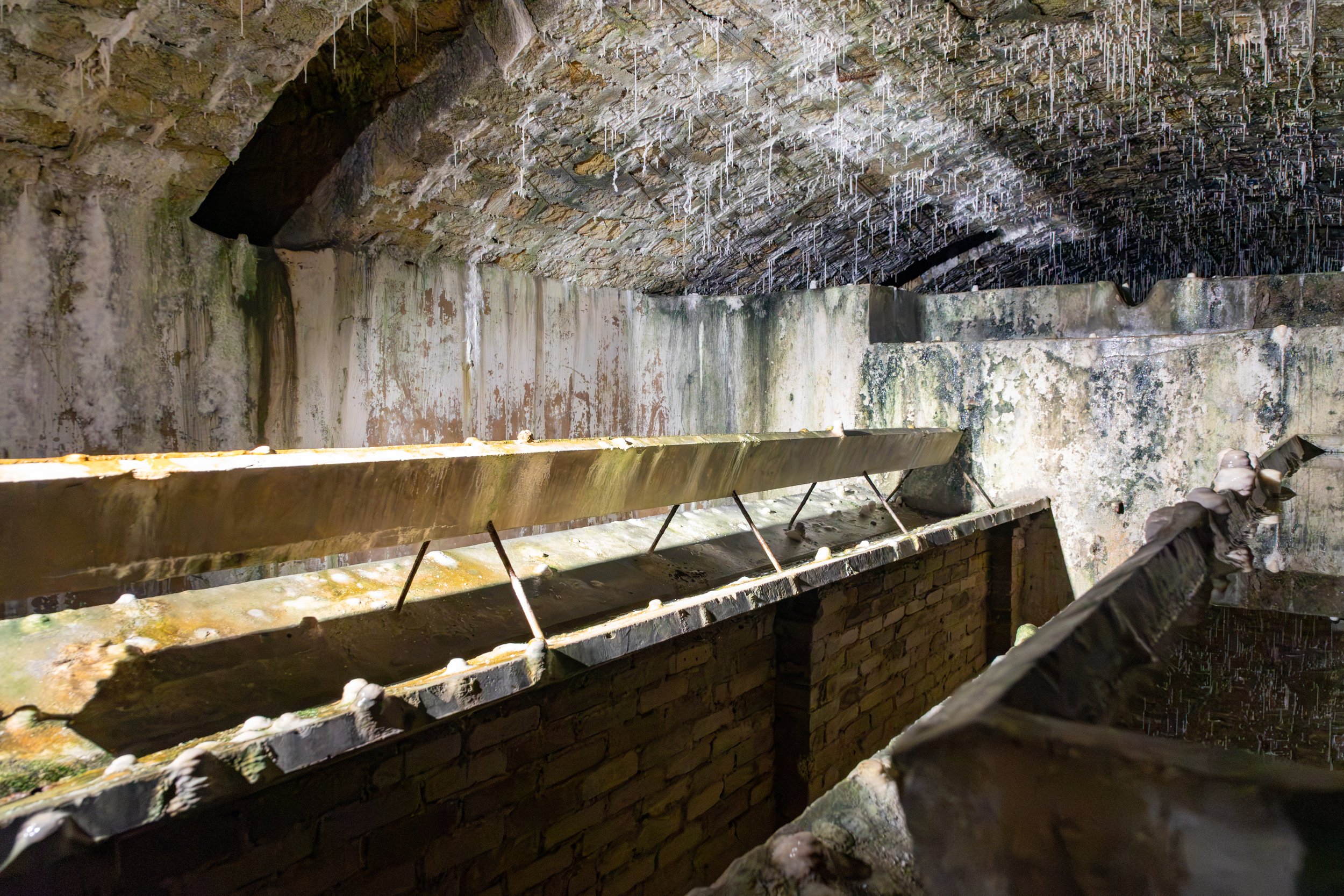
Calcified walls of the hallways connecting the massive under ground fortress
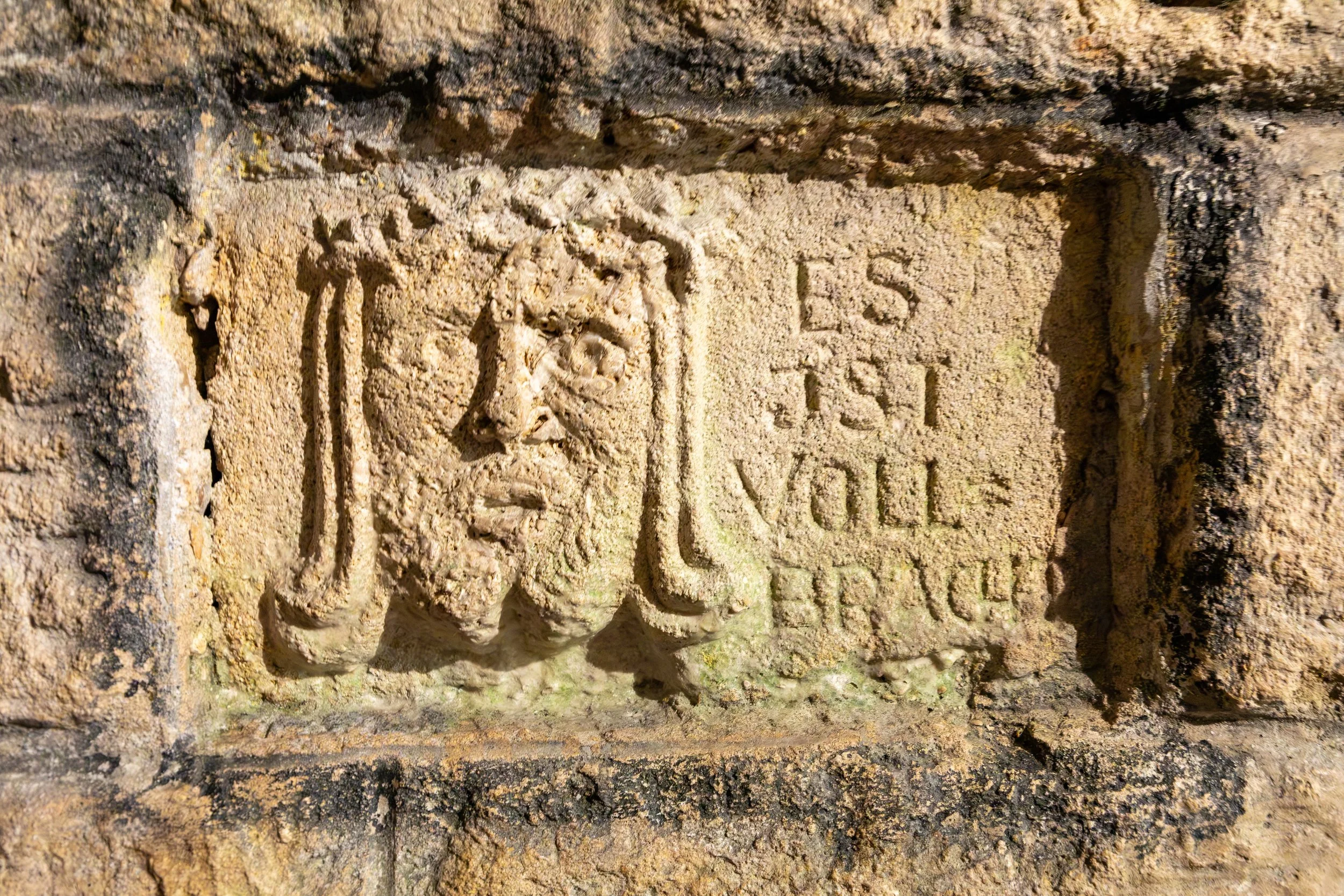
Stone relief carved by German occupiers featuring a bearded face wearing a crown of thorns alongside the German inscription meaning "It is finished"
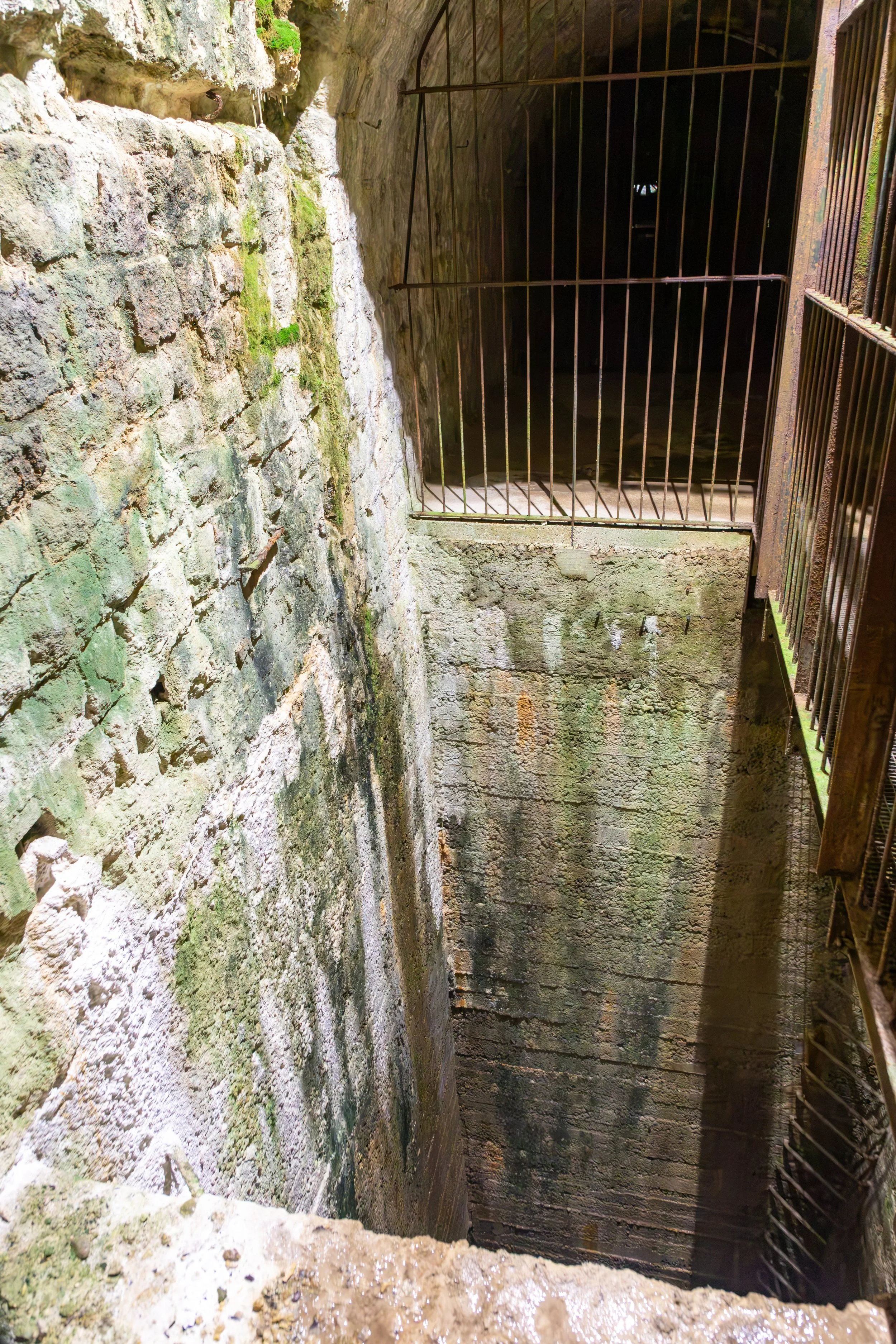
Shaft at the end of the corridor
Even though it is not a natural cave, the damp efflorescence is forming stalagmites and stalactites
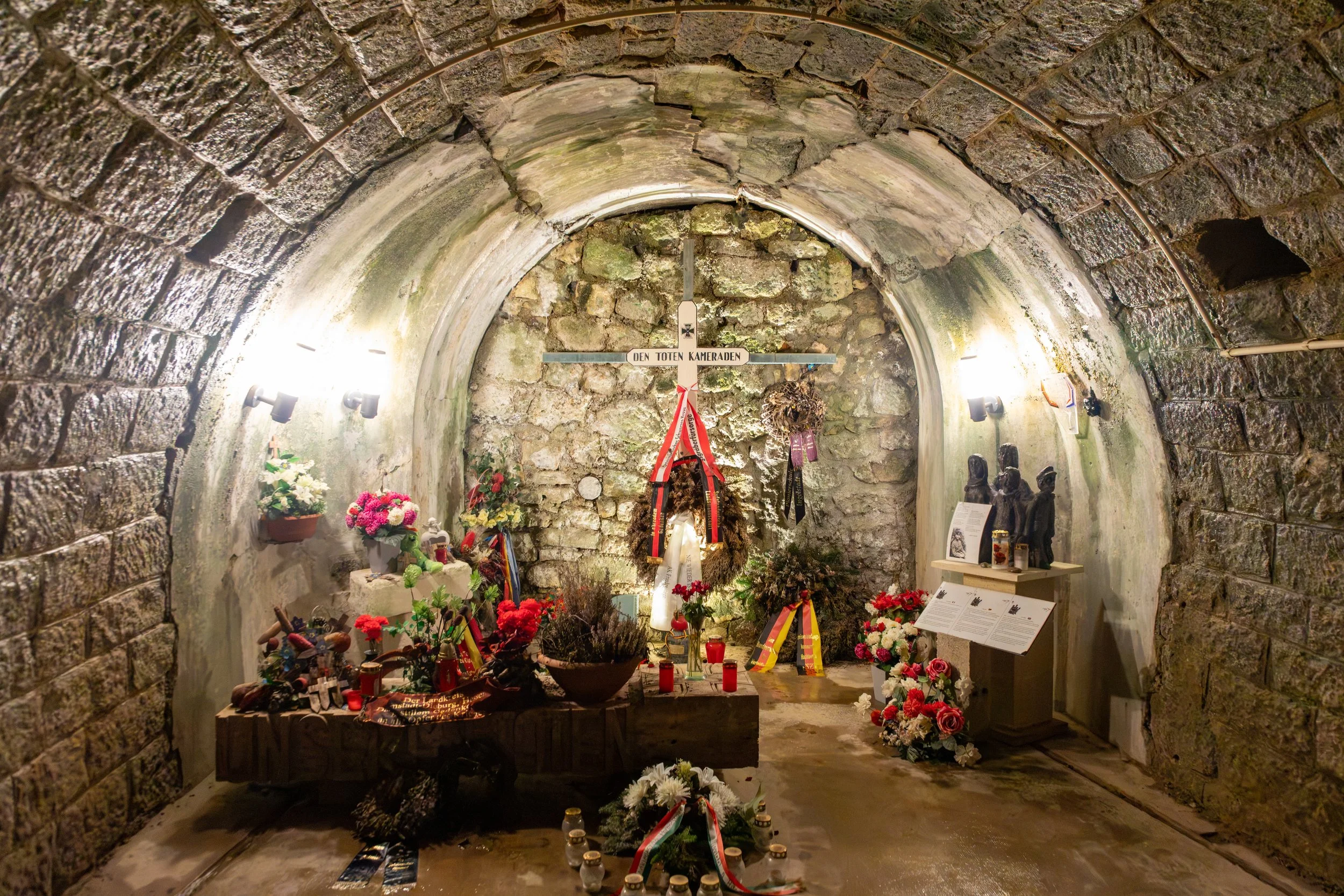
A German memorial chapel inside the fort honors over 400 German soldiers killed and buried inside the fortress during a massive munitions explosion on May 8, 1916
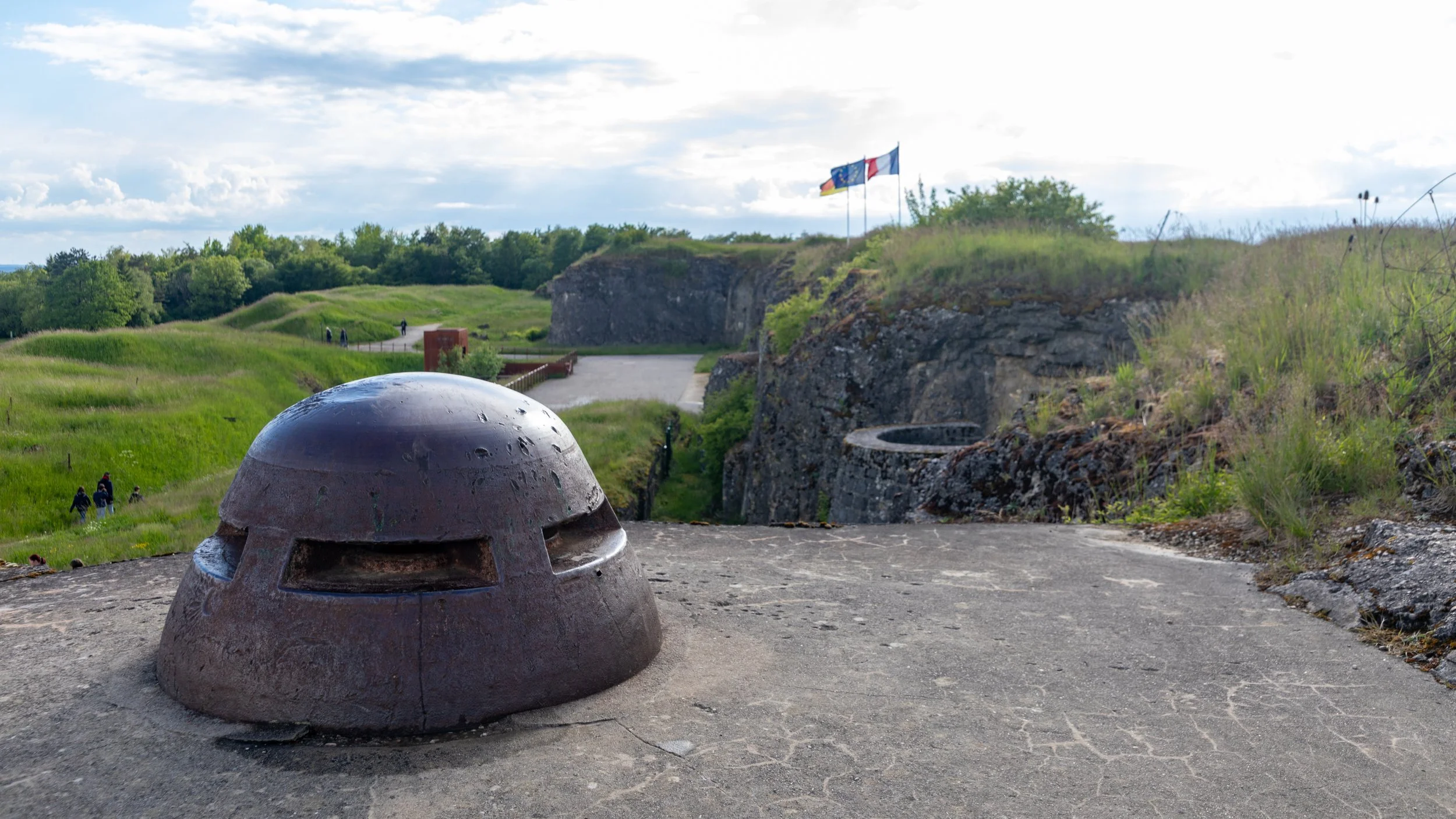
Top of the gun turret above the fort set into the hill below
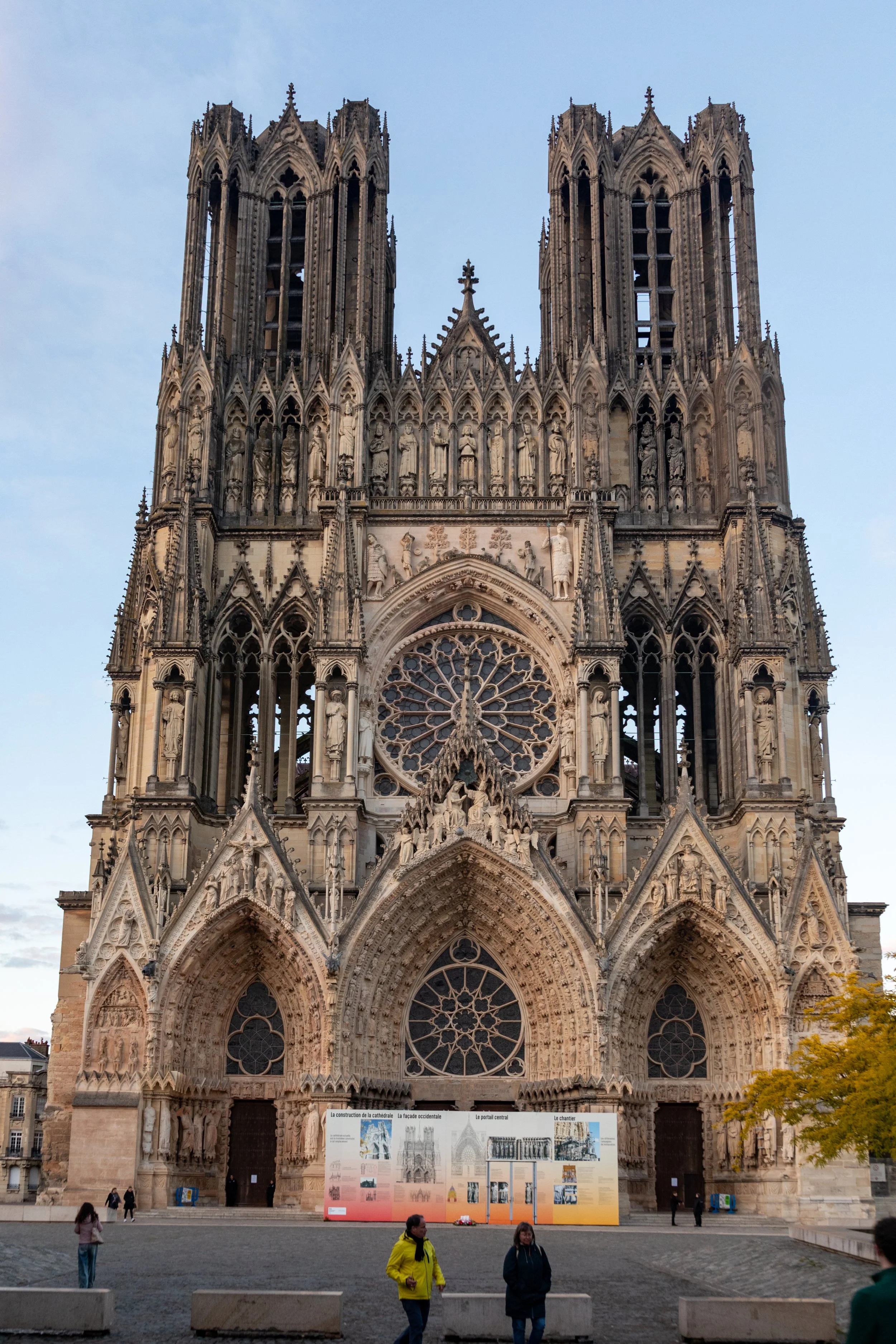
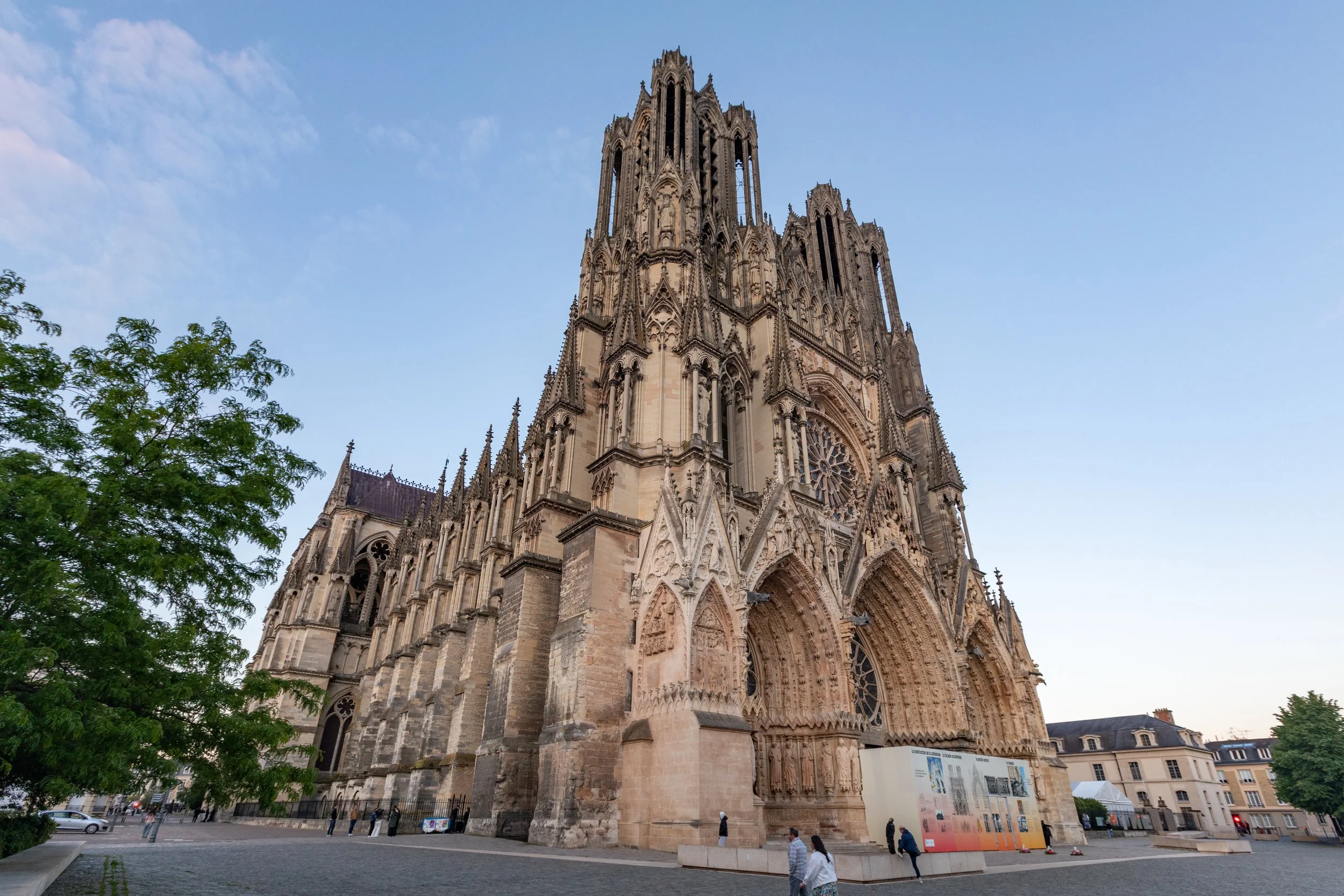
After a full day of driving, we arrived in Reims in time for a quick survey of Cathédrale Notre-Dame de Reims
Its construction started in 1211, the cathedral dominates the historic town centre
With the car rental drama that started the day, we were very happy to have parked the car at our hotel and enjoyed a relaxing dinner and a glass of wine.
May 17
To give us a break from driving, we decided to keep the car parked in Reims and explore the city. Reims, in addition to being central to the WWI Verdun battle, also played an important WWII history, and is the focal point of the Champagne Region of France. Although there was intermittent rain, we were able to complete a self-guided walking tour, visit a museum and tour a Champagne cave.
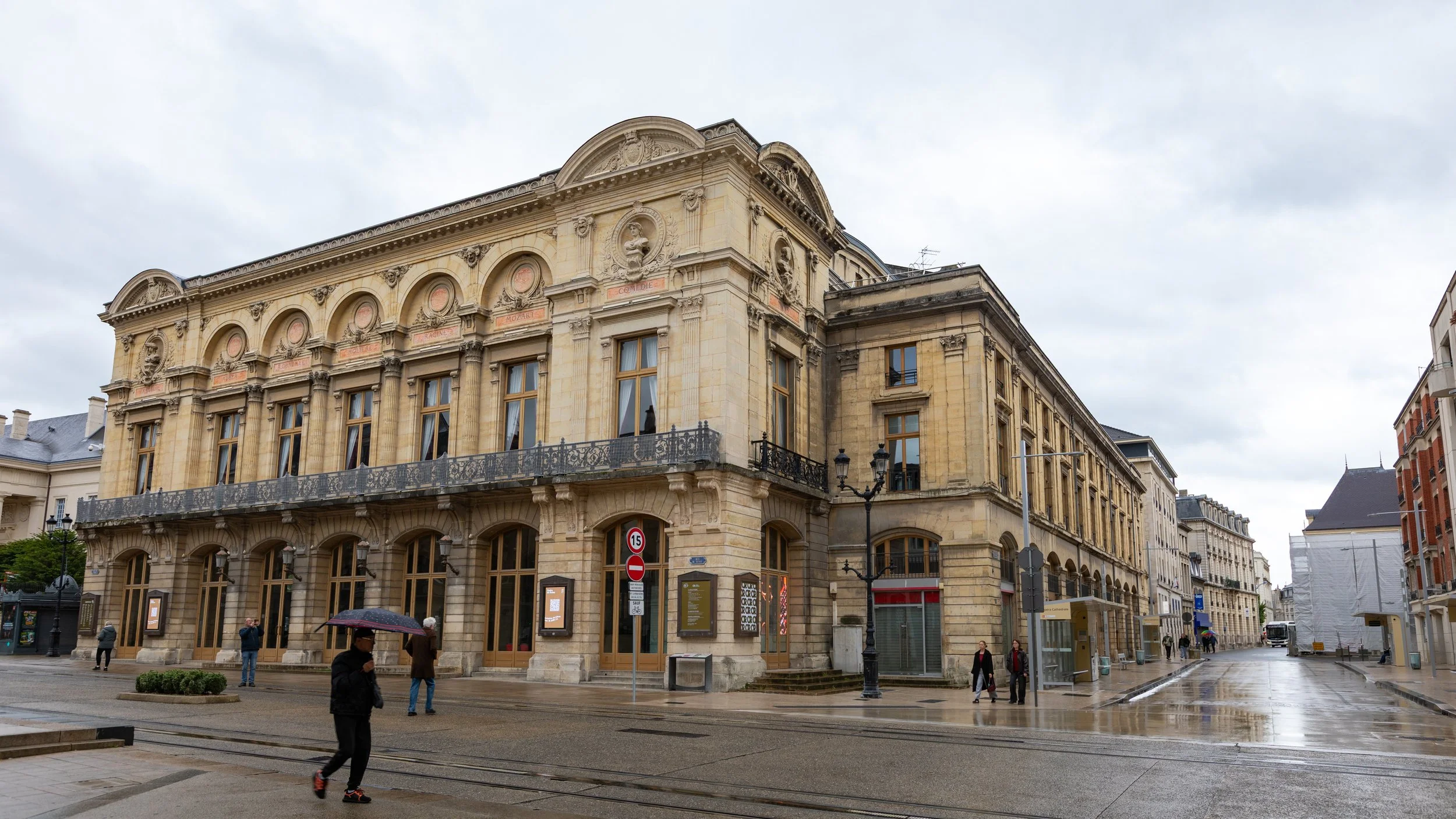
Reims Opera House (1873), historically the Grand Théâtre
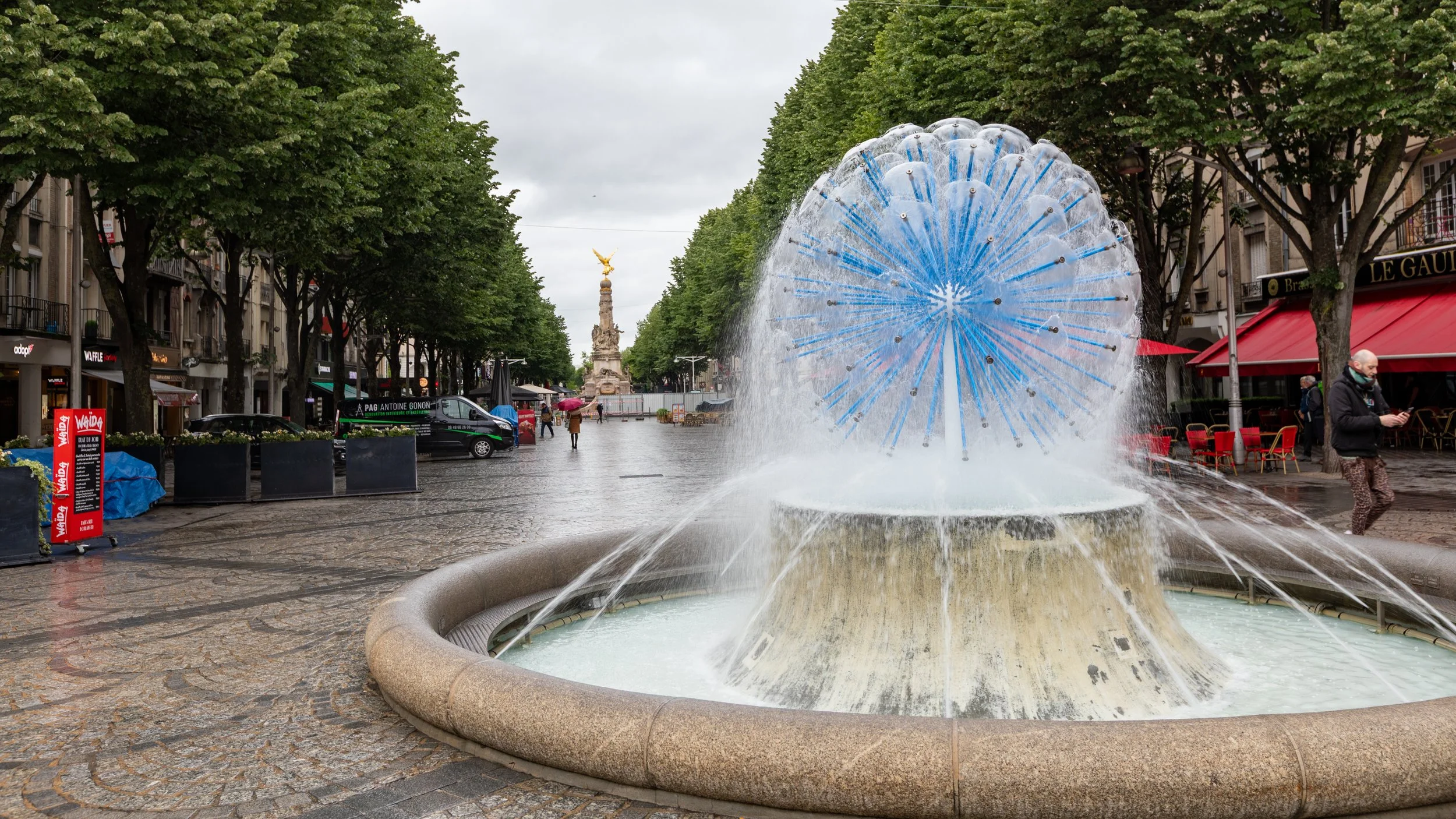
The Fontaine de la Solidarité, located on Place Drouet d'Erlon
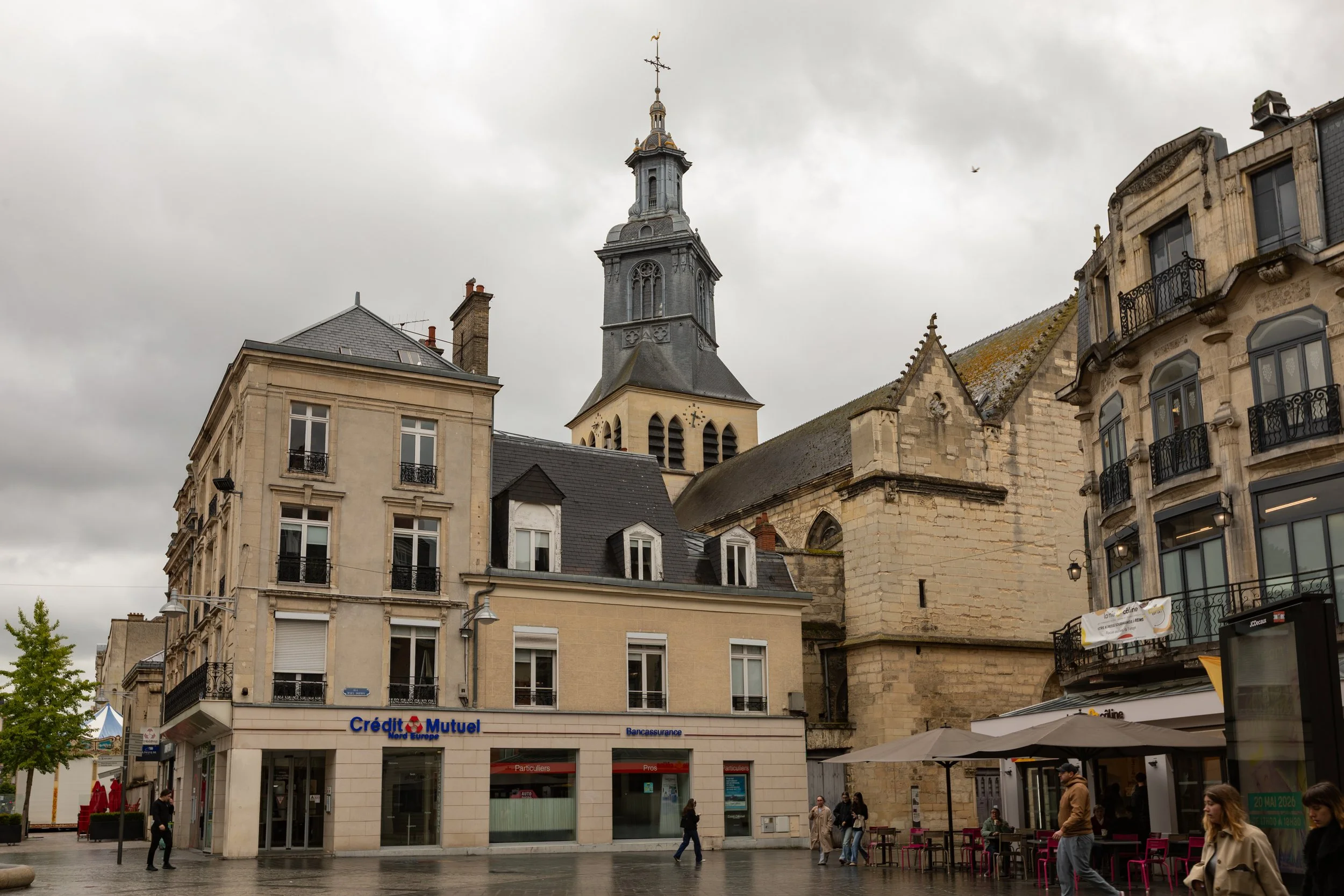
Église Saint-Jacques rising behind surrounding historic buildings
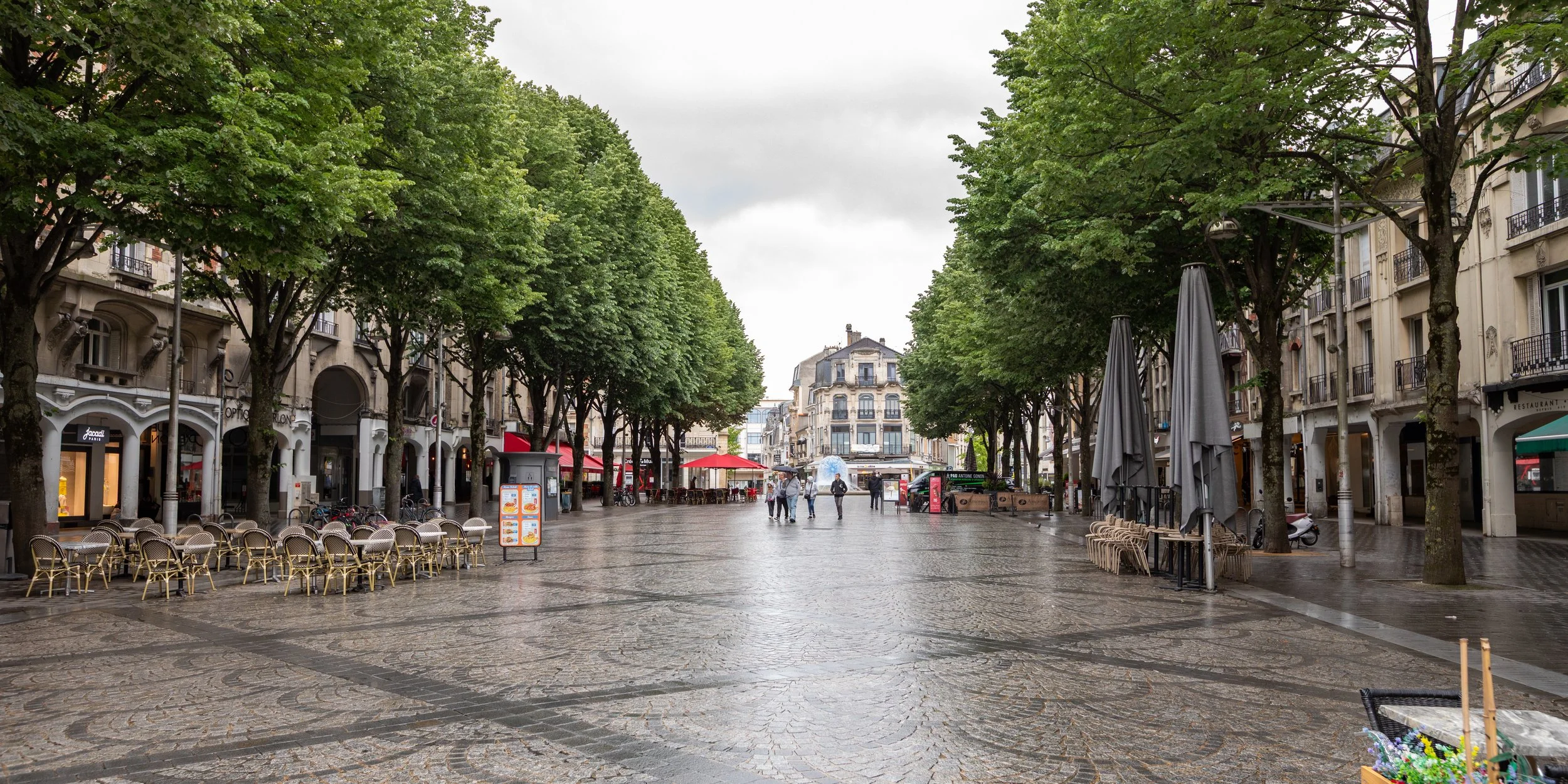
The Place Drouet-d'Erlon, a wide-paved promenade lined with shops and café terraces
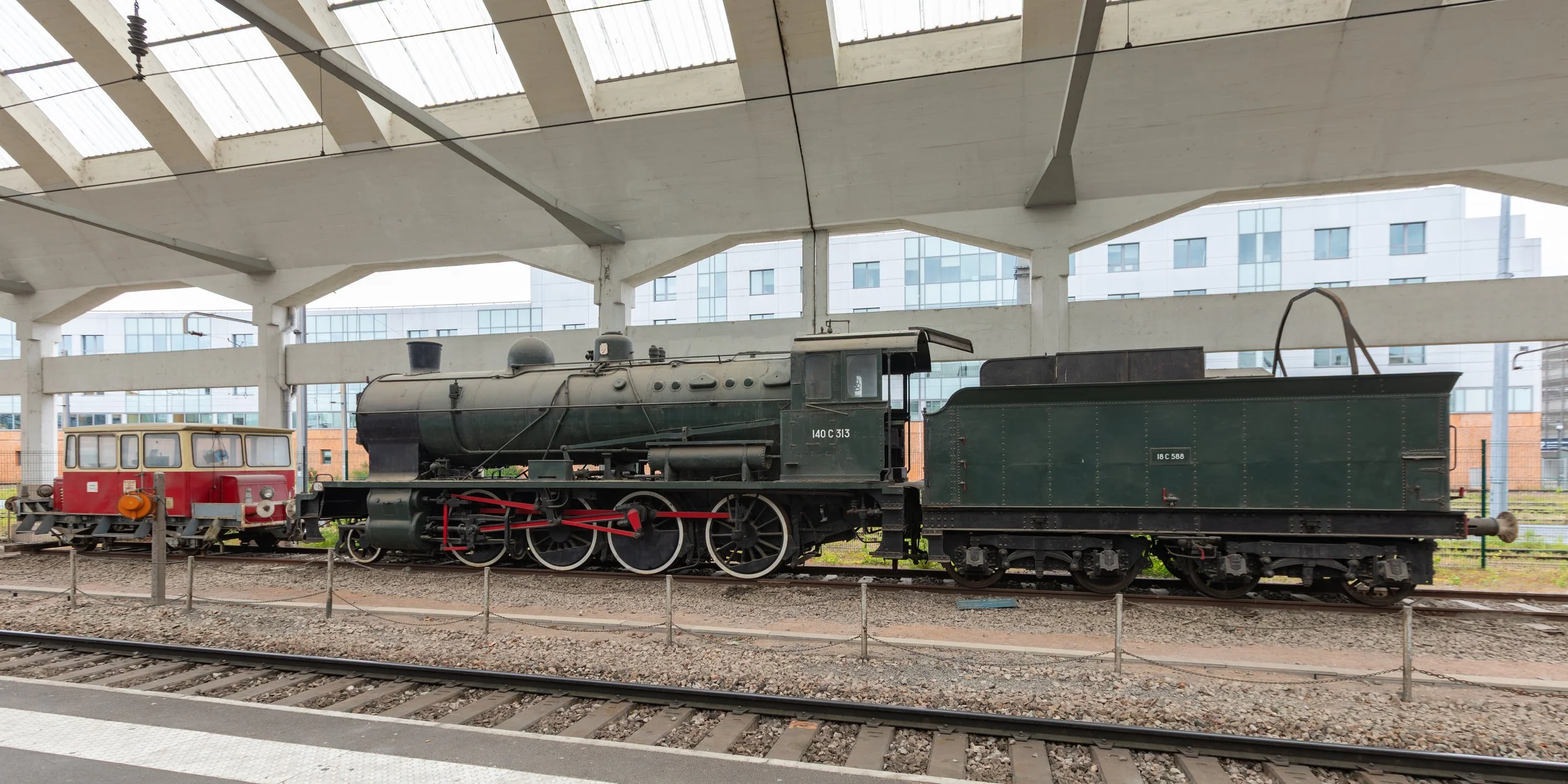
Historic steam locomotive on display at Gare de Reims
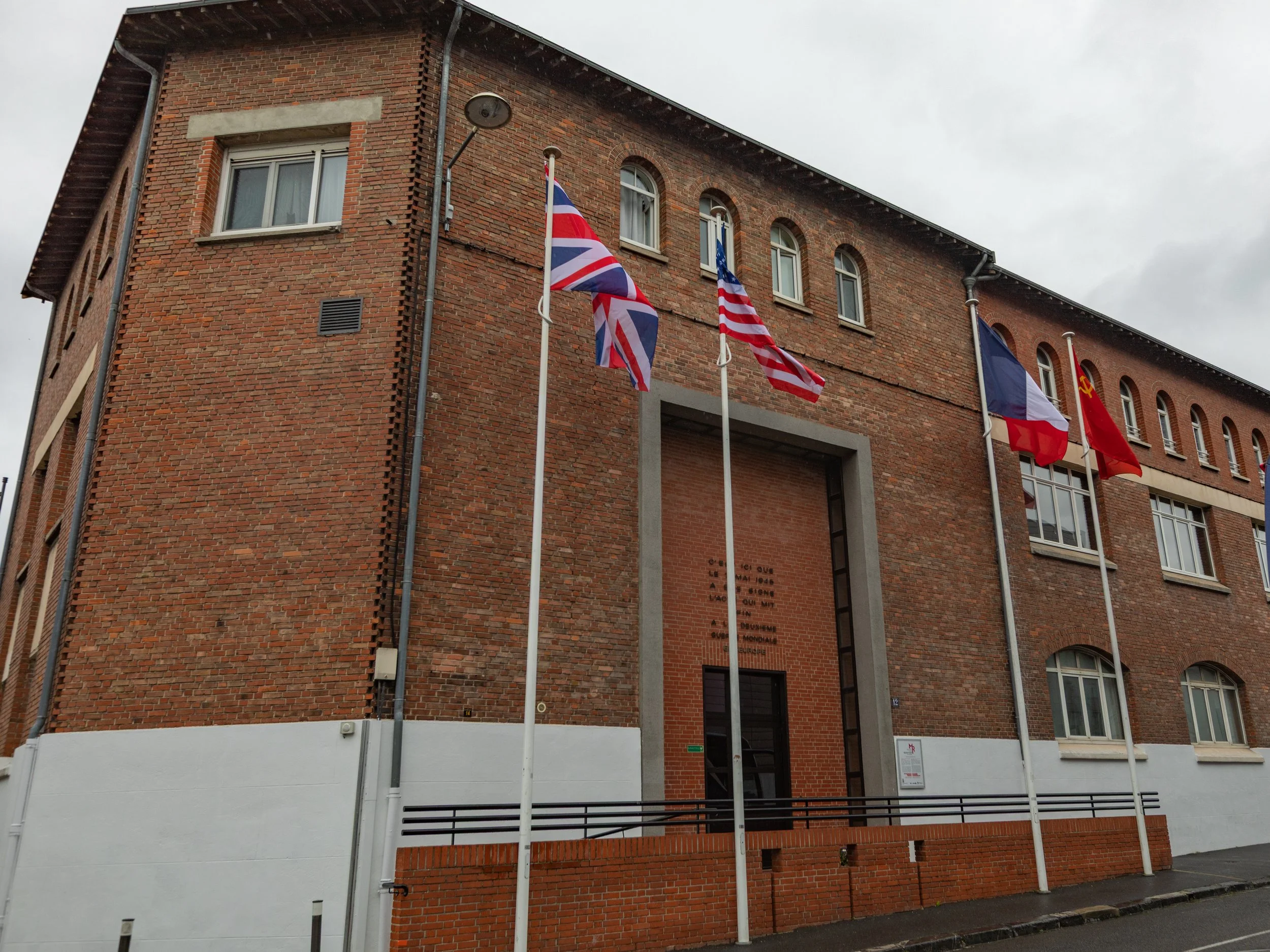
This red-brick building houses the Musée de la Reddition (Museum of the Surrender)
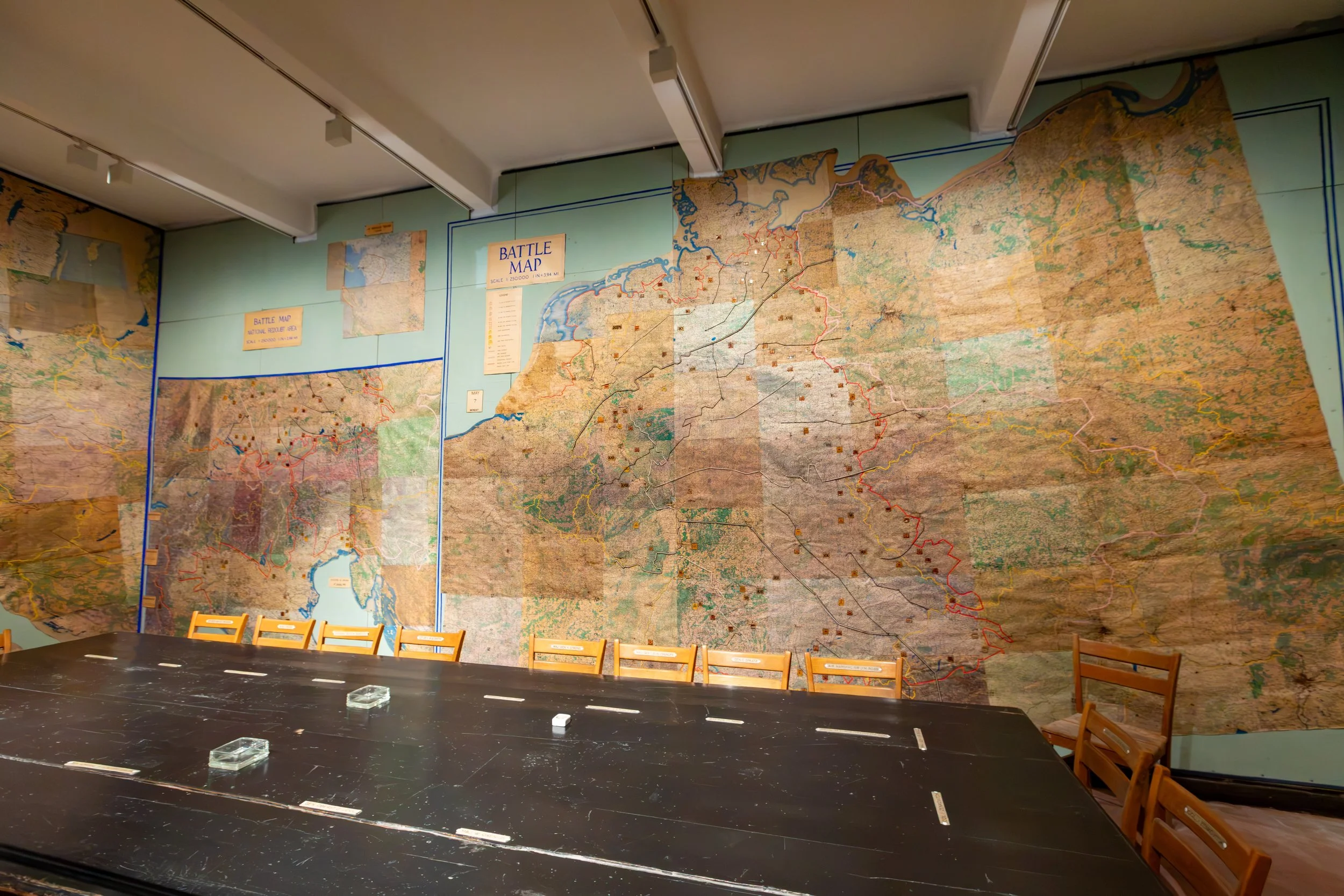
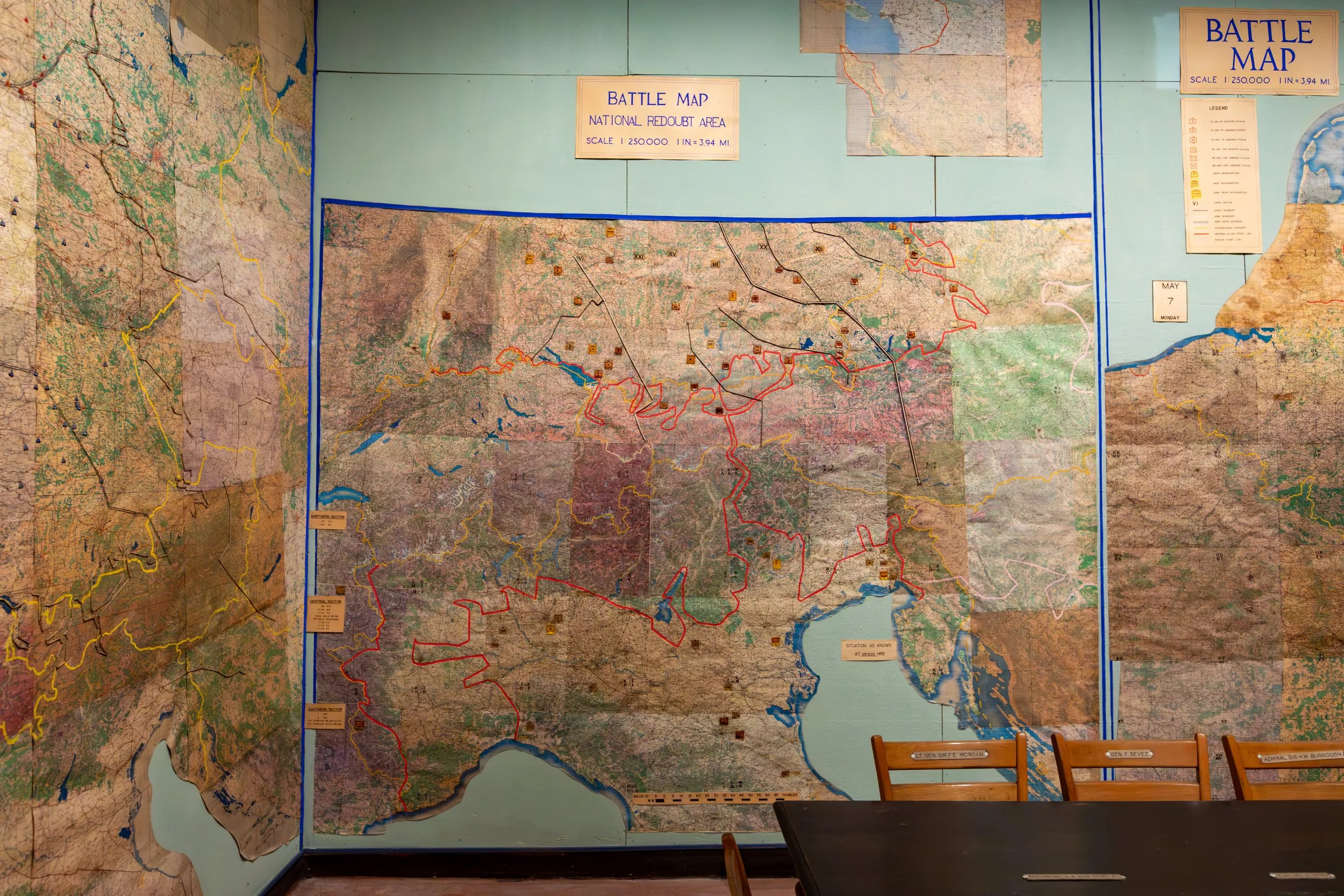
The map room (war room) inside the Museum of the Surrender, preserved as it looked when Nazi Germany signed its unconditional military surrender on May 7, 1945
Prior to the surrender, the war room was Eisenhower’s operations centre for the post D-Day offensive on Germany
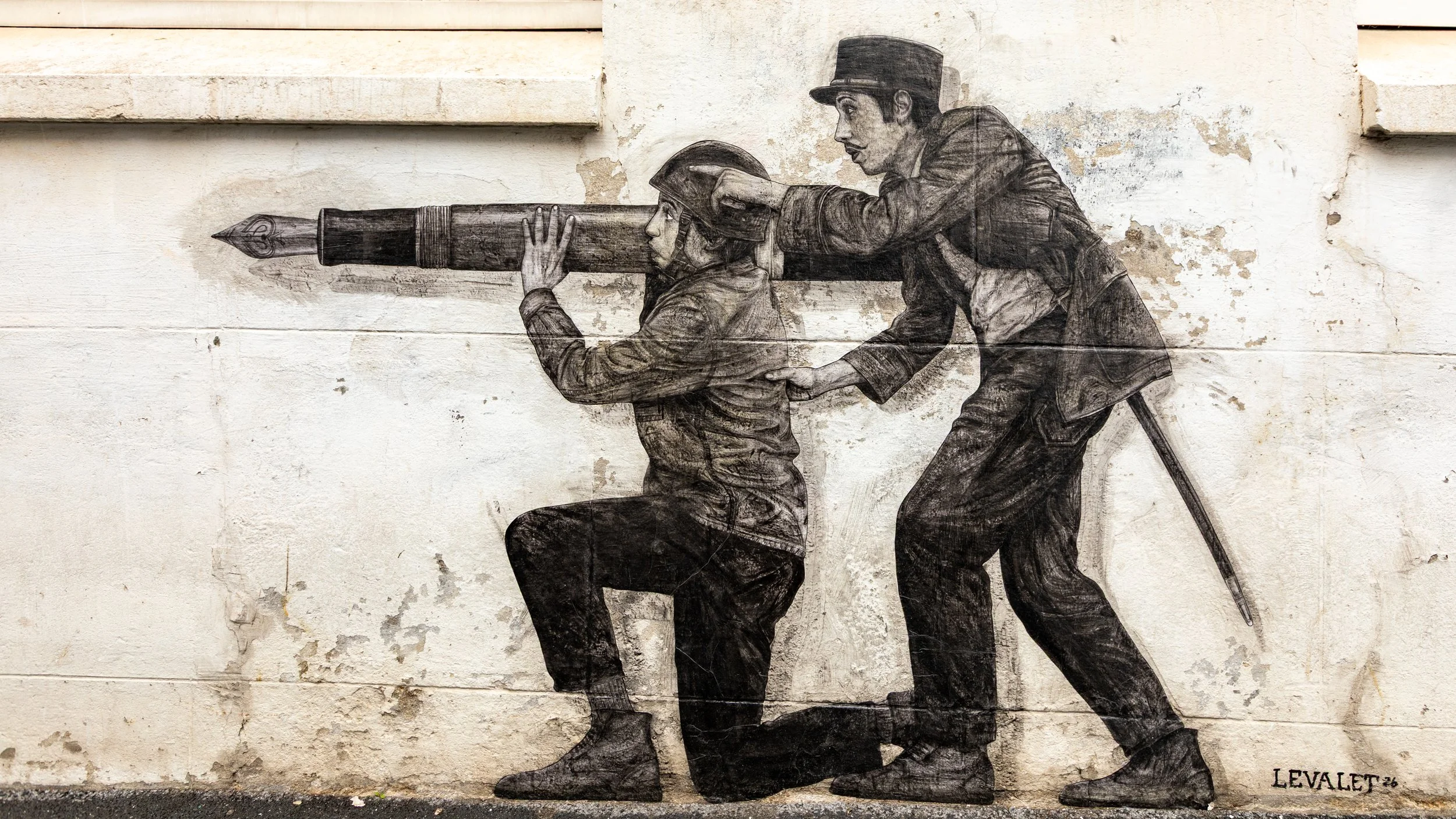
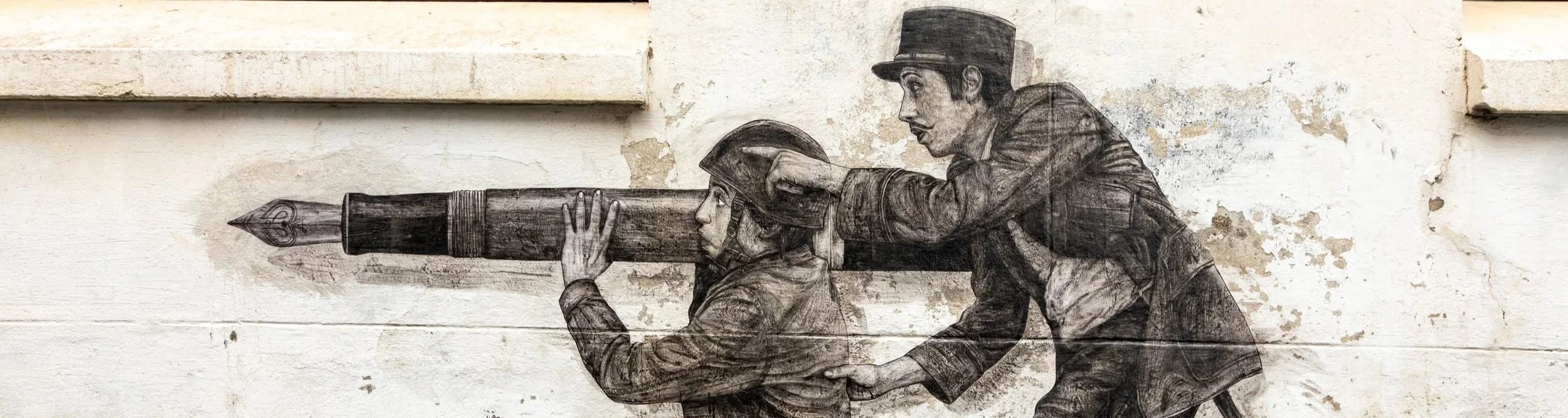
Street art piece, titled "Arme de construction massive" ("Weapon of Mass Construction"), by French street artist Levalet
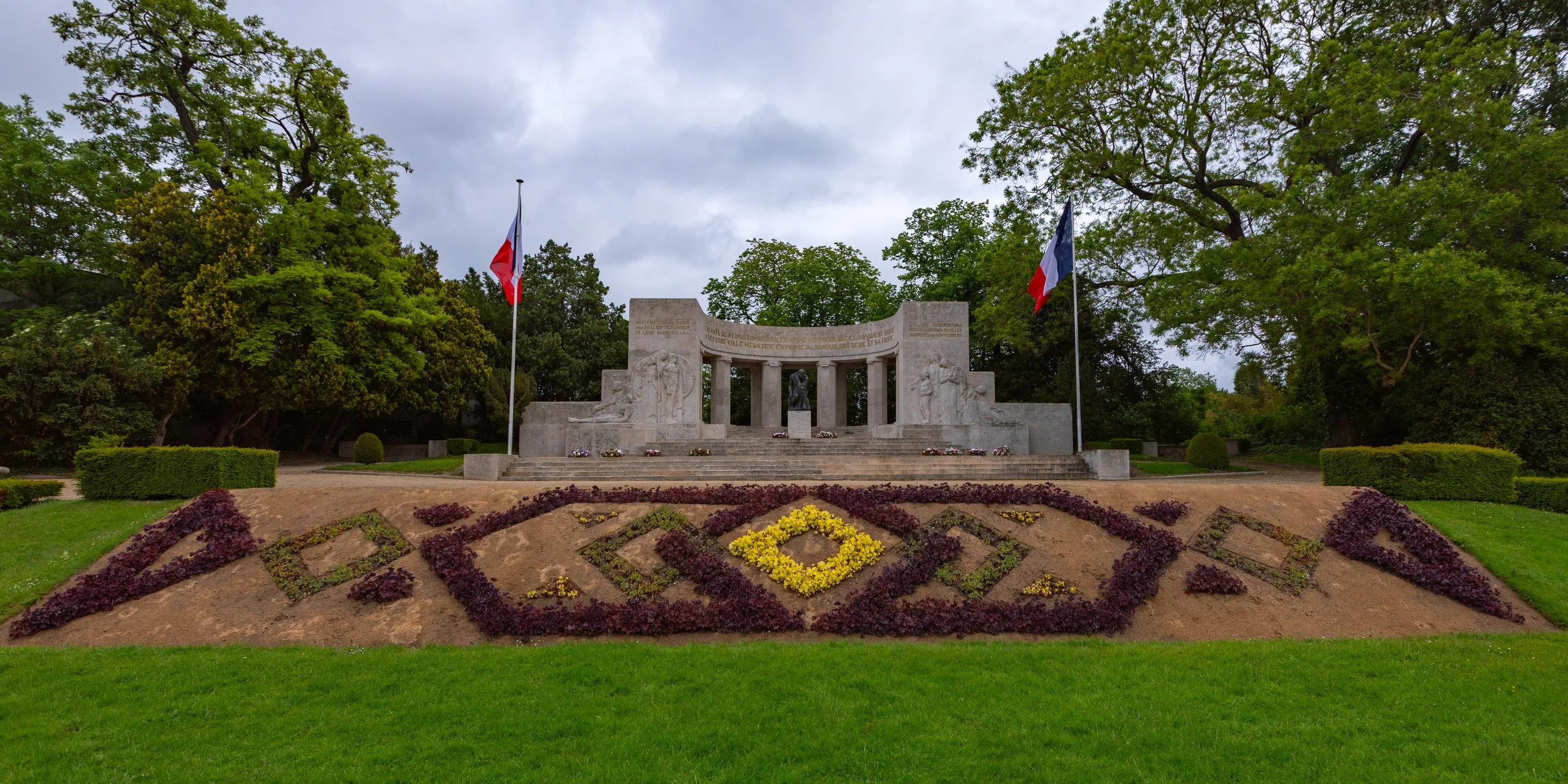
The War Memorial of Reims, built in 1930 to honor the soldiers and residents of Reims who died during WWI
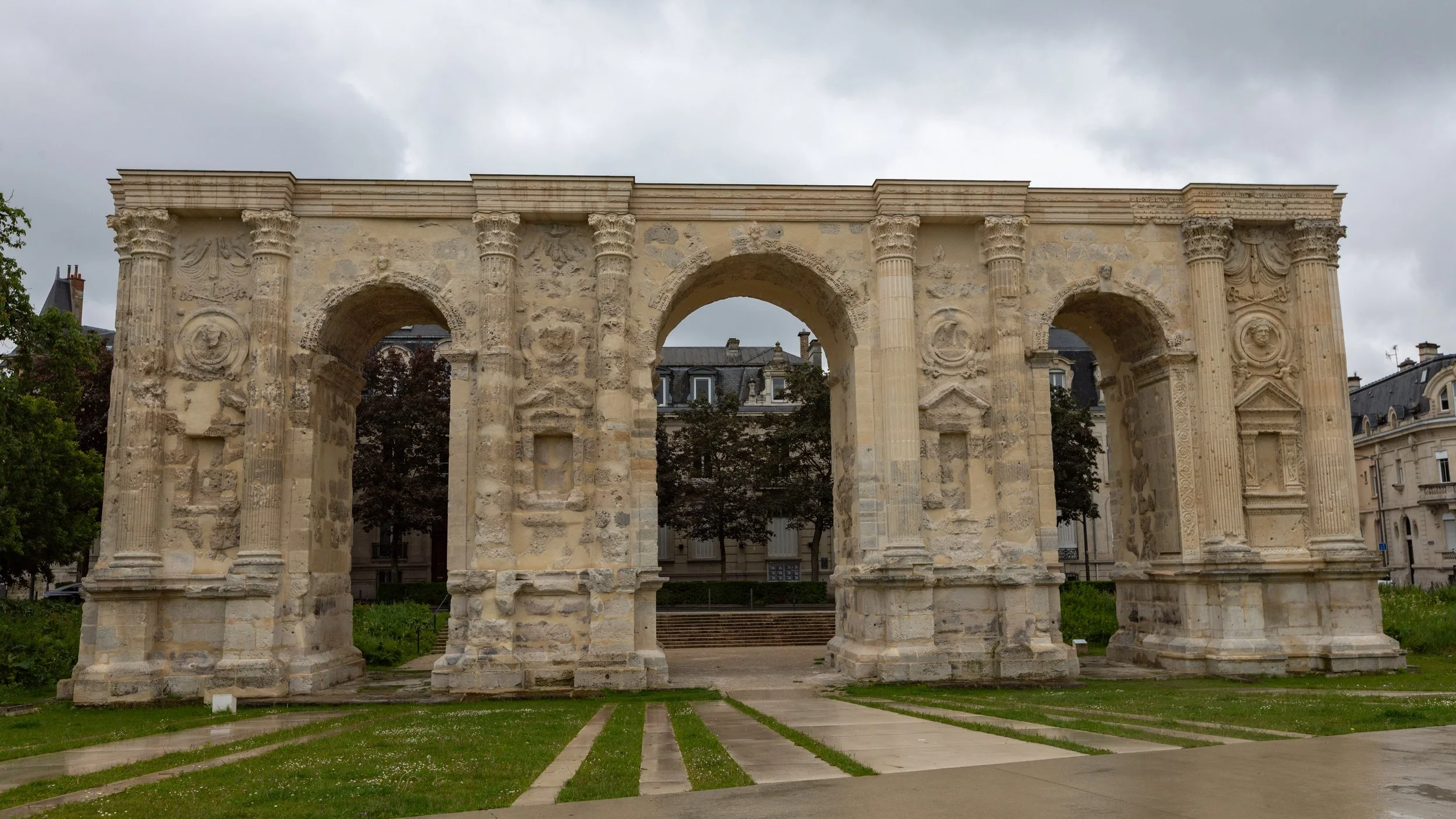
The Porte de Mars is an ancient Roman triumphal arch built in the 3rd century AD, named after a nearby temple to Mars
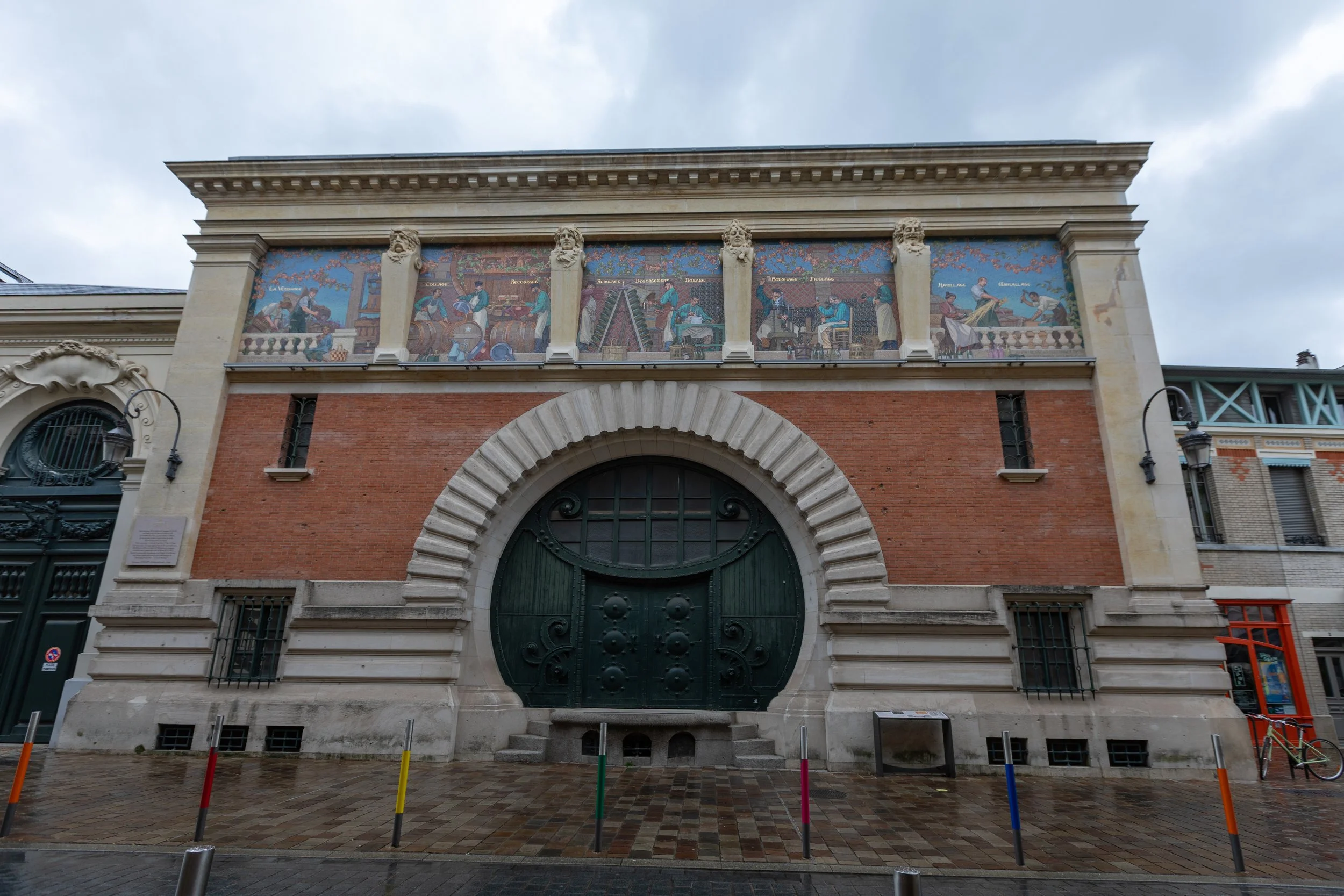
Le Cellier, former champagne shipping cellar, now operating as a municipal cultural venue
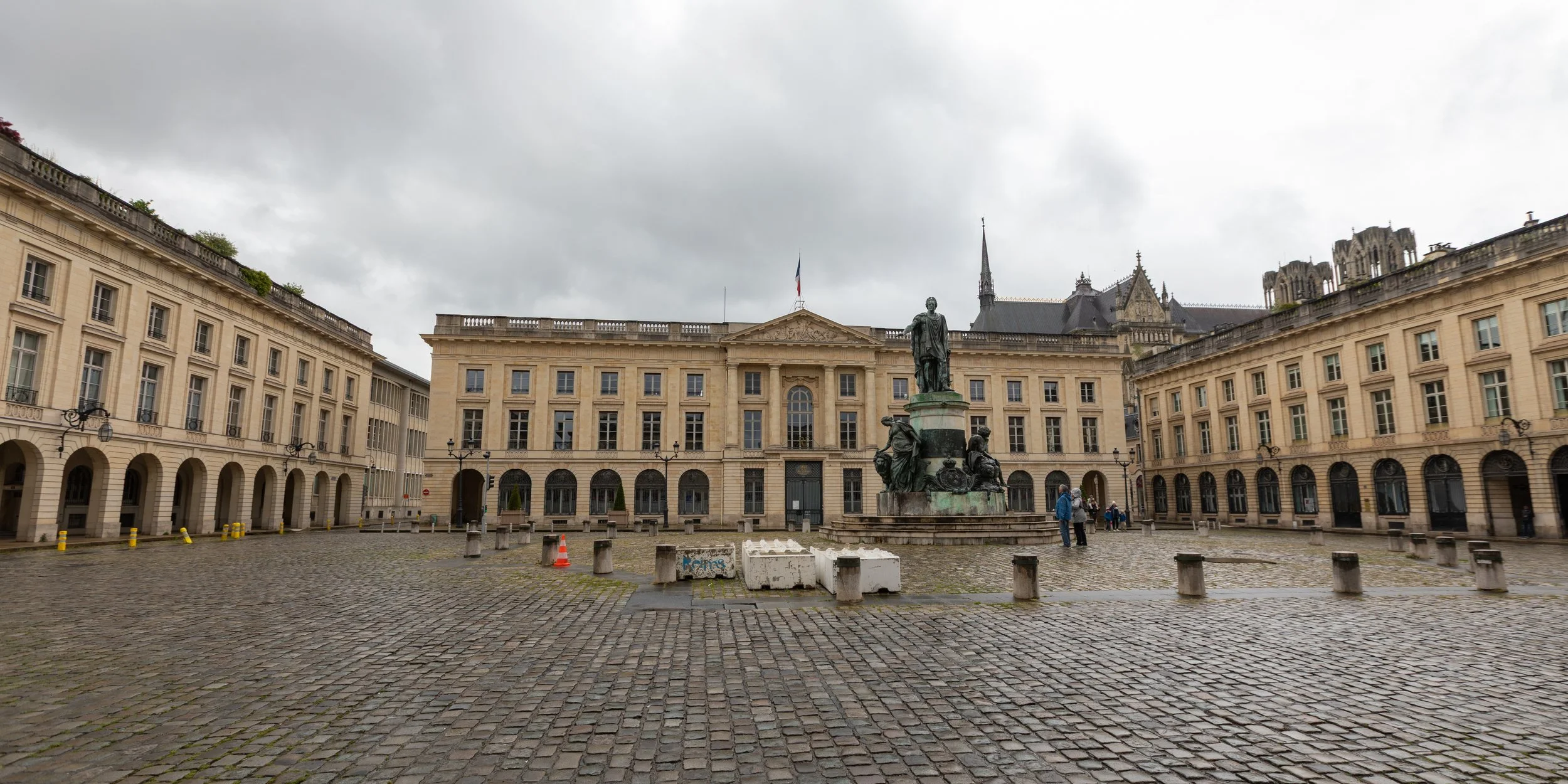
Place Royale square
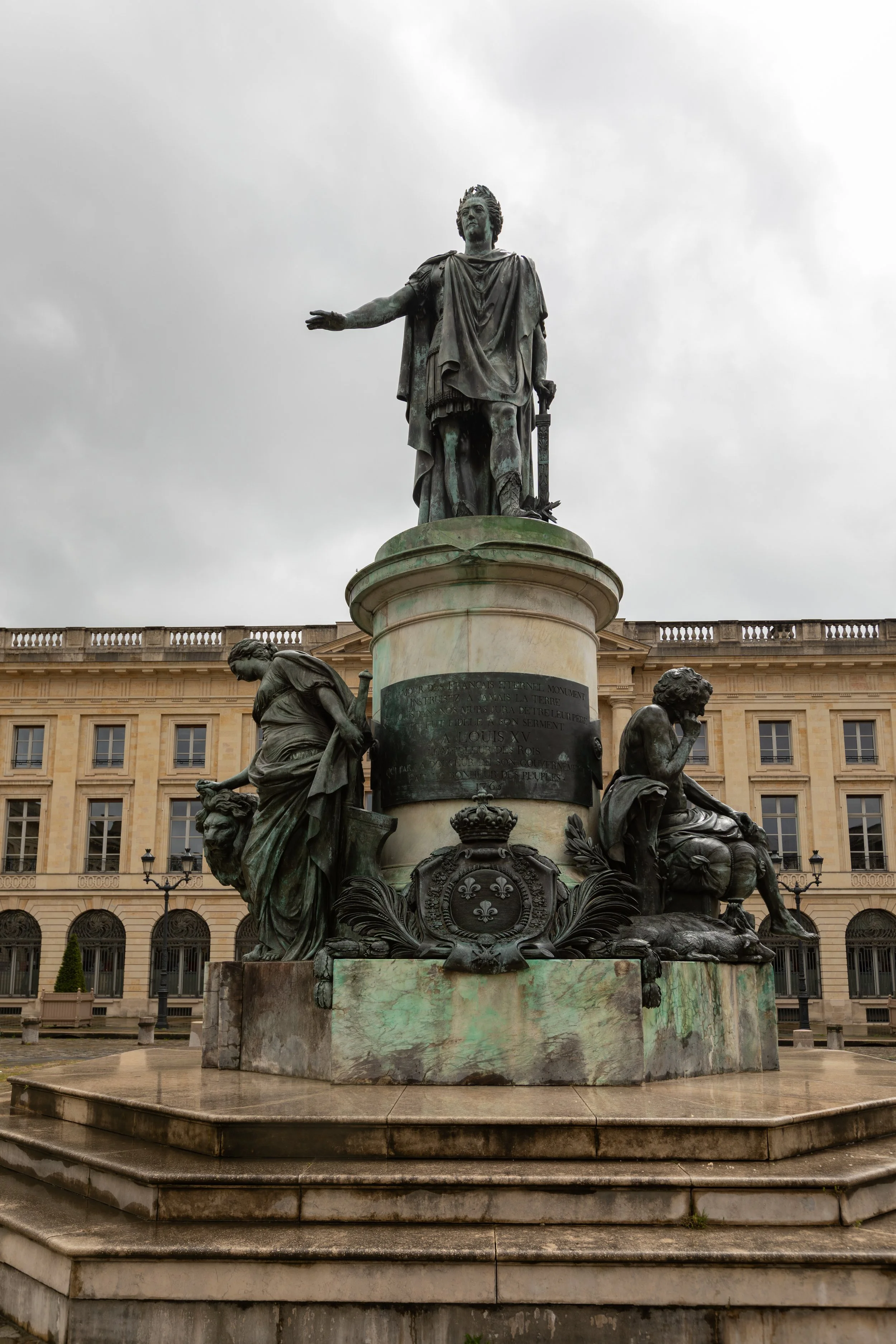
Monument to Louis XV, cast as a bronze figure in Roman dress, installed in 1818
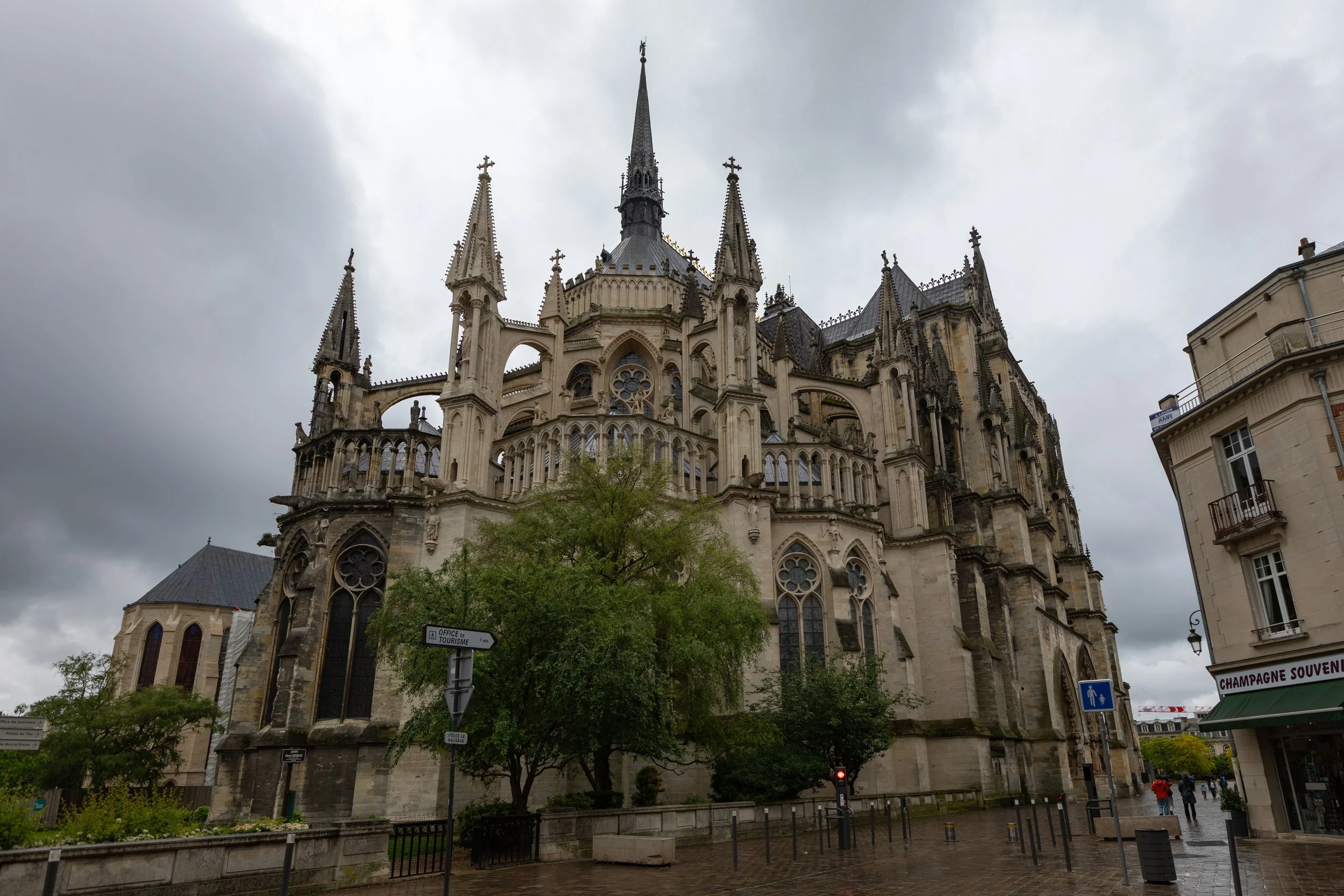
Exterior apse (chevet) of Reims Cathedral
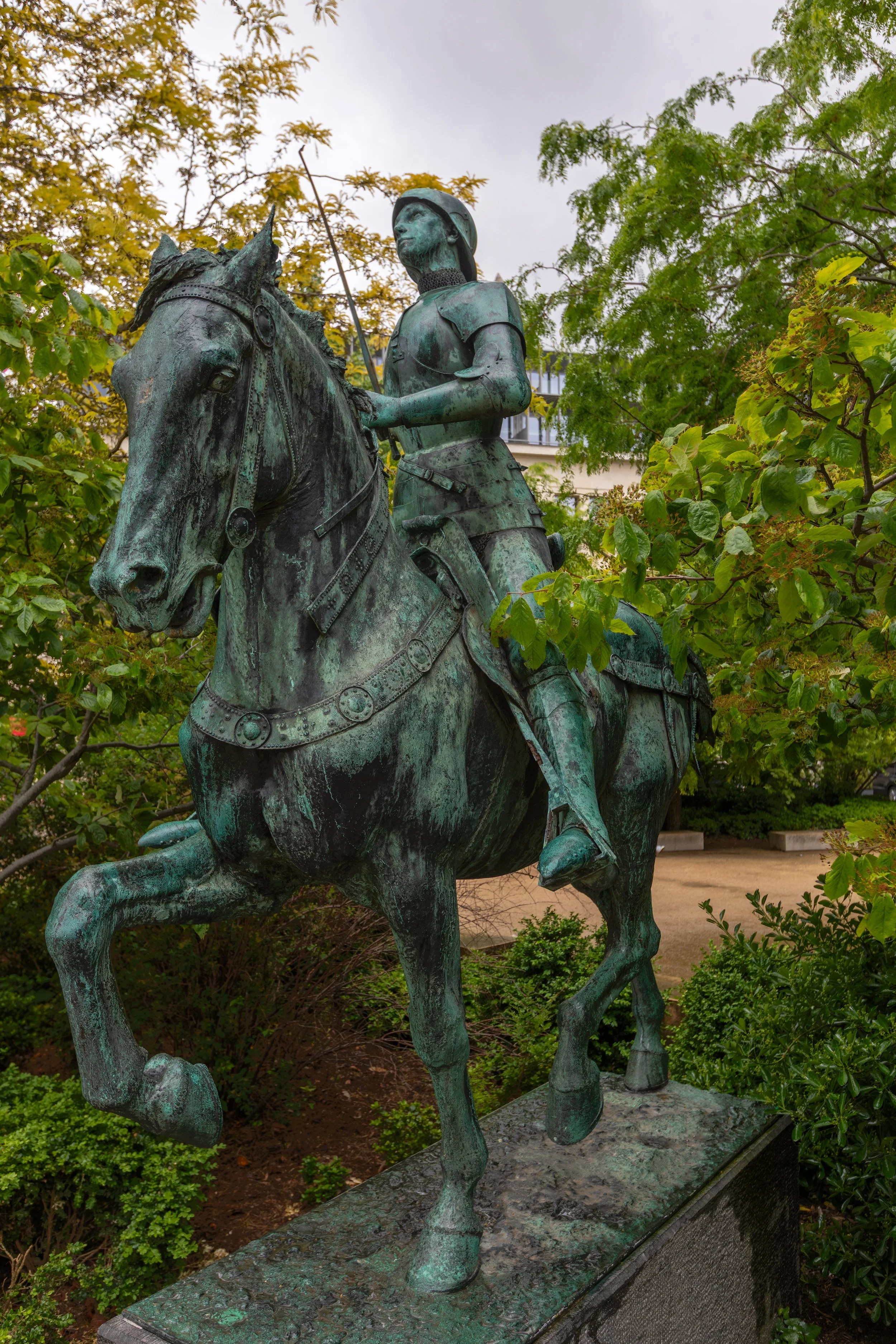
Bronze statue of Jeanne d'Arc, sculpted by Paul Dubois and inaugurated in 1896
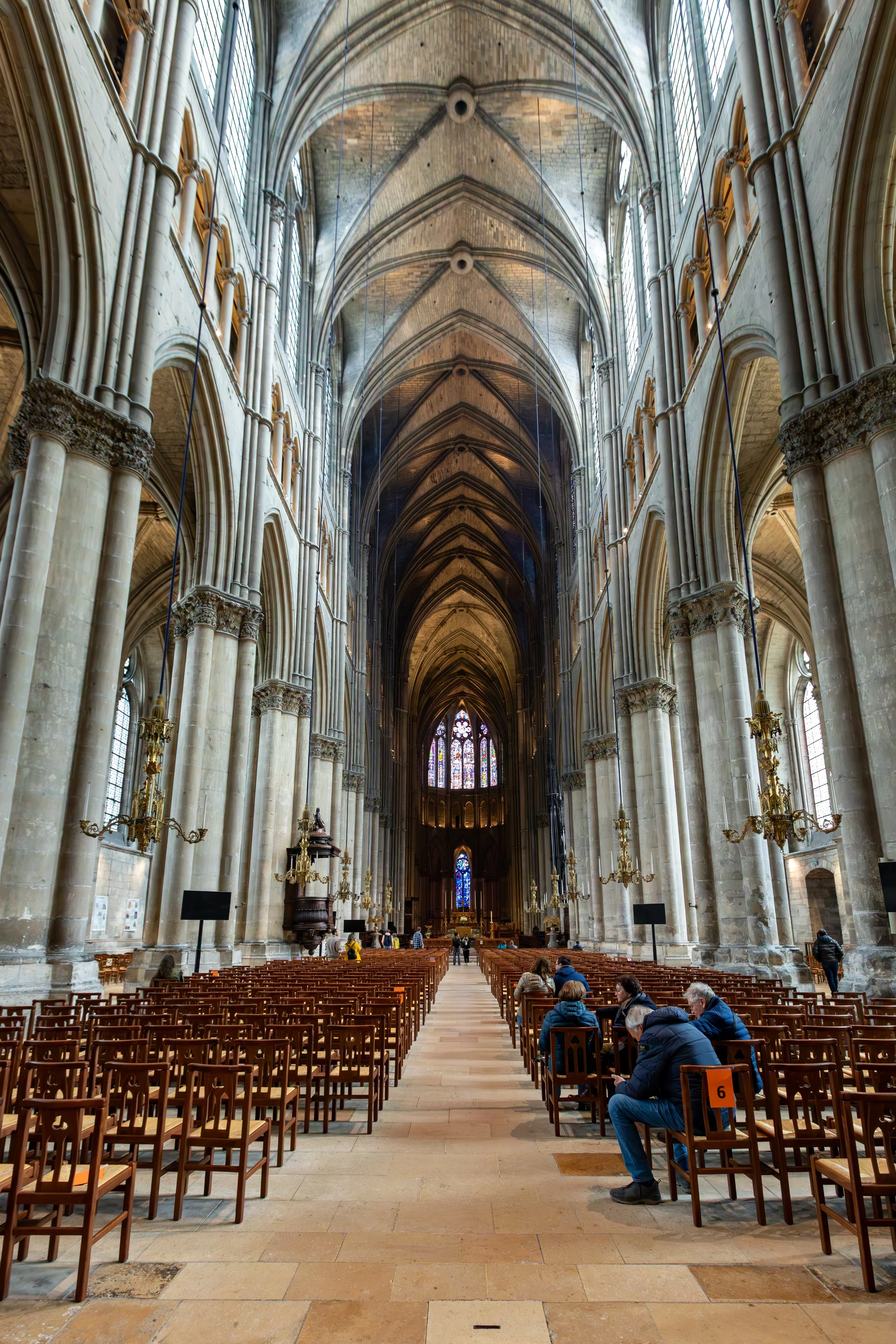
The interior nave of Reims Cathedral
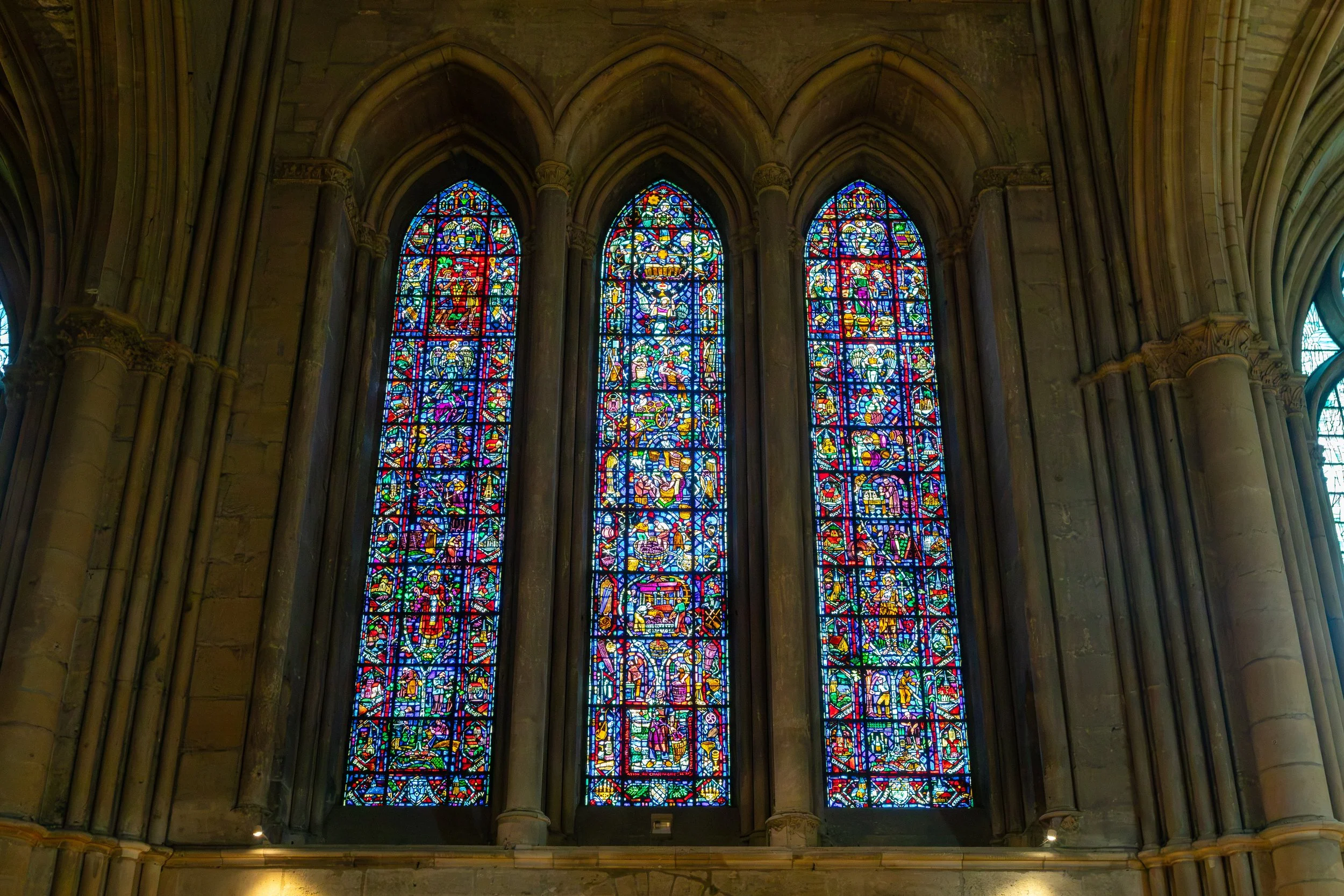
Three of the many stained-glass lancet windows that decorate the 13th-century cathedral
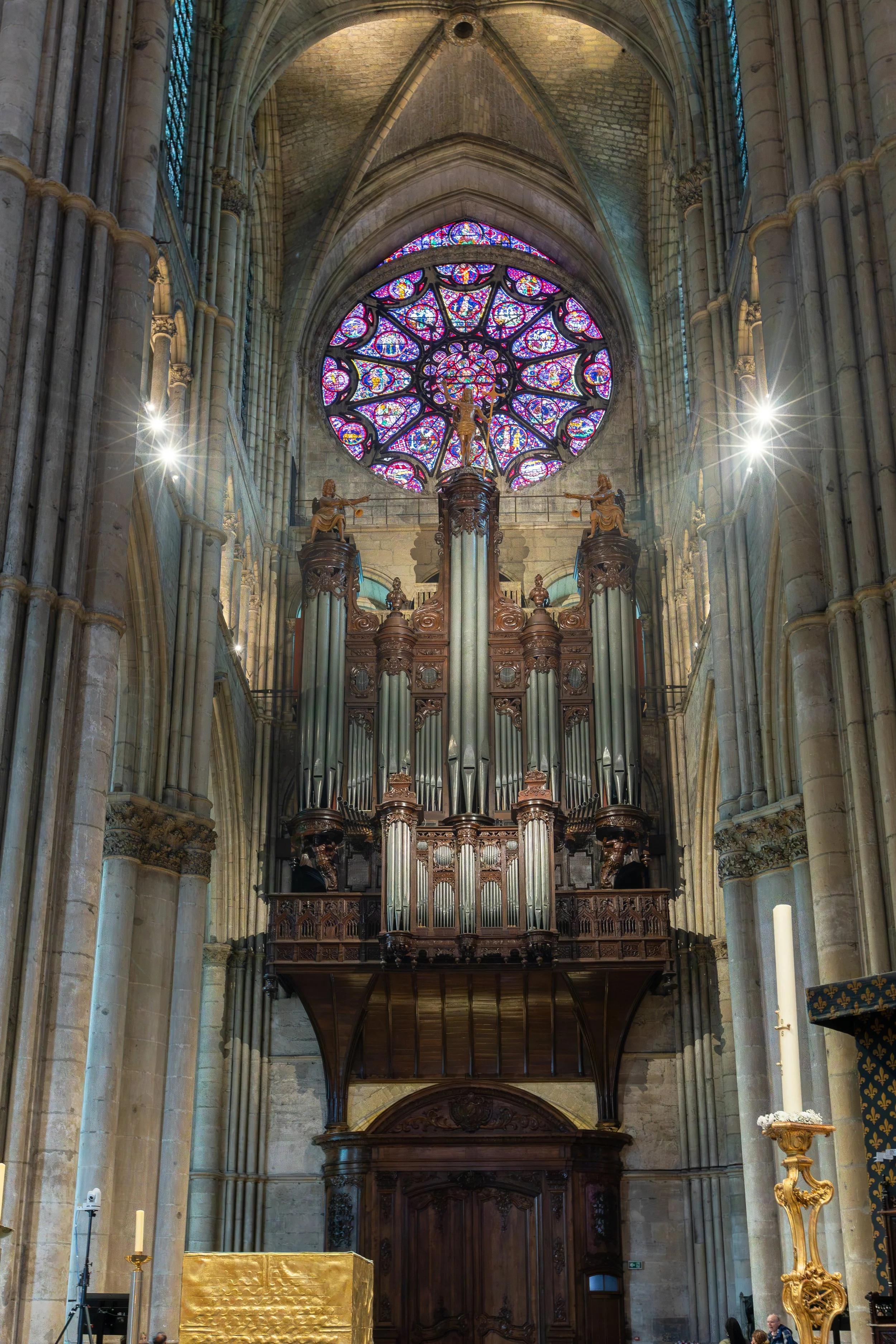
Pipe organ and rose stained-glass window
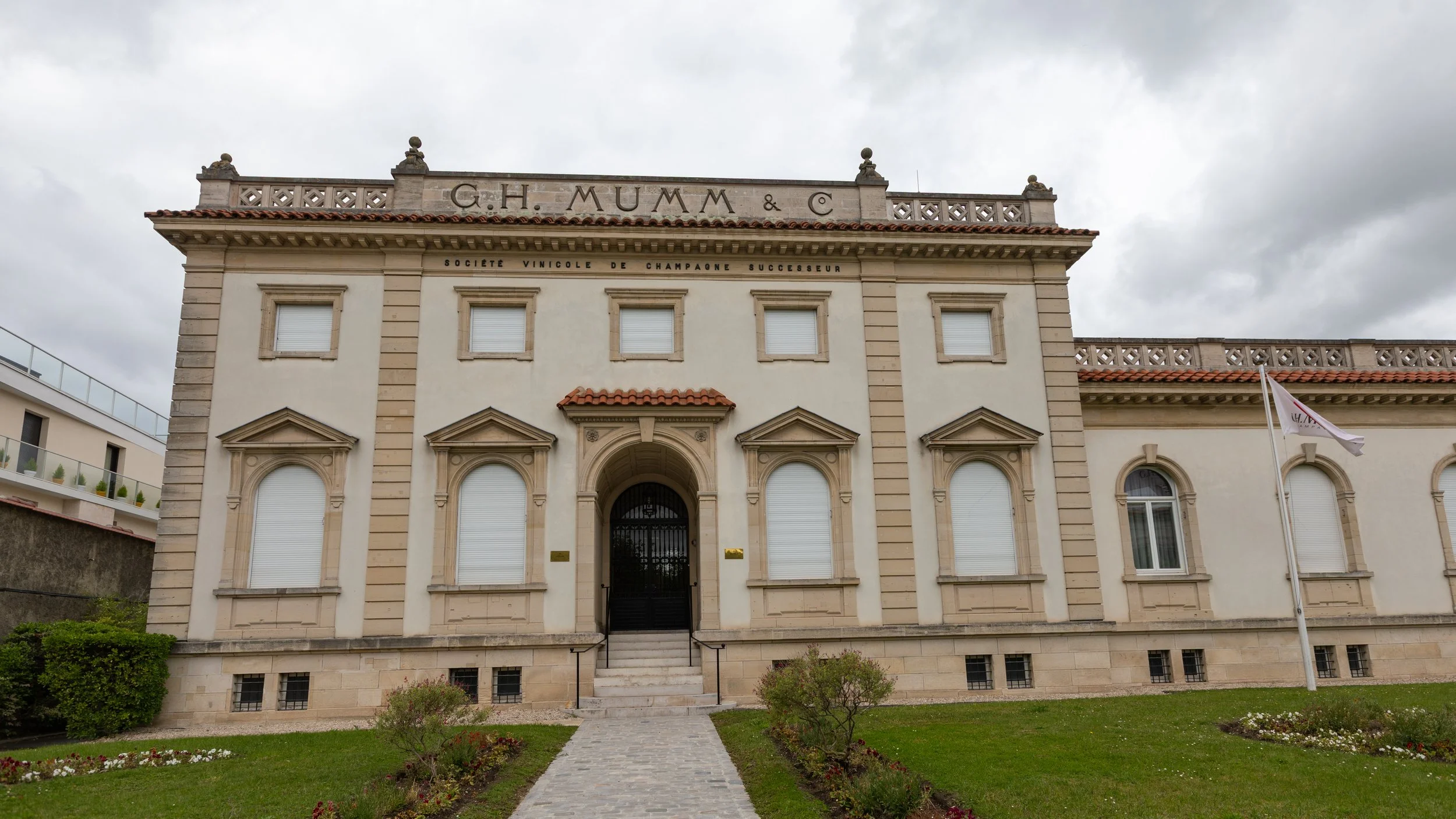
We chose to visit Maison G.H. Mumm, the historic Champagne house founded in 1827
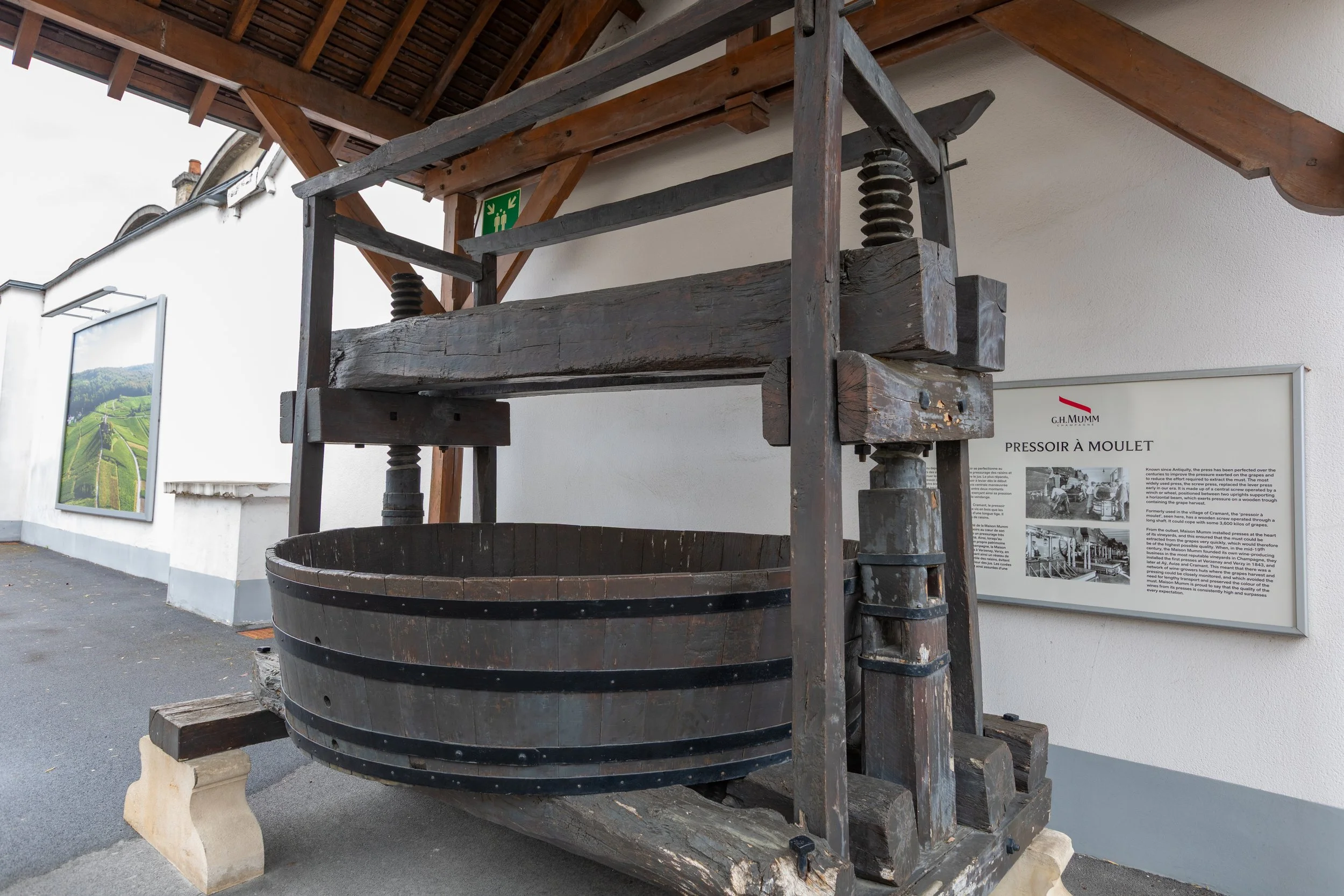
Historic grape press outside the house
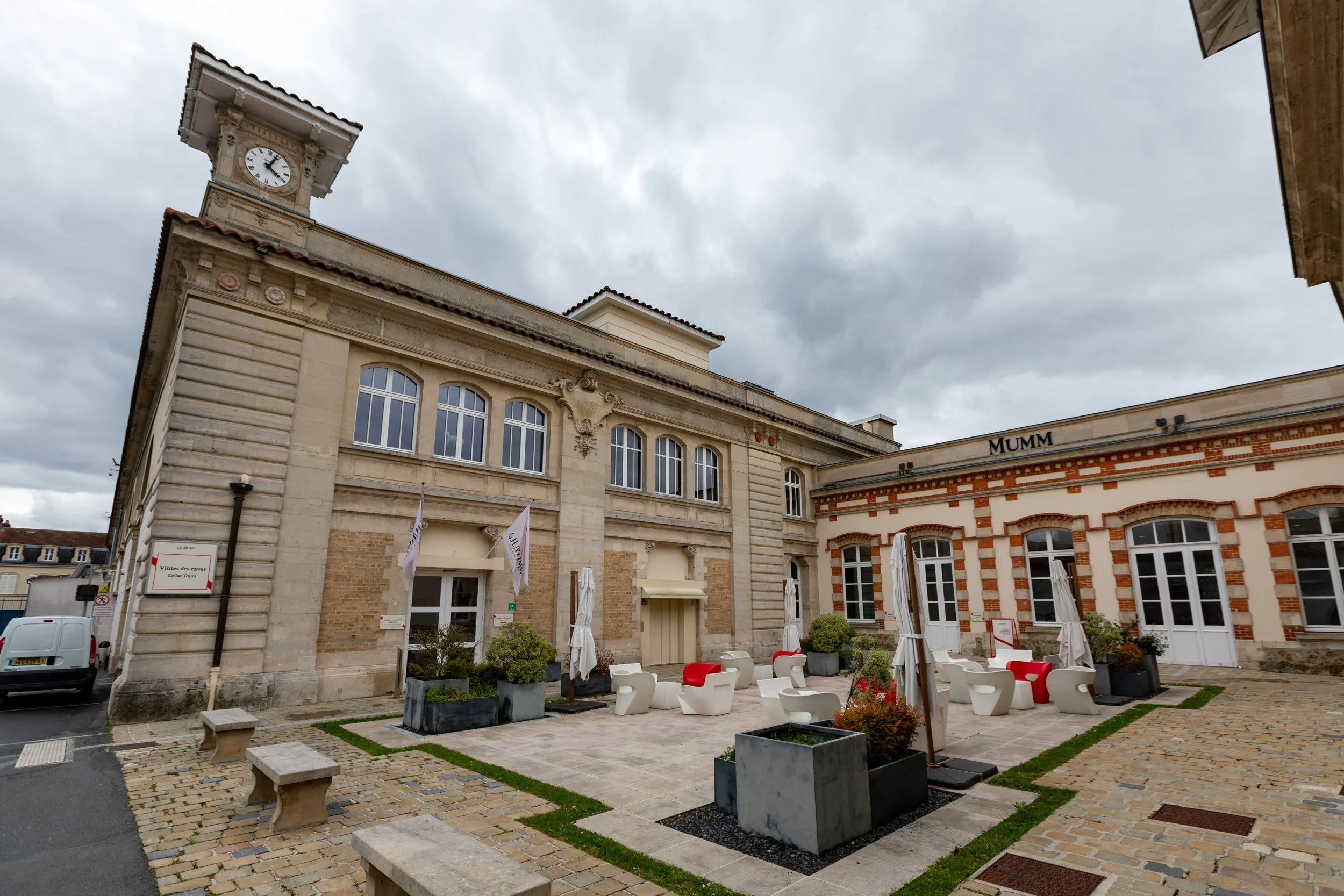
The entrance to the Mumm visitor centre, as we waited for our tour and tasting to start
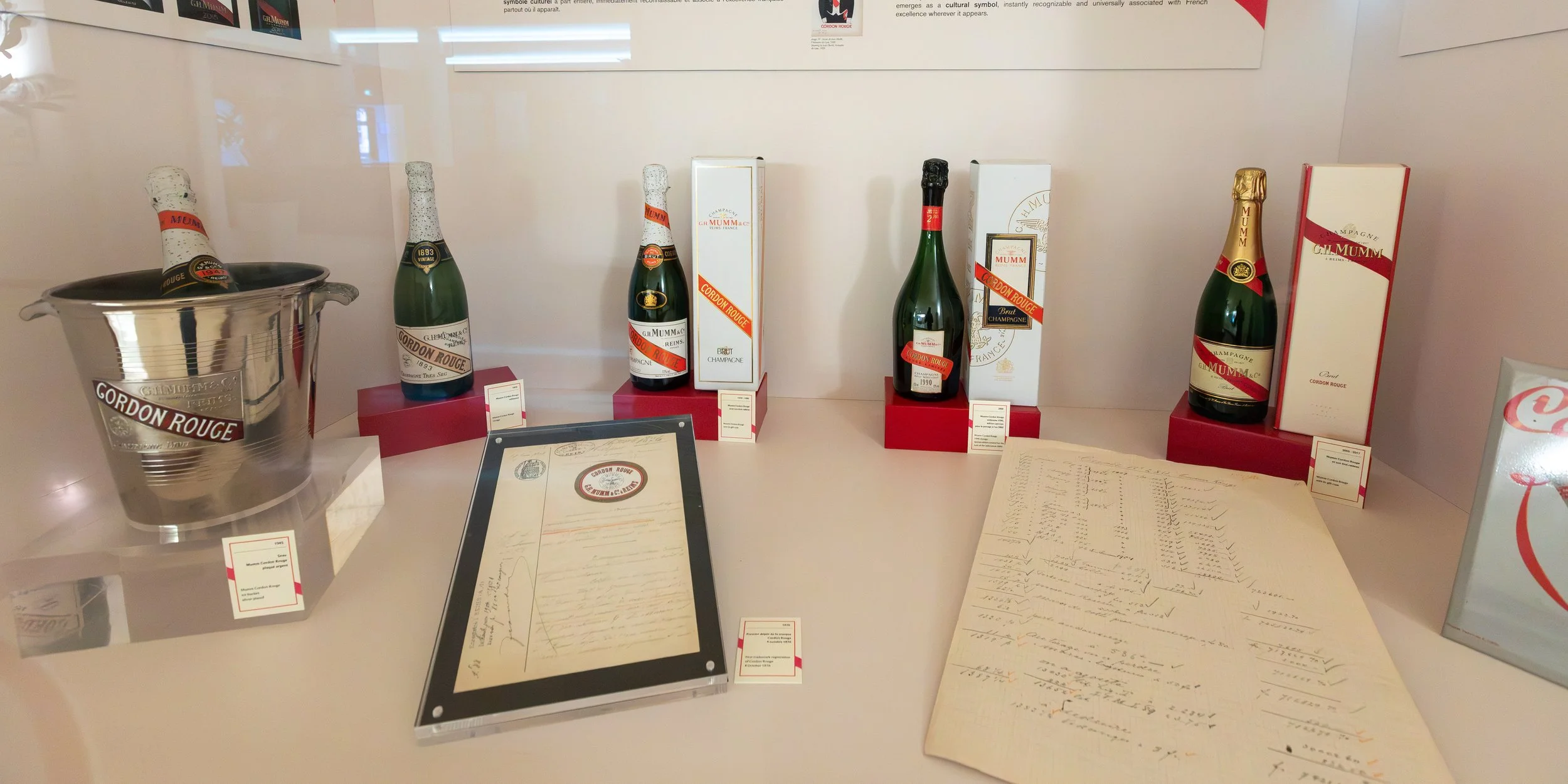
Historic bottles with the iconic Mumm red stripe
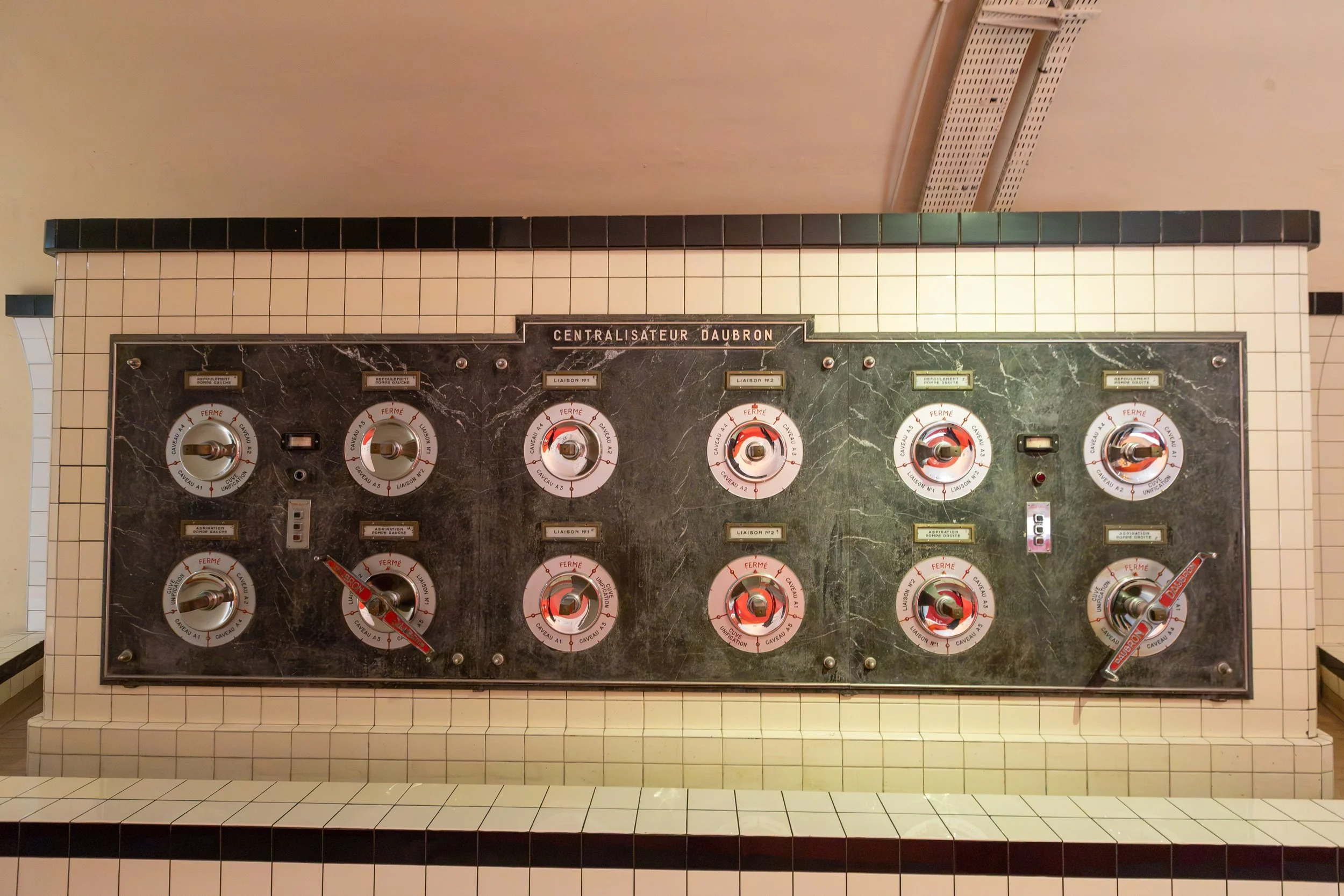
Vintage valve control panel in the Champagne cellar museum
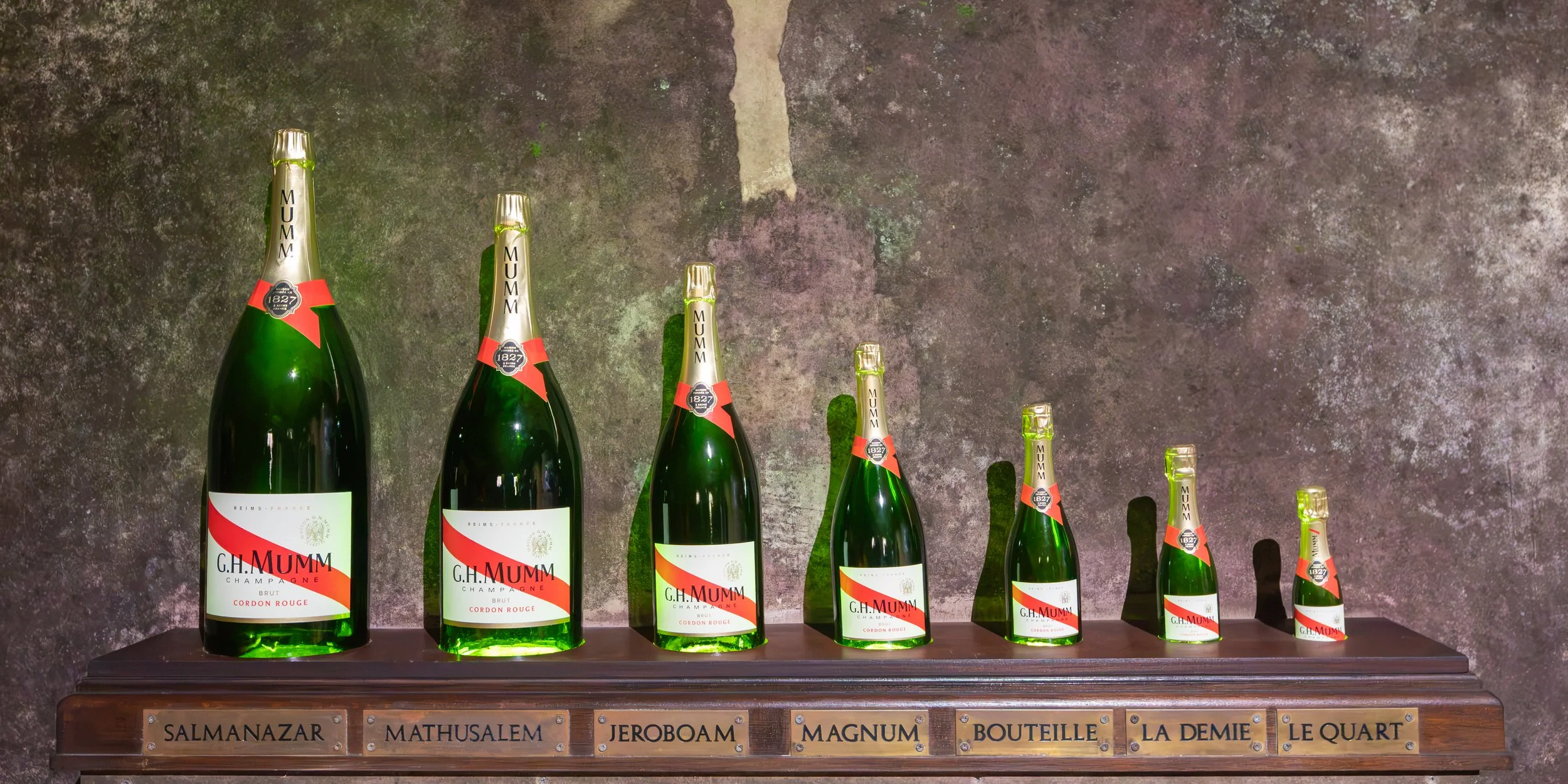
A display of champagne bottle sizes
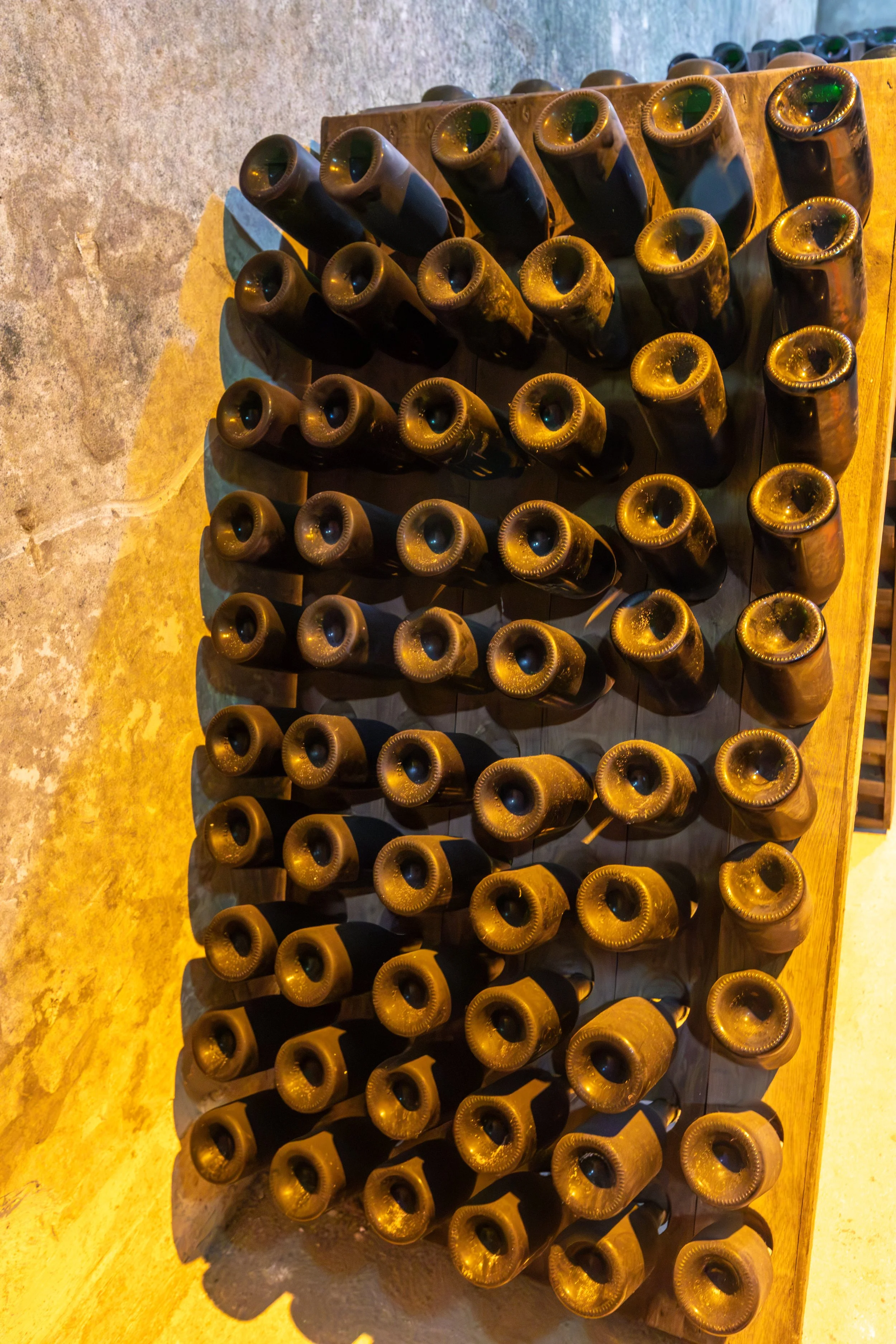
Traditional angled wooden frame used to hold the Champagne bottles neck-down during secondary fermentation in the cellar
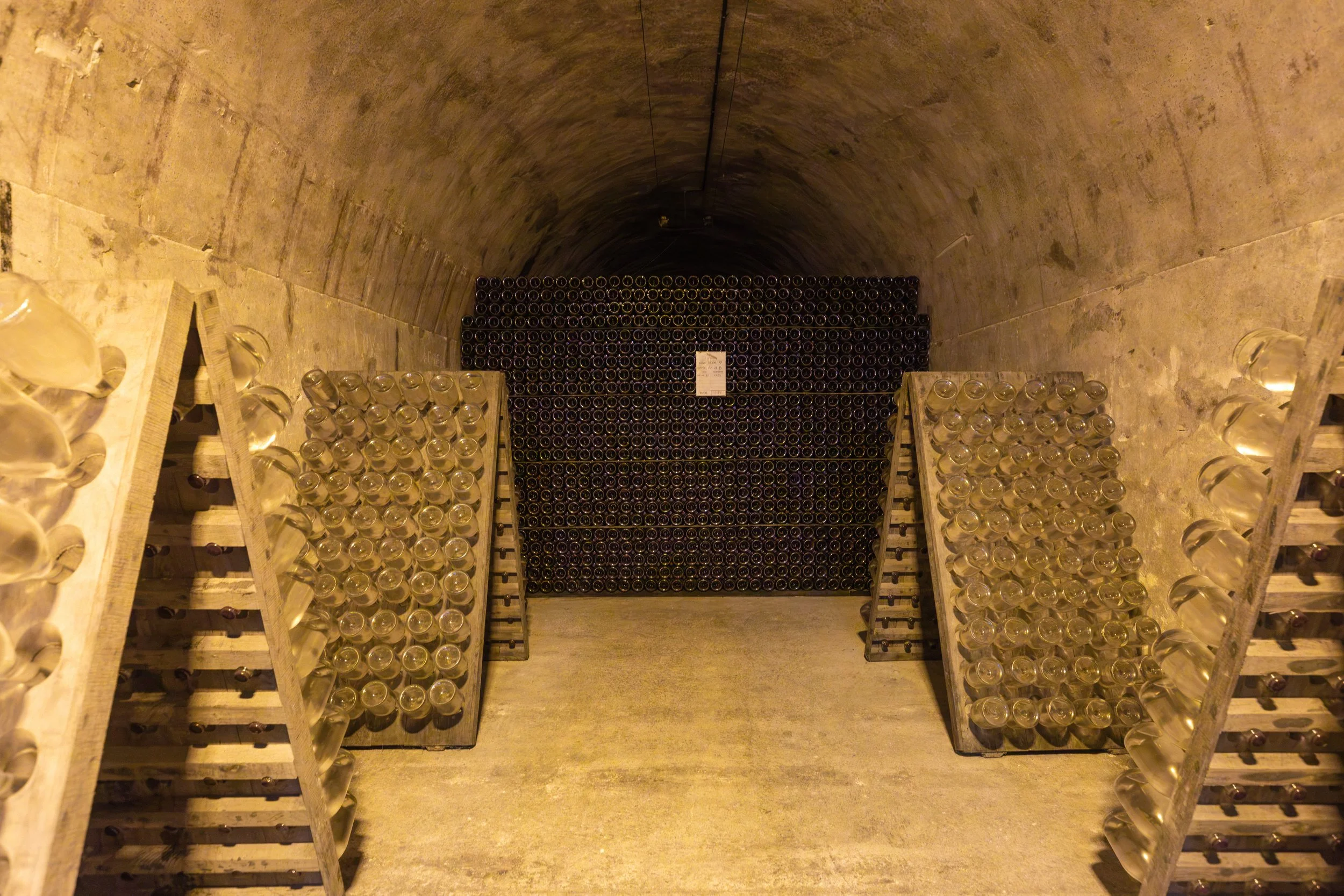
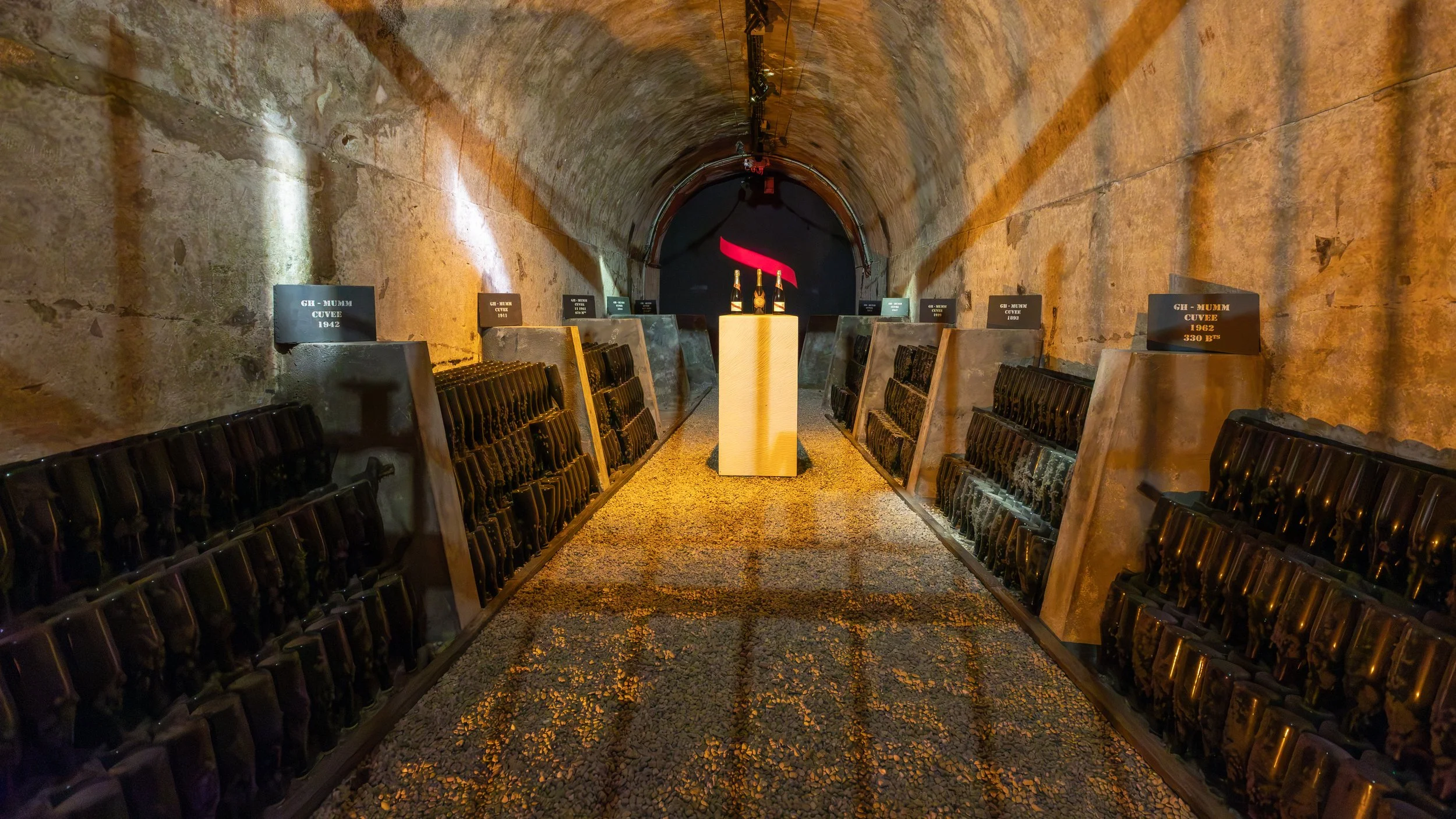
Rome wood racks in the extensive cellar
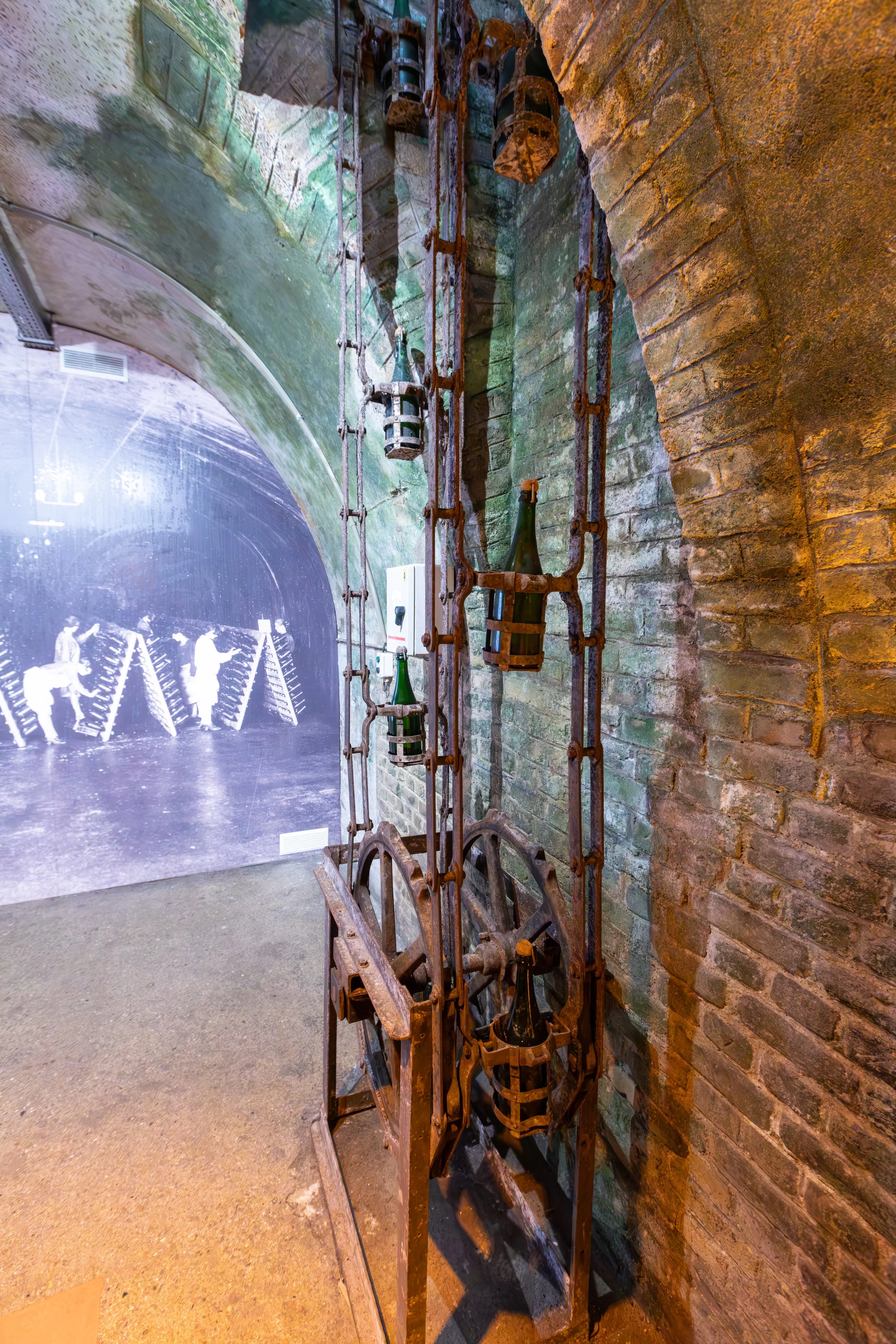
Antique bottle conveyor used to move bottles between cellar levels
More of the cellar with the signature red stripe on the wall
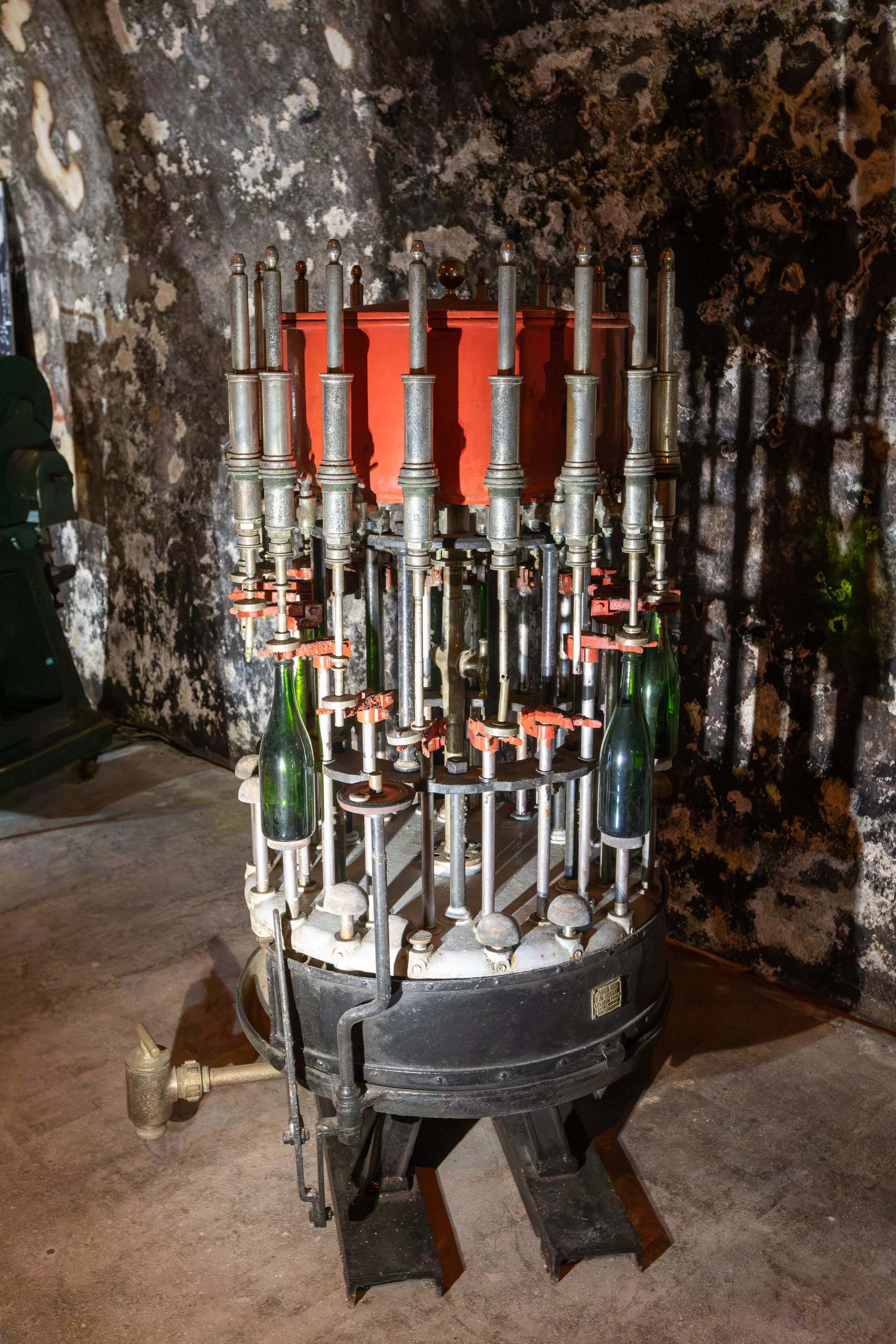
Vintage rotary bottle-filling machine
After the cellar tour, we enjoyed our champagne tasting before heading back to the hotel and on to dinner in the city centre.
May 18
After an early breakfast, we made our way towards Paris Charles de Galle for our flight back home to Toronto. We enjoyed our long weekend and had a terrific flight back to Toronto.