Faroe Islands
Jul 31-Aug 4
FL604 YYZ-KEF, FL300 KEF-FAE, FL301 FAE-KEF, FL605 KEF-YYZ
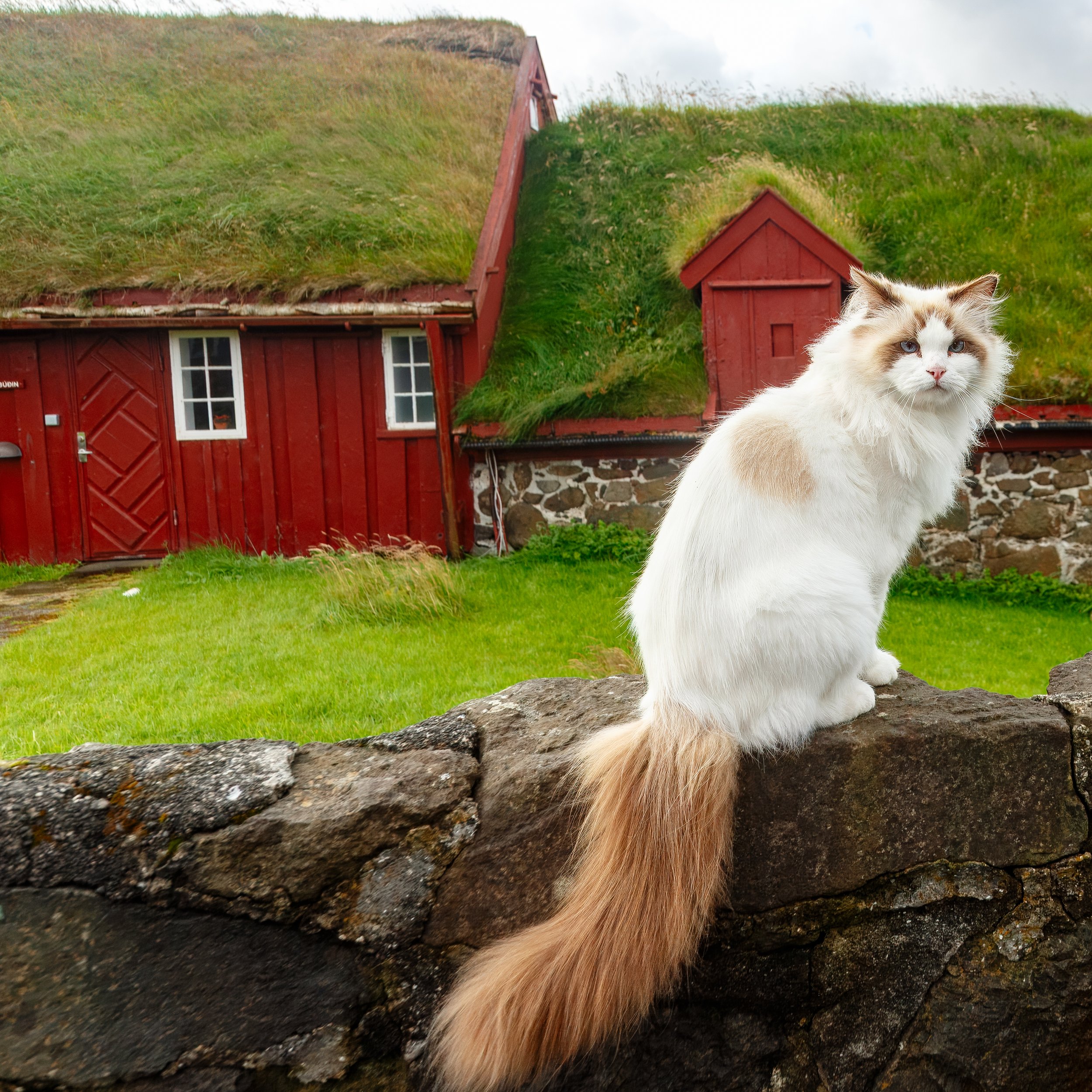
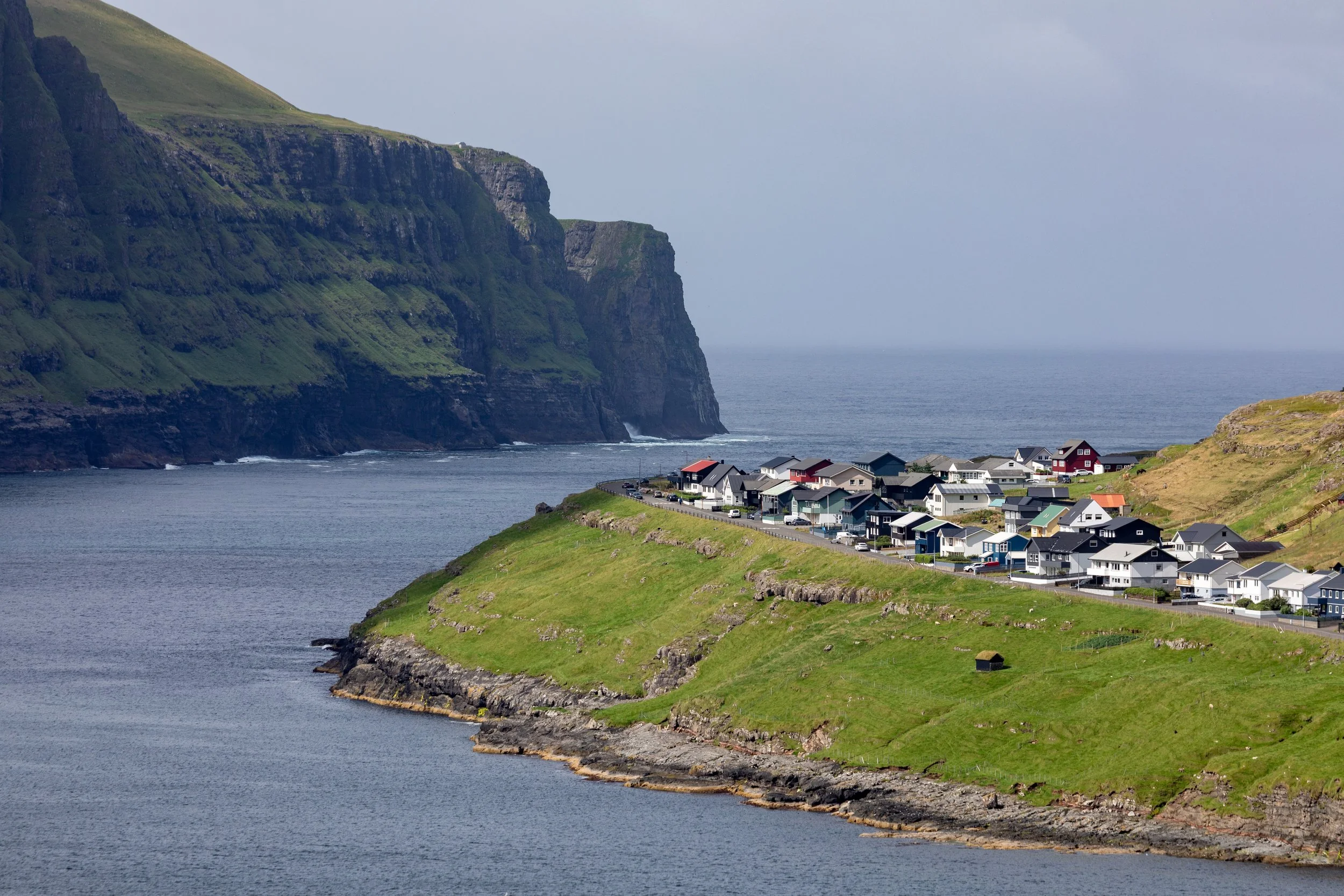
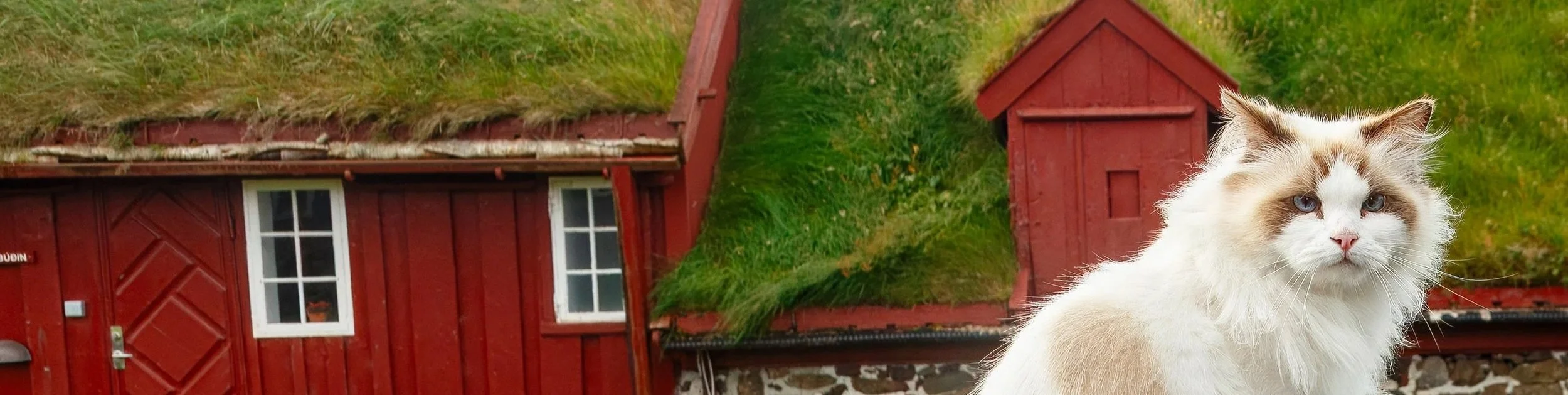
We adopted two farm cats in the spring of 2023. Not being as skilled as T.S. Eliot, we asked my sister and sister in law to name them, as they are good with themed pet names. Since we like to travel, they suggested to name them Faroe and Devon, for northern islands. Devon is very isolated in far Arctic Canada, and unlikely to be on our vacation list, but we’d been wanting to go to Faroe Islands for awhile. We were able to make it happen for the August long weekend. The Faroe Islands are an isolated territory of Denmark, similar in status to Greenland, and are located between the Shetland Islands of Scotland and Iceland.
Aug 1
After an overnight flight through Iceland, we arrived early afterwards to the airport in Vagar, one of the larger of the islands in the Faroe archipelago. Although connected via tunnel to the other islands, we were incentivized by the expensive tunnel tolls to visit the attractions on this island before moving onto the capital, Tórshavn.
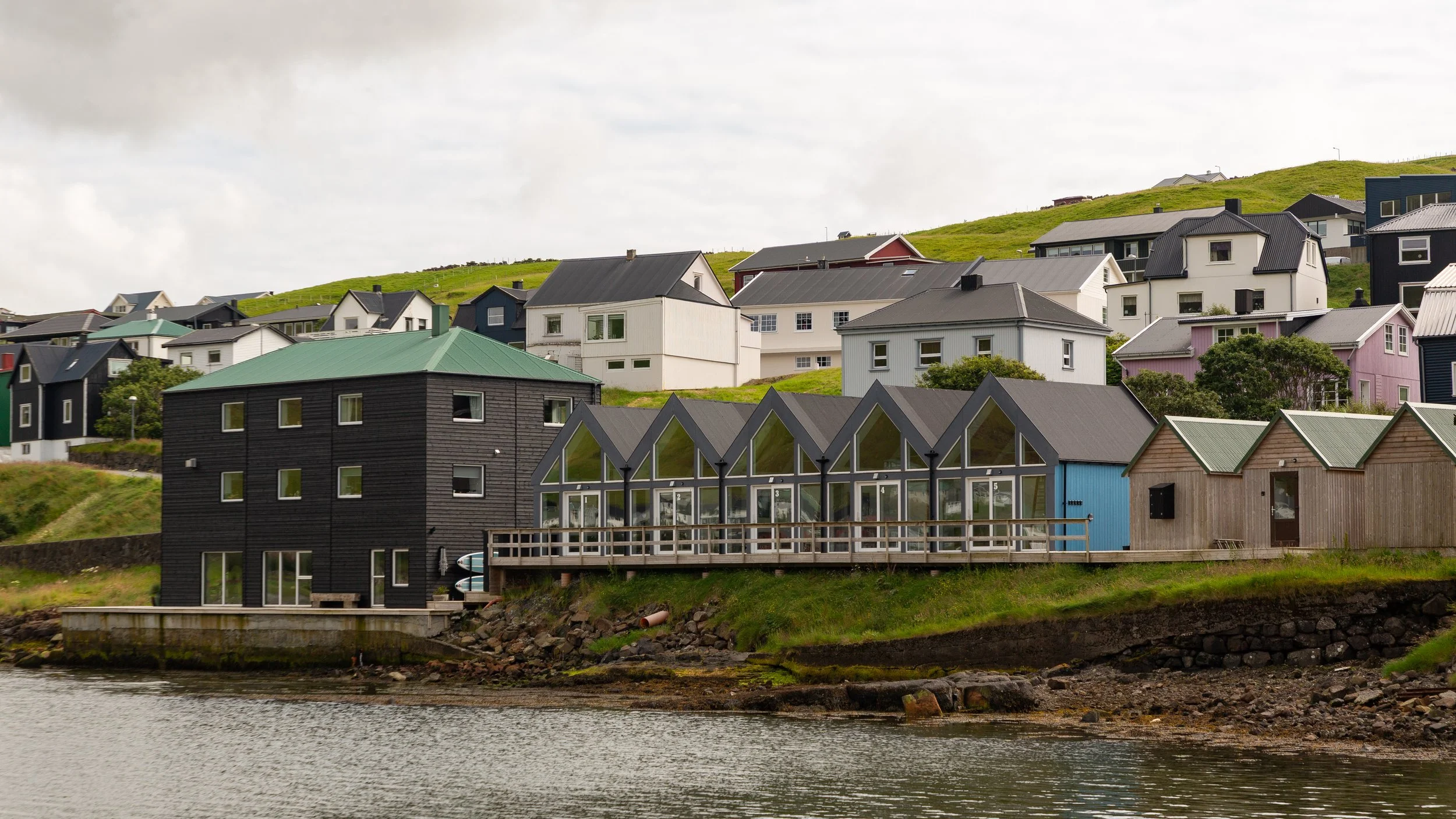
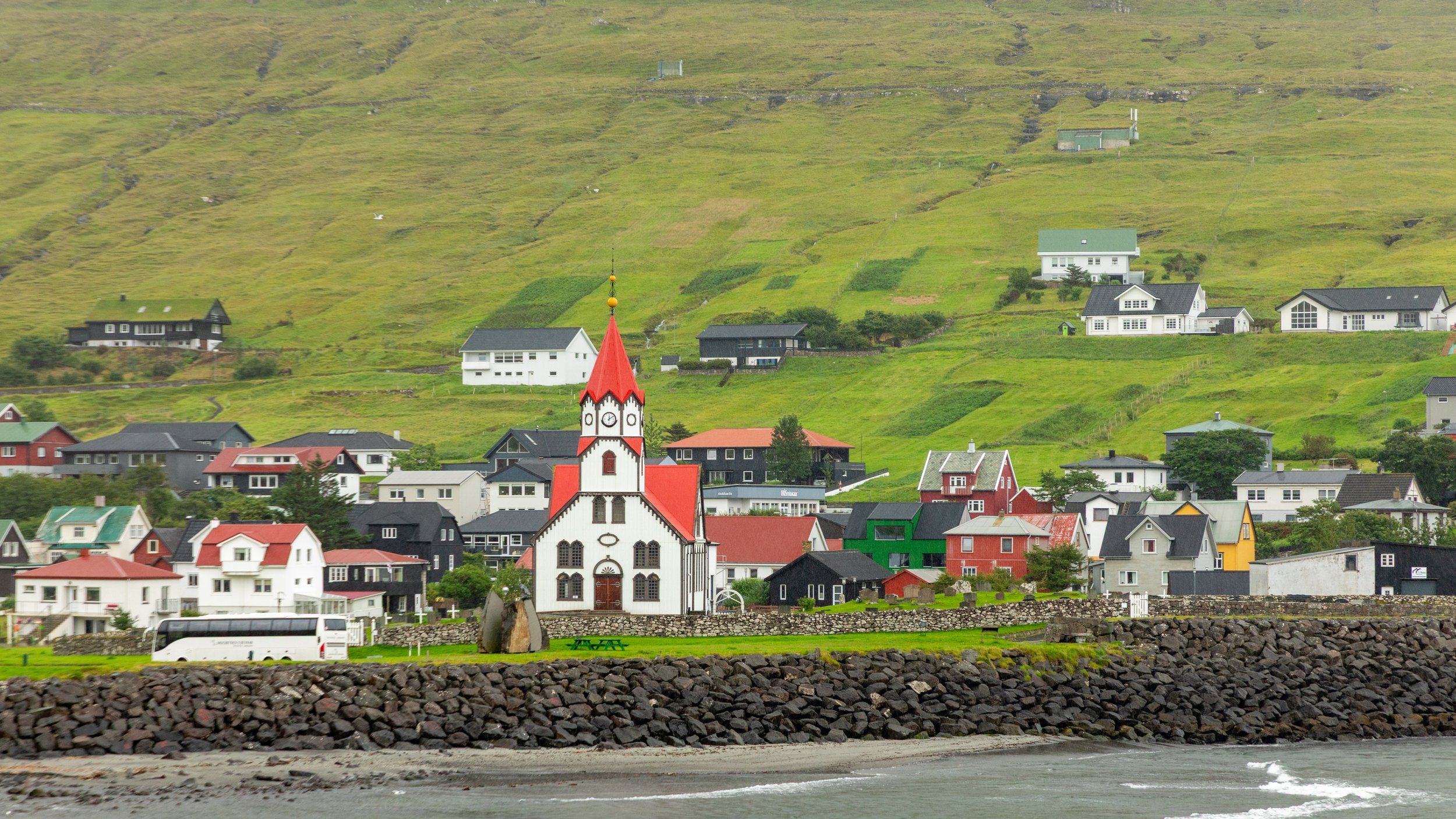
Sørvágur, one of the oldest villages in the Faroe Islands
After buying tickets for our boat tour, looking across the fjord from Sørvágur
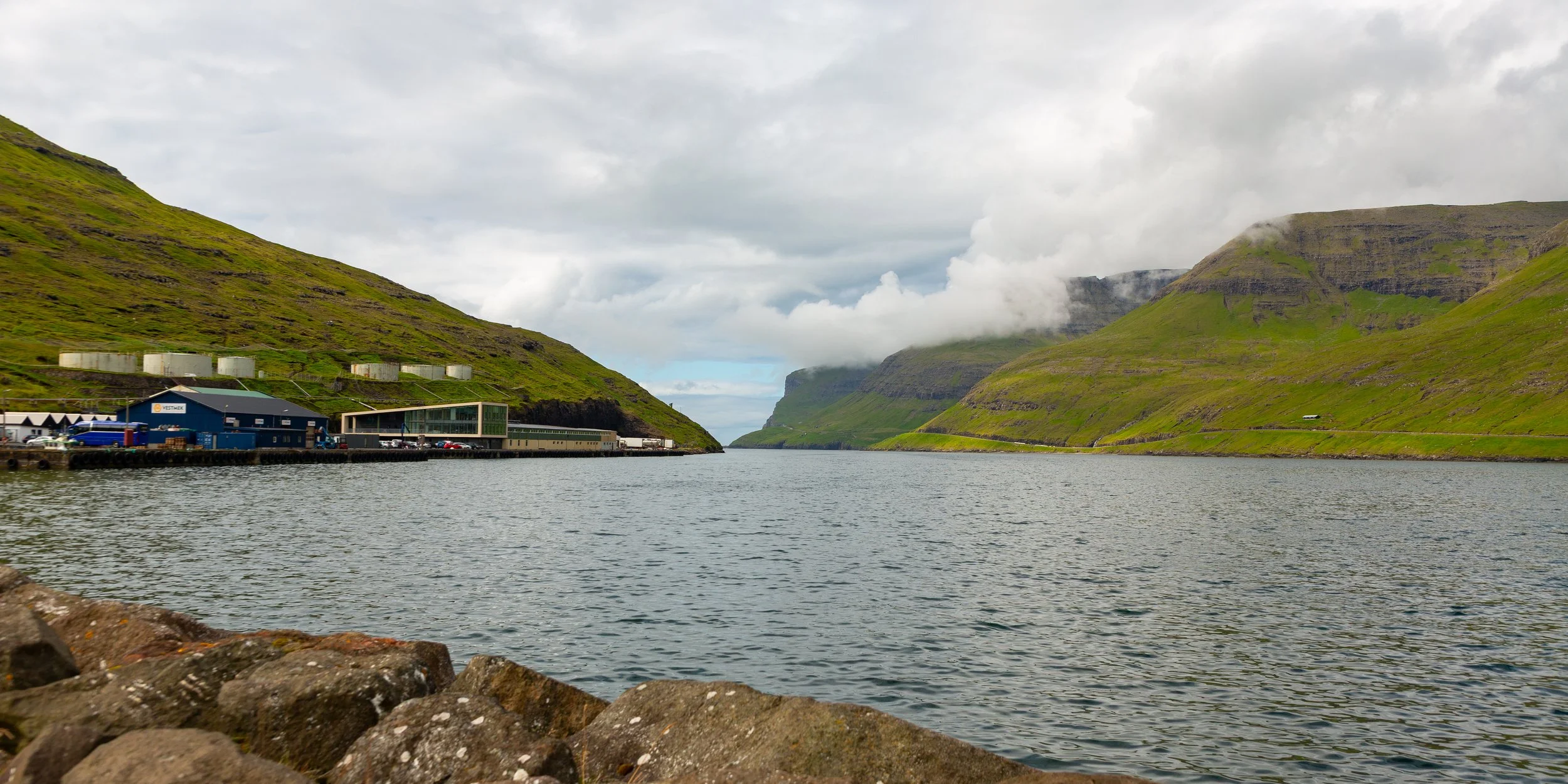
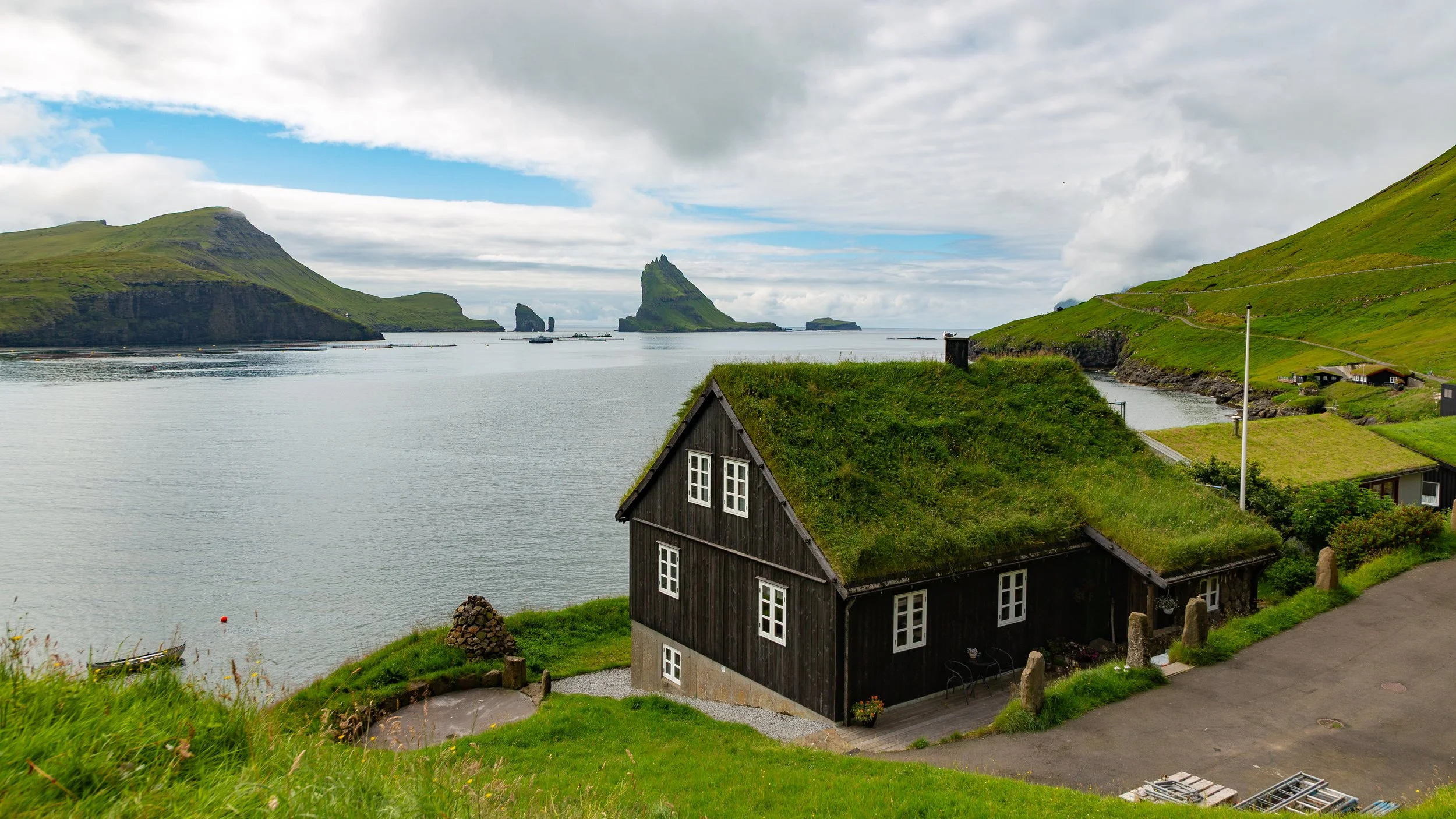
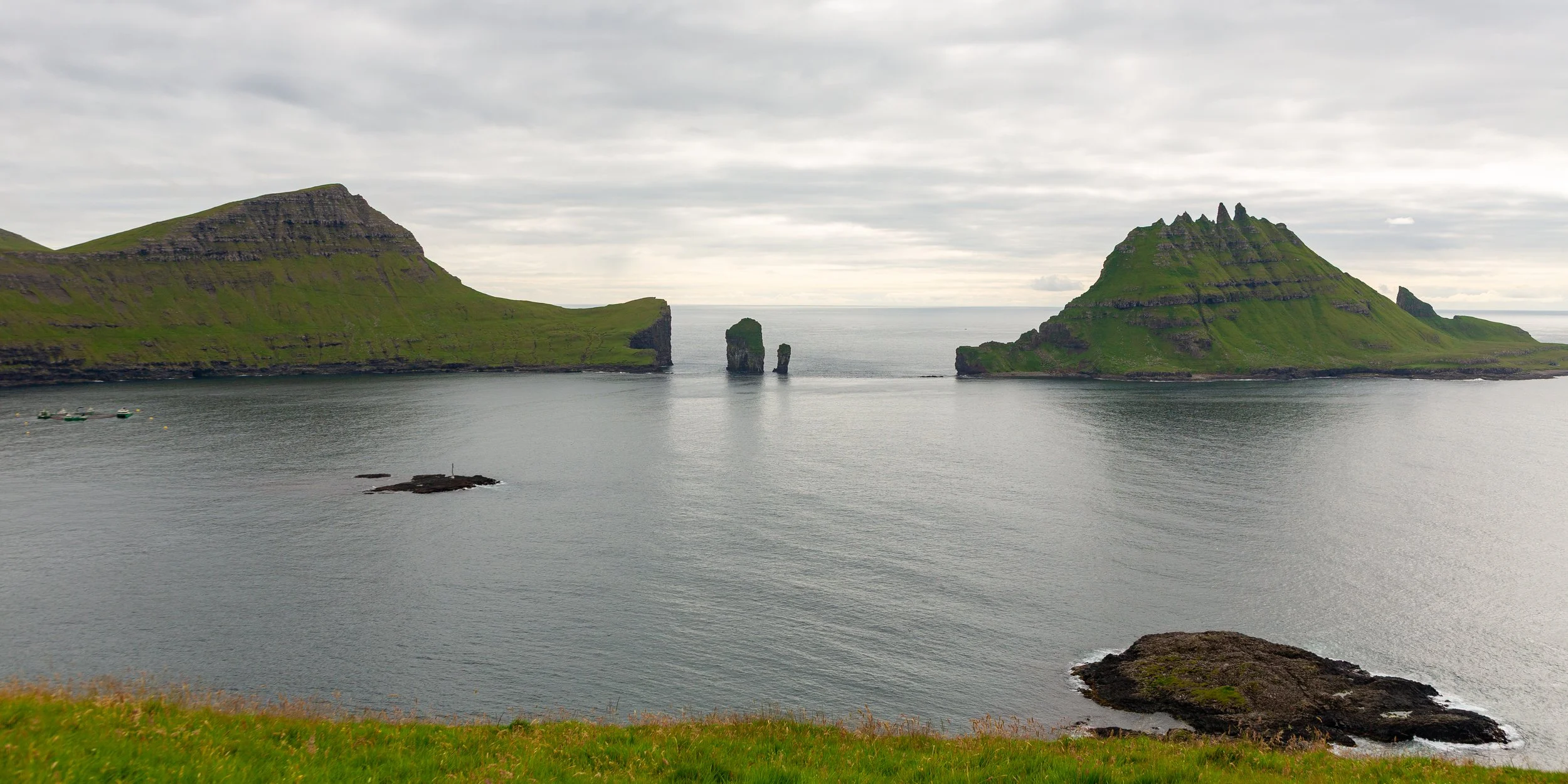
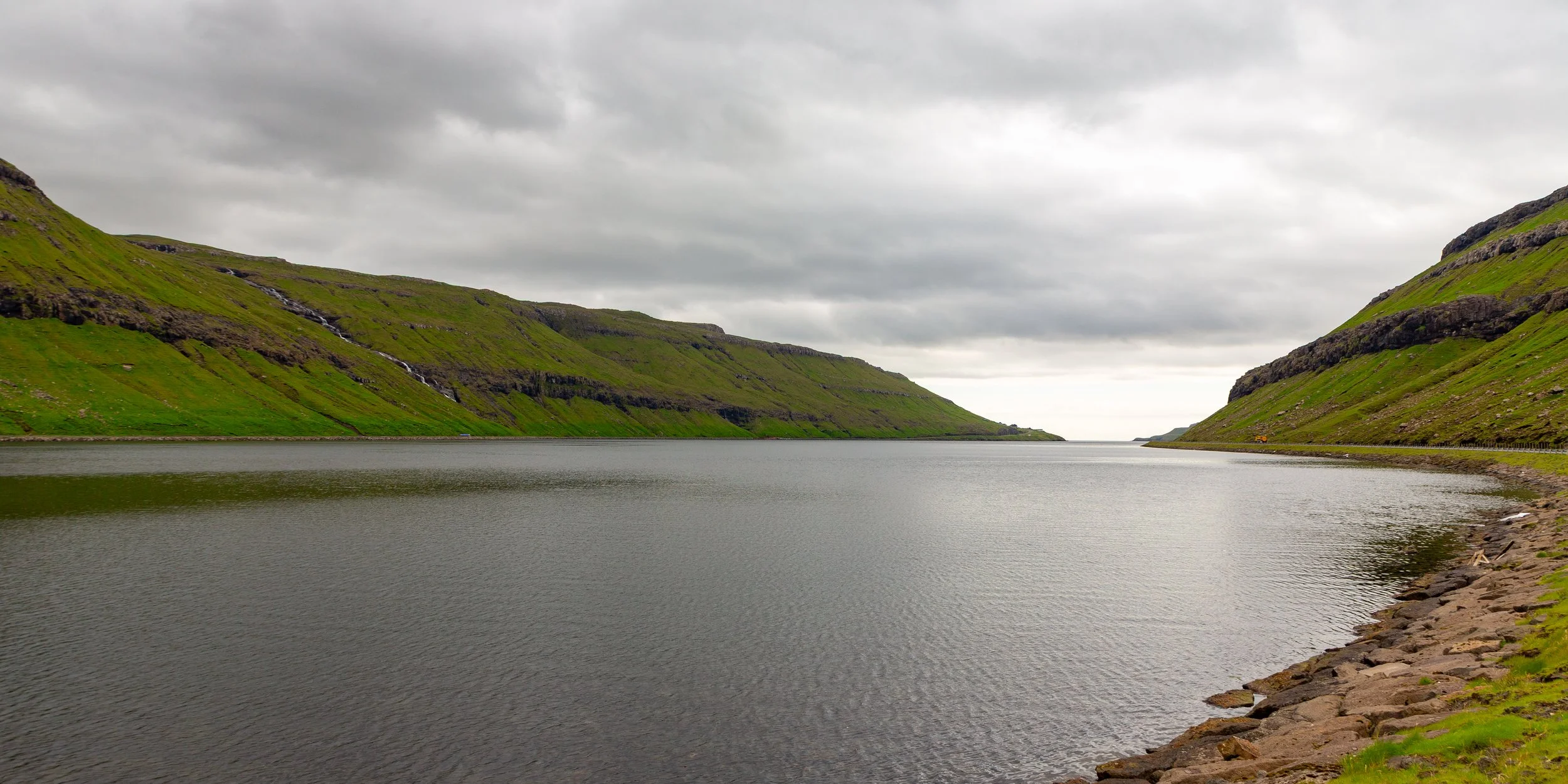
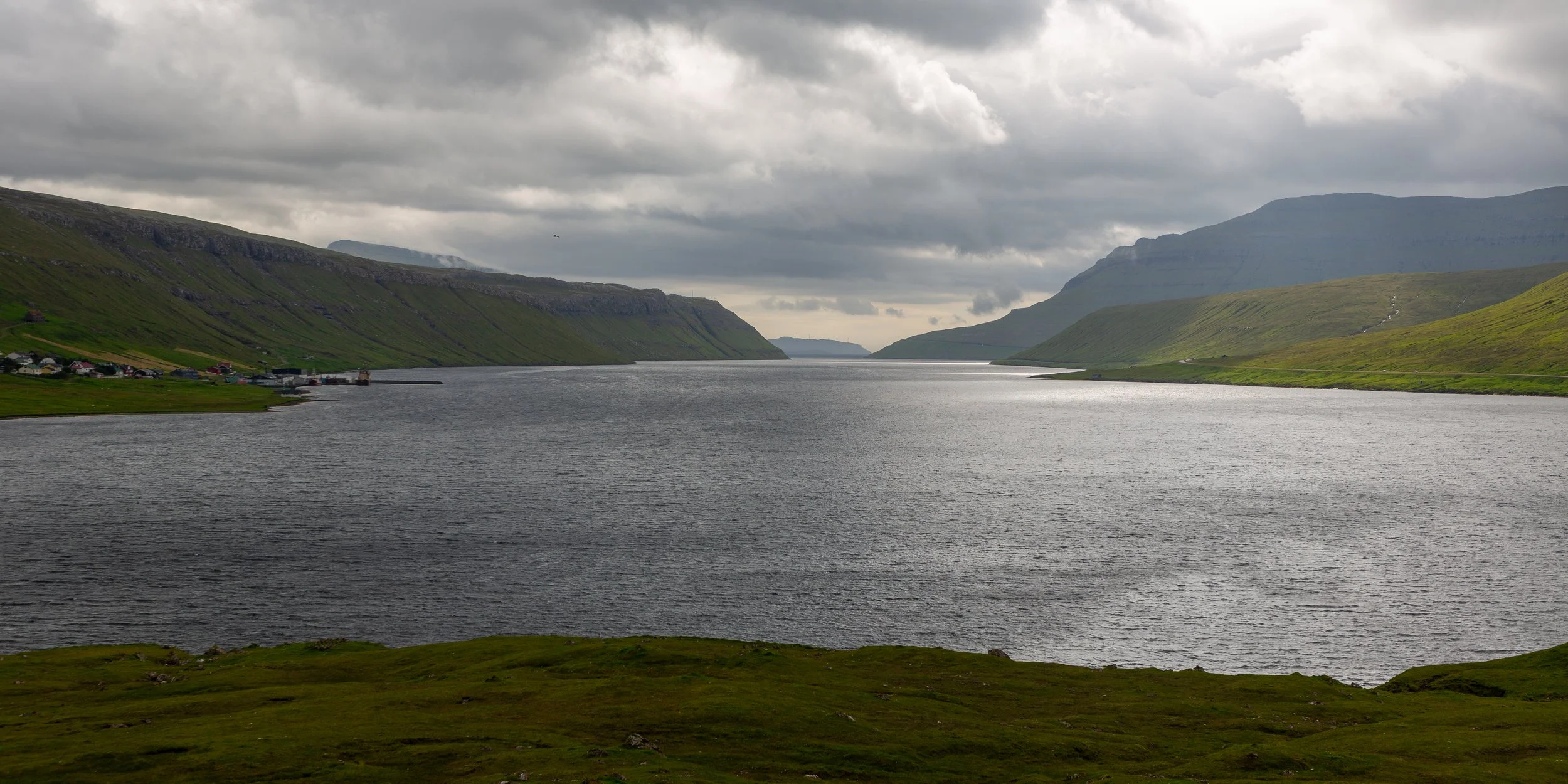
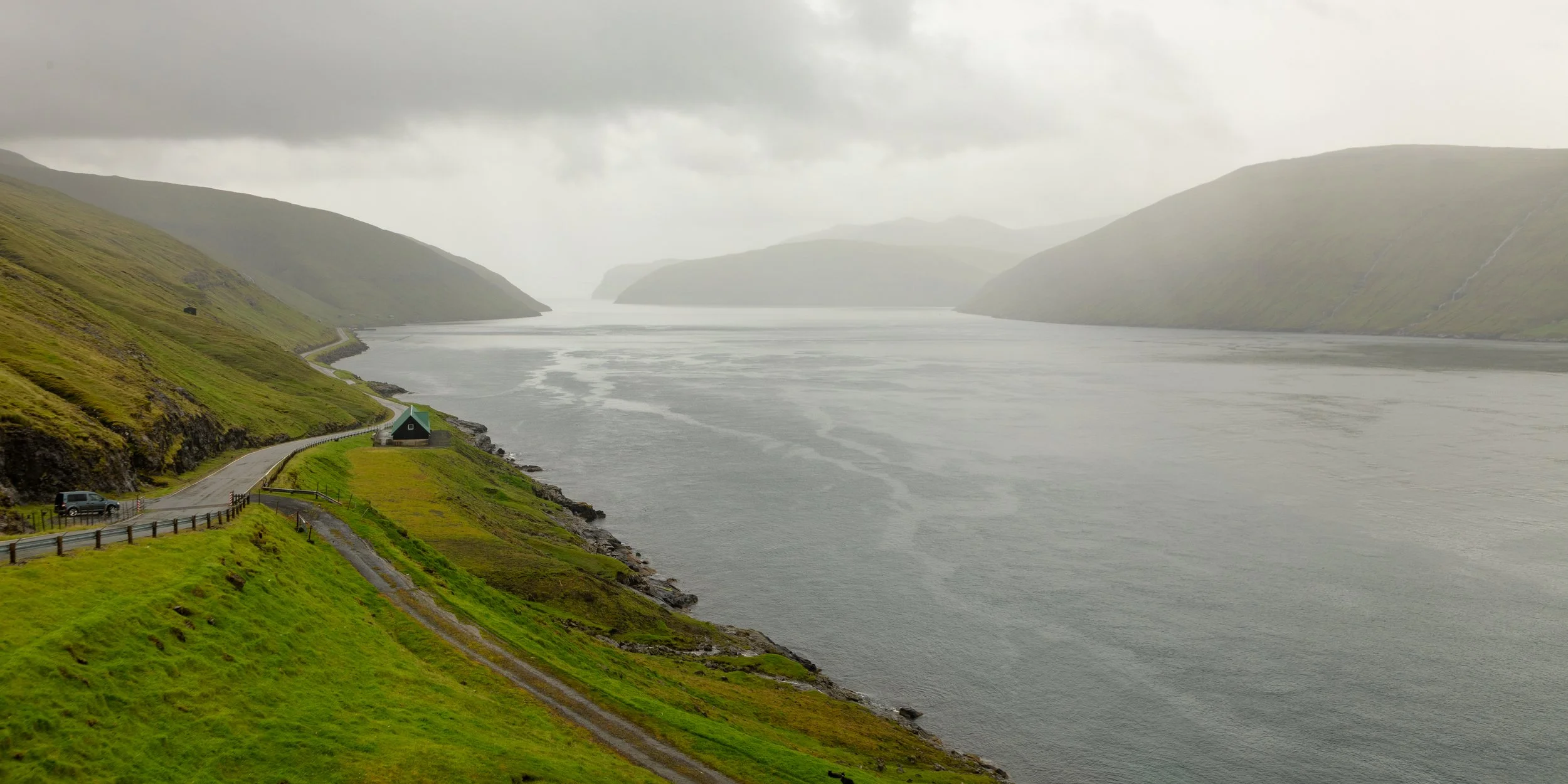
Islands at the end of the fjord leading leading into the north Atlantic
Exploring Bøur, a village located on west side of Vágar
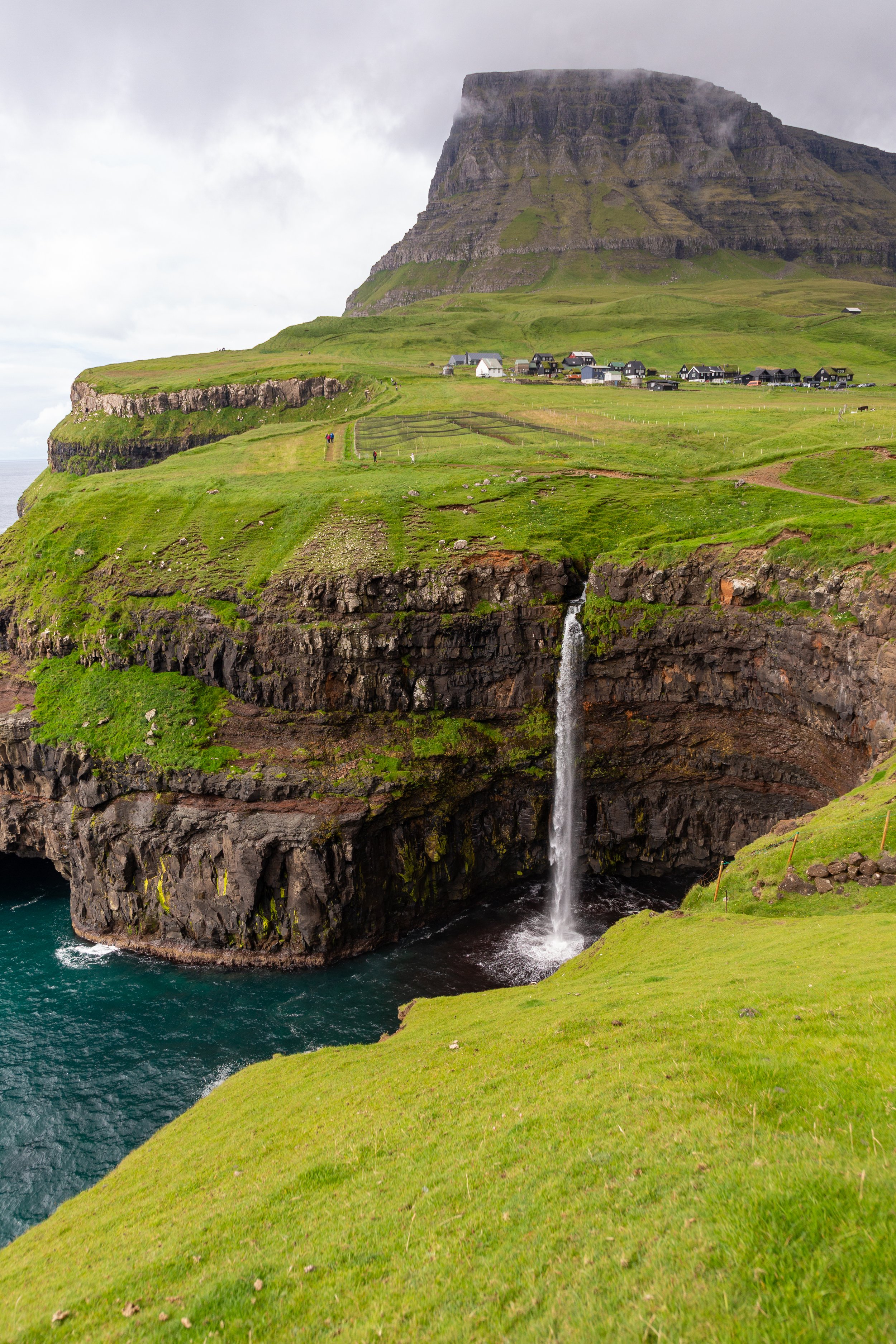
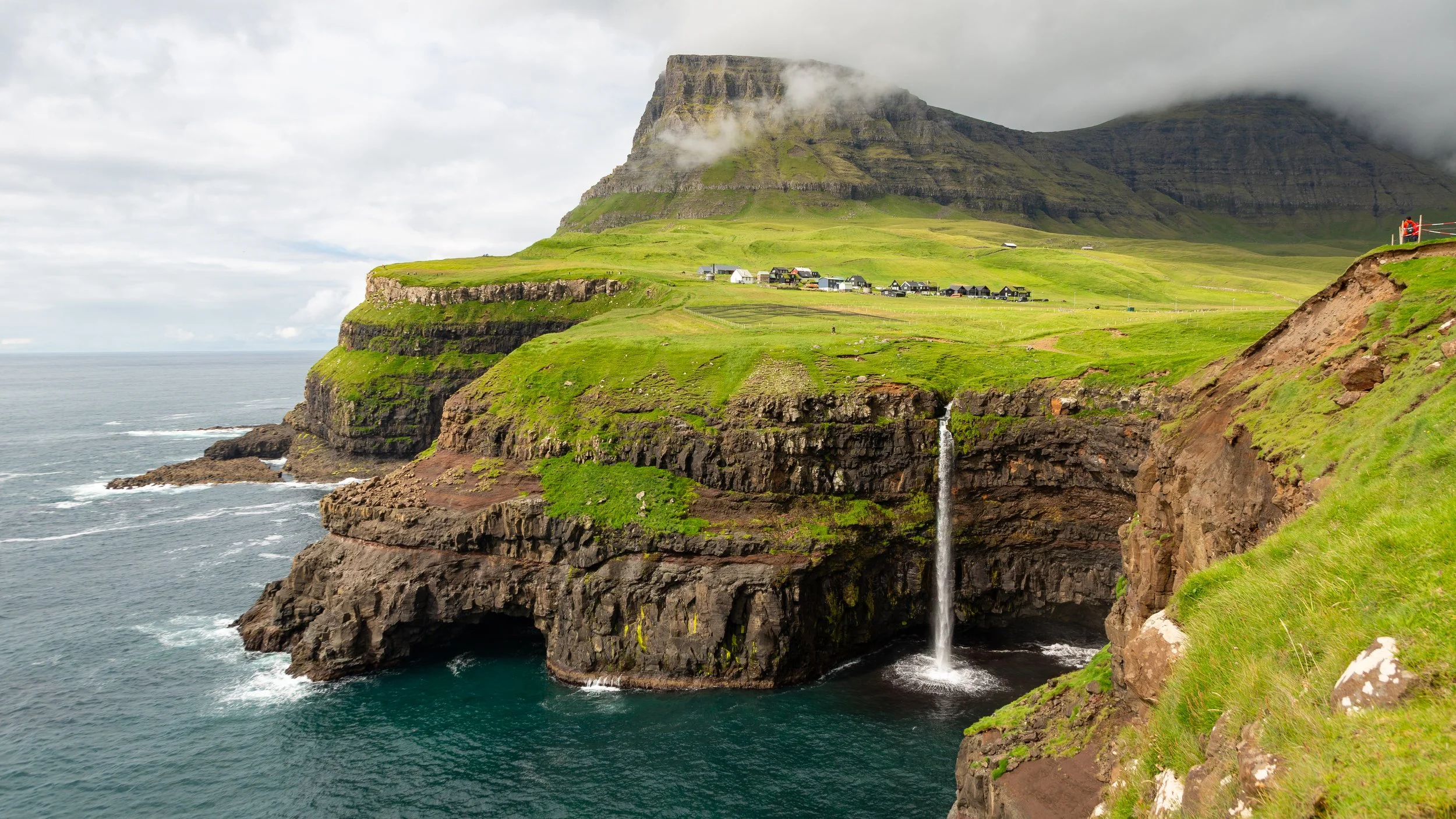
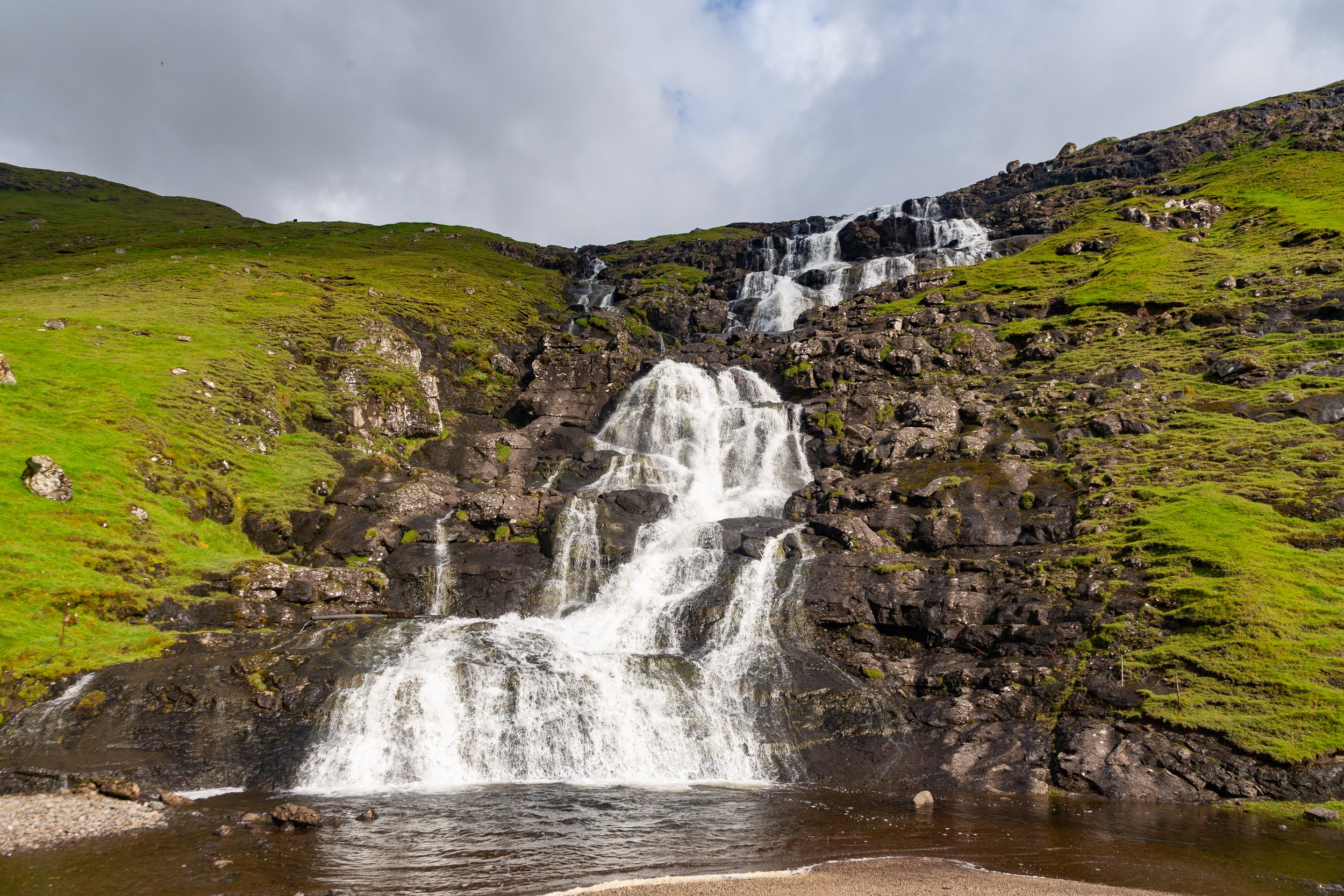
After passing through a one-lane tunnel, we reach Múlafossur Waterfall
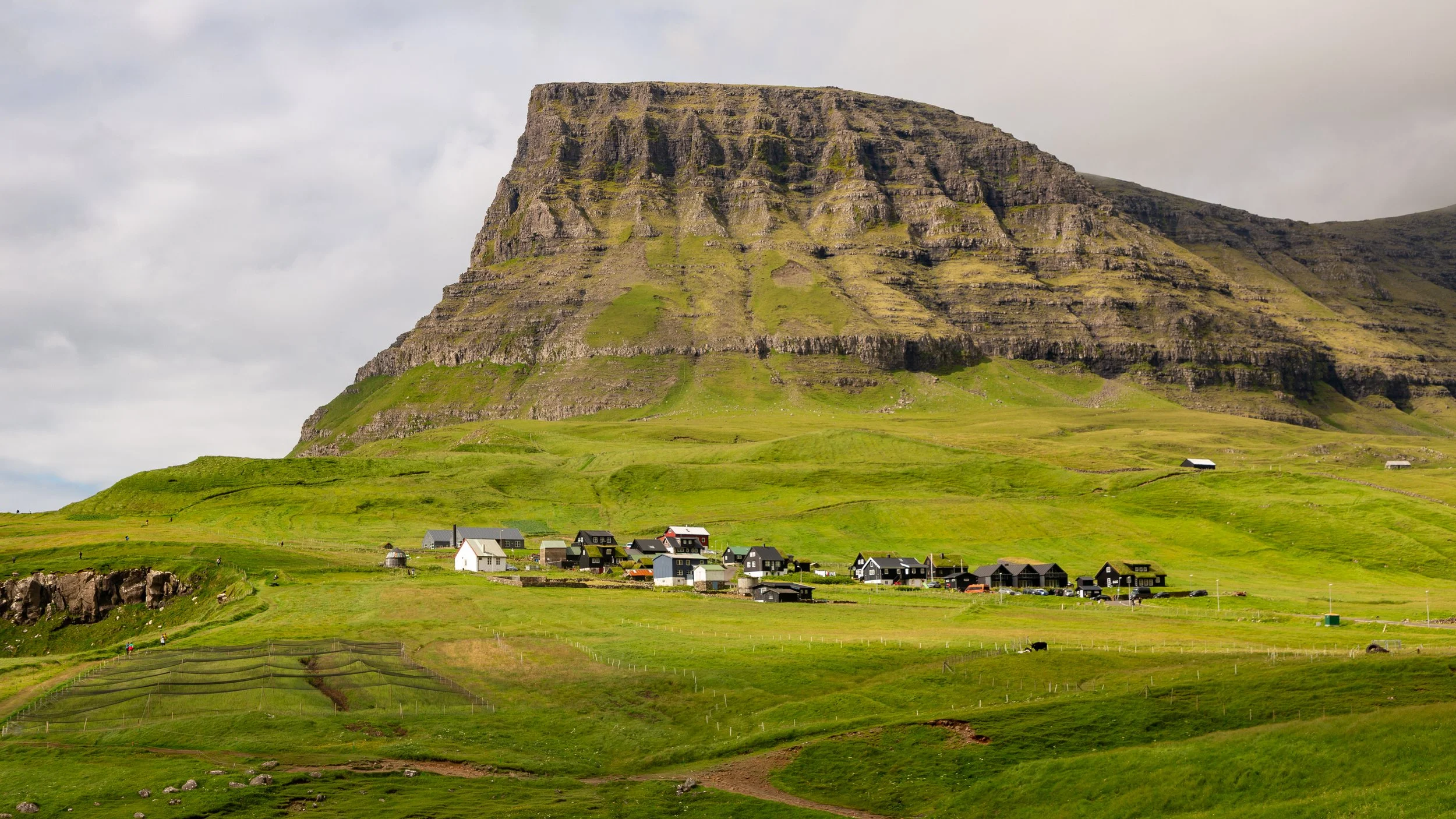
Broader perspective of the northwest coast, with the small village of Gasadalur behind
Árnafjall mountain peak
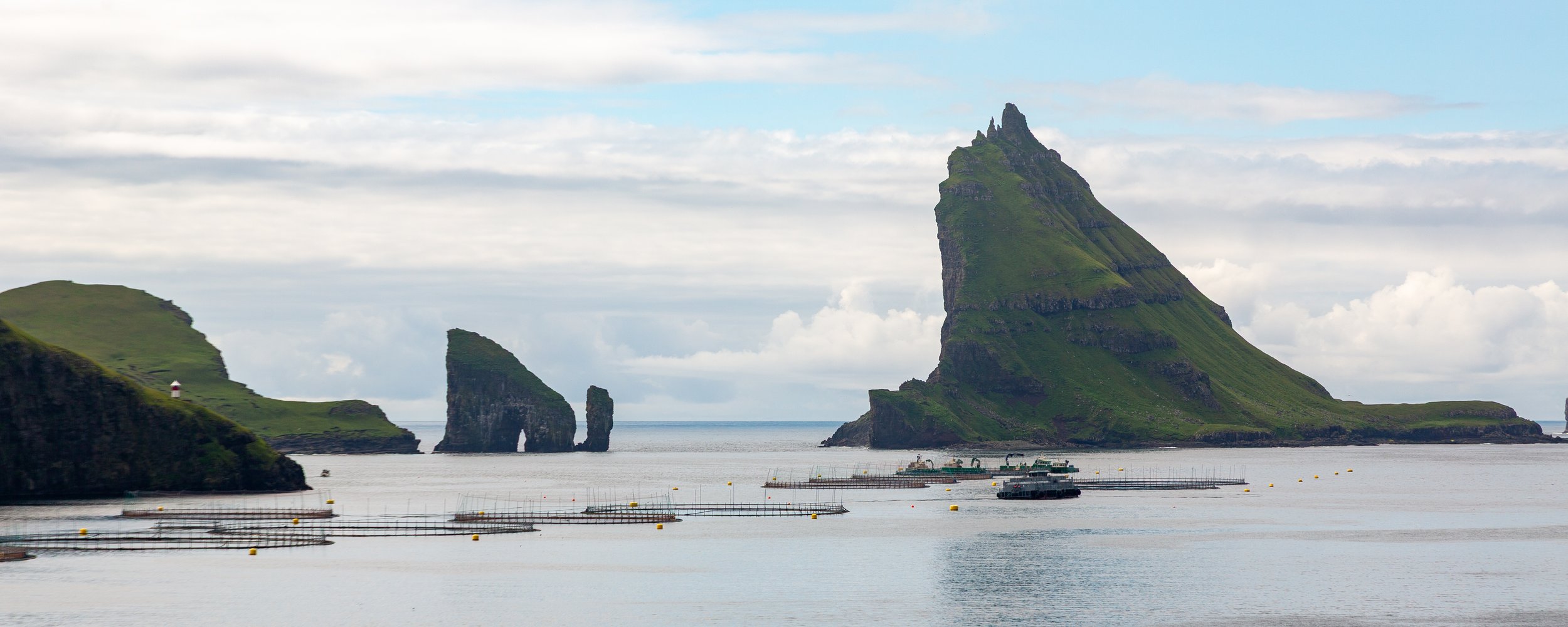
Looking across the fjord to the southwest tip of the island, with Drangarnir and Gáshólmur islands
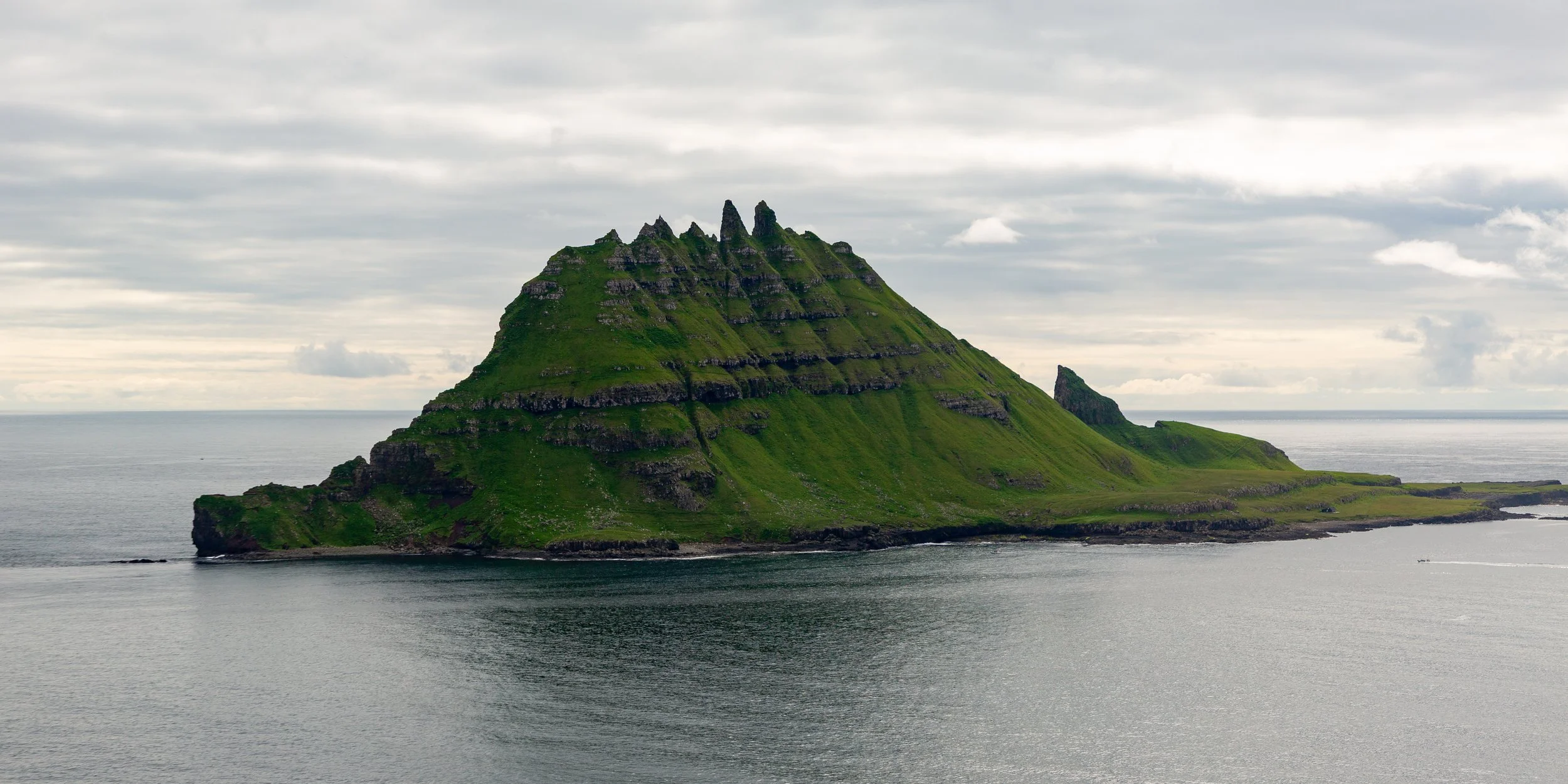
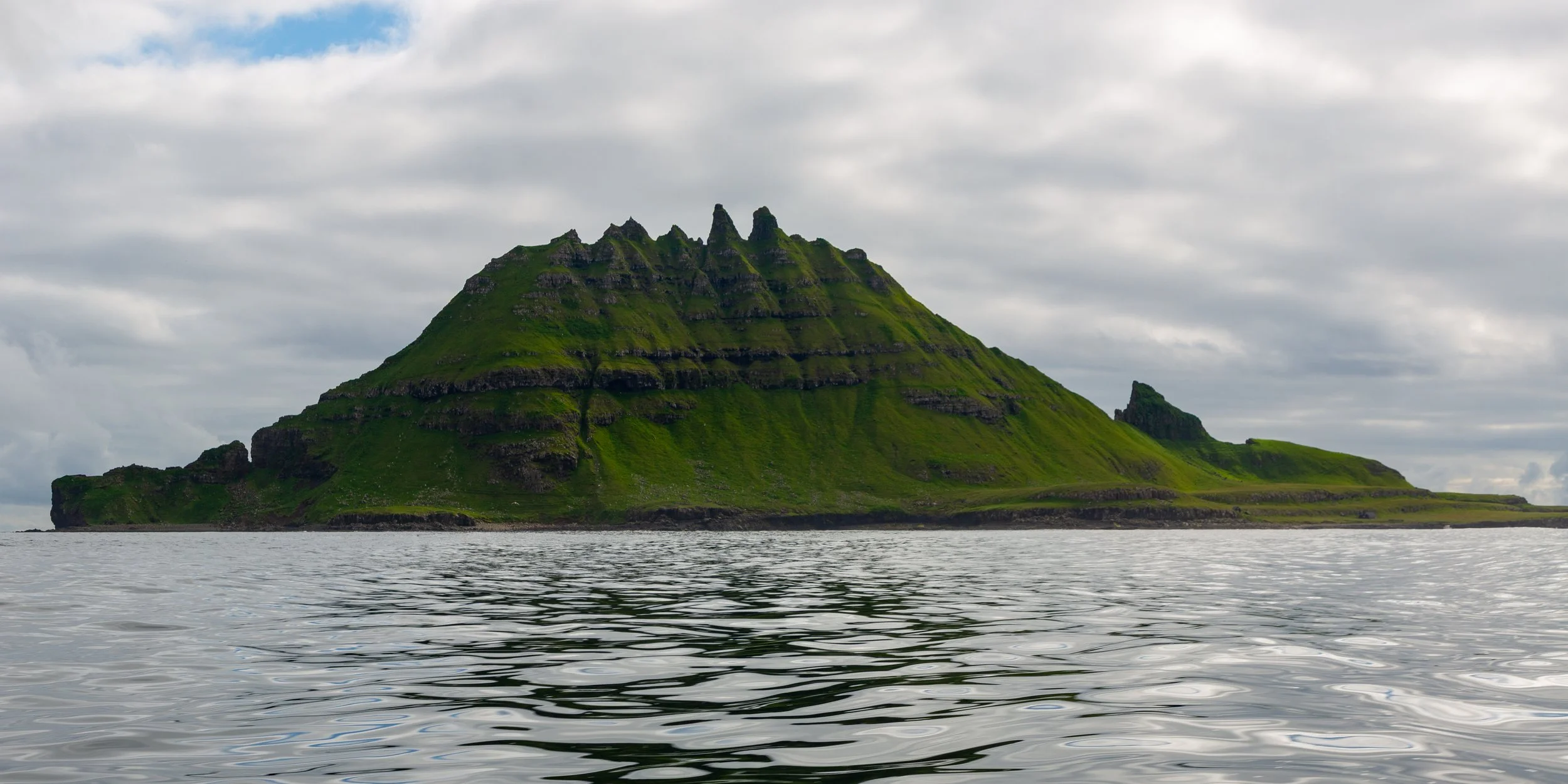
Zooming into Gáshólmur island
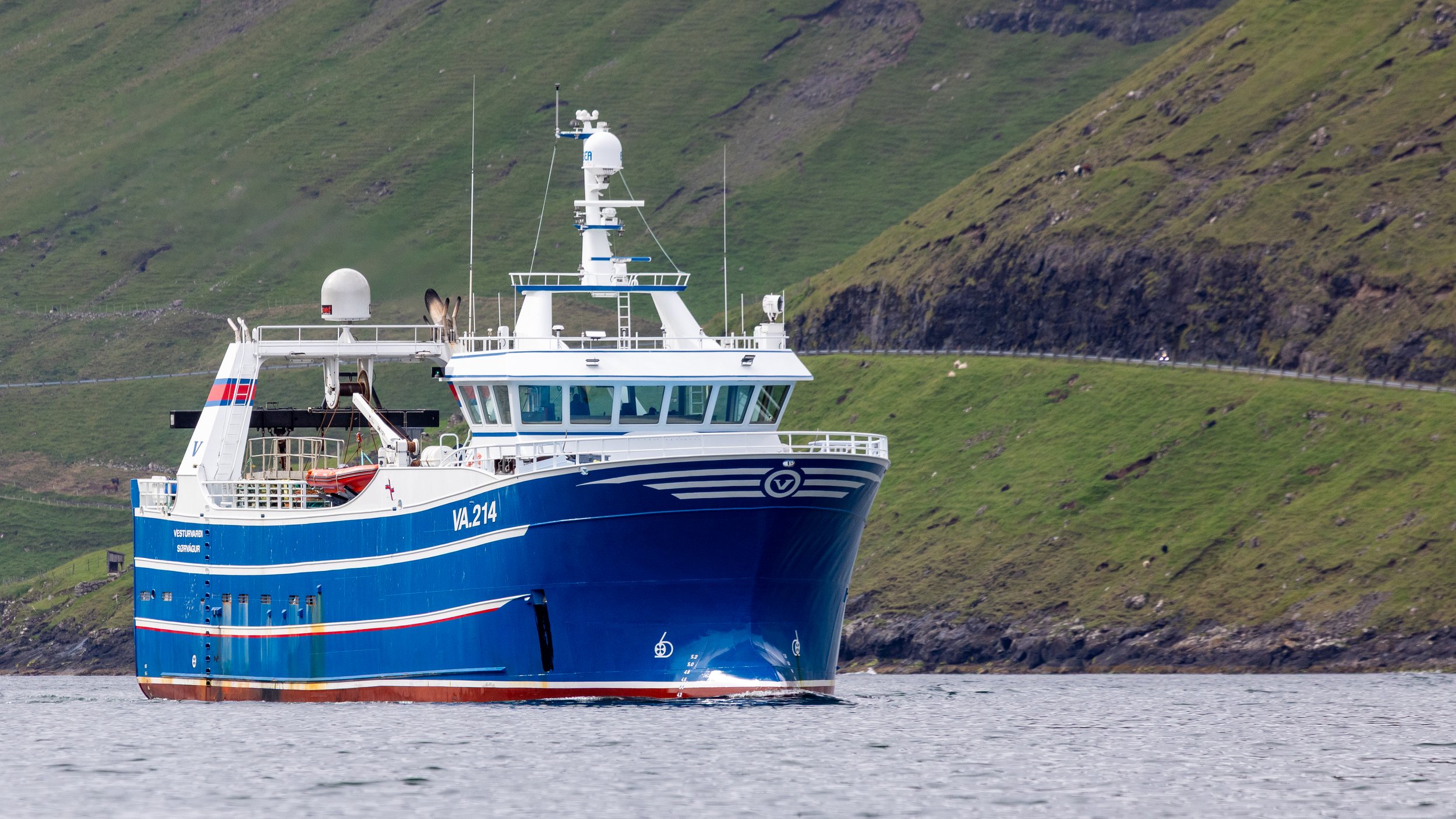
Heading out on our boat tour we pass by a fishing boat
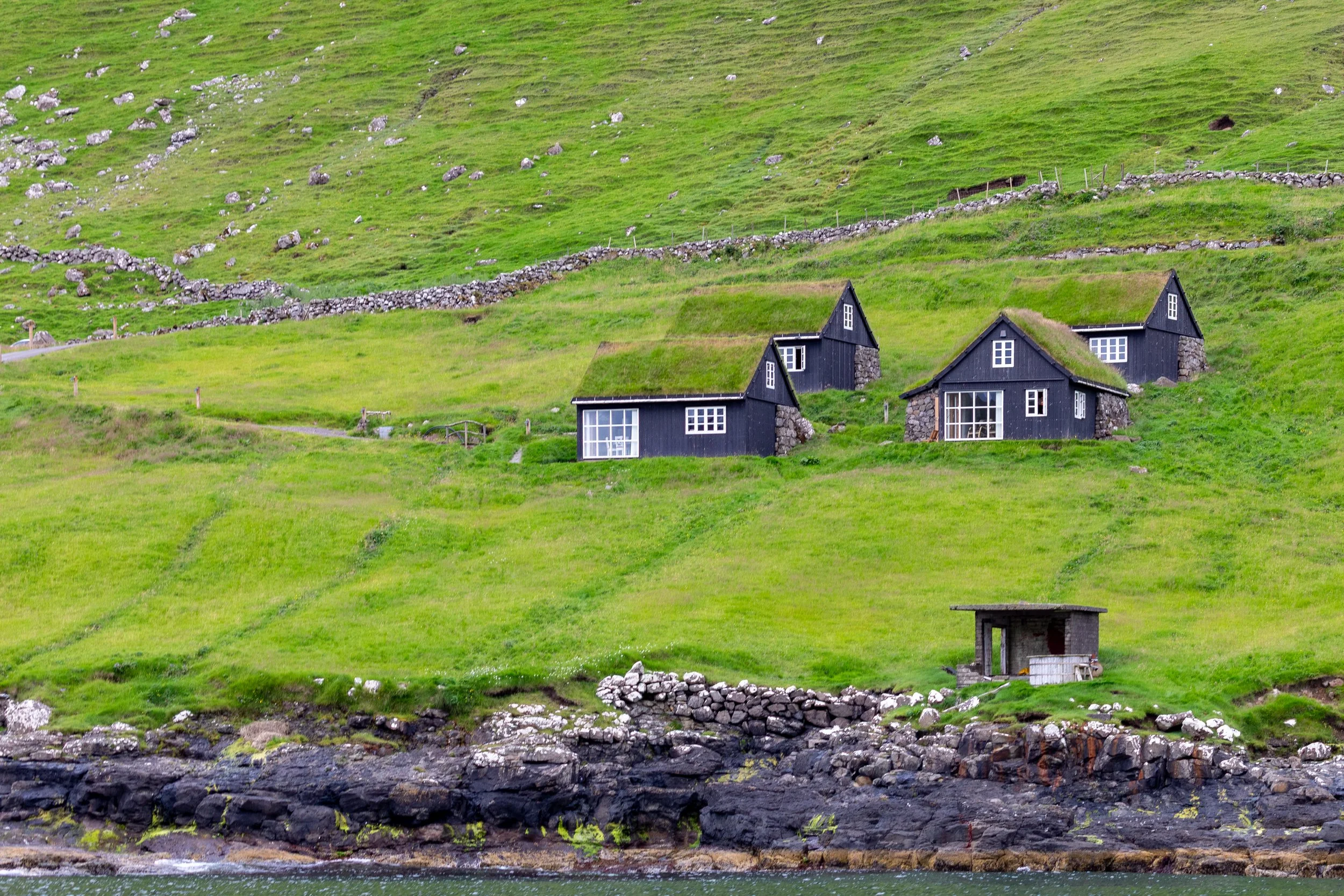
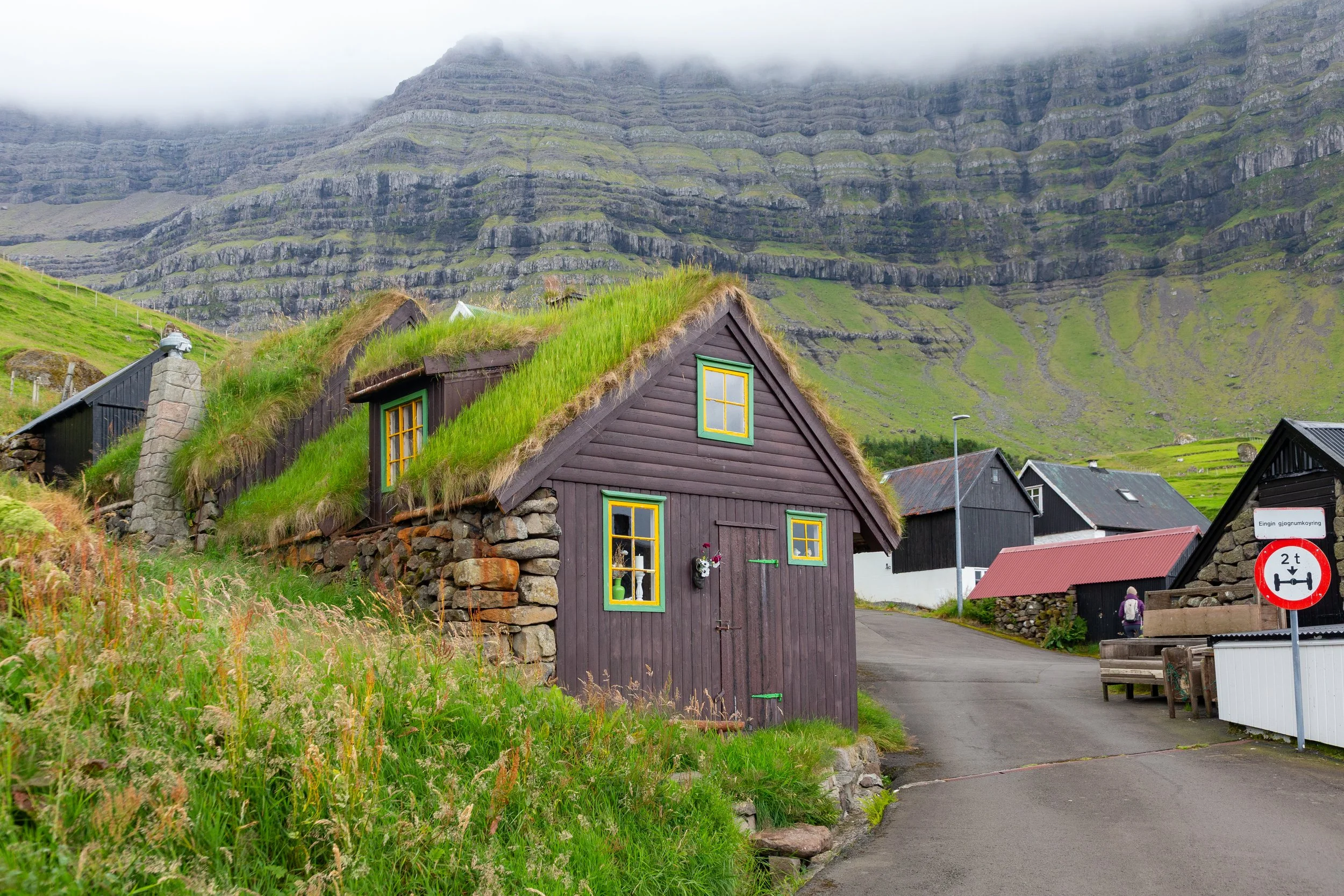
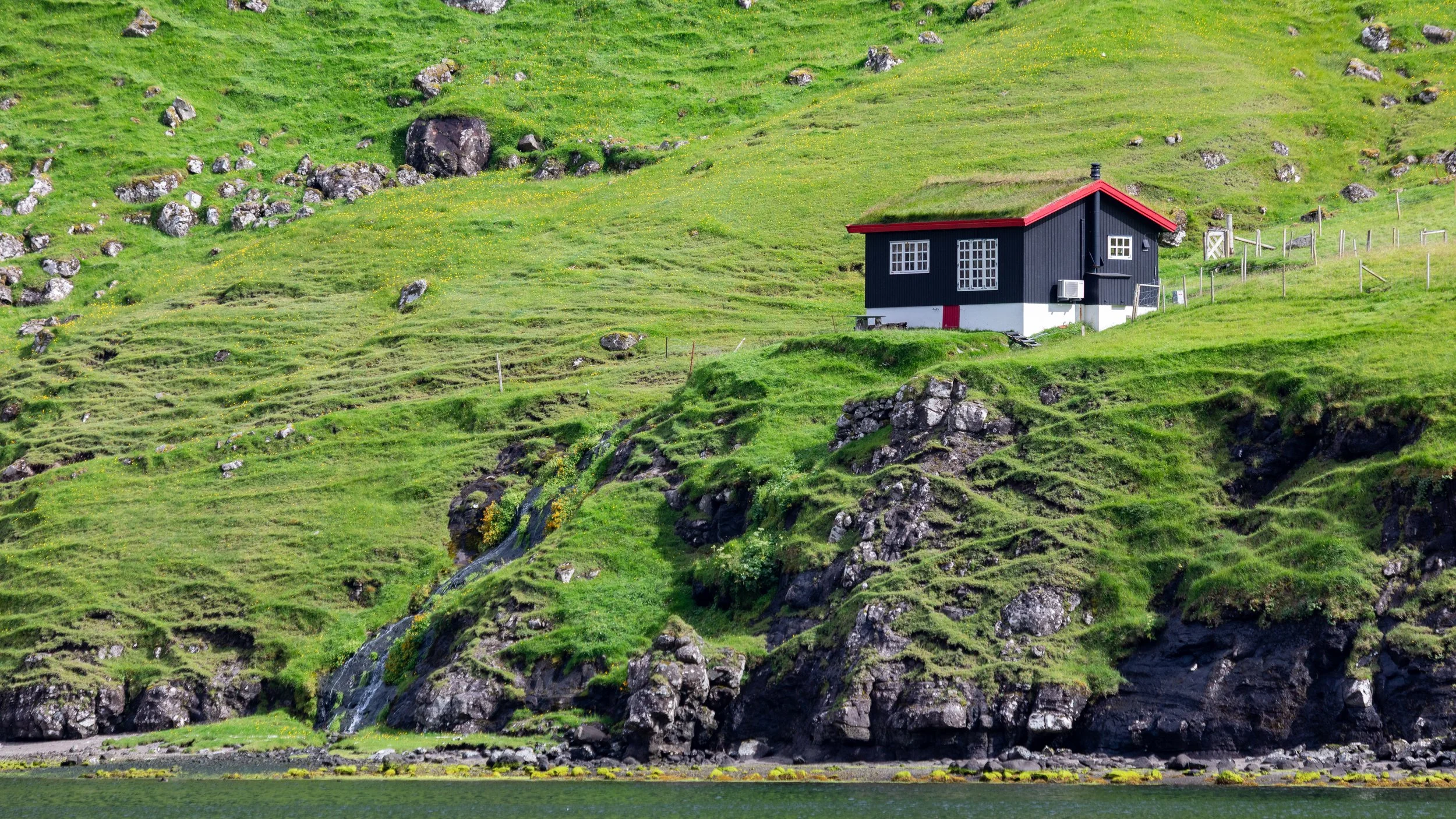
Traditional sod-roofed house along the coast
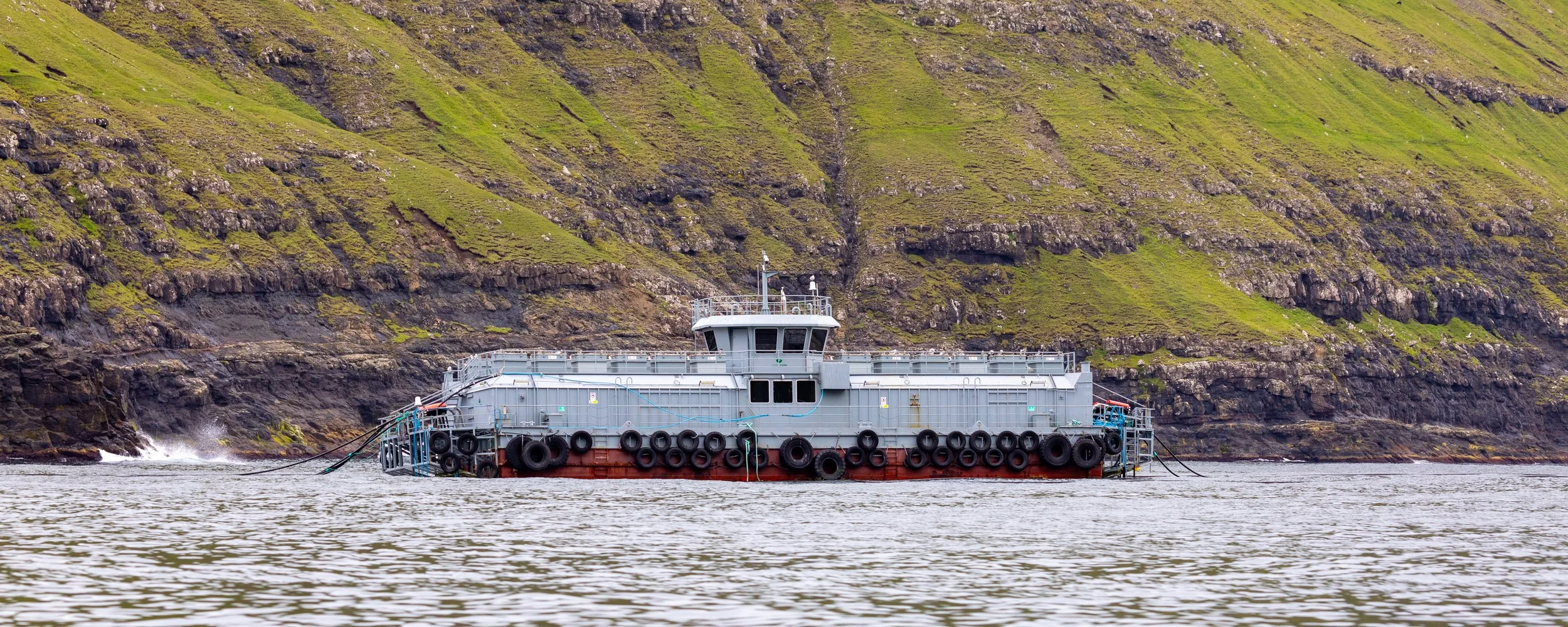
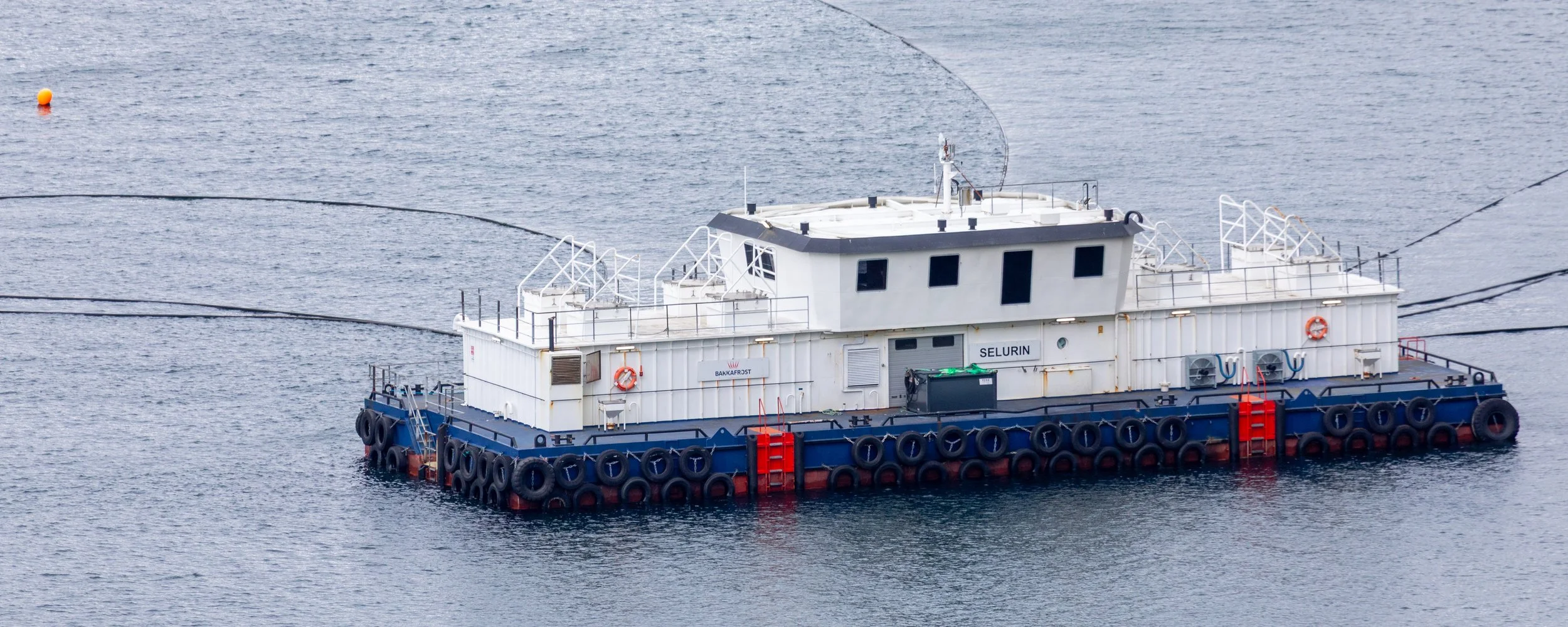
A feed barge to support farmed salmon, one of the key industries in the Faroe Islands
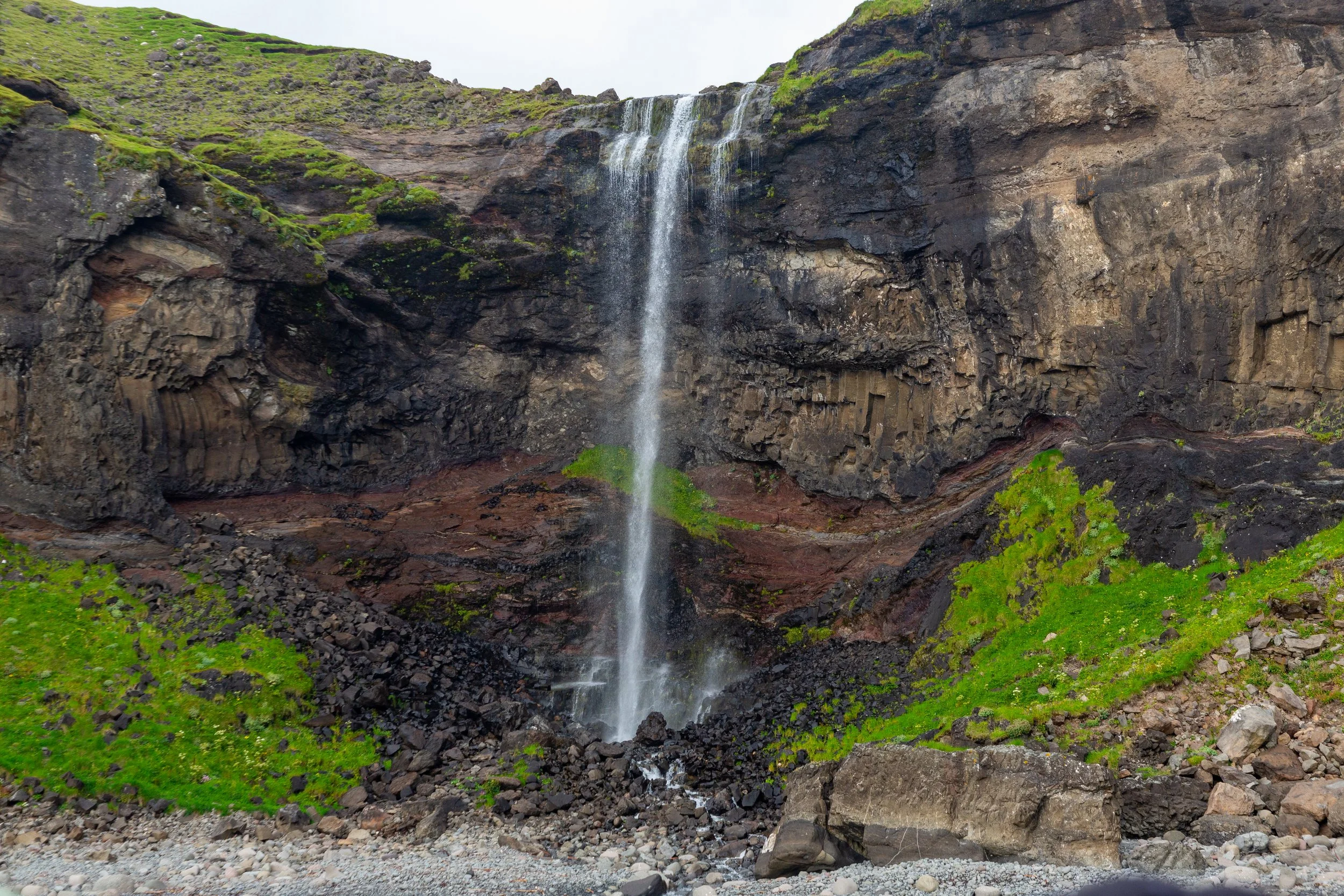
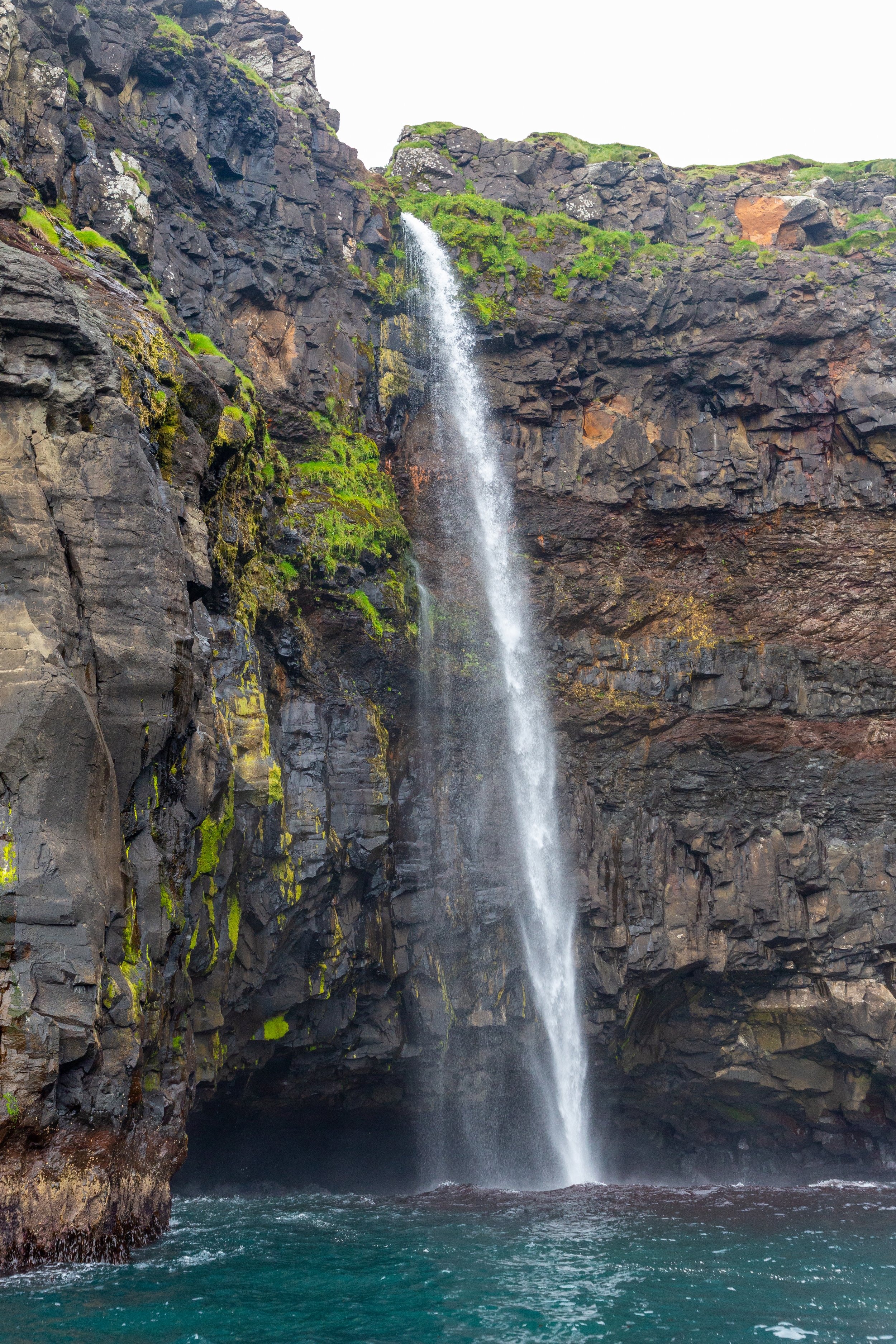
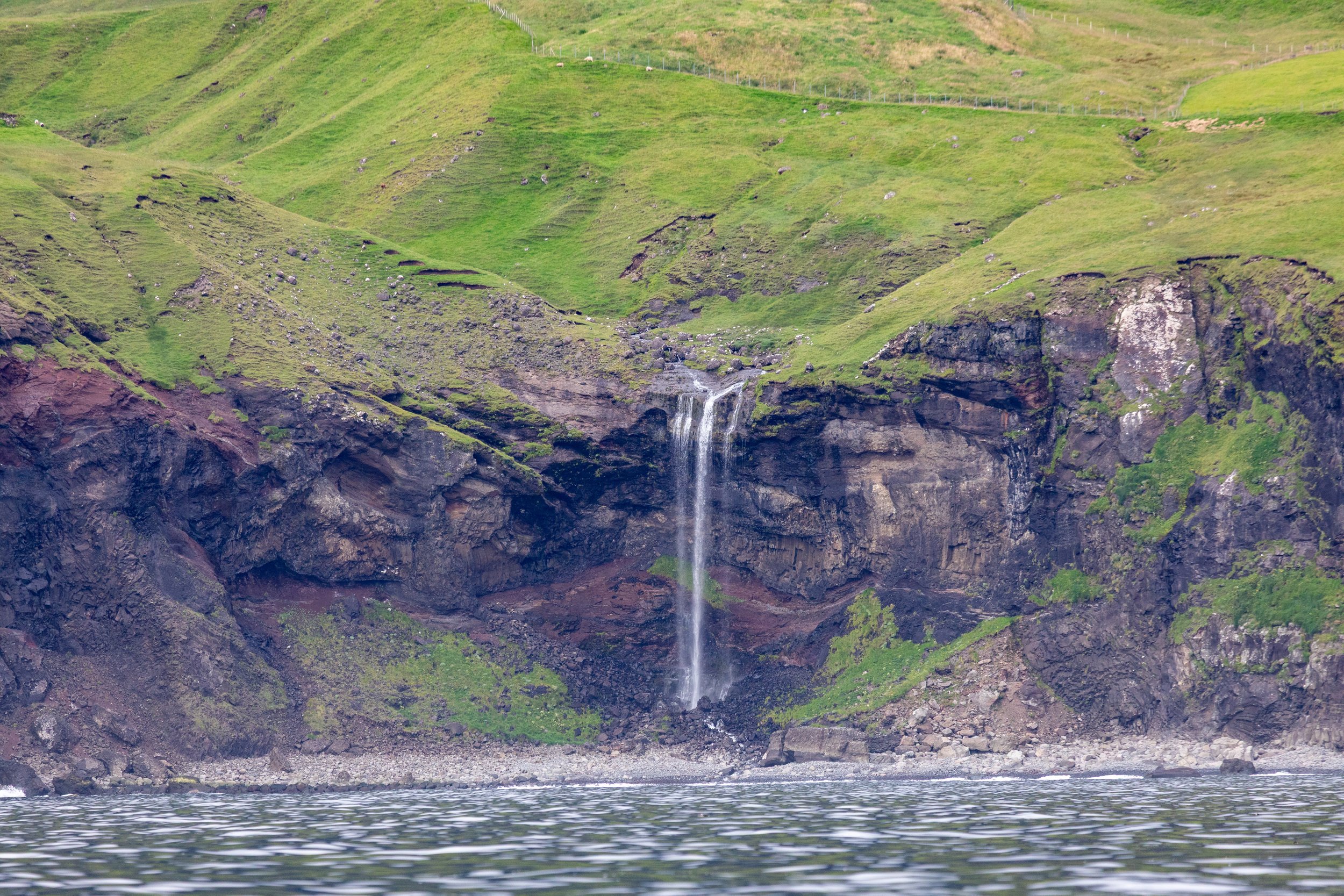
The 30m Múlafossur Waterfall from below
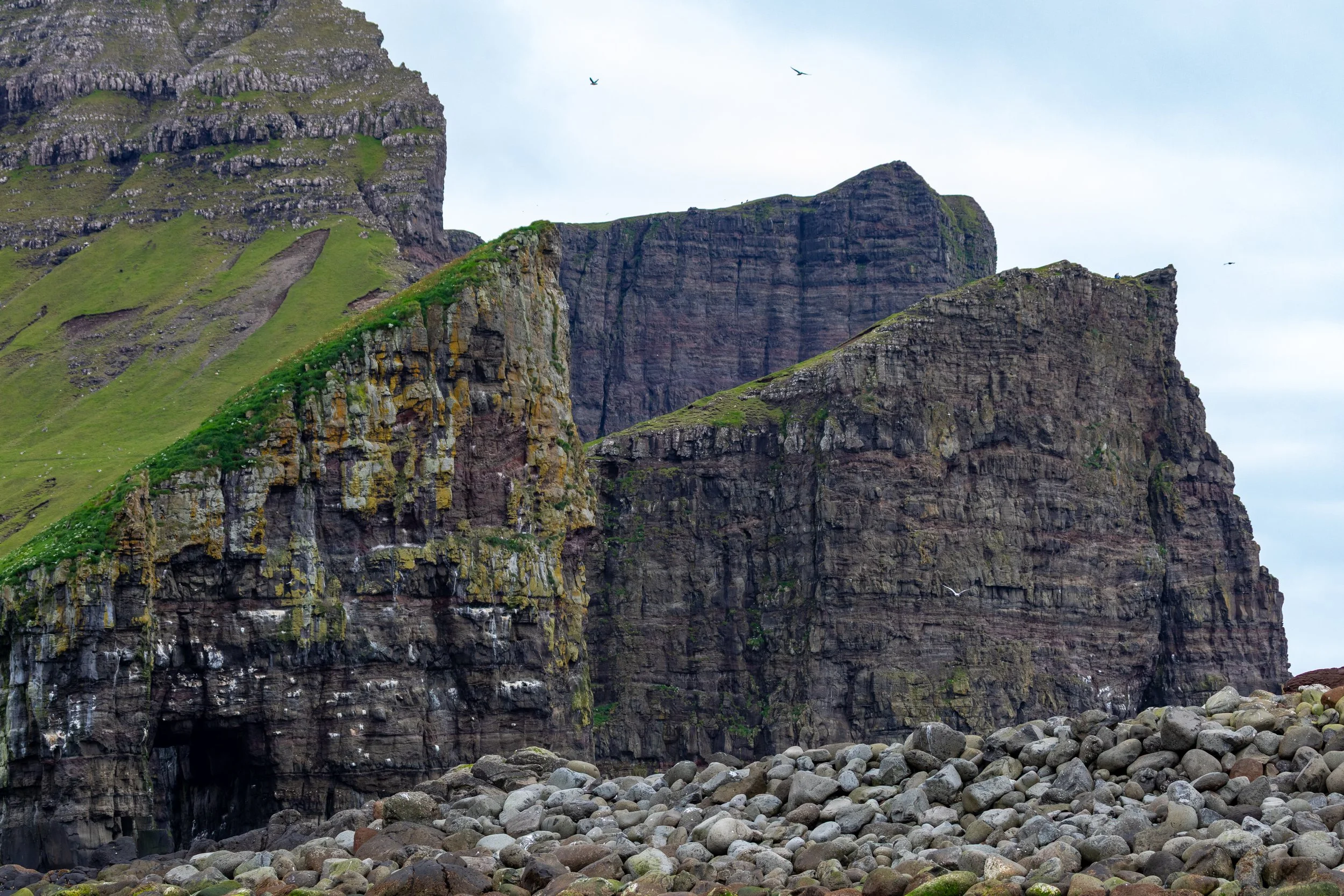
Up close to the the southwest tip of the island with Drangarnir
Cruising by Gáshólmur island
Another view of Múlafossur waterfall, this time from below
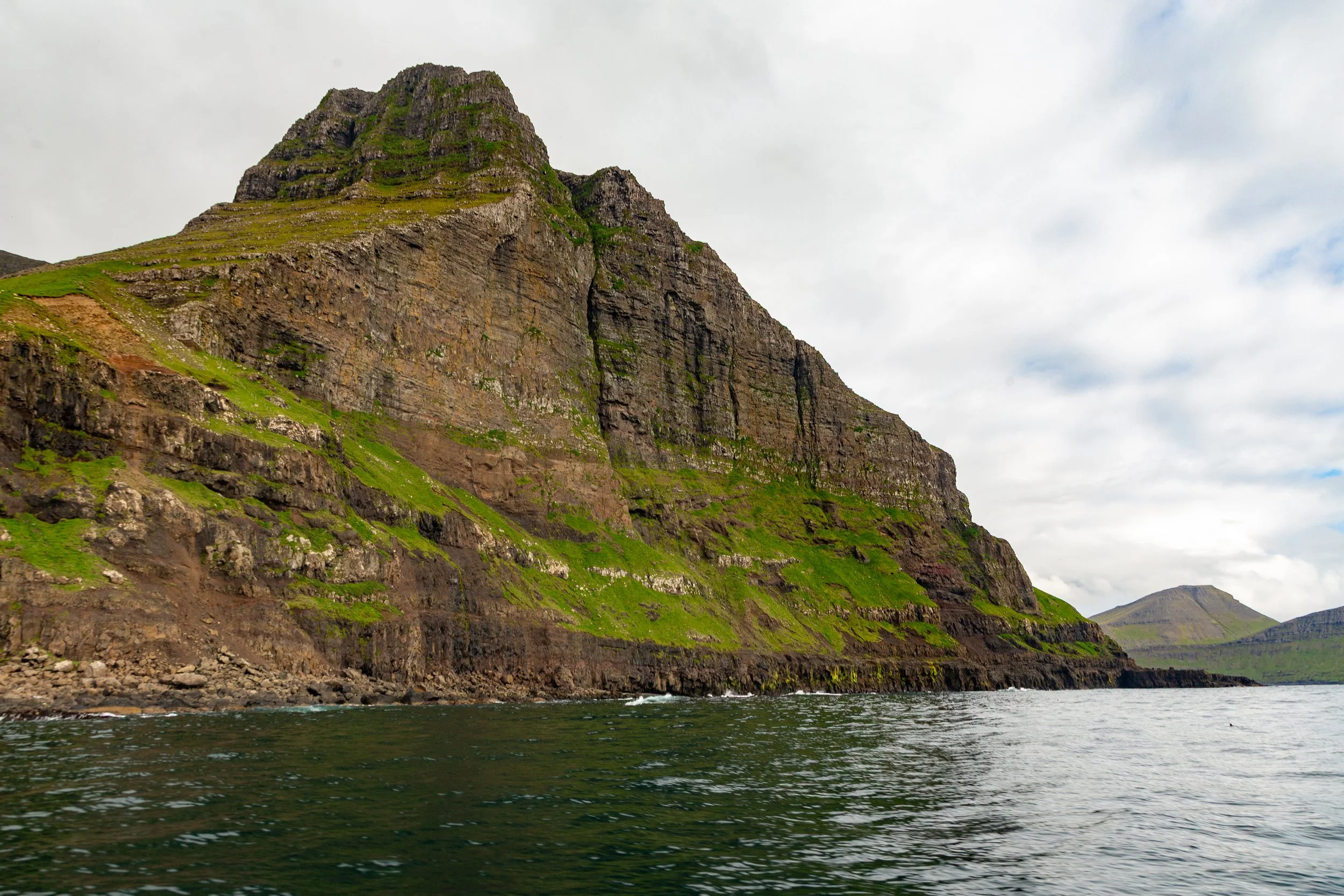
Looking up the coast rugged coastline cut by the fjord
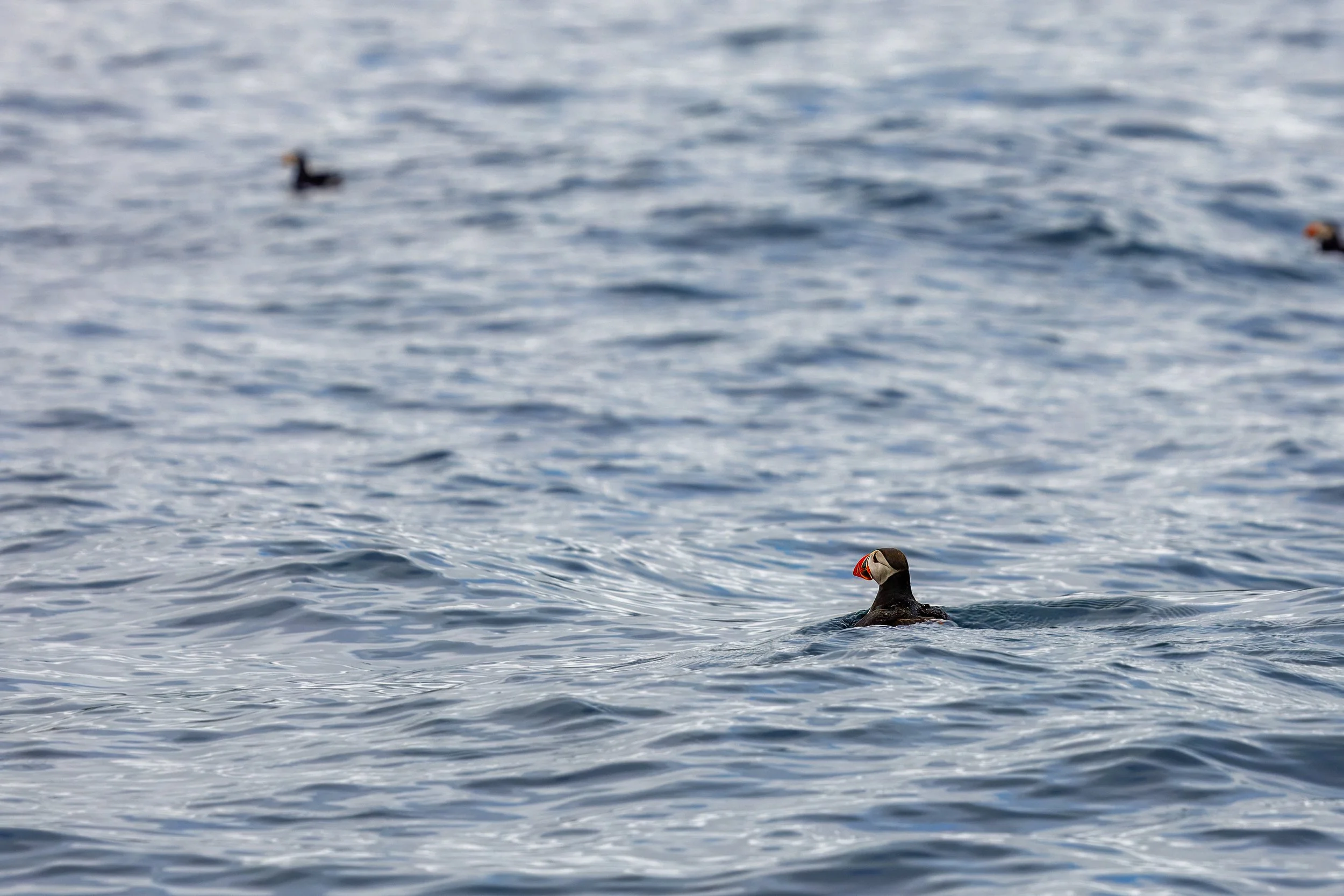
Although we were surrounded by puffins, they were tough to capture on camera. These two floated near our boat
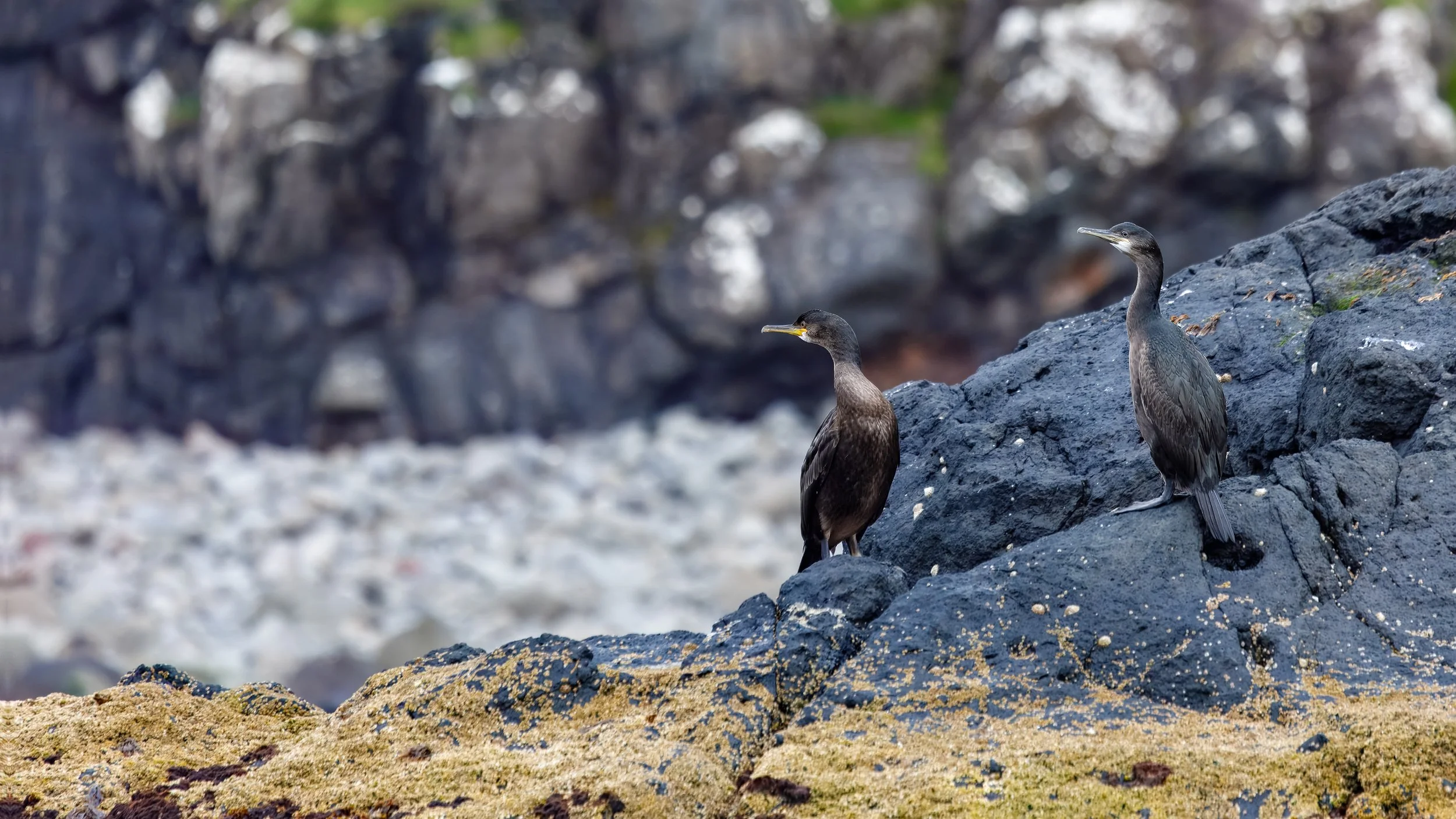
Two double-crested cormorants
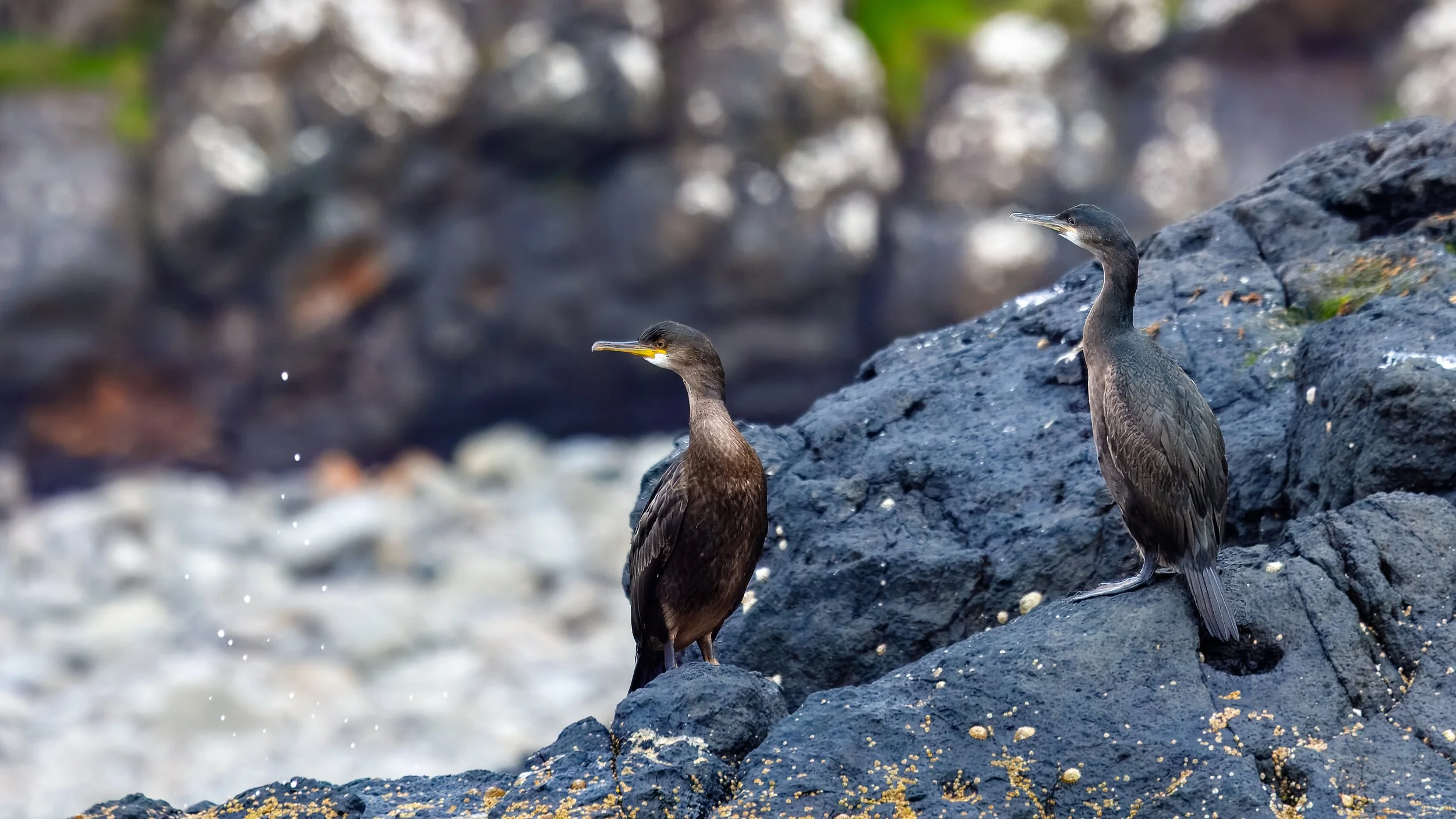
Zooming into the cormorants
Up close to the rocky shore
Skarðsáfossur waterfall
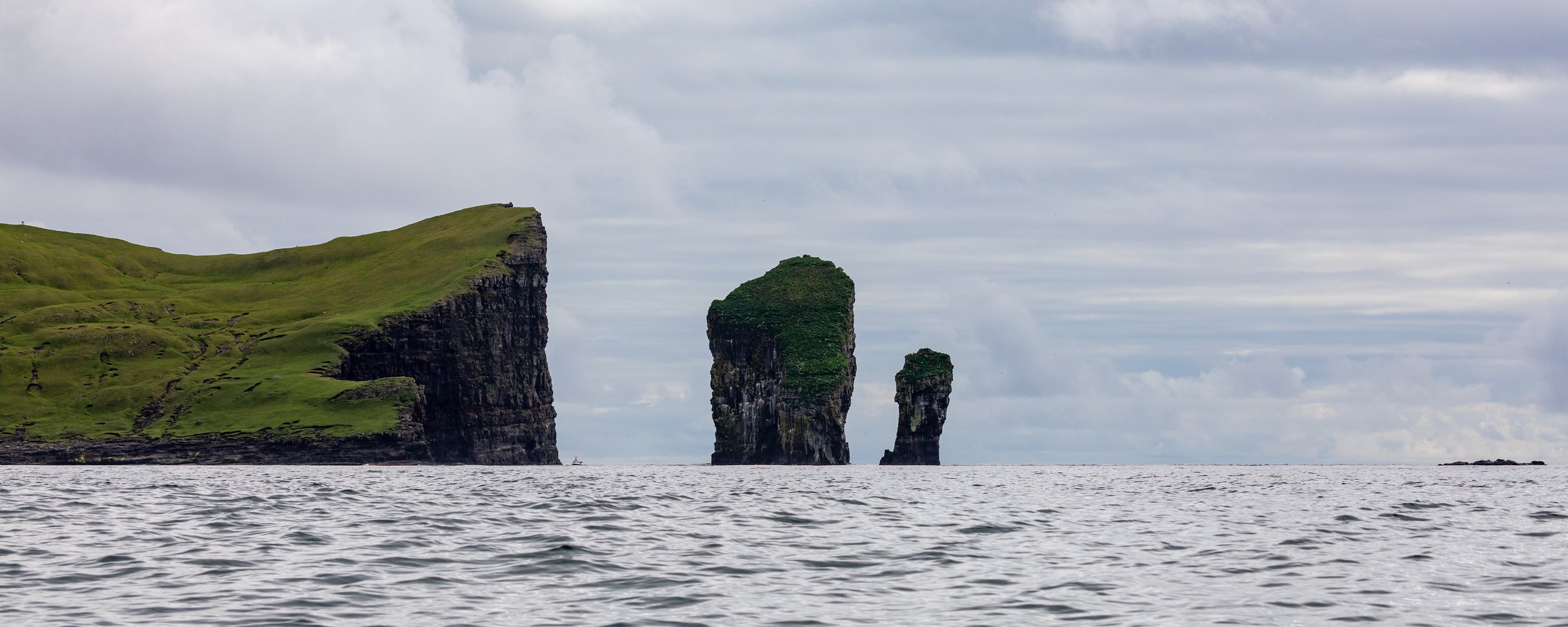
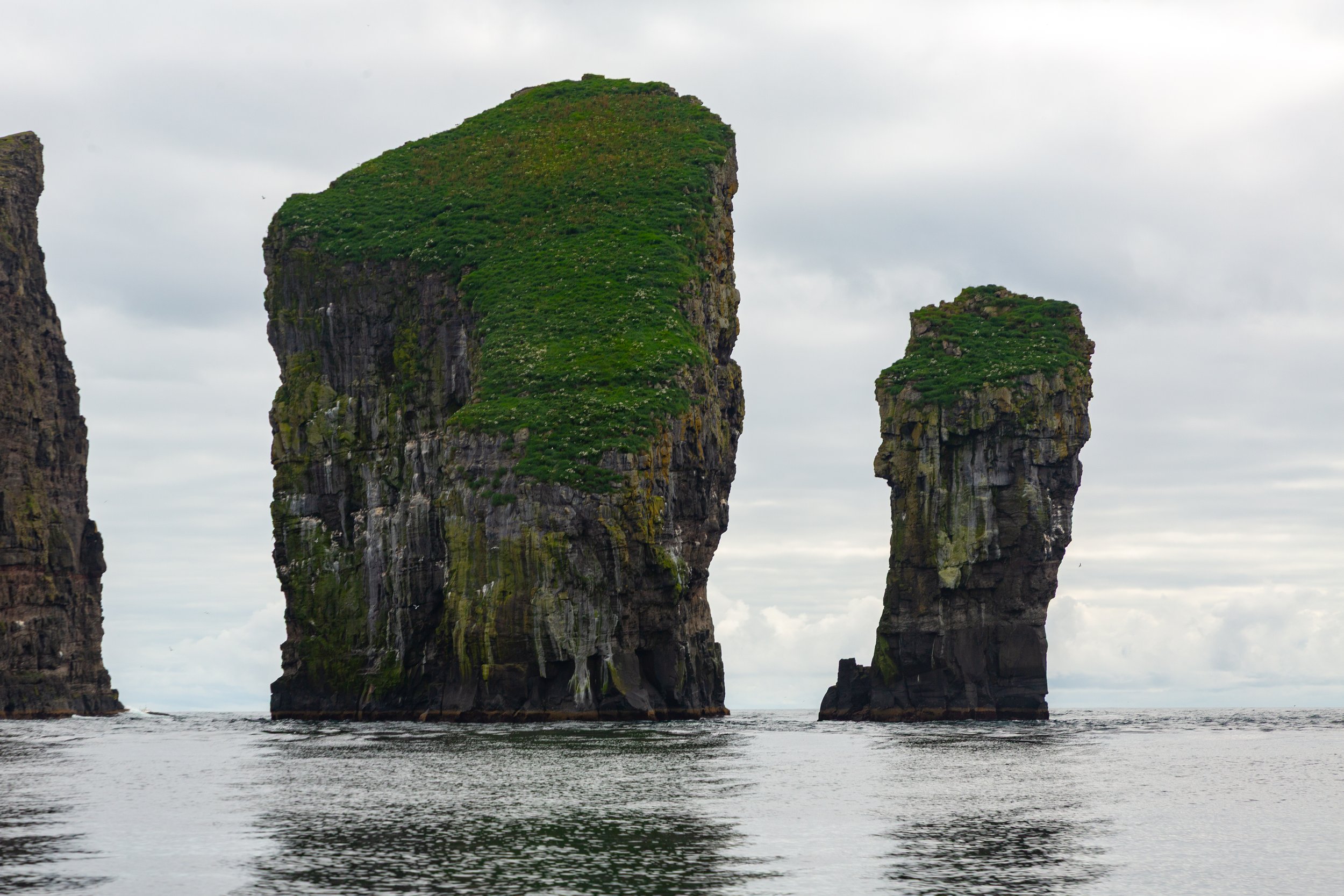
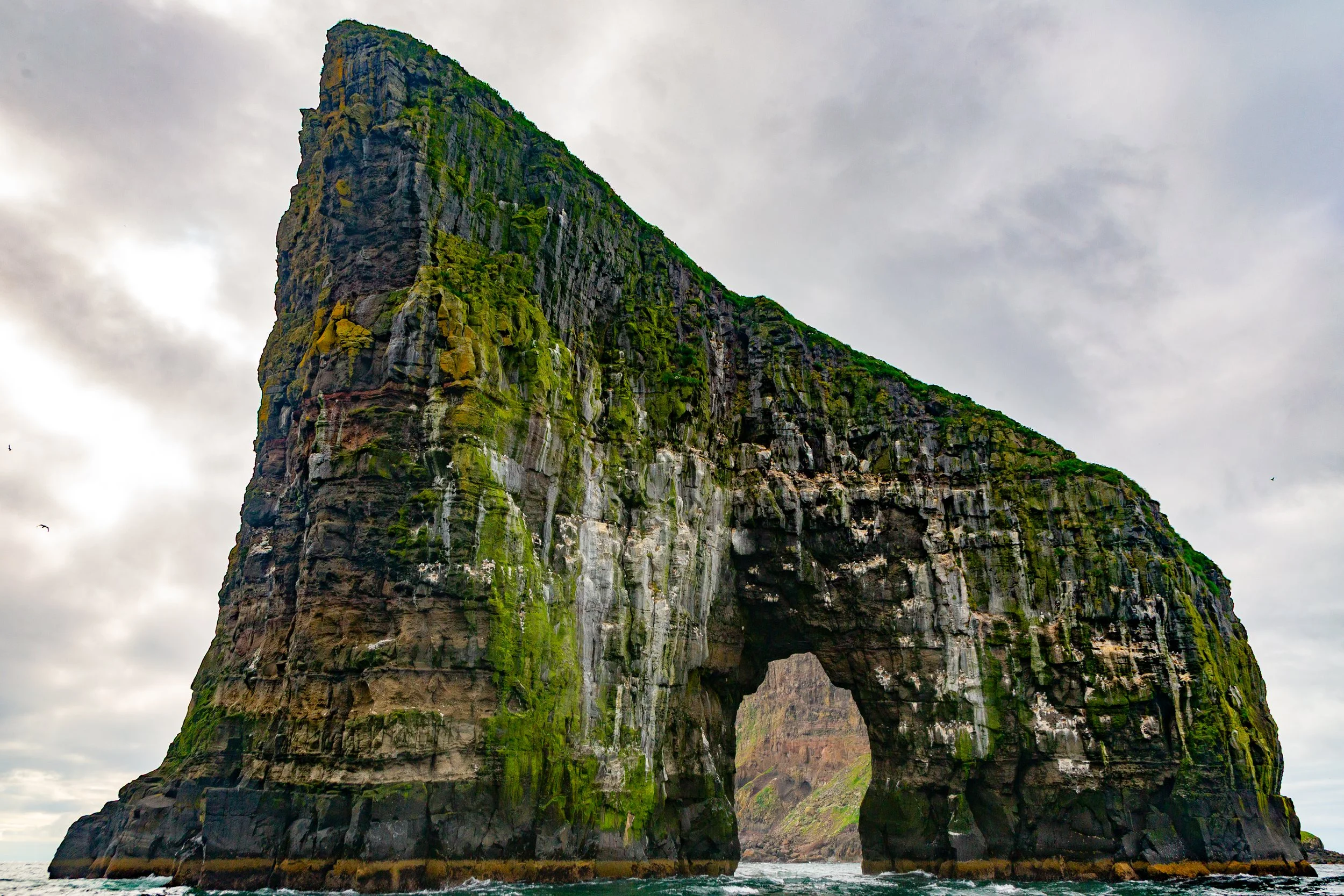
Circling around Drangarnir, a pair of iconic sea stacks, literally translated to sea stacks in English
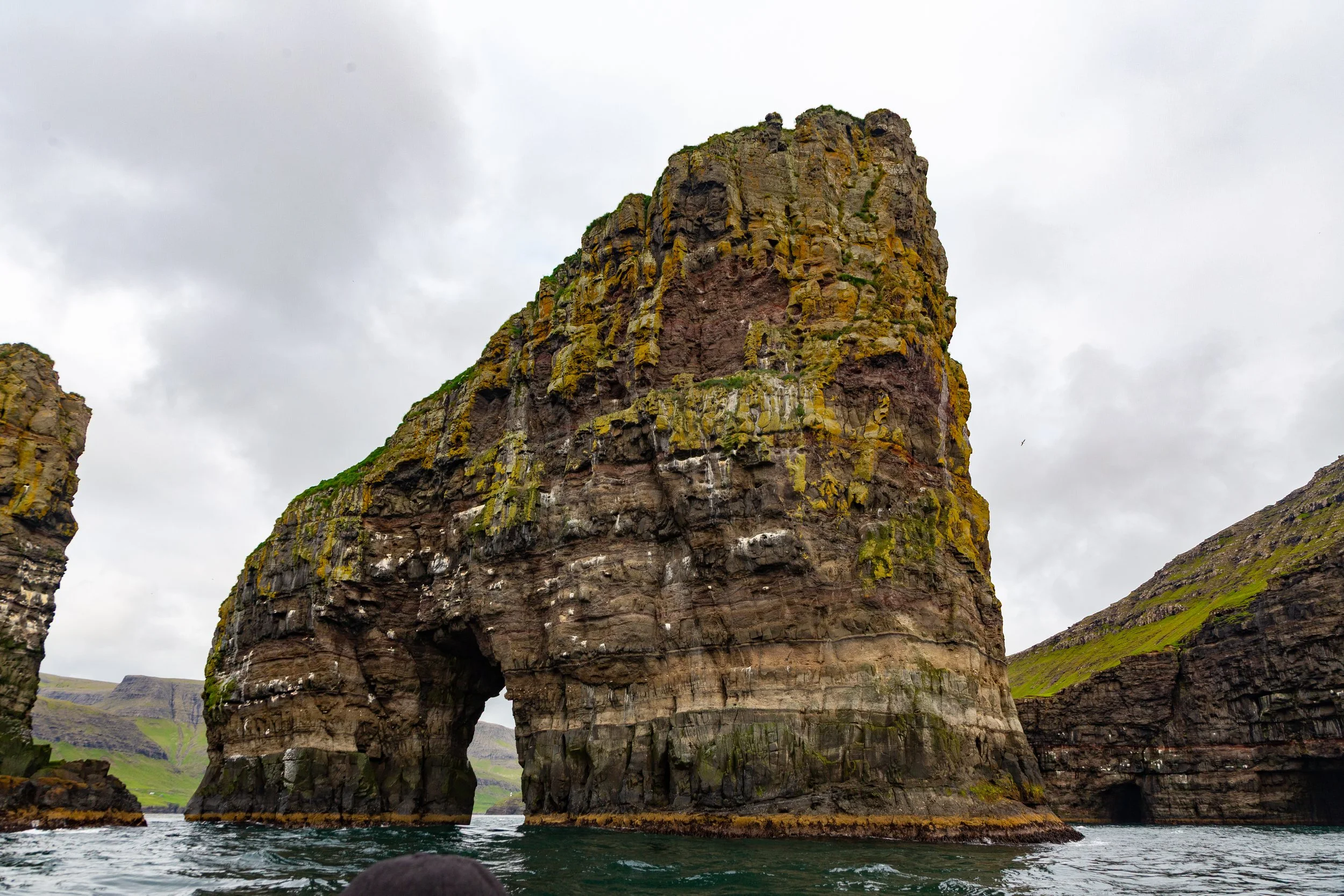
Before navigating through, we inspect the hole in the rock of Drangarnir
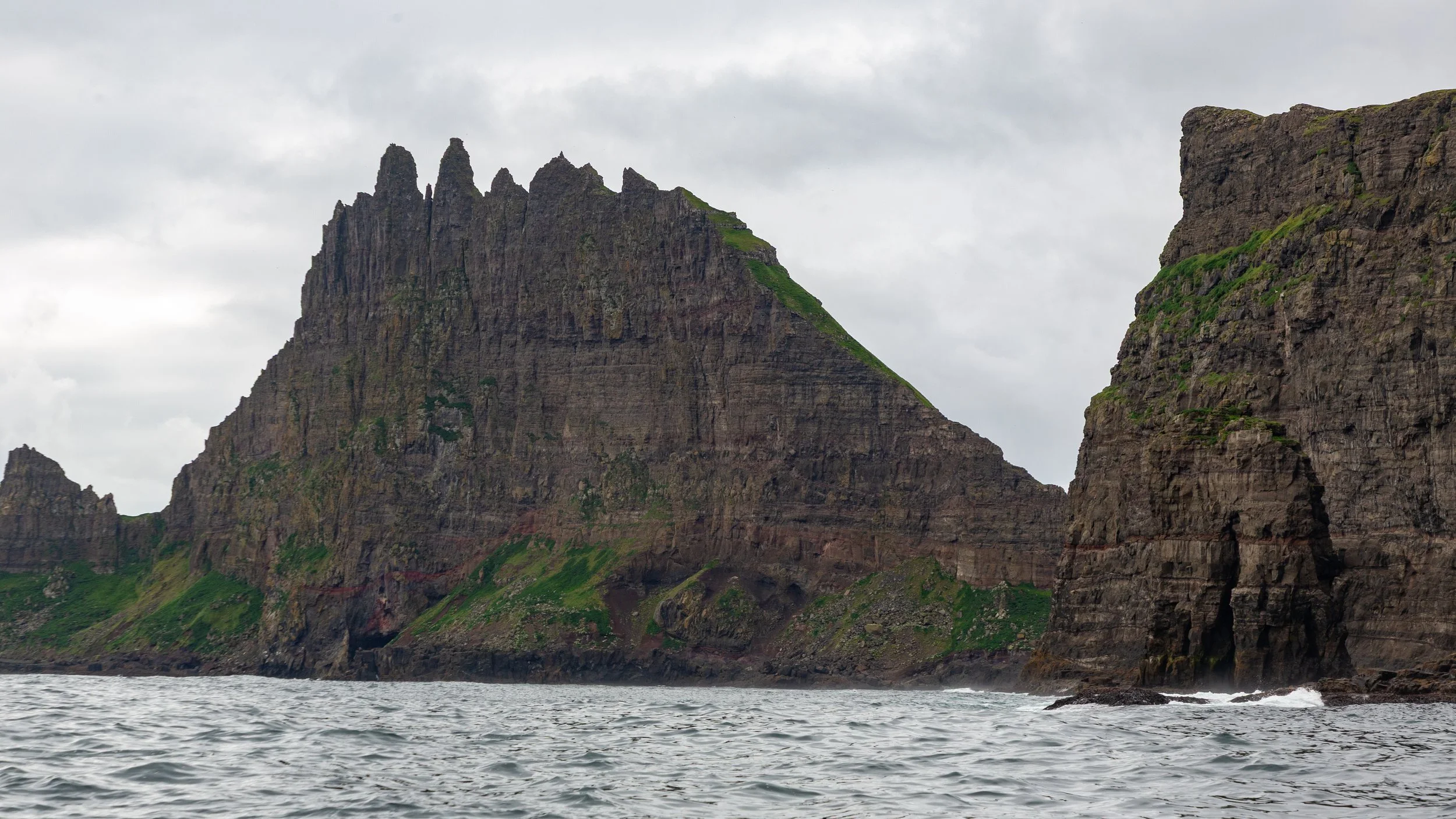
Rugged coastline on the southern edge of Vagar Island
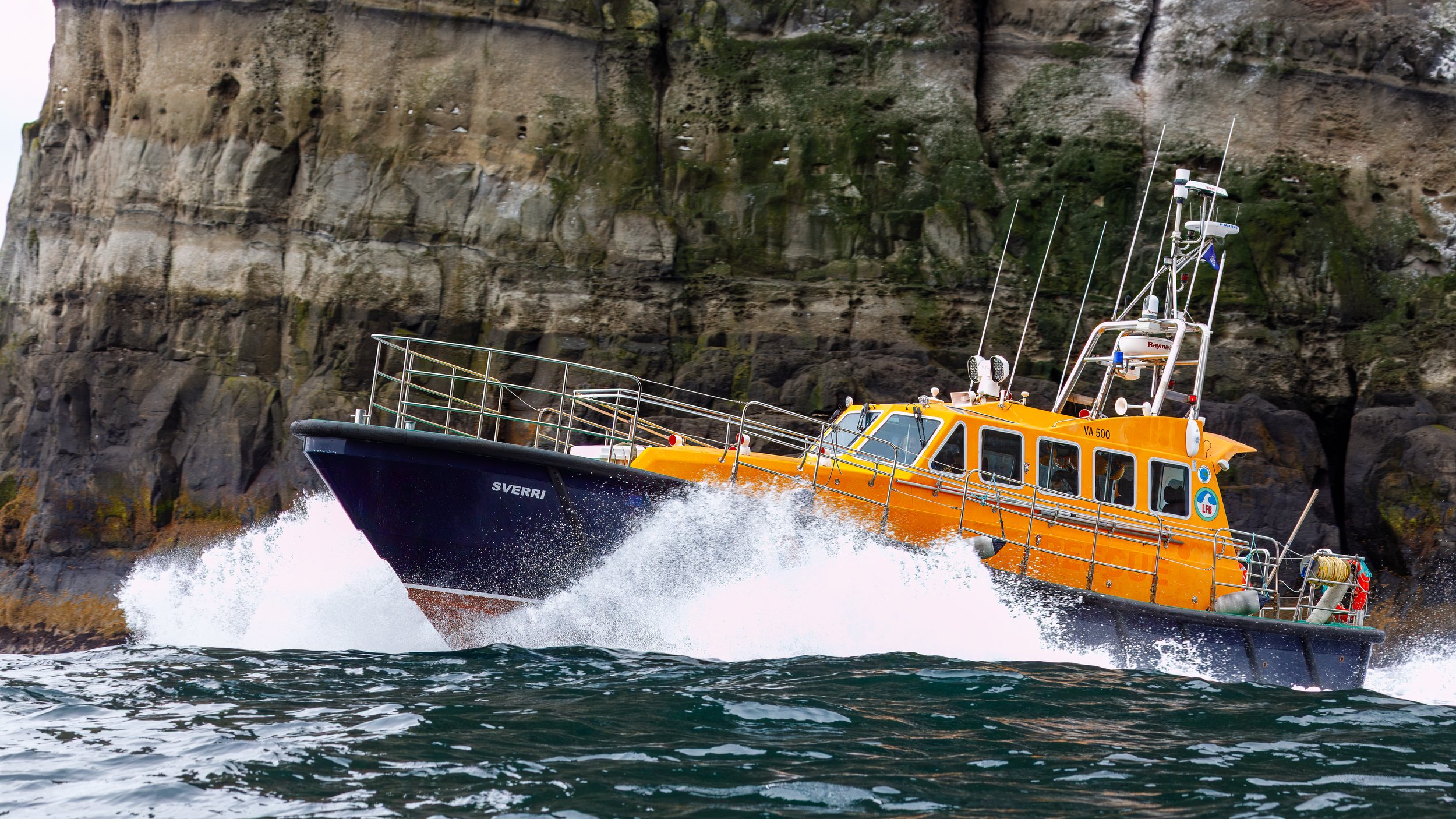
Another ship navigating the waters
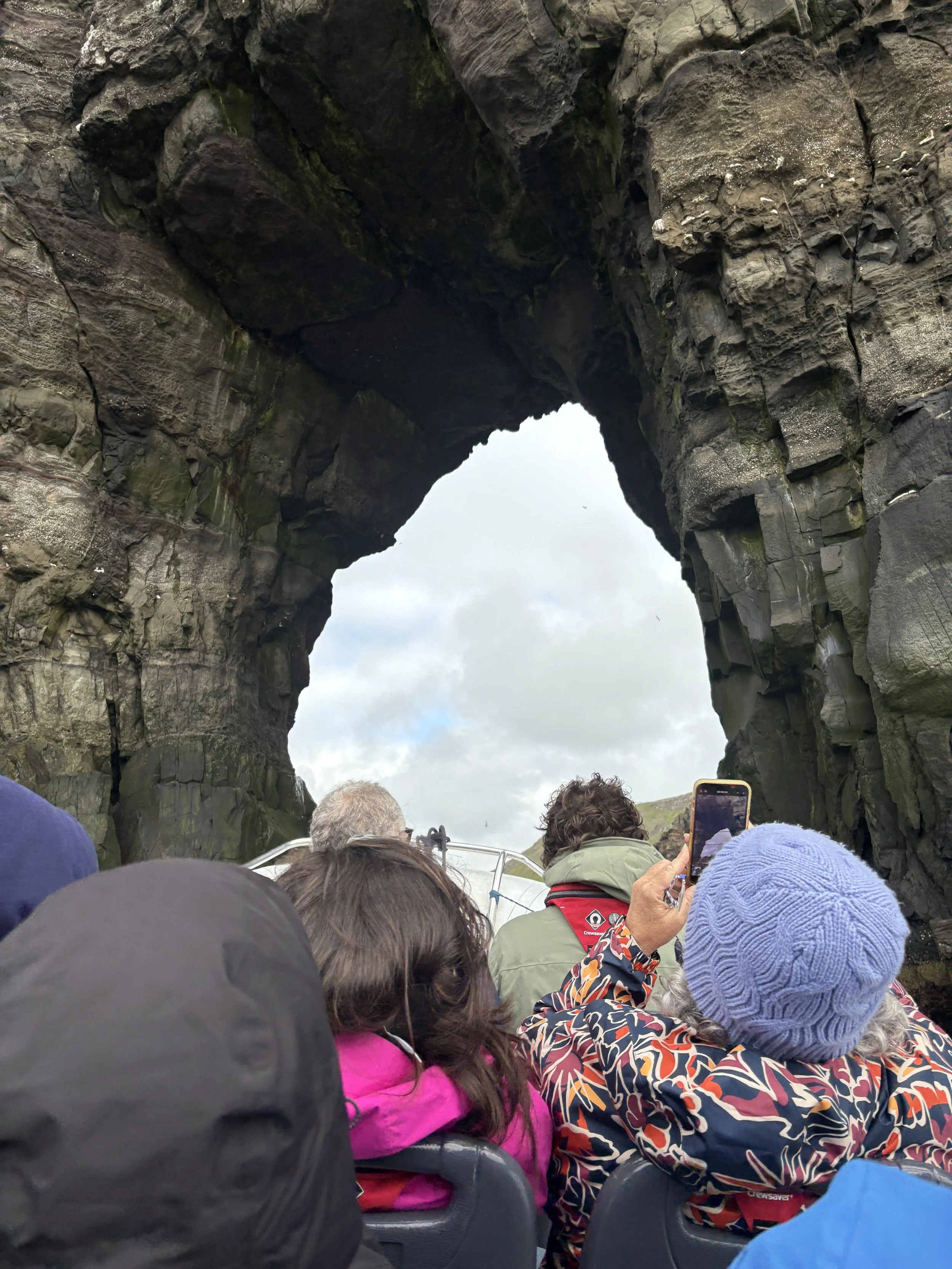
Navigating through the sea stack
Well framed view of the Drangarnir hole in the rock
After docking back in Sørvágur, we made our way through a tunnel connecting Vágar to Streymoy island onto the capital City of Tórshavn. We checked into our hotel and considered grabbing a bite in the hotel, but with the sticker shock decided to head downtown and grab some takeout fish and chips.
Aug 2
With a full day to explore the islands, we got an early start and headed towards the island of Eysturoy, connected by a (free) bridge to Streymoy.
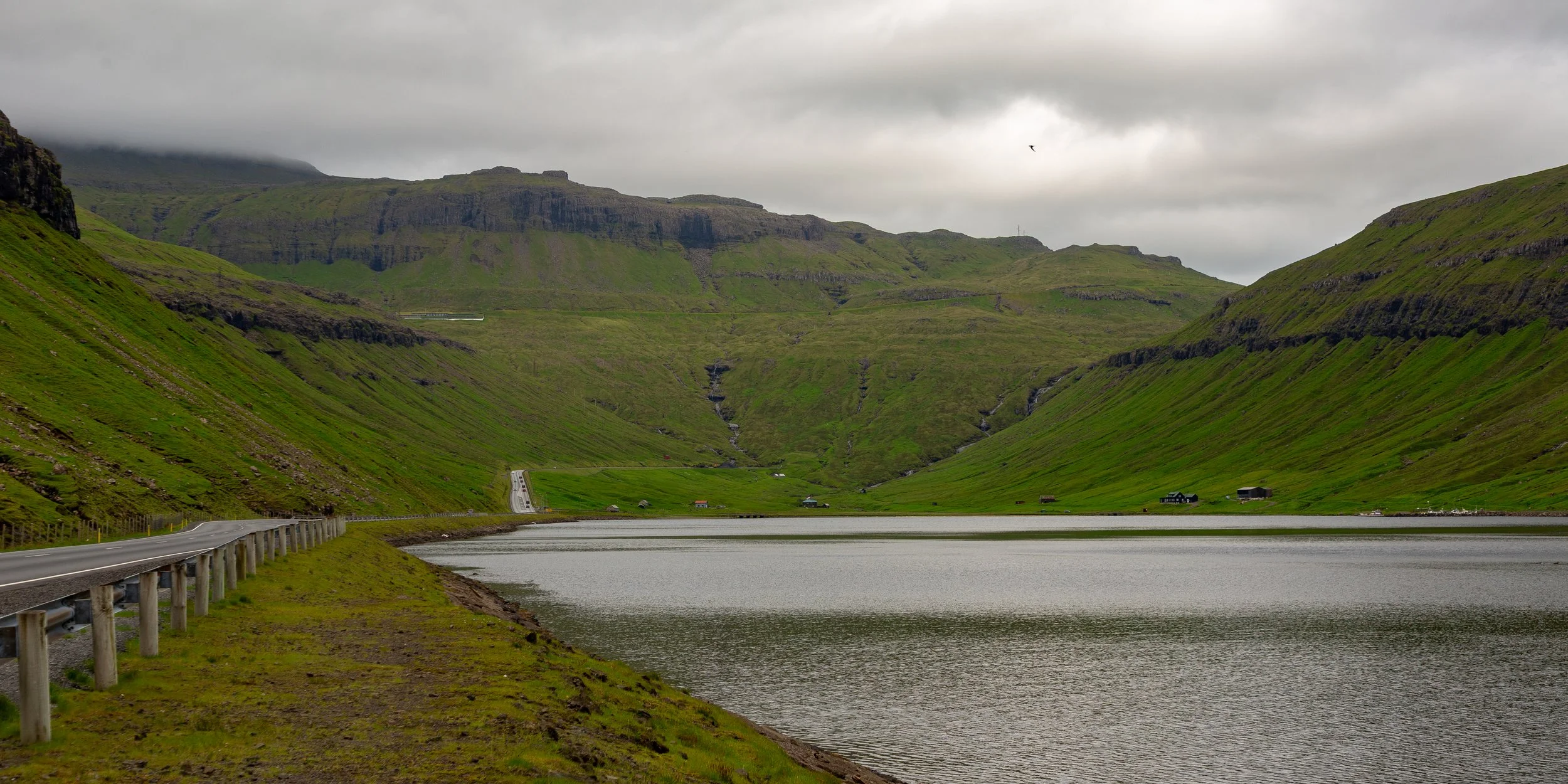
Making our away along the channel between the two islands
More of the coastline
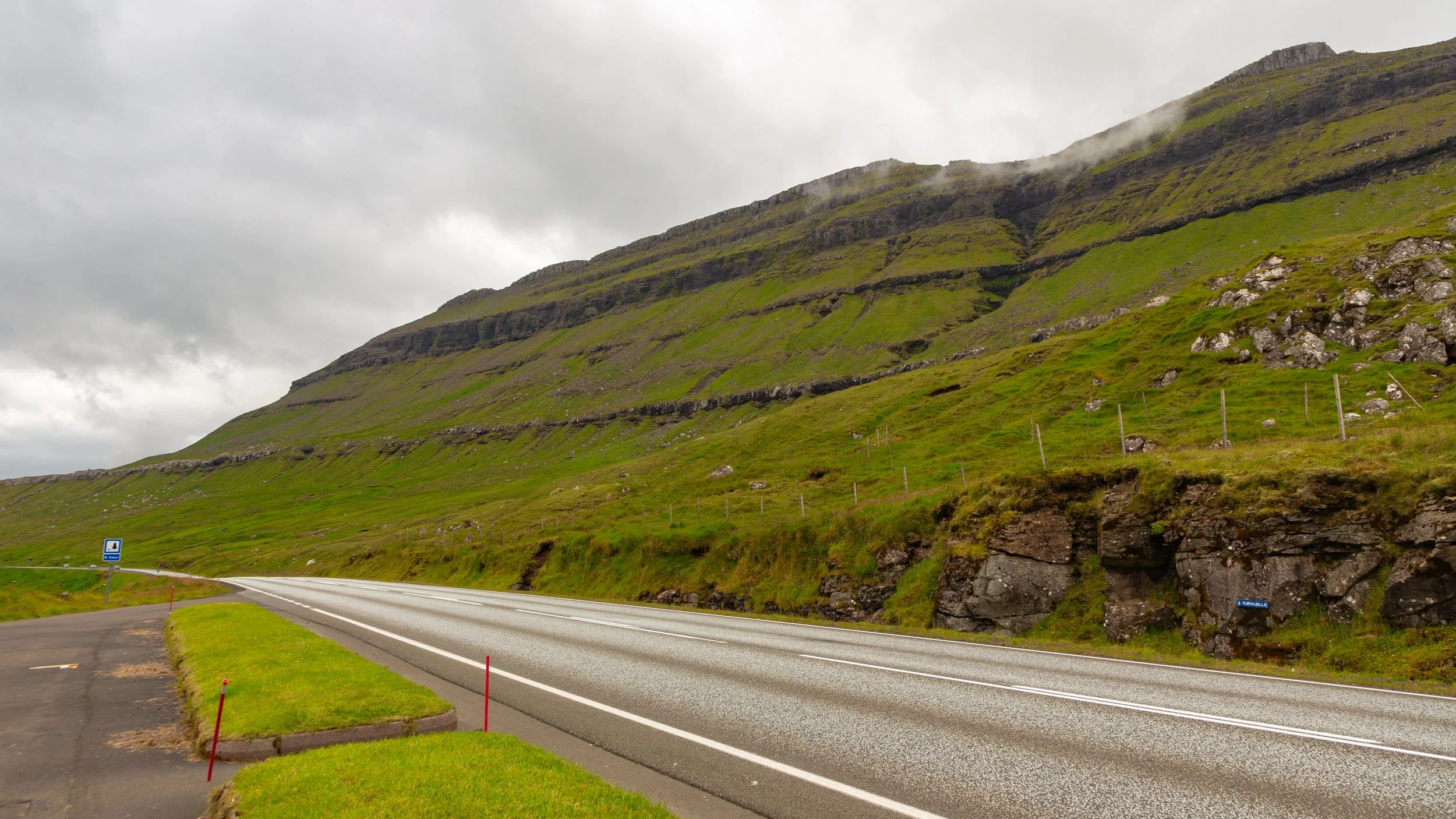
For a group of islands with such a small population, the road infrastructure is very impressive
Cloud layers add to the beautiful natural coastline
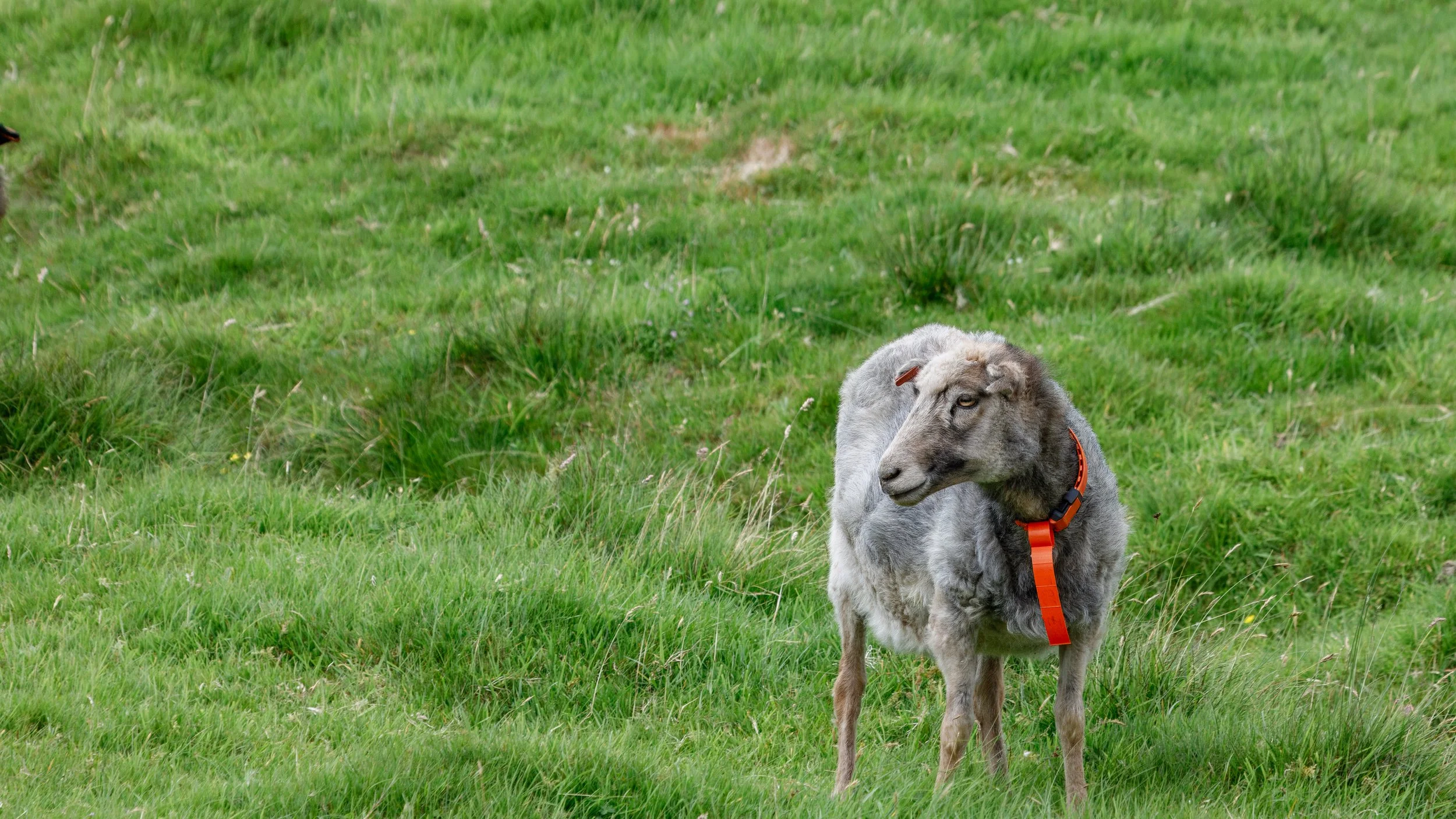
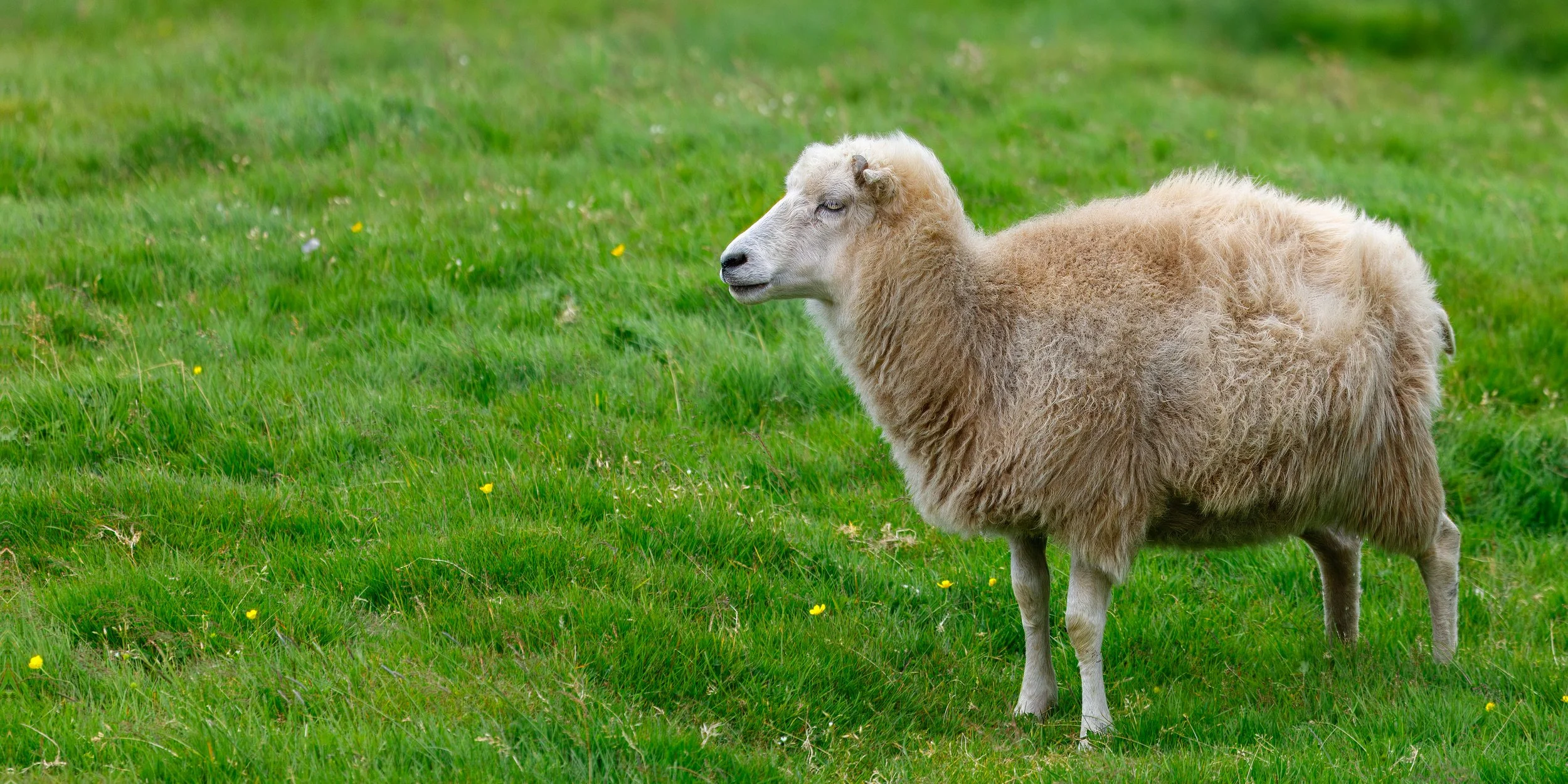
Another island with more sheep than people (80,000 vs 50,000)
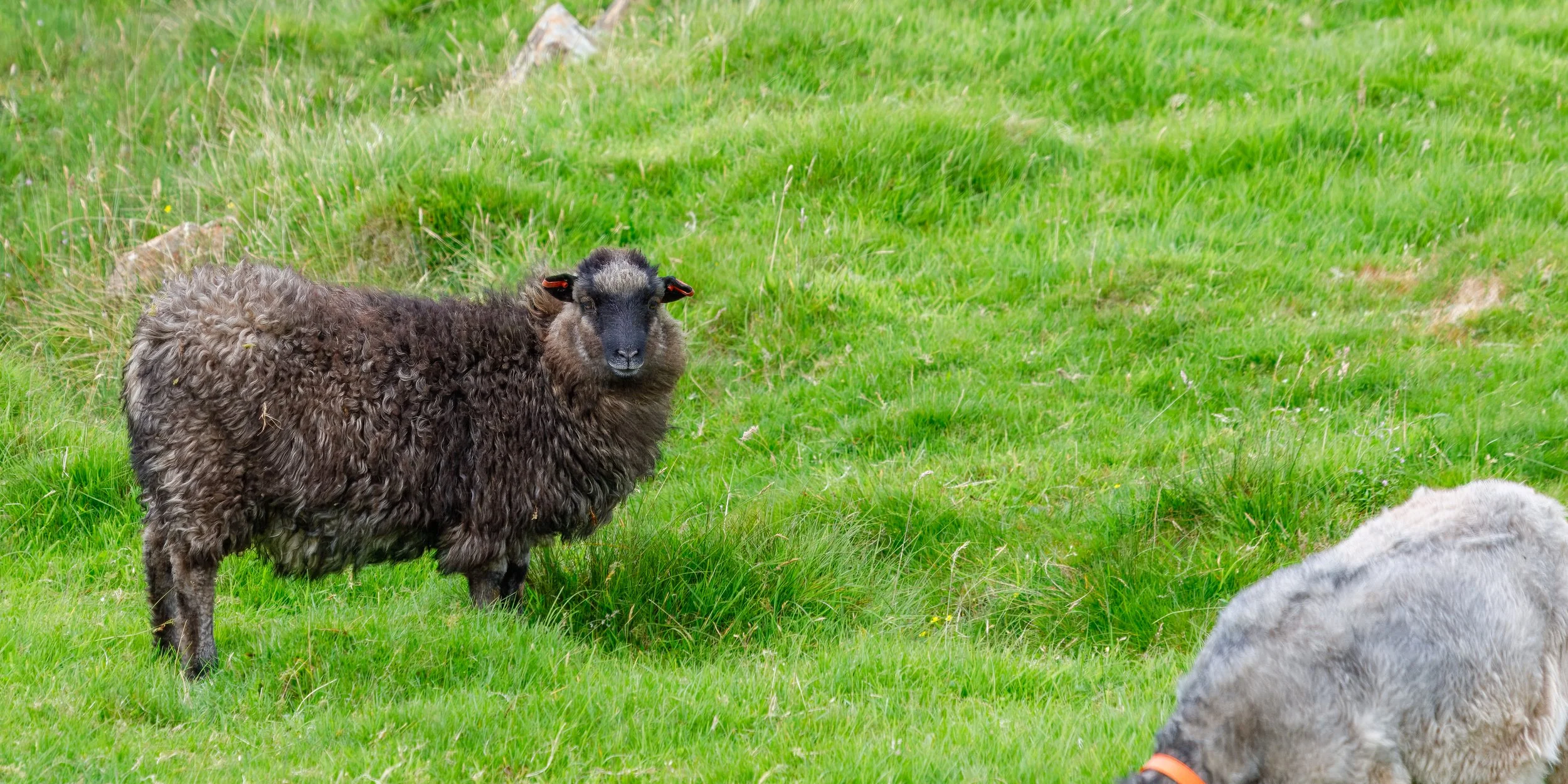
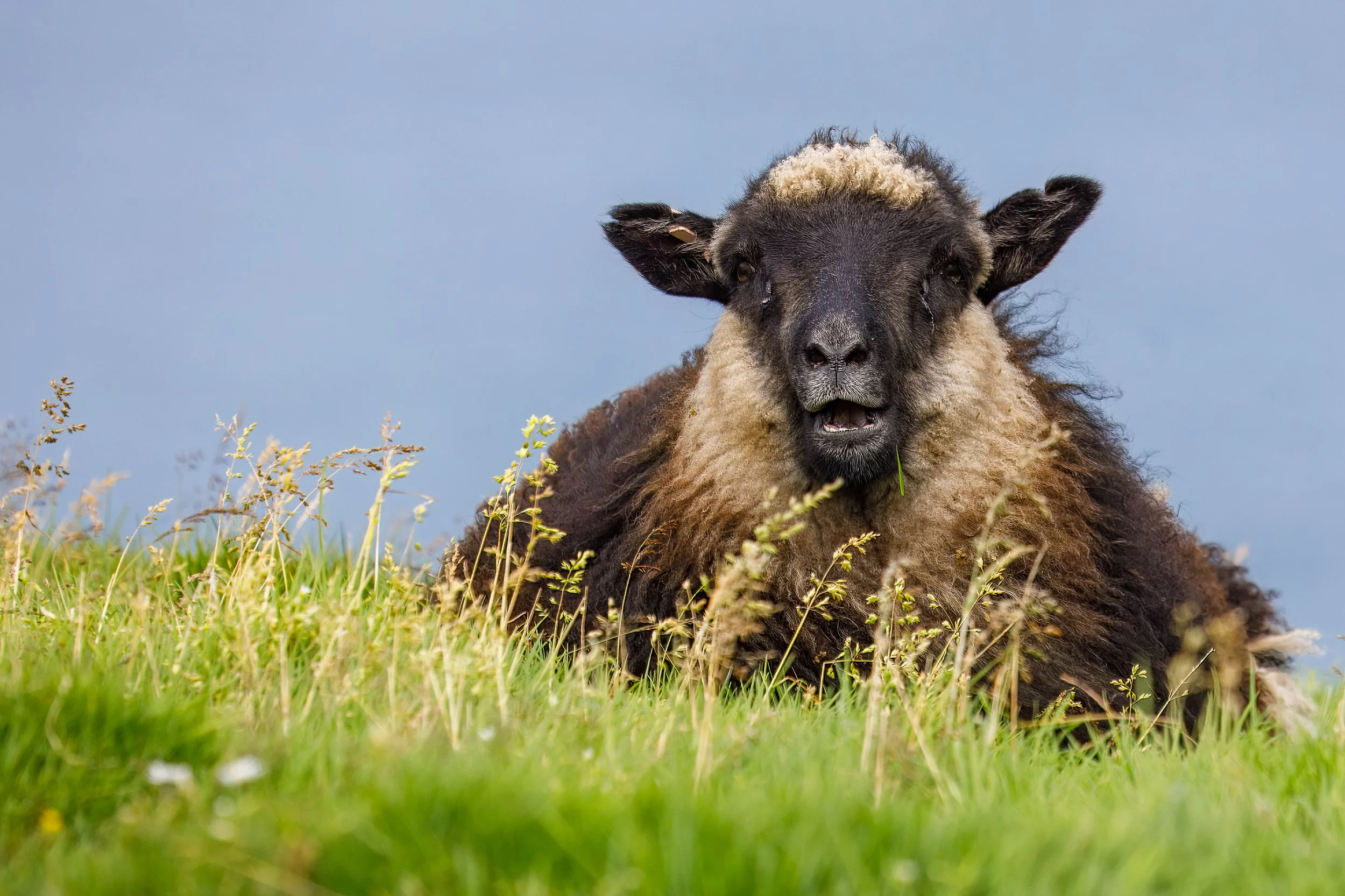
The black sheep of the family
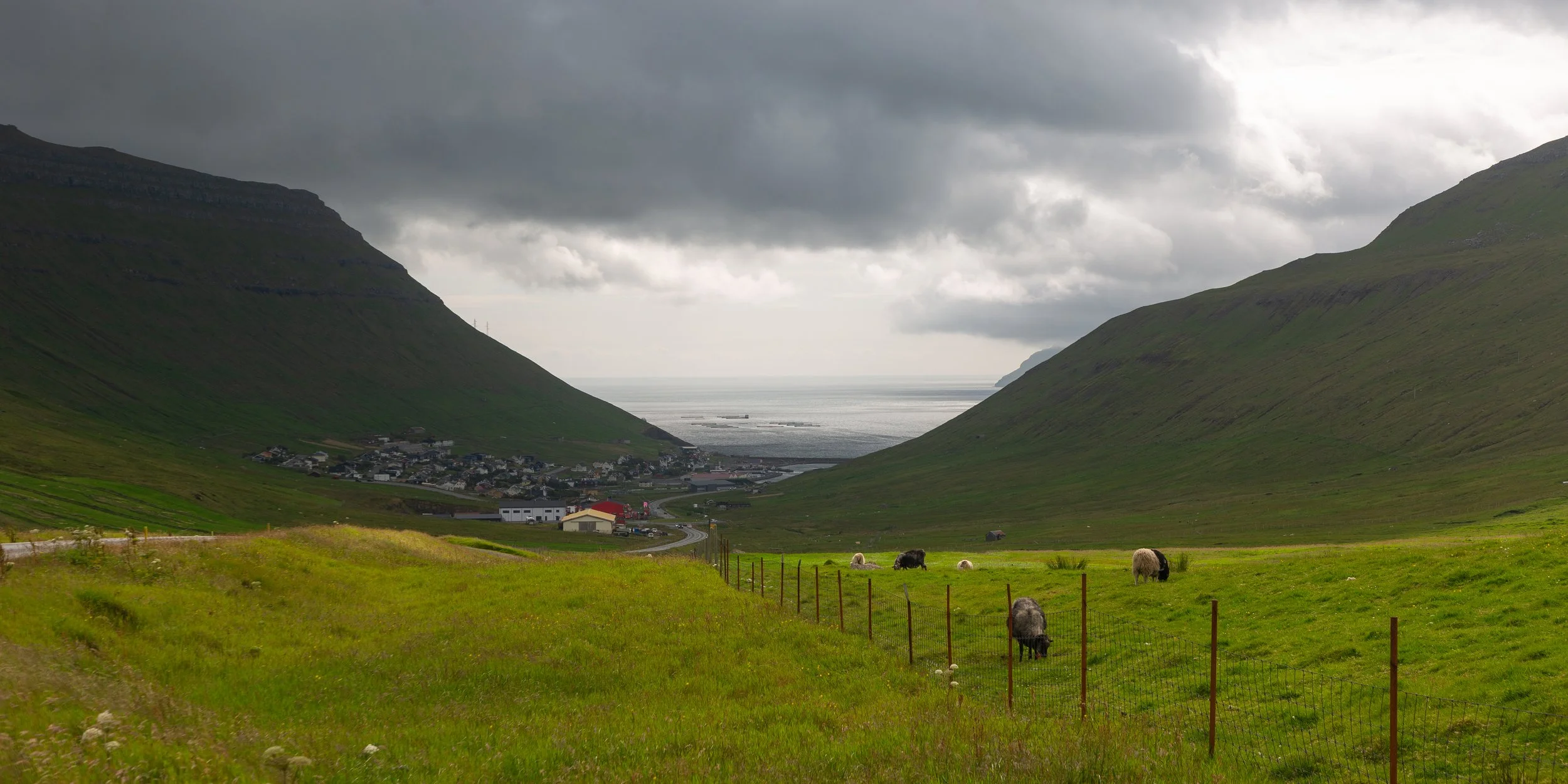
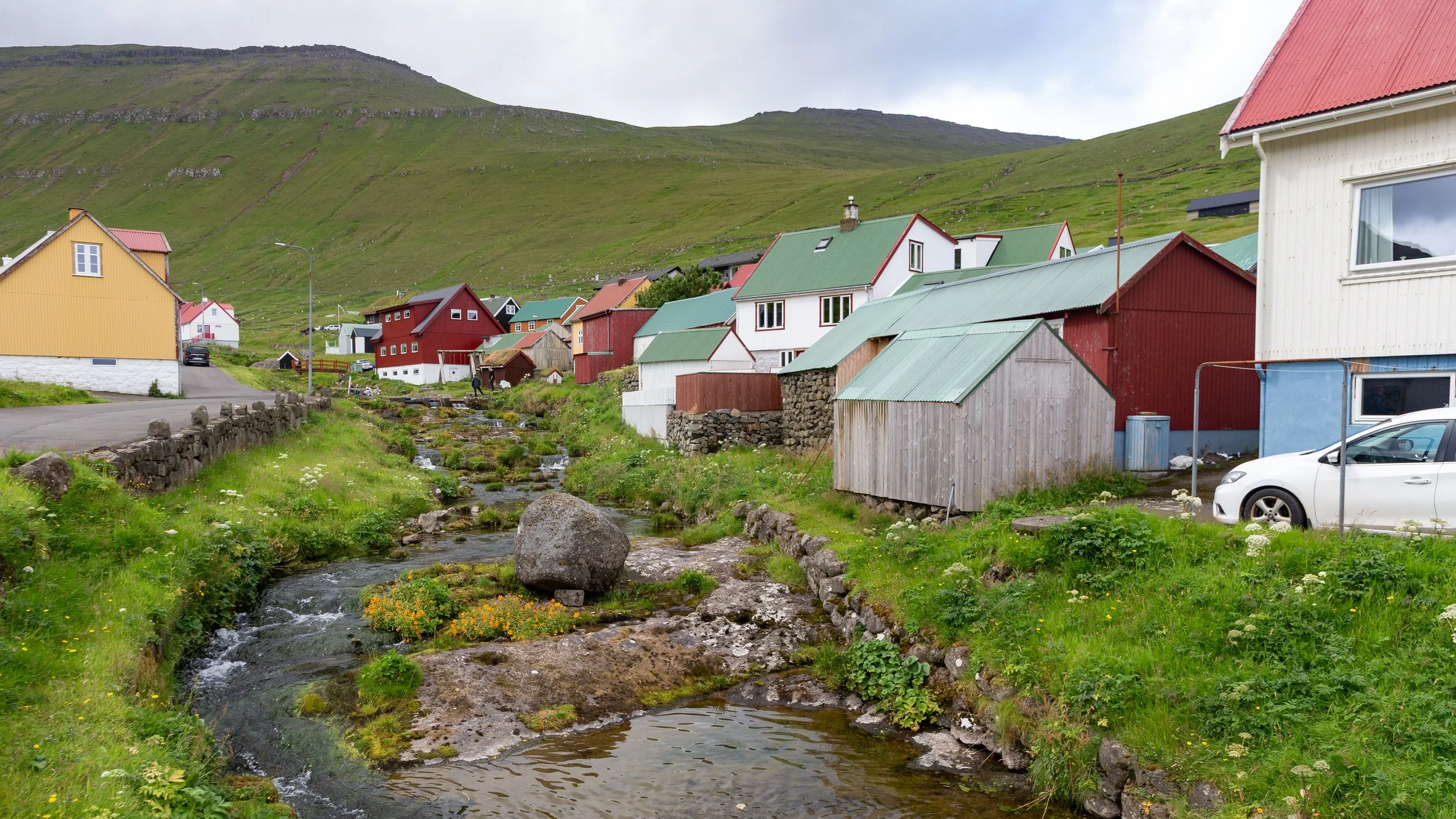
Valley looking across to a small town
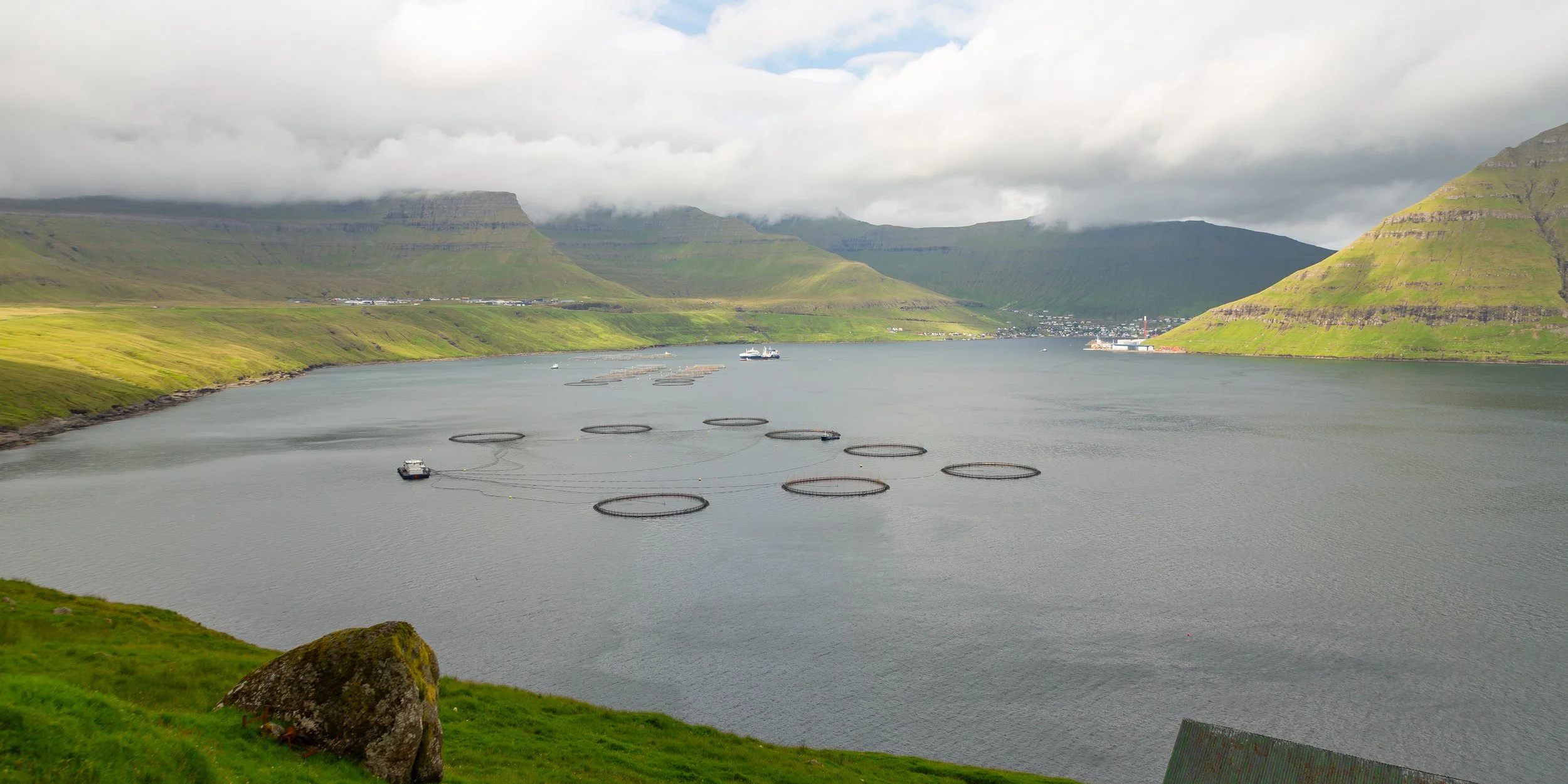
Another barge supporting the farmed salmon industry
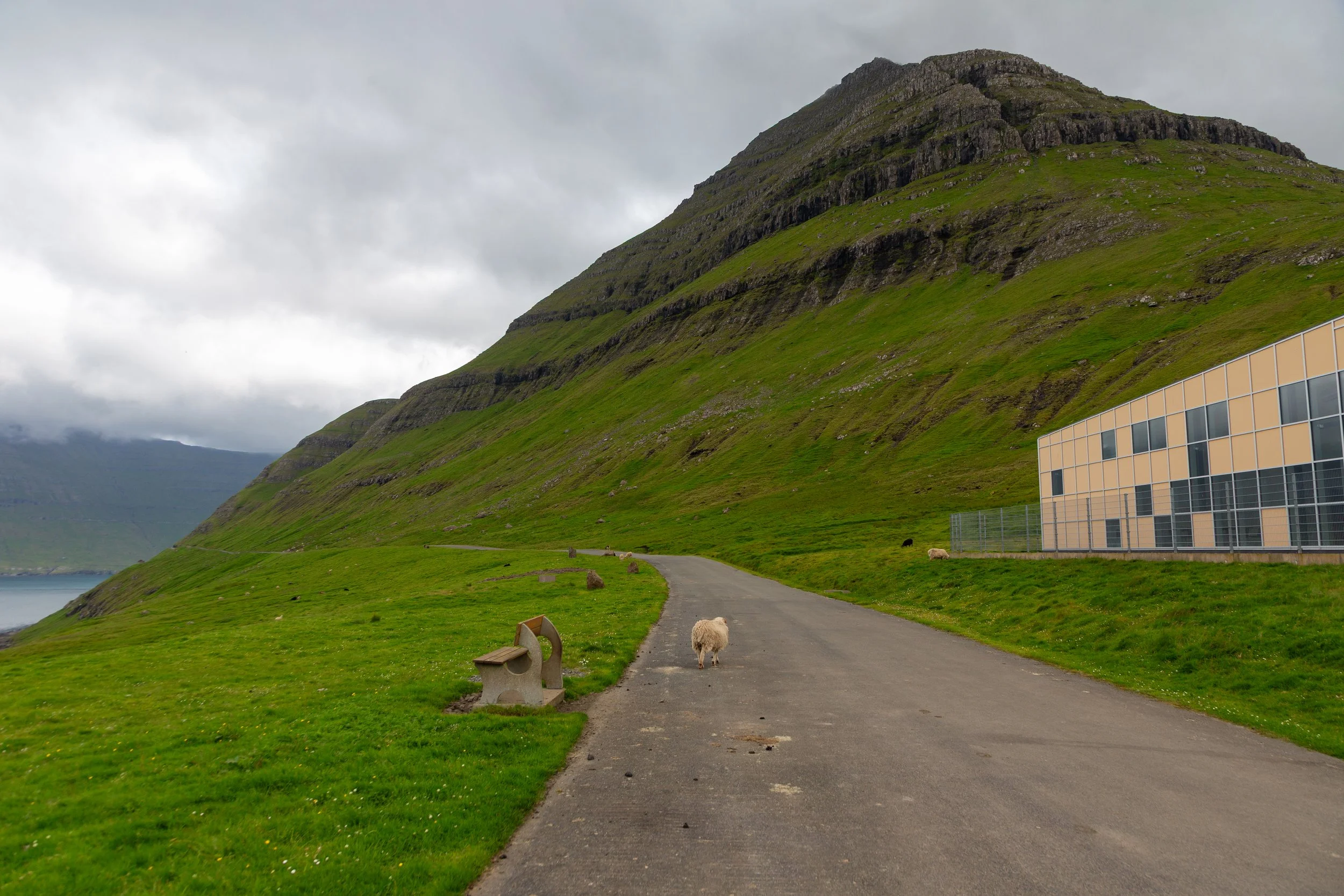
Making our way down a less-traveled dirt road we encounter more sheep
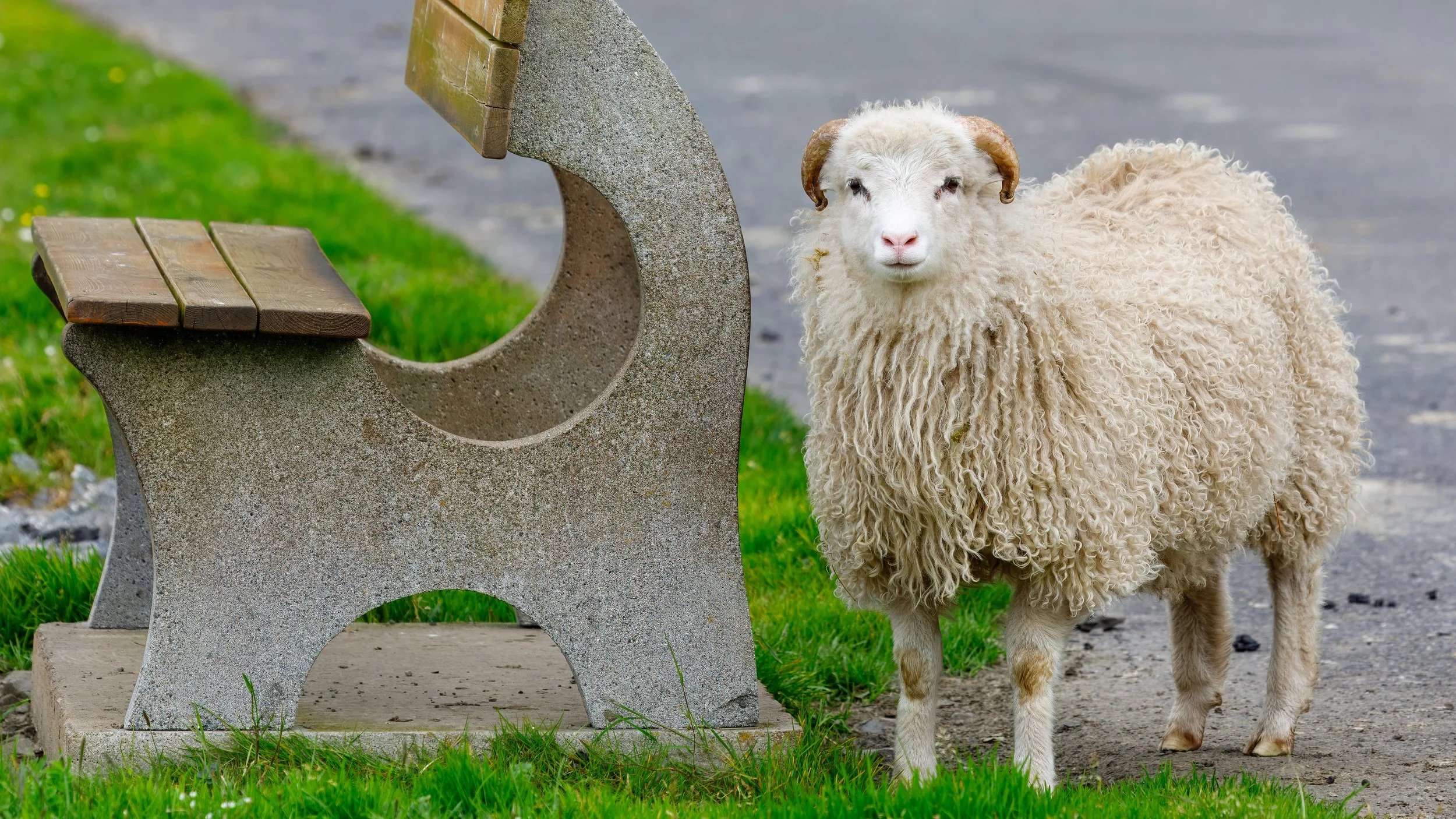
Park bench makes for a nice sheet hangout
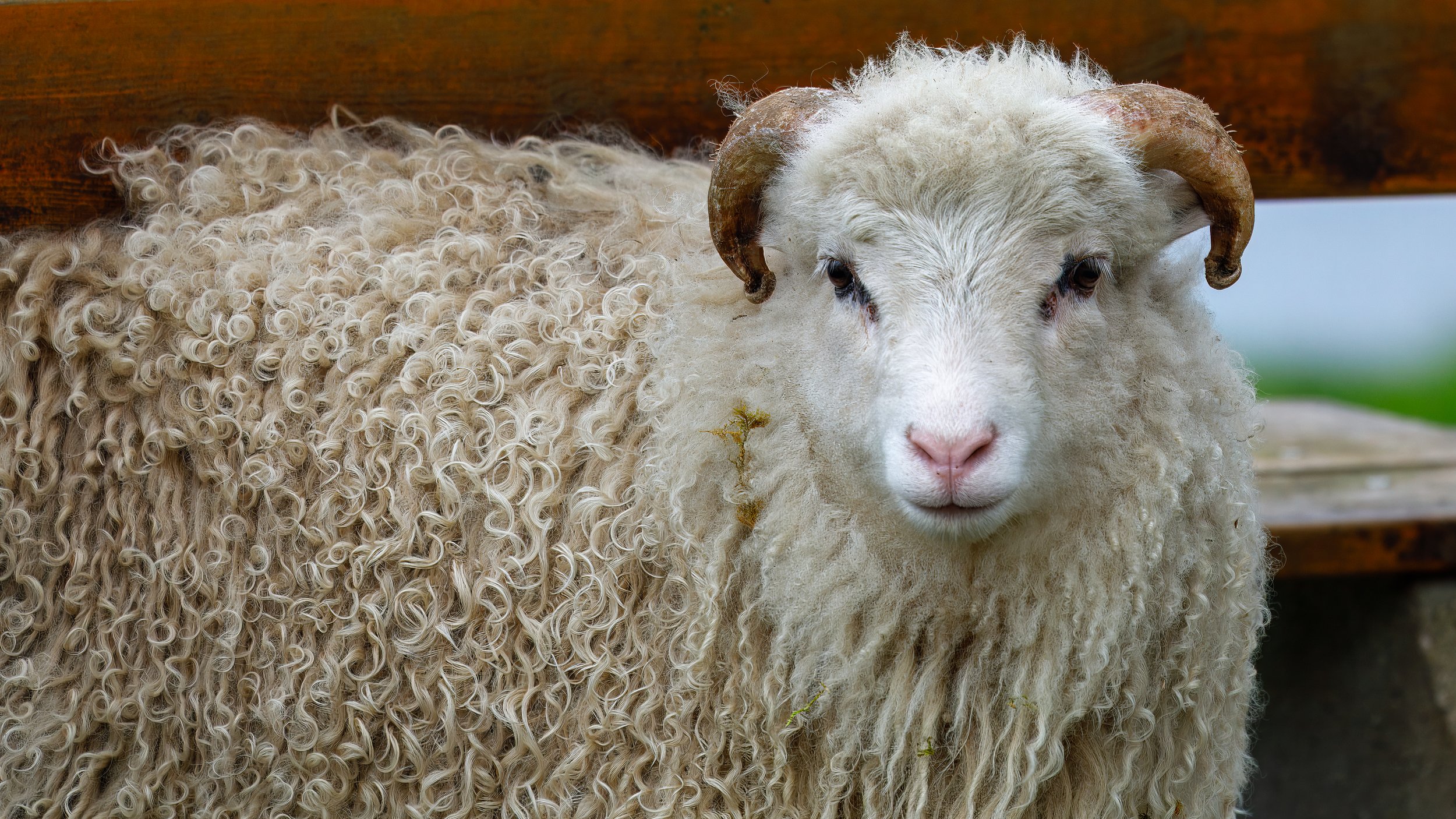
The sheep are definitely not afraid of humans, perhaps knowing they outnumber us
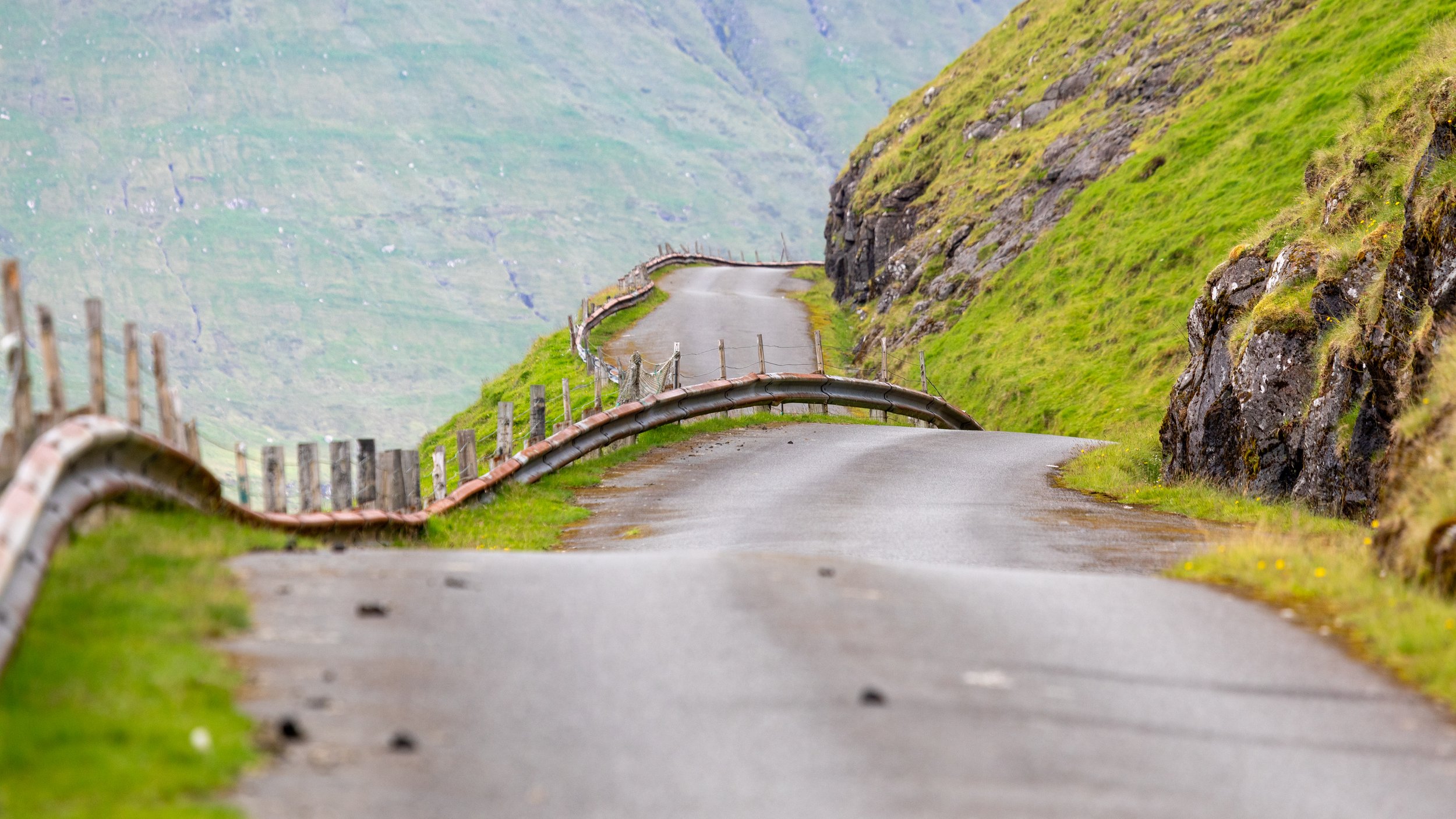
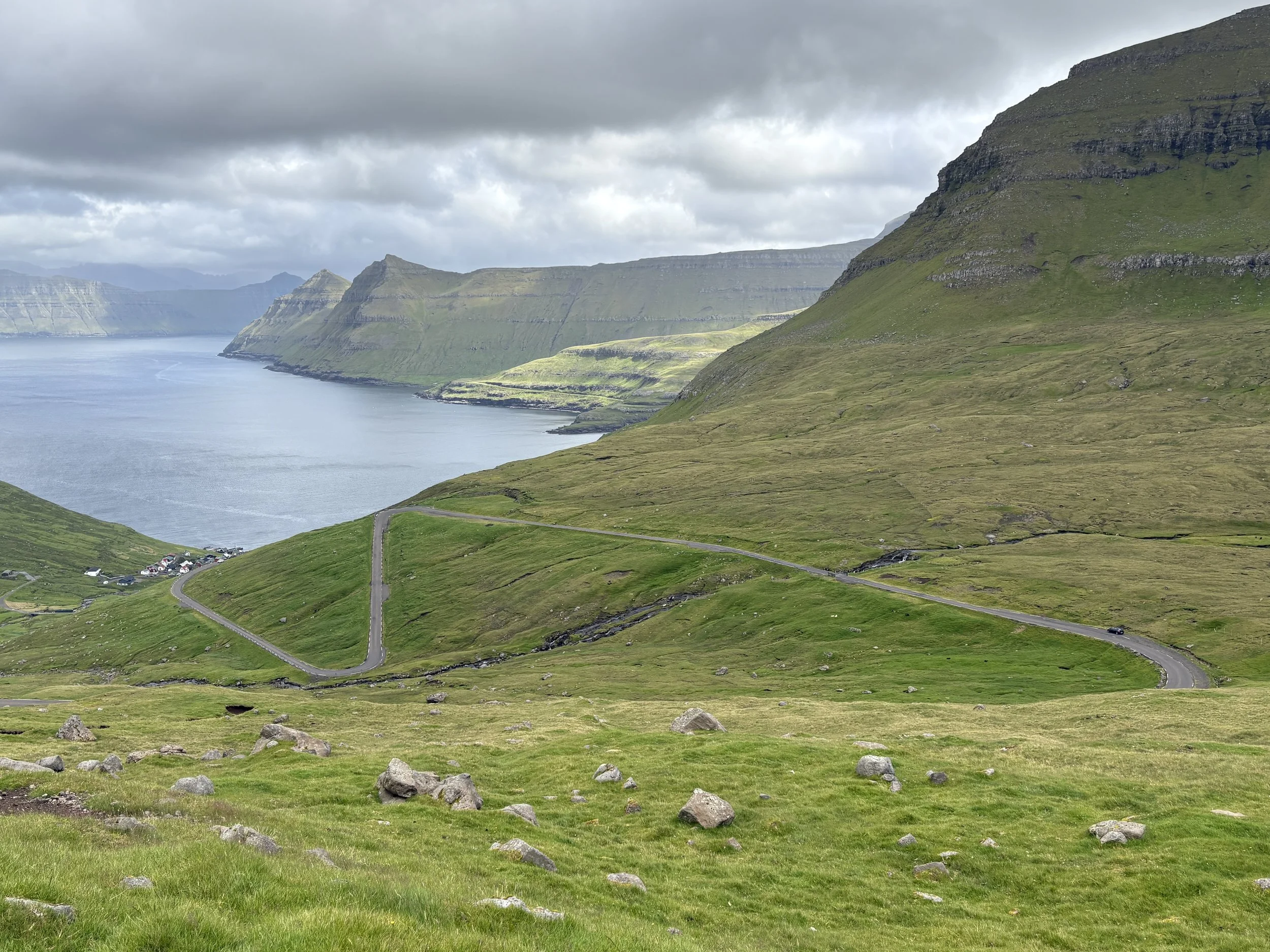
Looking ahead to the narrow road that will lead us along the coast
Looking across the fjord to Fuglafjørður, a village whose name means "fjord of birds", with the salmon farms set in the bay
The road gets a little more challenging as we continued along the cliffs edge
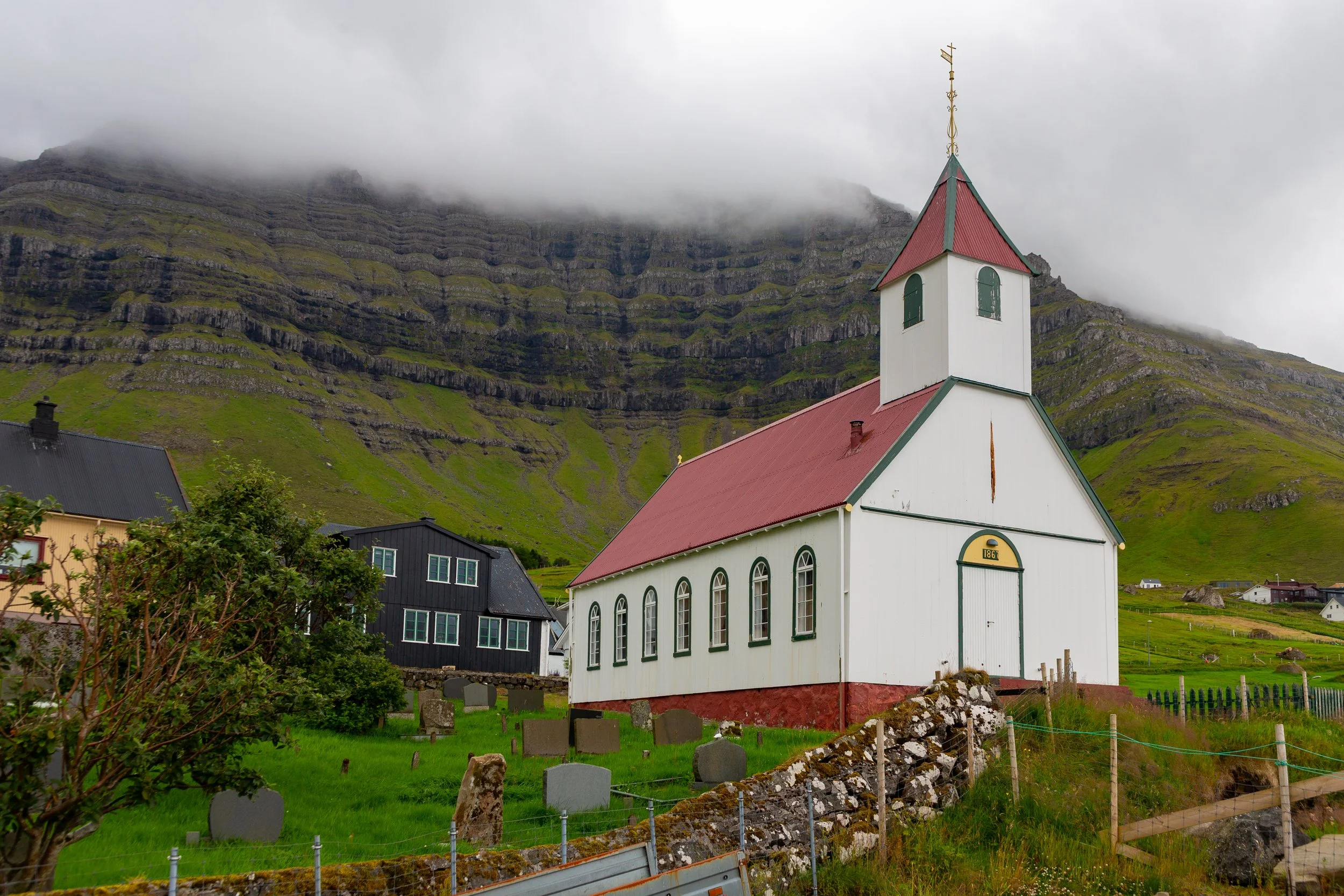
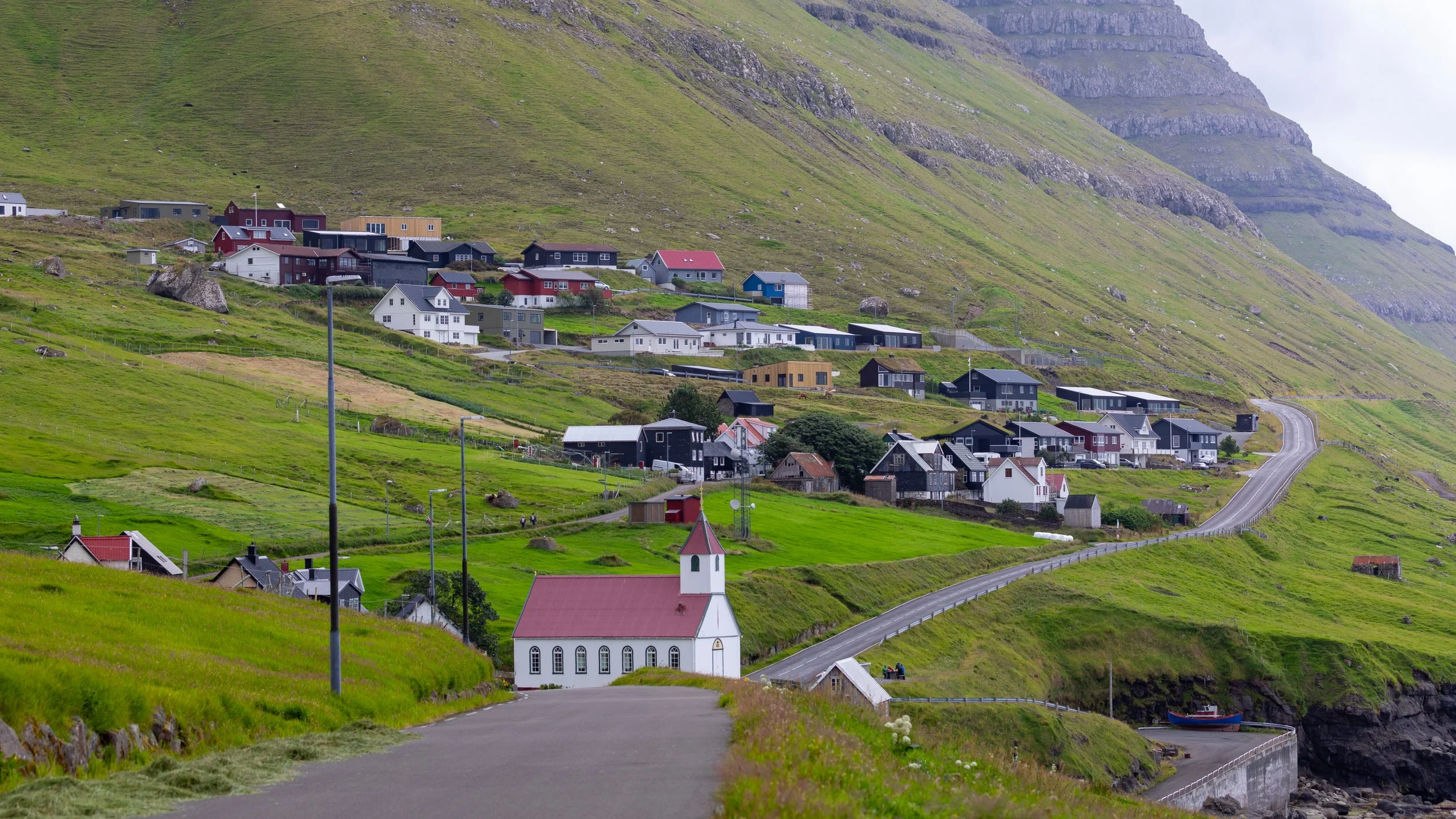
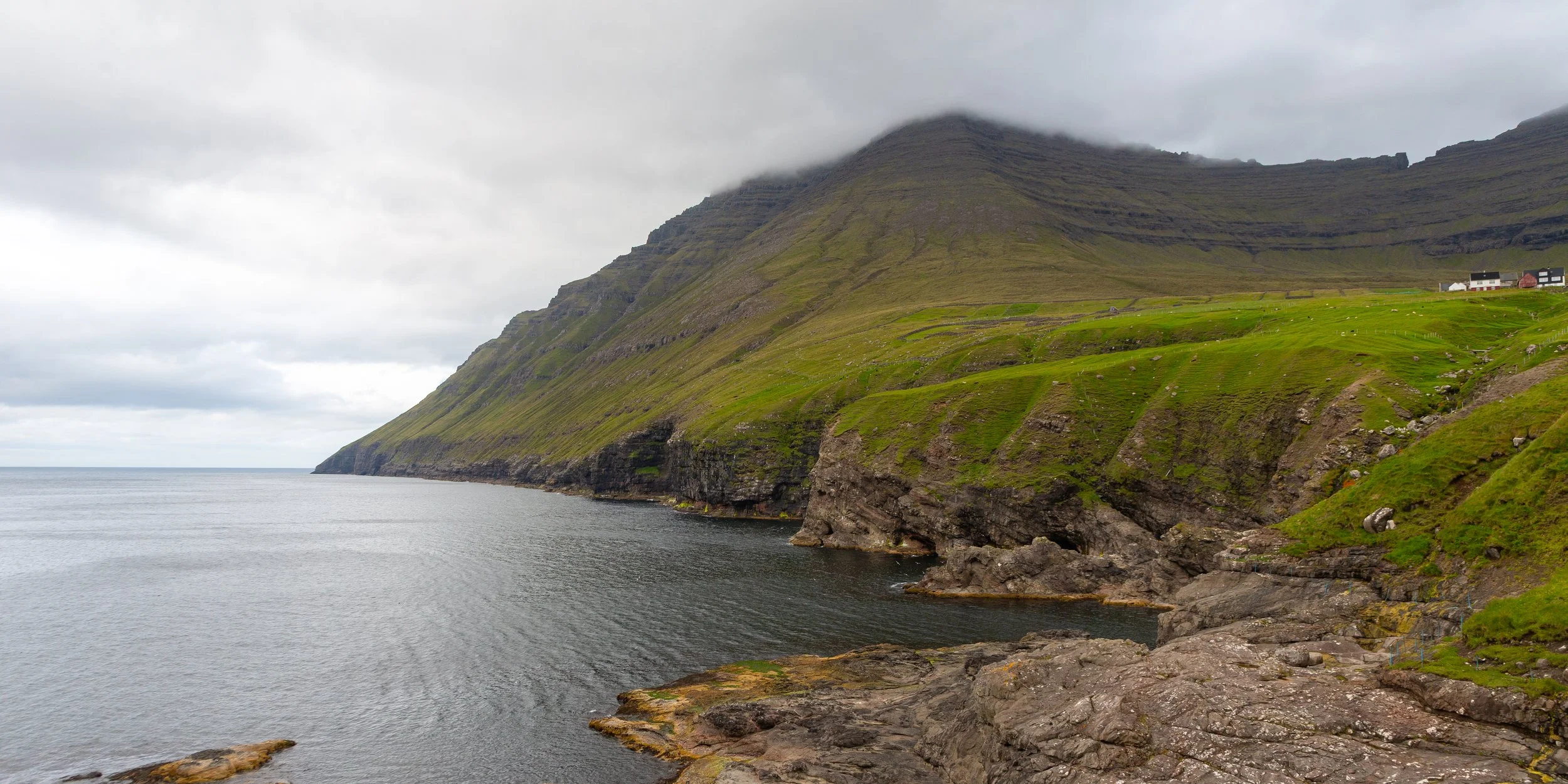
After passing by tunnel to Borðoy Island, we continued on a bridge to the smaller Kunoy island through a narrow one-lane tunnel to the small village
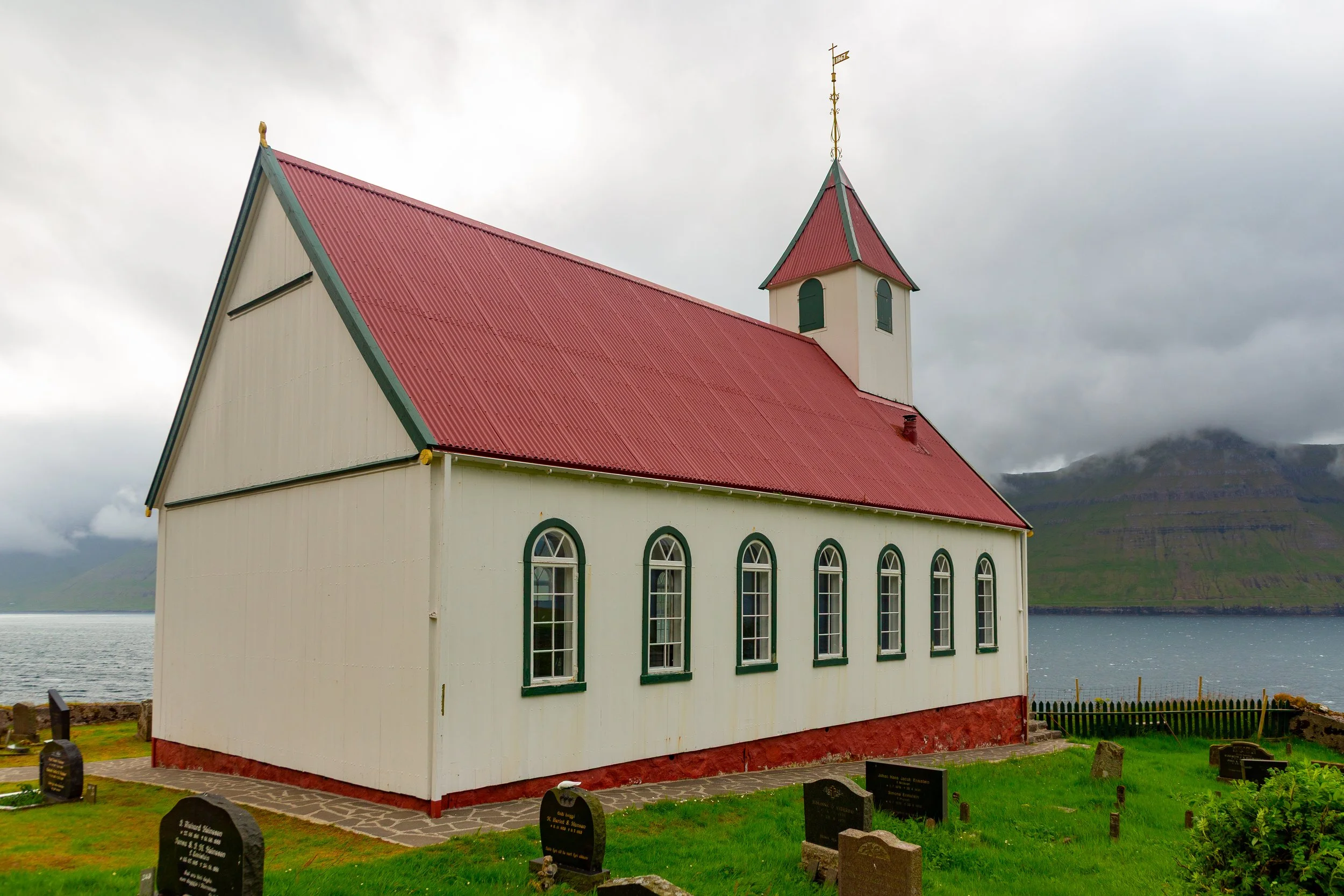
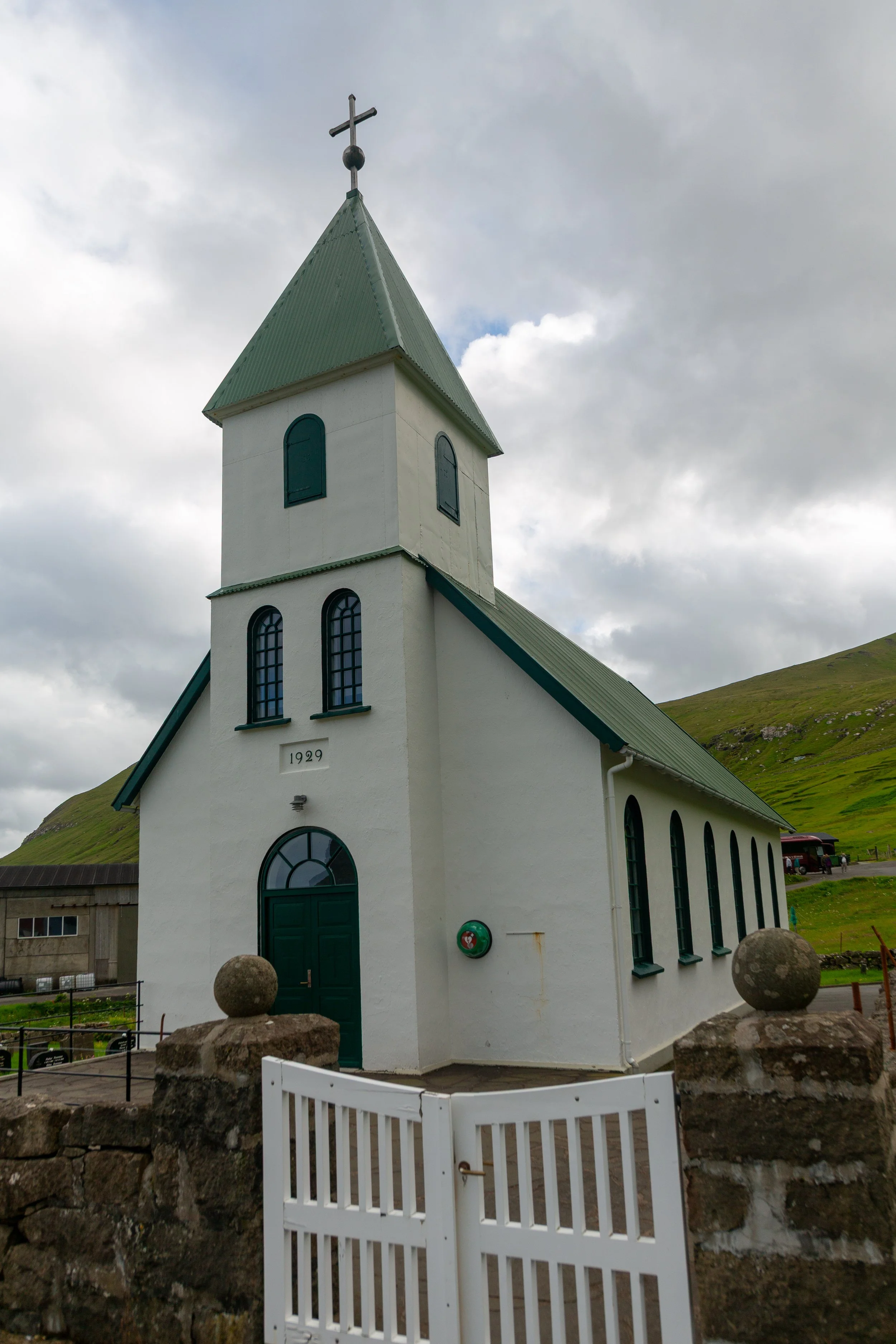
Small chapel in the town of less than 100 people, who were only connected to the rest of islands by one 3km single land tunnel built in 1988
After a brief walk, we get more of perspective of the town of Kunoy, hugging the rugged coastline
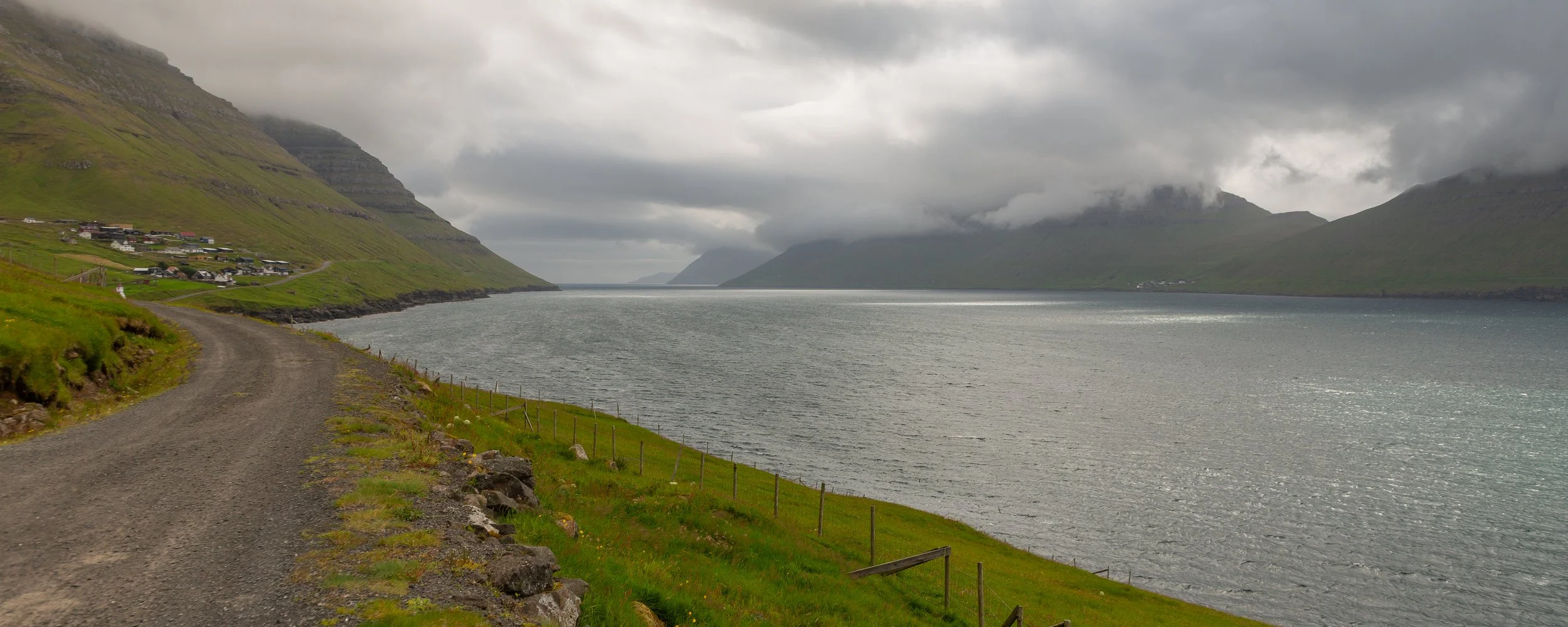
Looking across to the small island of Kalsoy which, unlike many of the northern islands, is only connected by ferry
Kunoy Cemetery
Continuing our tour of the islands, we make our way back through Borðoy to Viðoy, the northernmost island in the Faroes
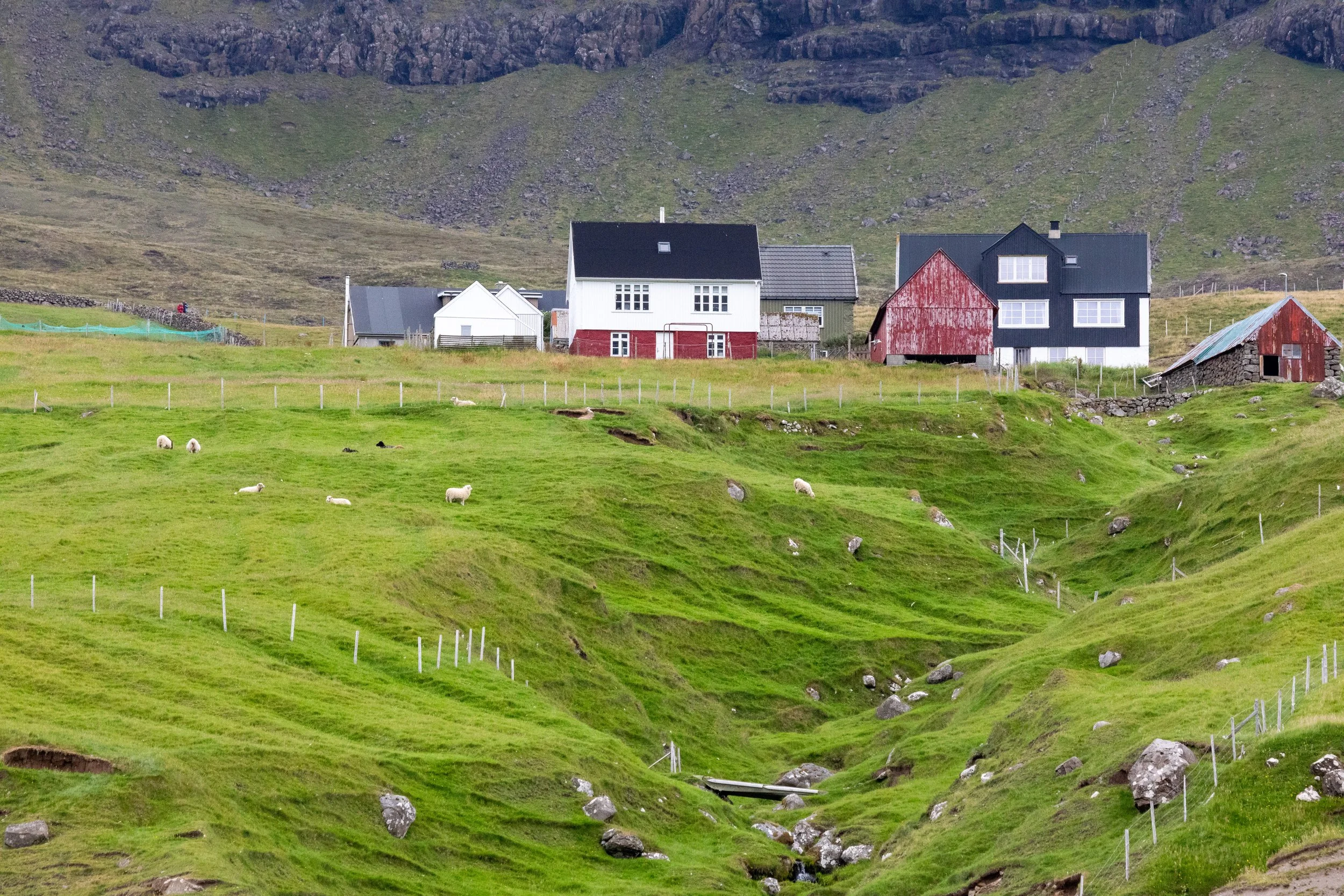
Small village of Vidareidi on the west coast
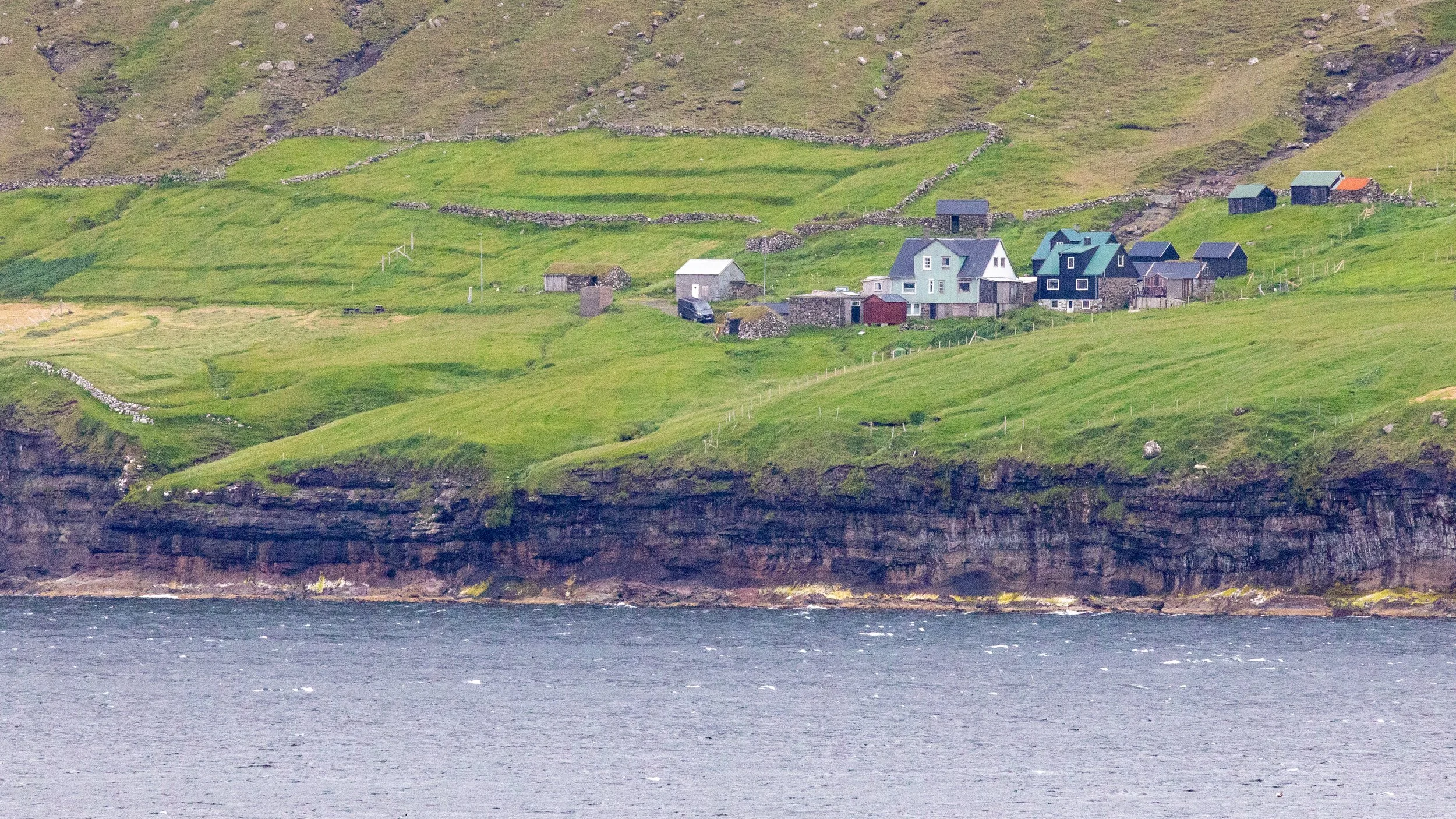
Looking across the channel to a small village on Borðoy
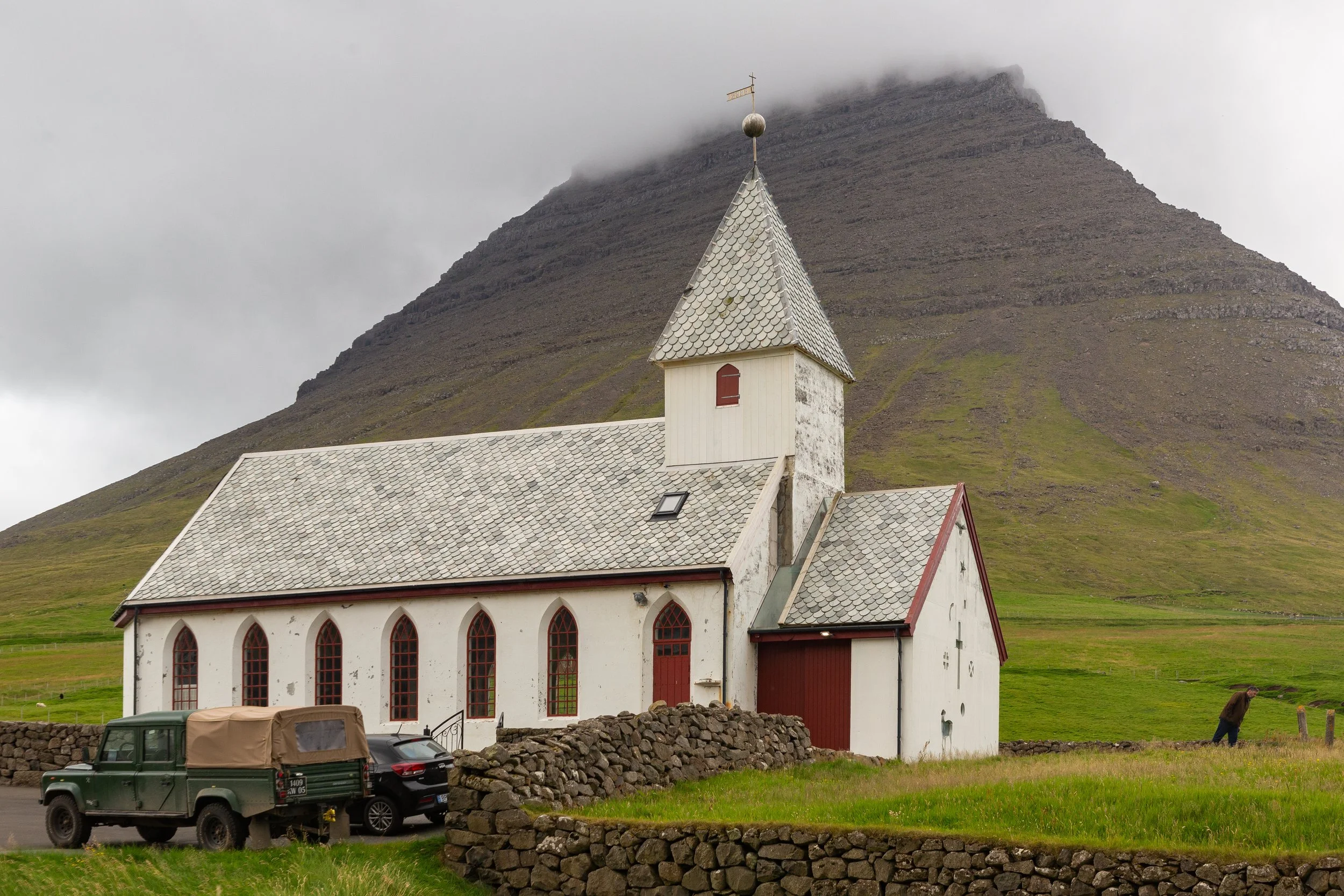
Viðareiði church (1892)
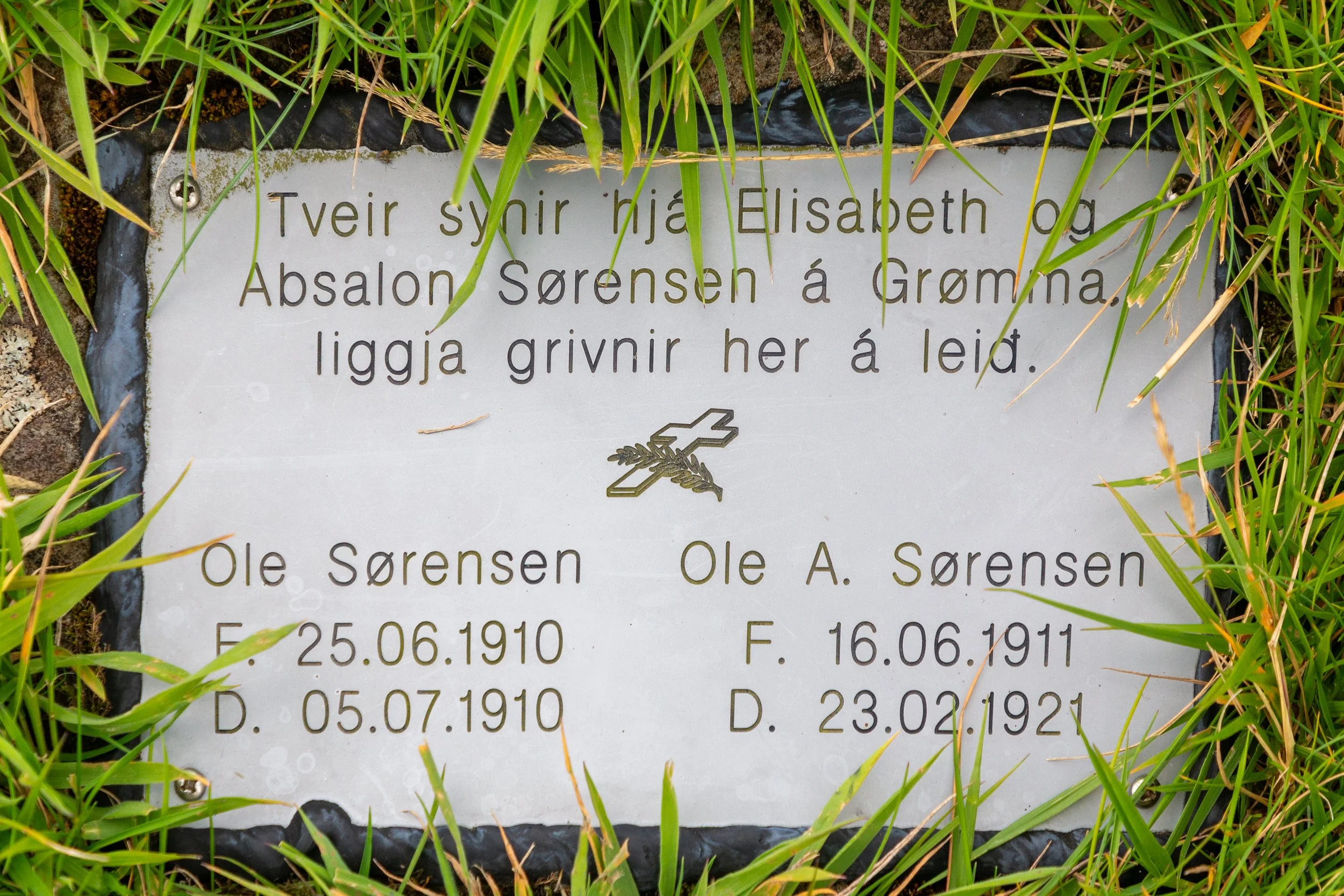
Gravestone for two sons of Elisabeth and Absalon Sørensen from Grømma, who both died before they were 10 years old
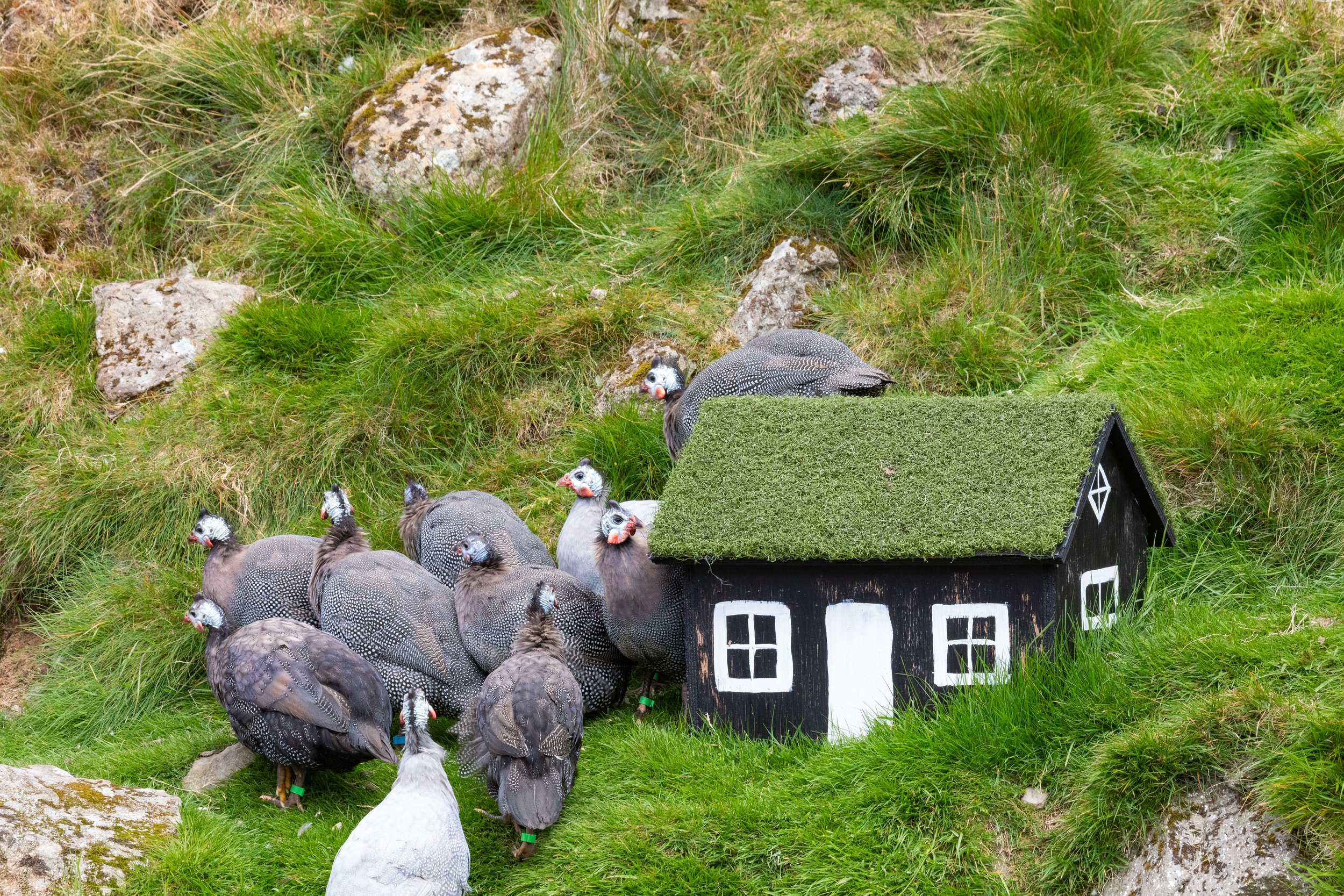
Flock of helmeted guineafowl, next to a miniature turf house model ,in a strange miniature roadside attraction, just out of Vidareidi
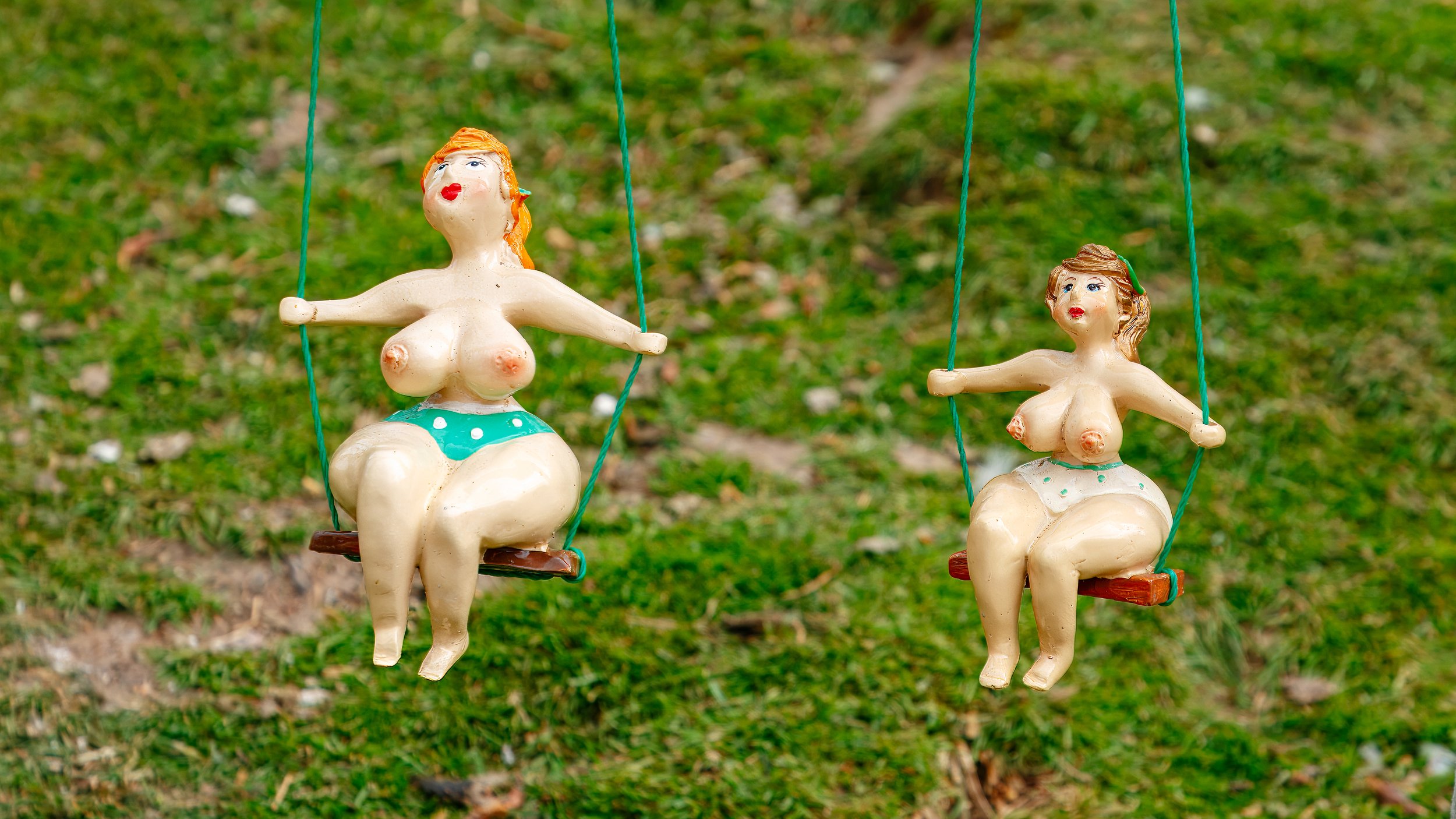
Some of the more eccentric features in the collection
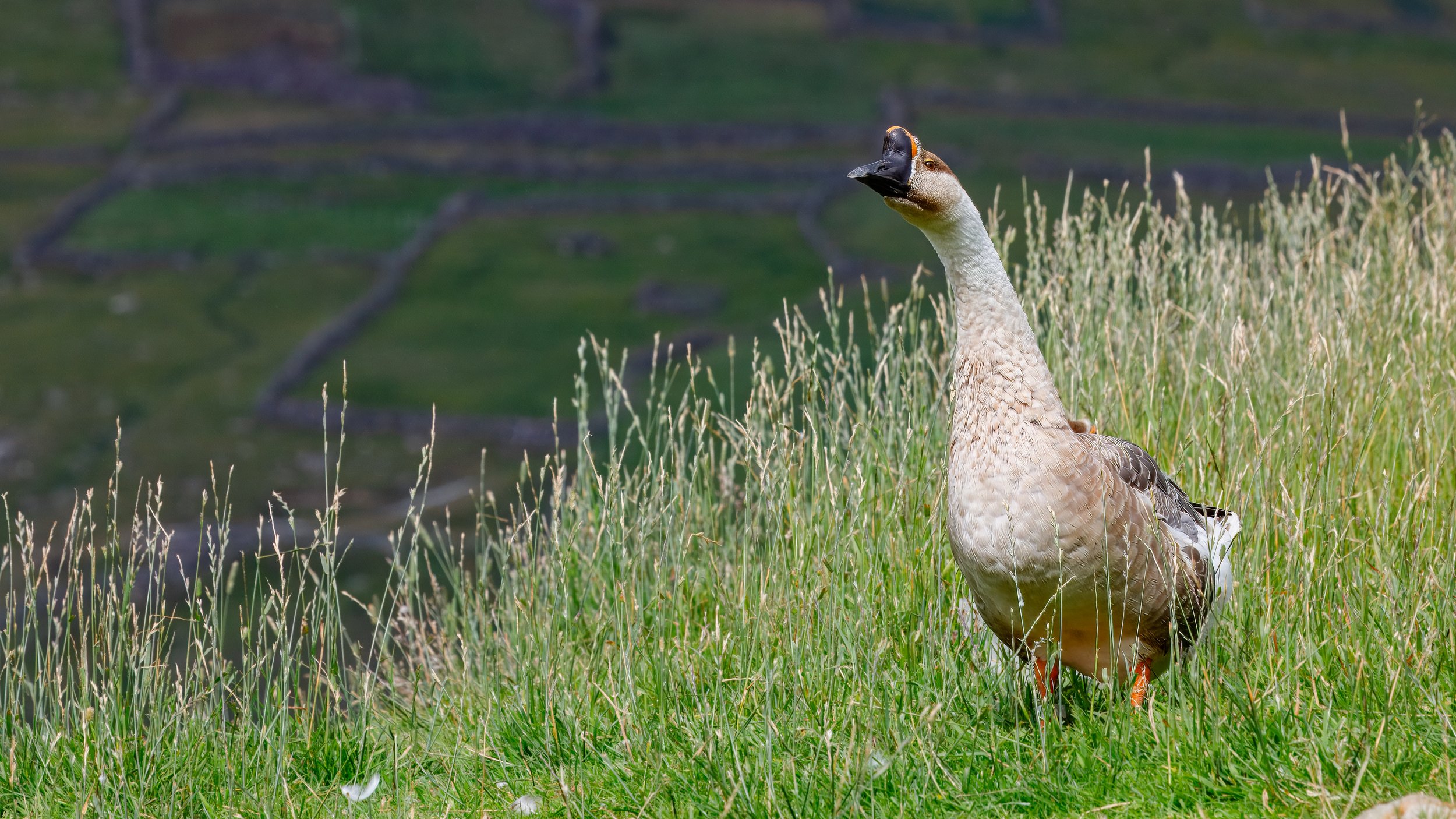
Brown Chinese Goose
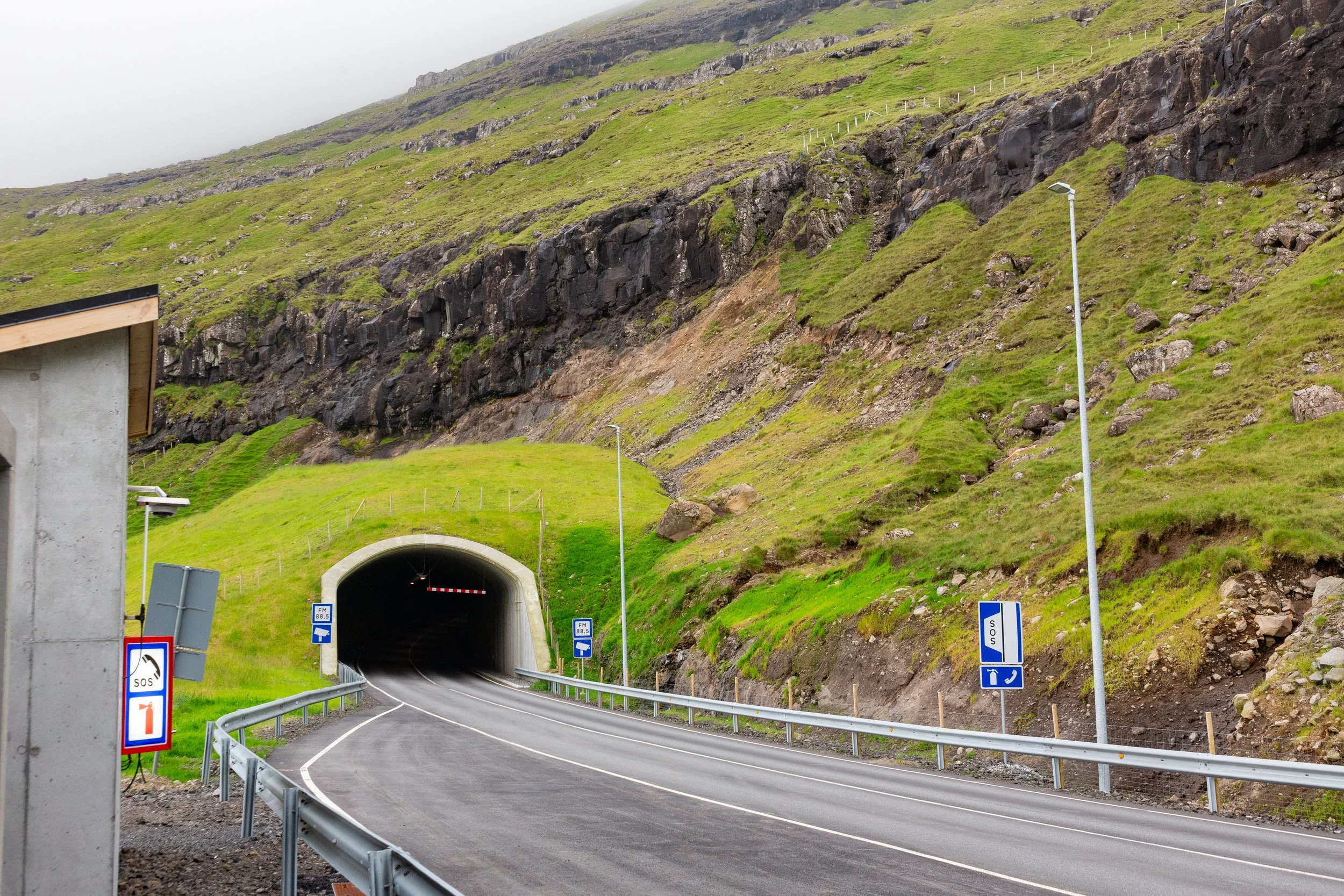
Heading back through the Árnafjørður Tunnel, which cuts through the mountain to the other side of the island, having just opened in December 2024
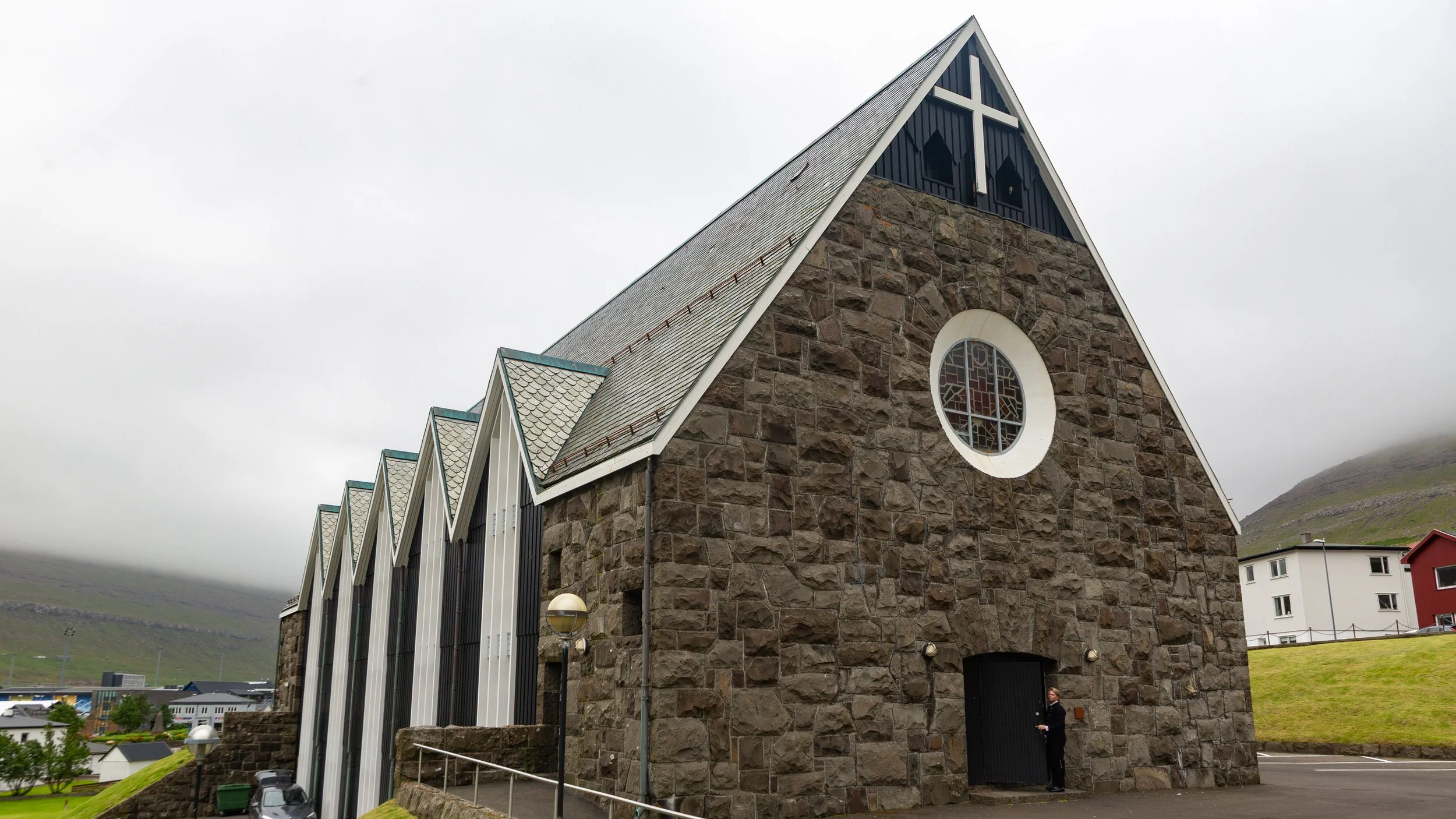
Christianskirkjan (King Christian's Church), a modern church in Klaksvík, the second-largest town in the Faroe Islands
A small tower on the edge of the church property, with the town below
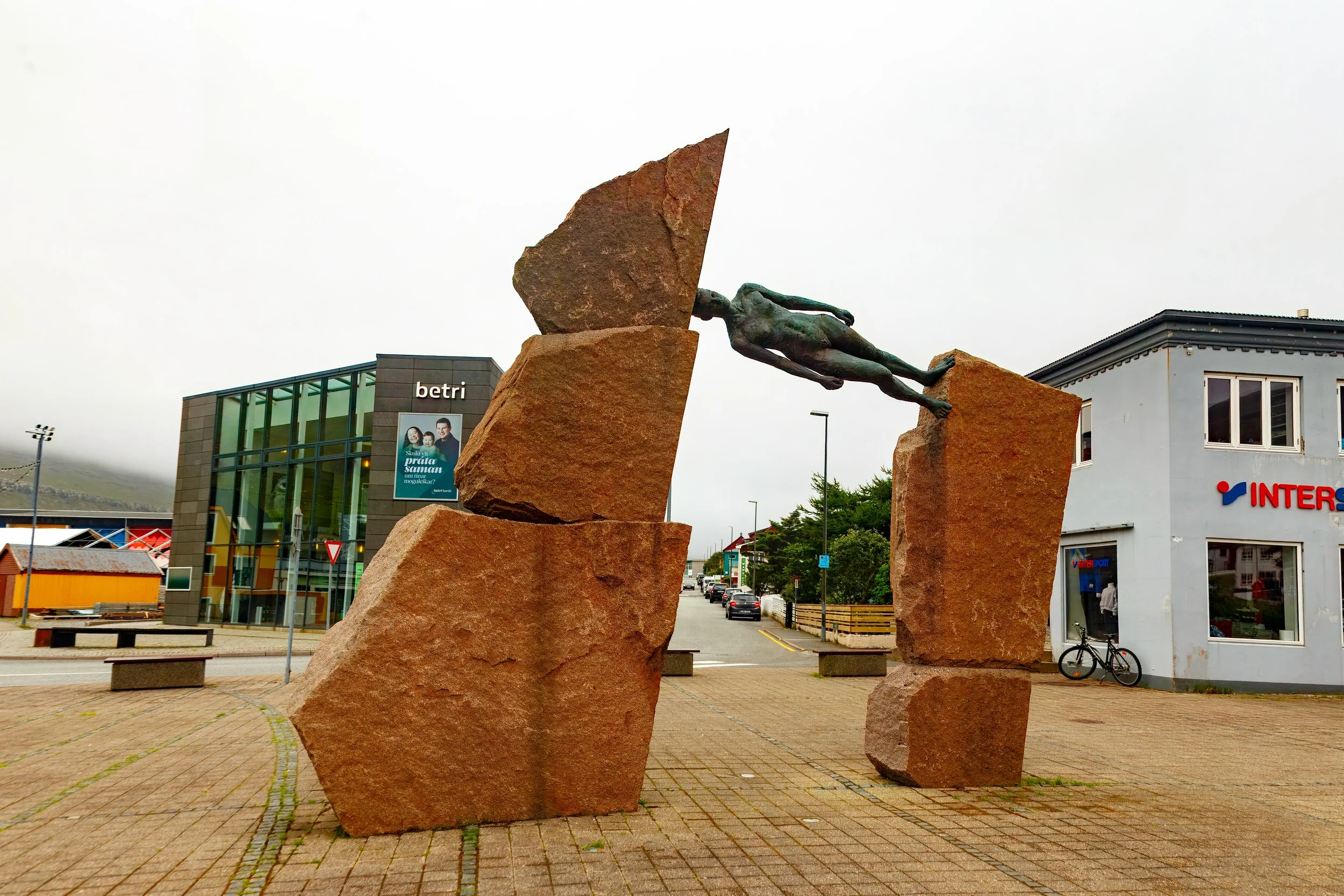
Bronze and granite sculpture, Fípan Fagra created by Faroese artist Hans Pauli Olsen in 2008
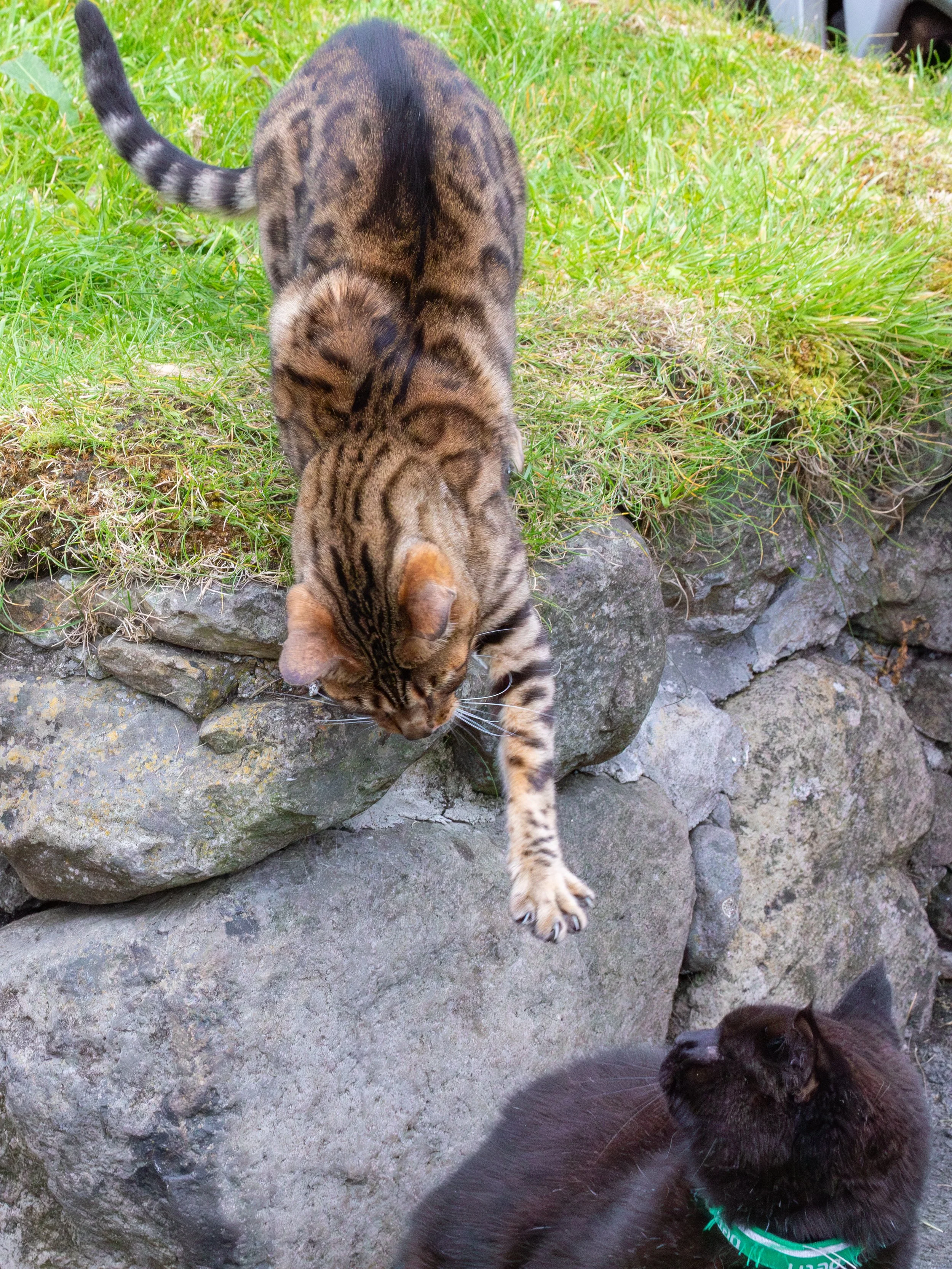
Back in Tórshavn, discovered a small cat fight in progress
After a full day of driving, we relaxed with a glass of wine in our hotel, and then headed downtown to grab dinner. We found a nice pizza place on the waterfront that was both tasty and reasonably-priced. After walking around a bit more, we headed back to the hotel.
Aug 3
The day started with a bit of blue sky, and I took advantage of the comfortable cooler temperatures to do a nice run along the coastline near the hotel. Although the hotel was on a hilltop, luckily the terrain was a little more flat. After my run, we started by touring the capital of Tórshavn, and then spent the day on Streymoy and Eysturoy islands, avoiding another expensive sea tunnel.
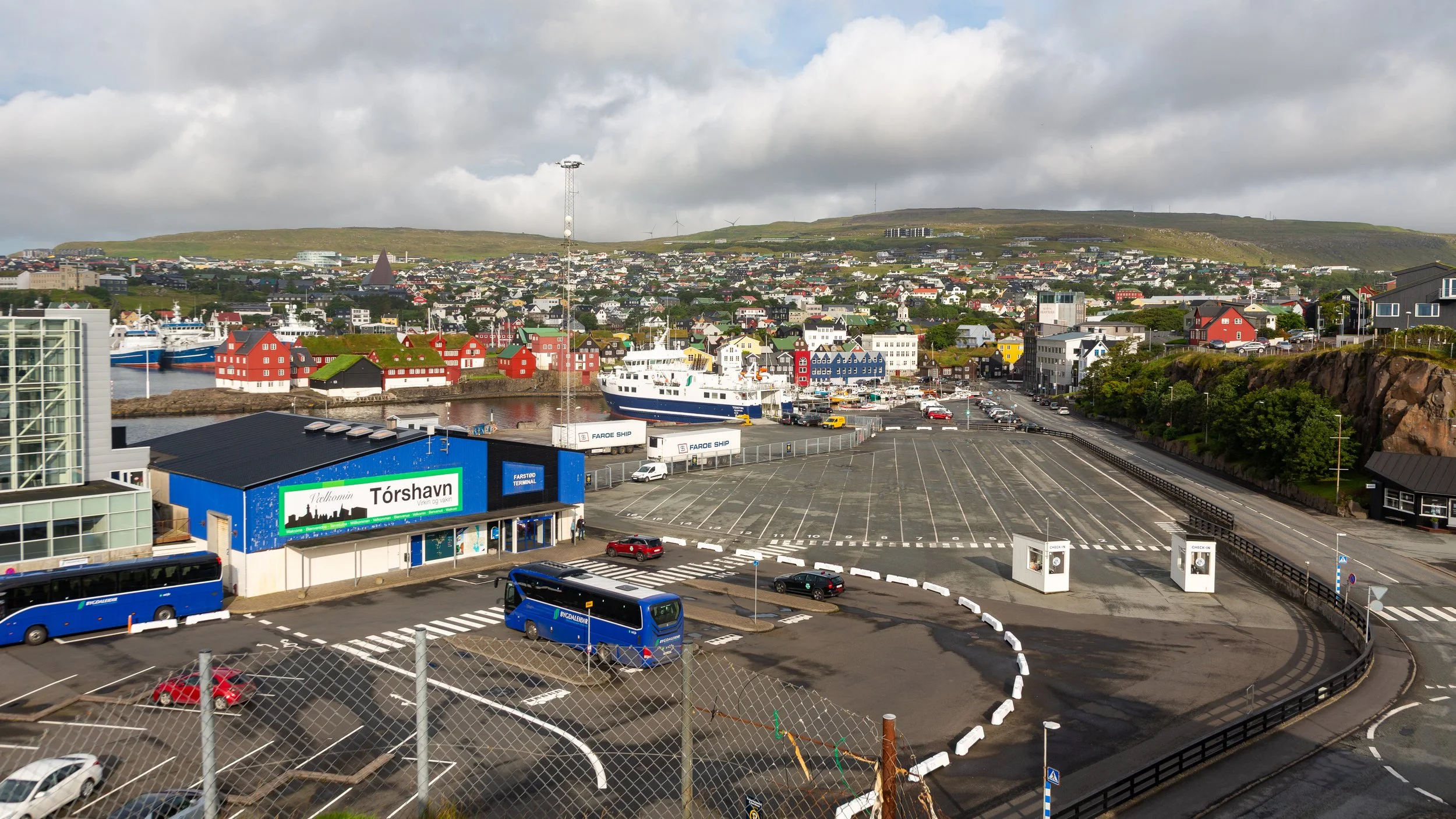
Hilltop view of the harbour that is a major transit point for tourists and supplies for the remote islands
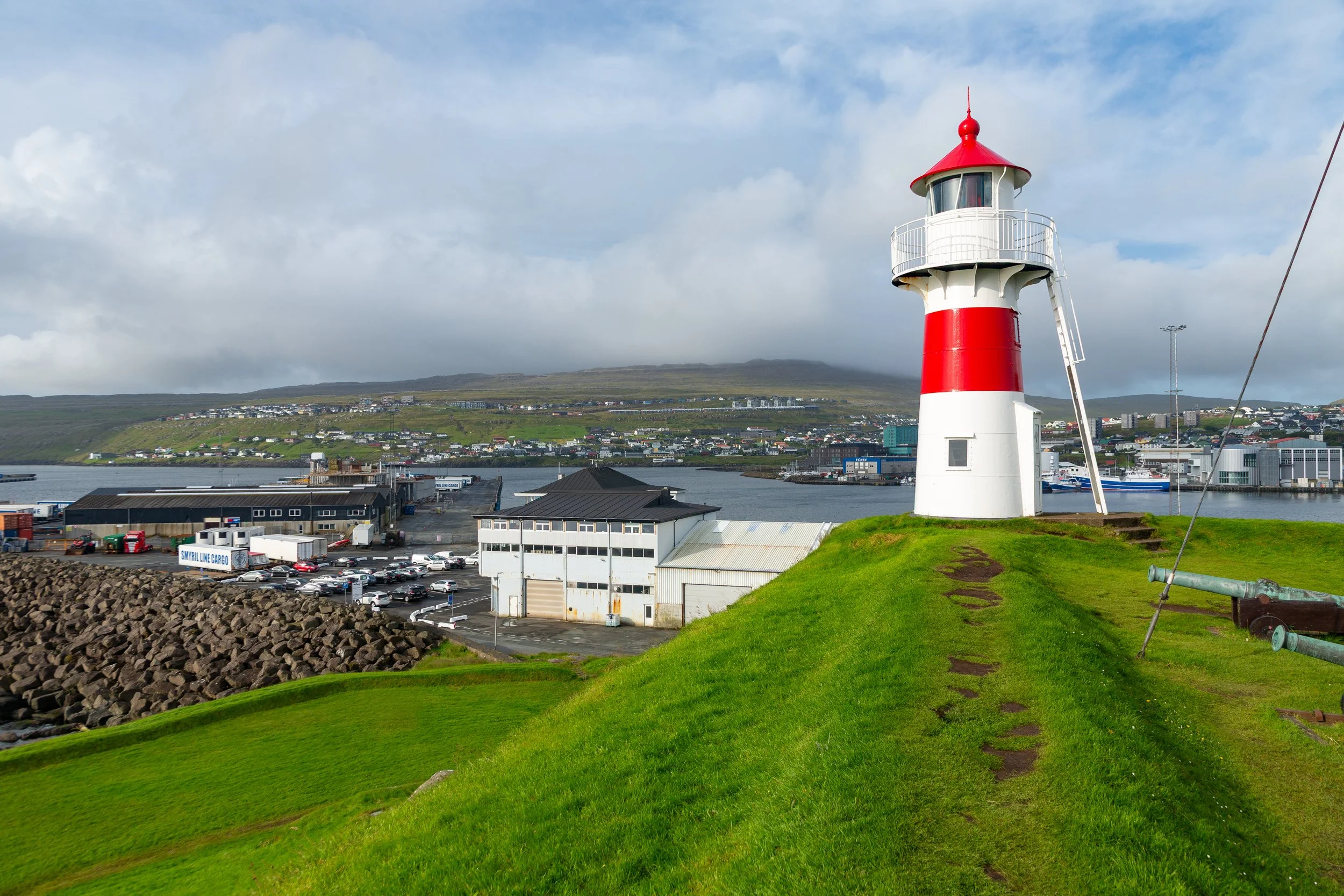
Lighthouse at top of historic fortress Skansin (1580)
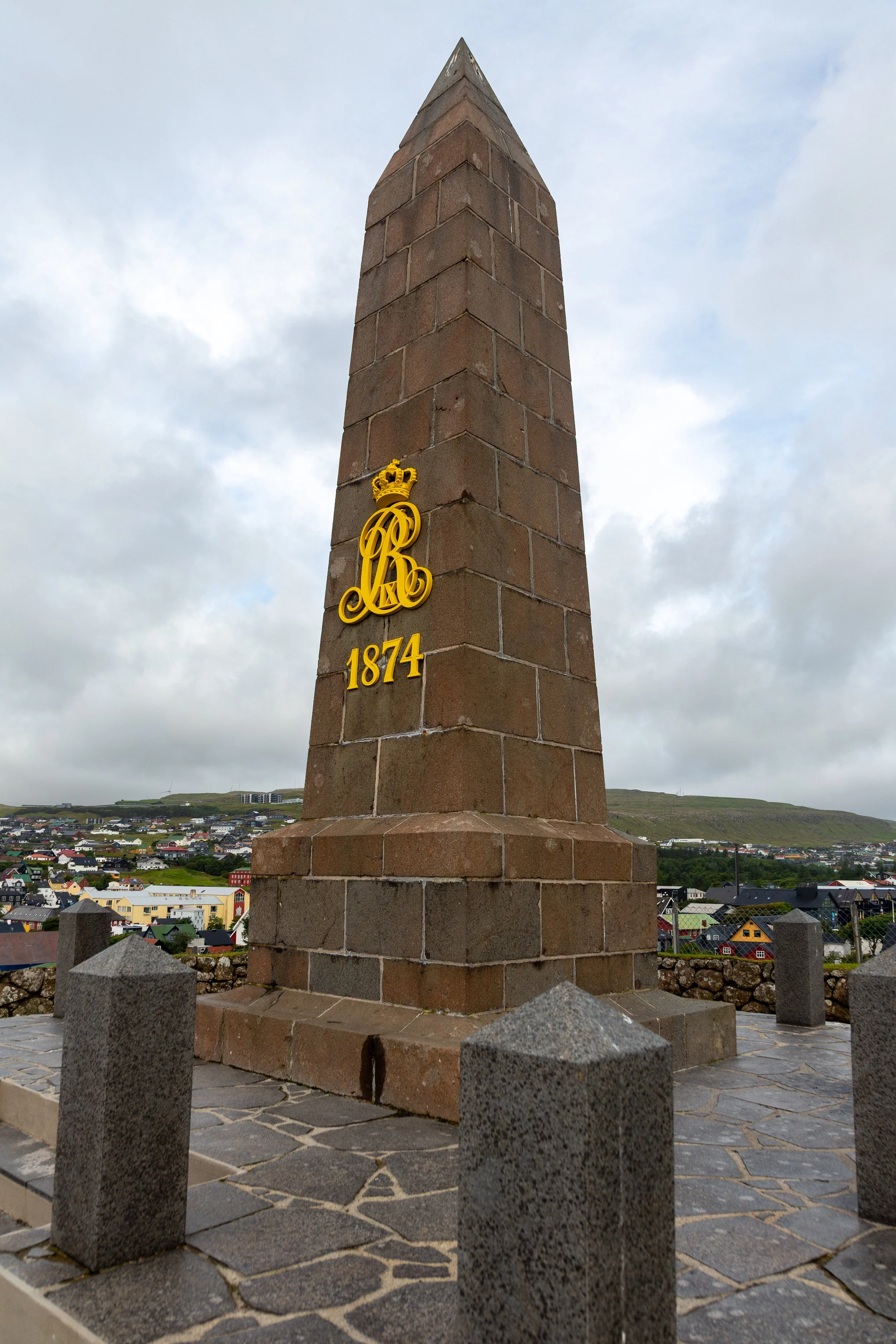
Kongaminnið monument (1882) basalt obelisk, built to commemorate the visit of Danish King Christian IX in 1874
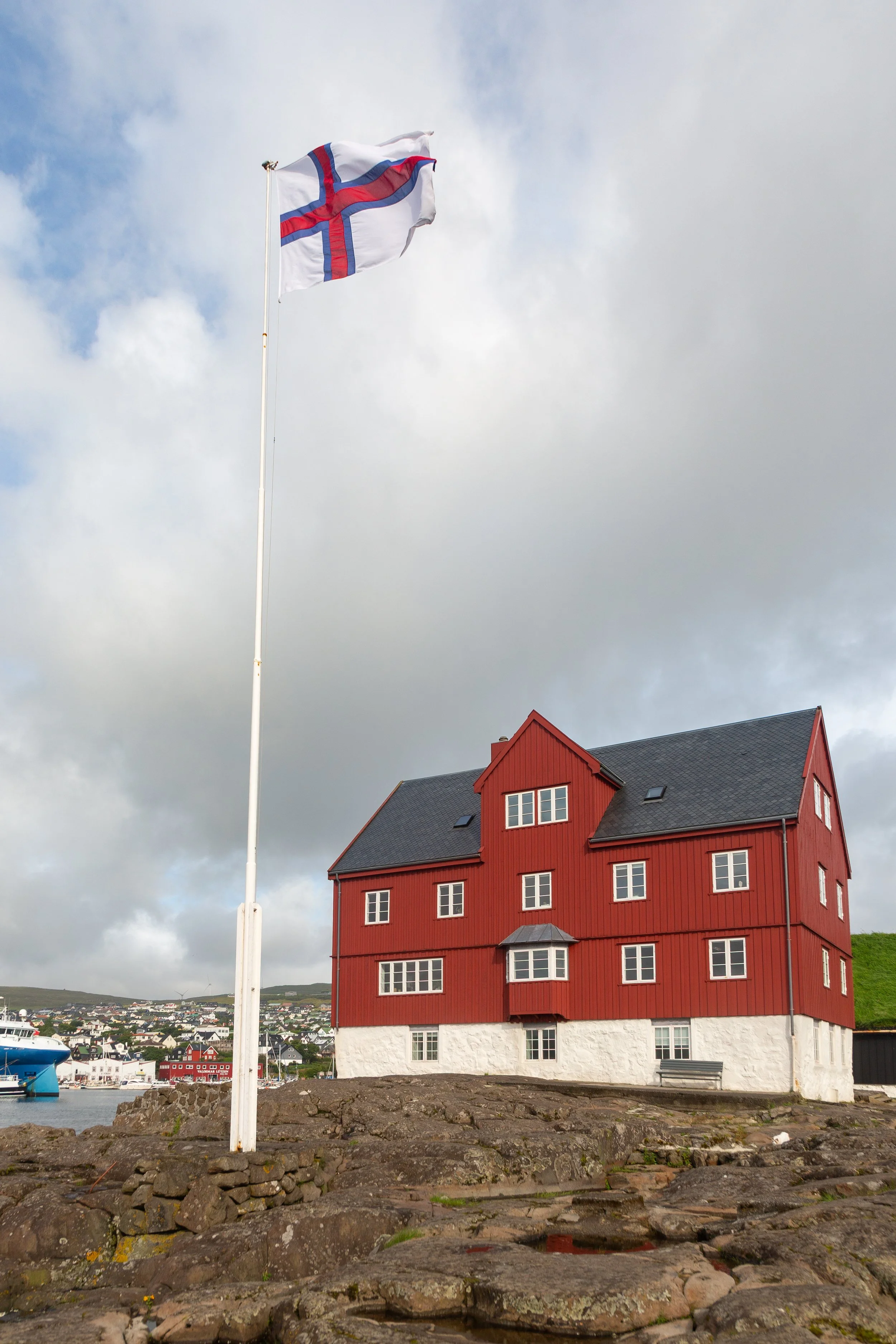
One of the buildings on Tinganes, the historic location of the Faroese landsstýri parliament, which met for the first time in here 825AD
A neighbourhood cat accompanied us for much of our walking tour; they were very friendly and followed us for at least half an hour
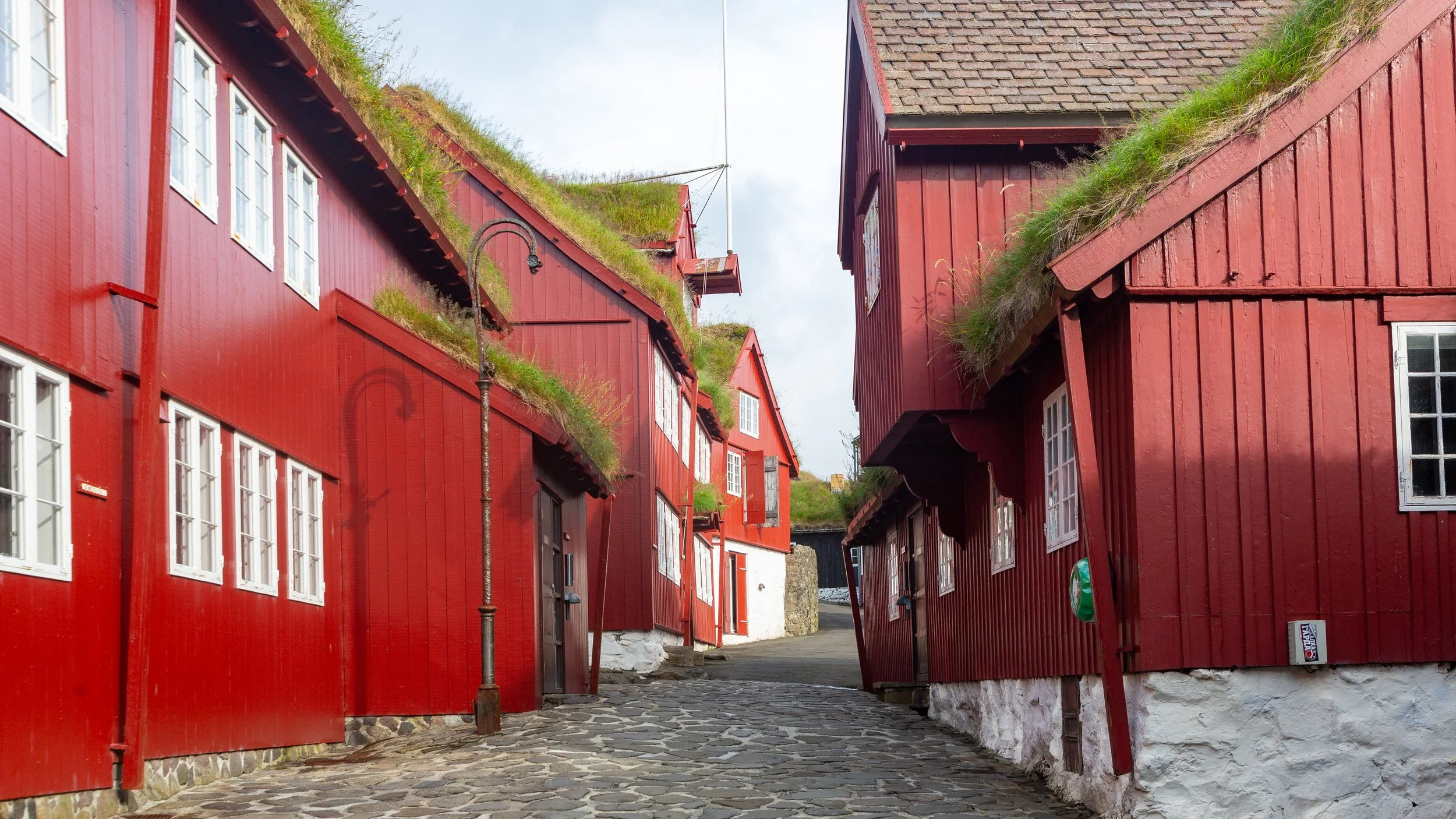
Navigating more of the Tinganes, these are old parliament buildings, some active today with some government functions, with the main parliament now a few blocks north
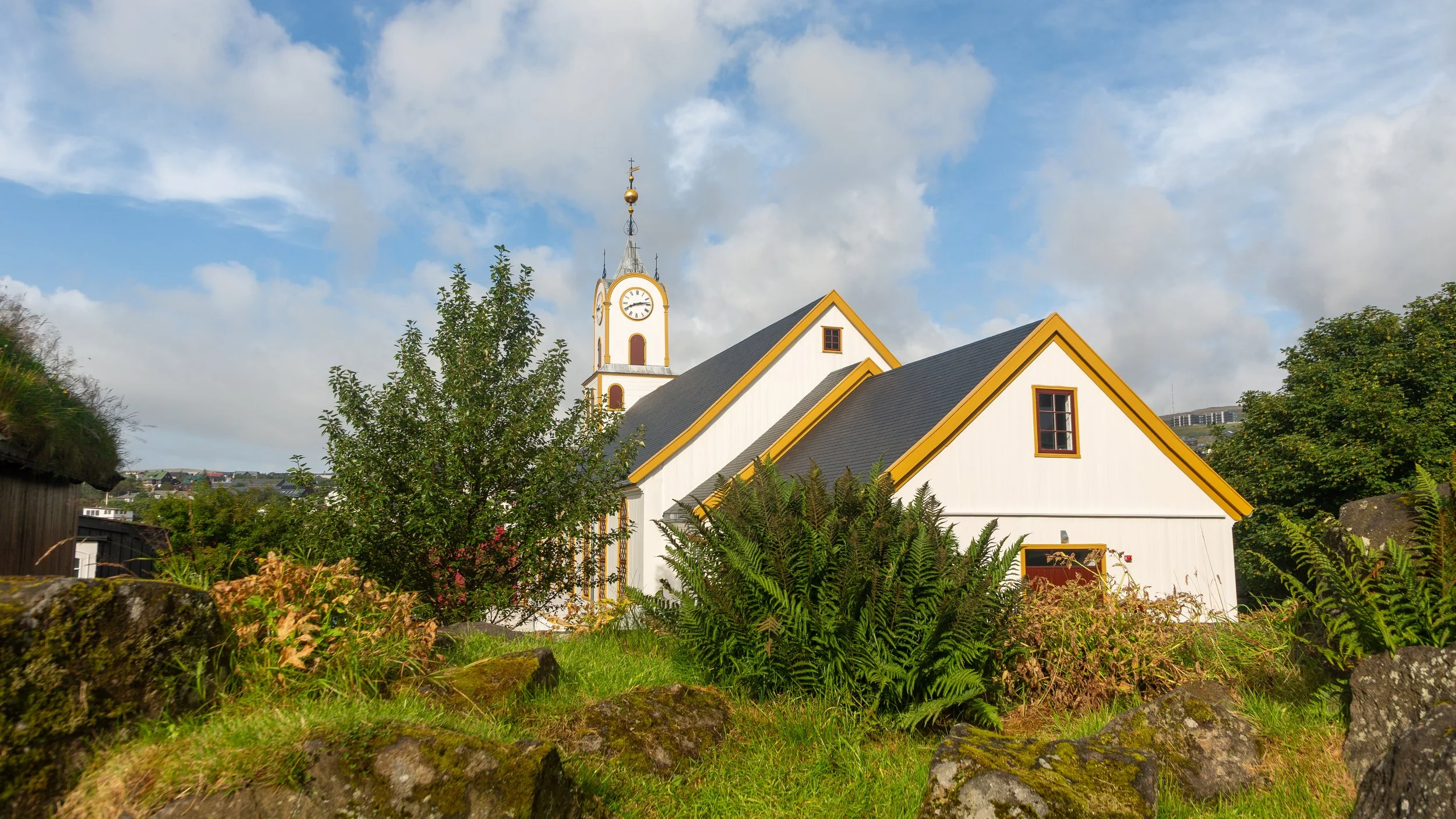
Tórshavn Cathedral (1865). Although the current building is newer, a church was established here in 1788
Some public art in the Gongin neighbourhood leading from the Tinganes
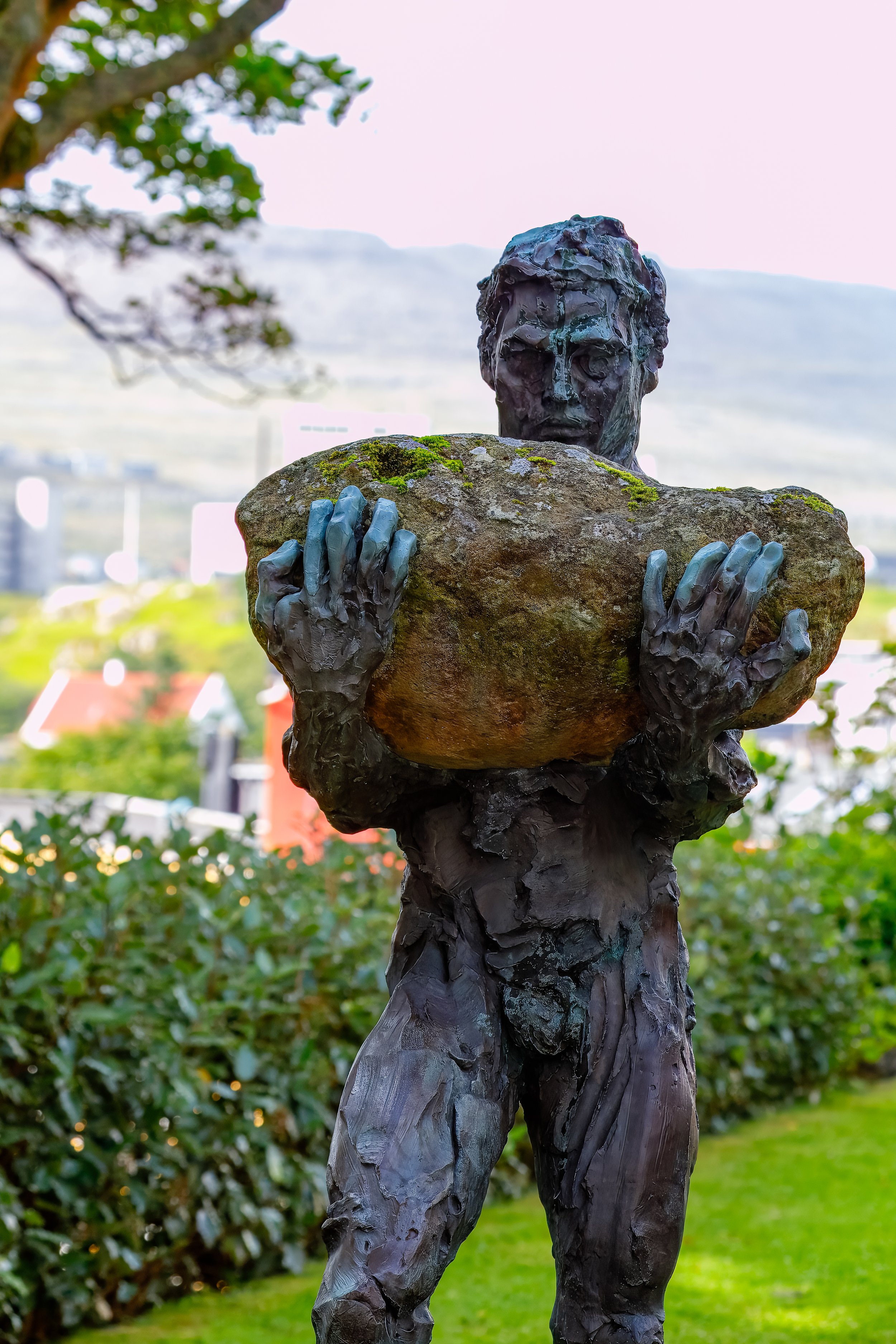
Traðarmaðurin (1889) ("The Trader"), bronze sculpture created by artist Hans Pauli Olsen as tribute to the men who cultivated small plots of land outside Tórshavn
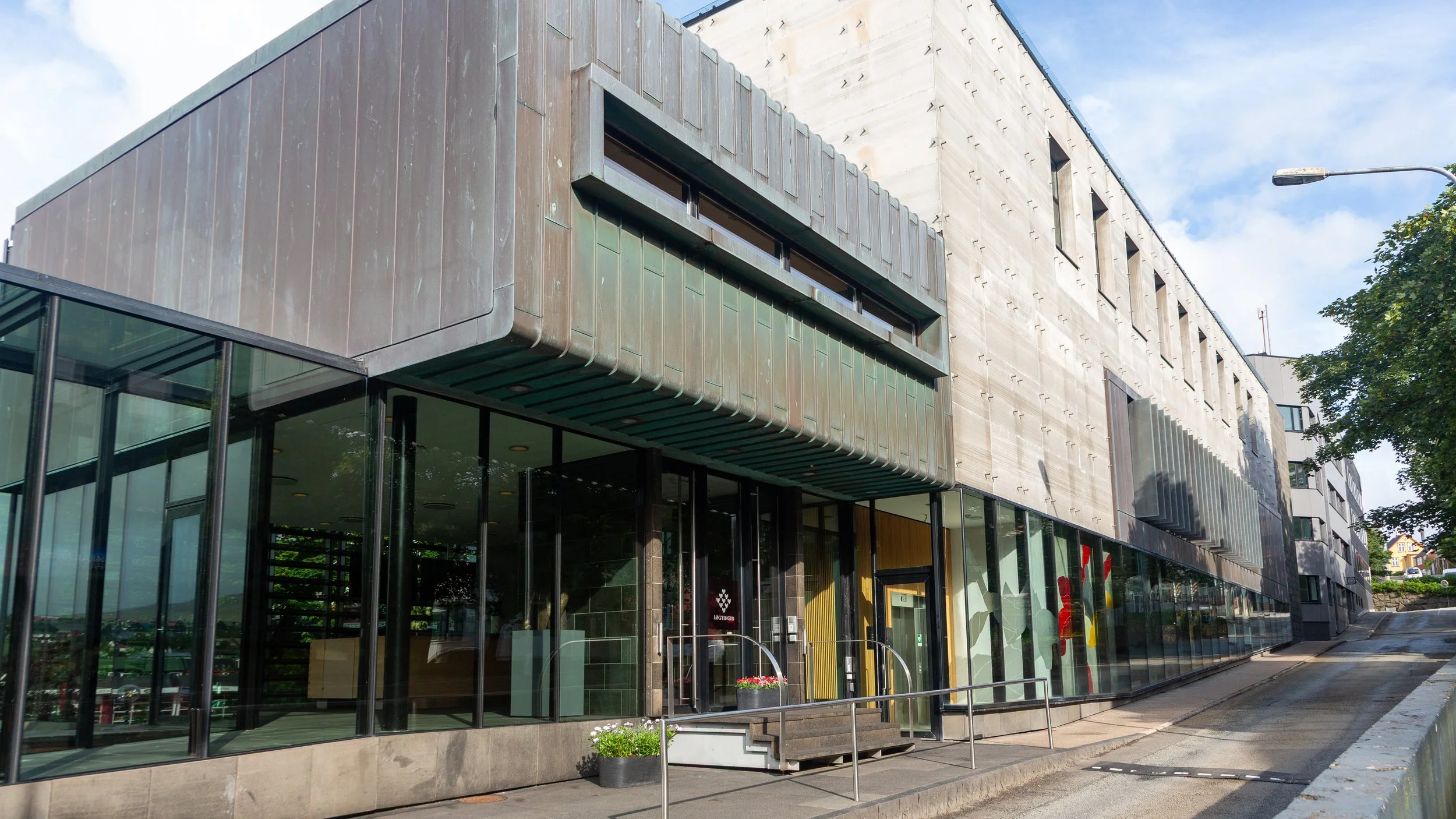
Tórshavn: The modern Parliament of the Faroe Islands (Løgting)
Heading west out of town, we took a side trip to scenic Tyggjara Falls
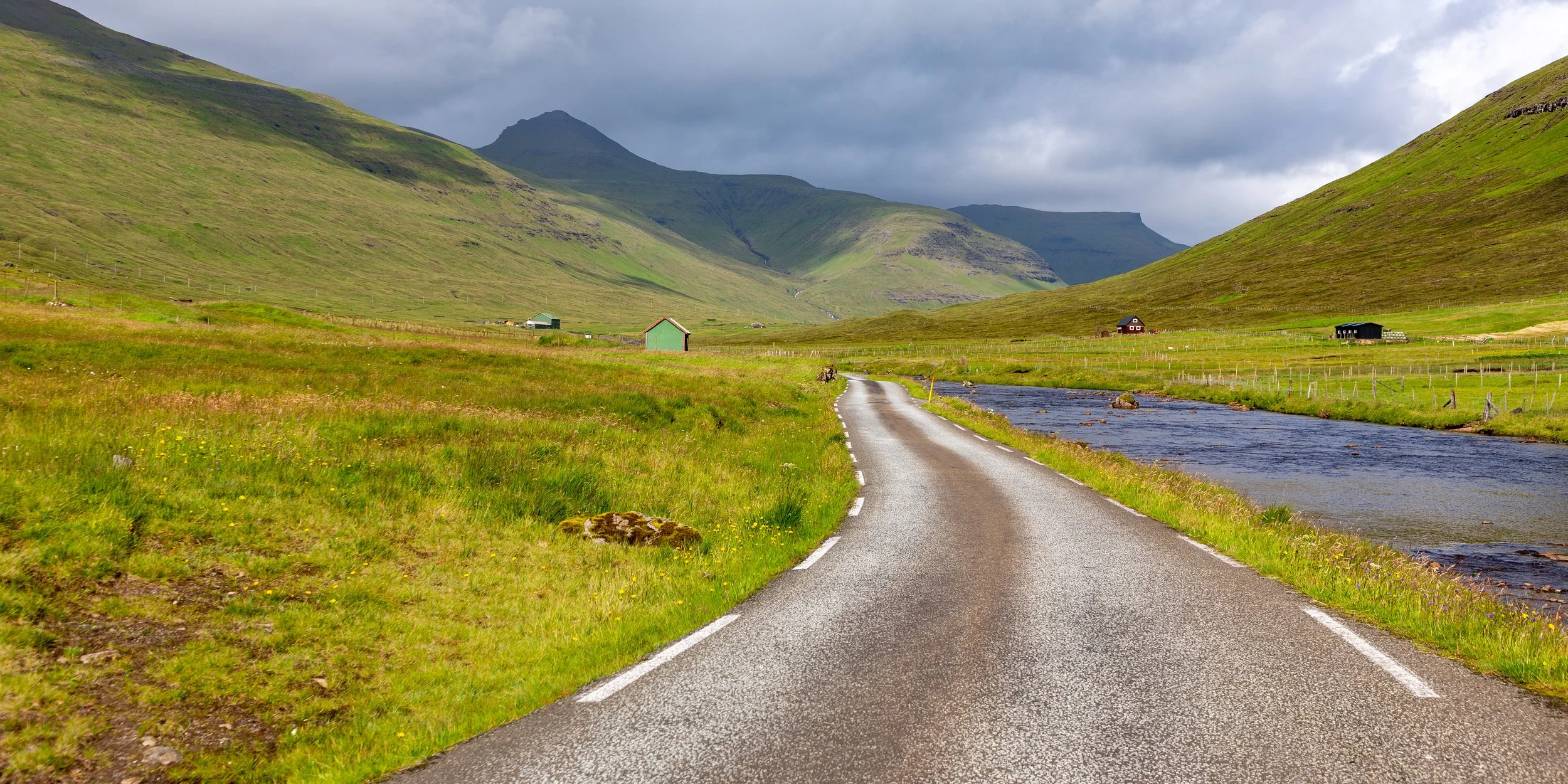
Driving along a one lane road between Hvalvik and our first destination of Saksun
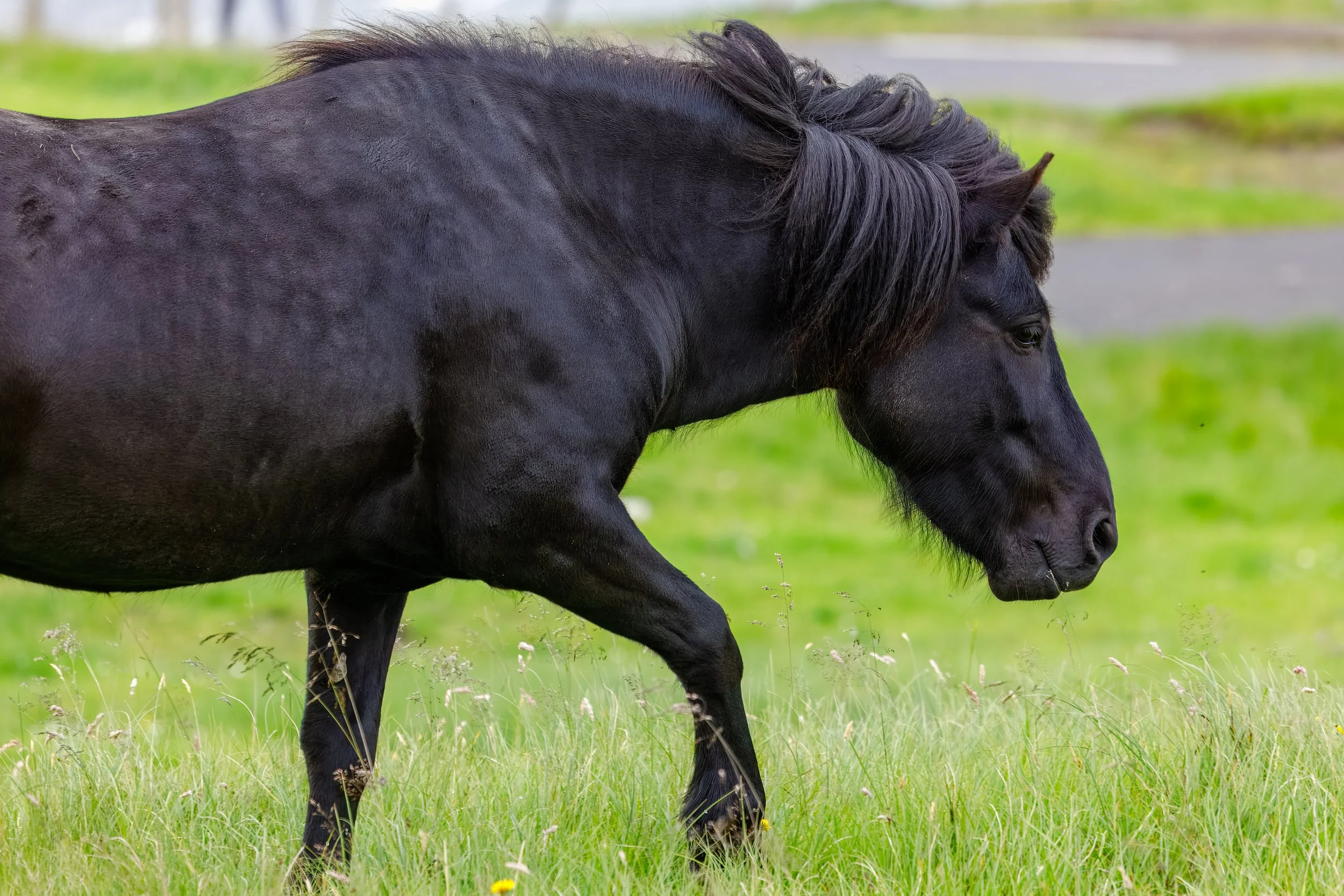
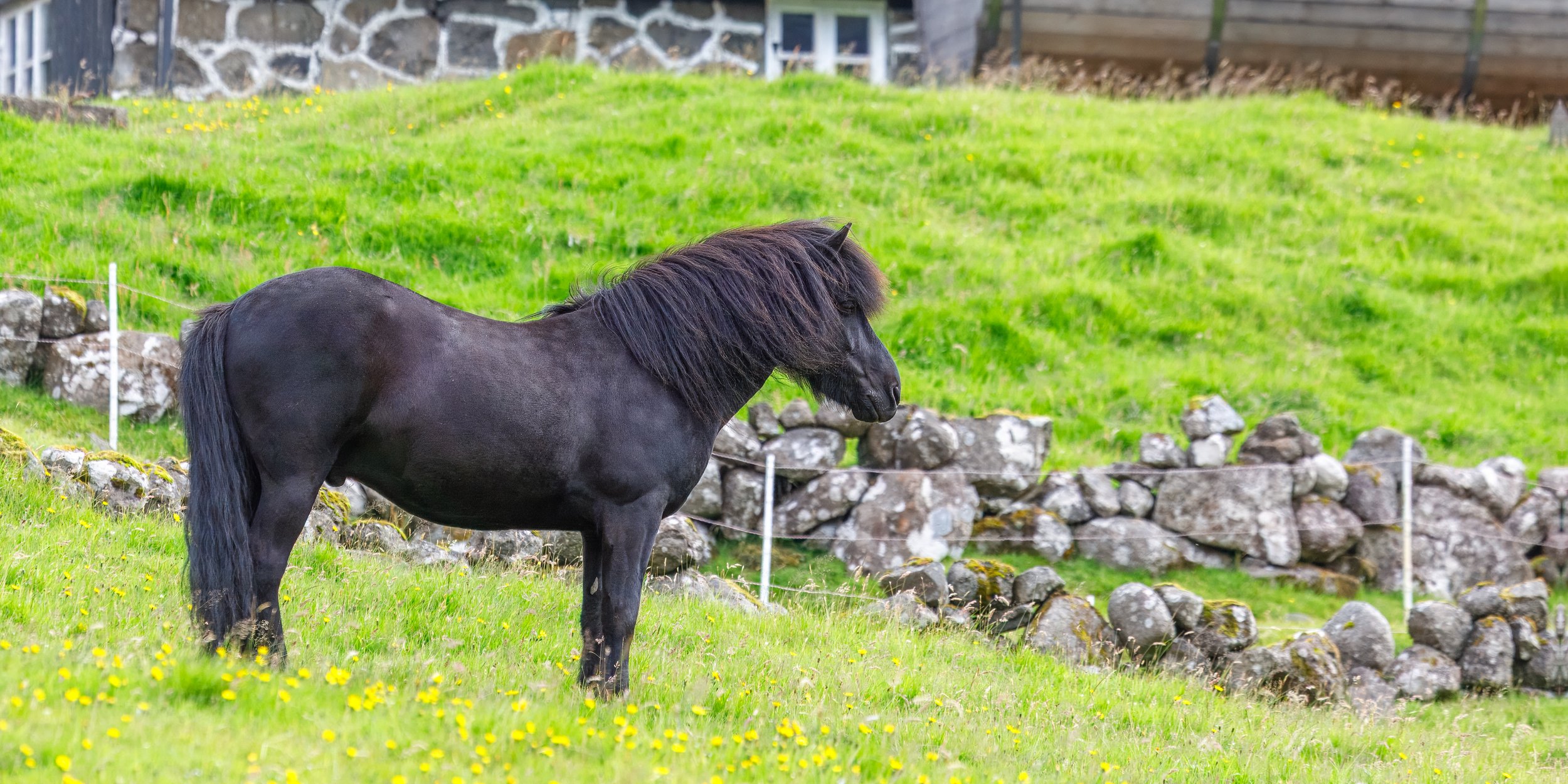
Friendly horse enjoying the high grass
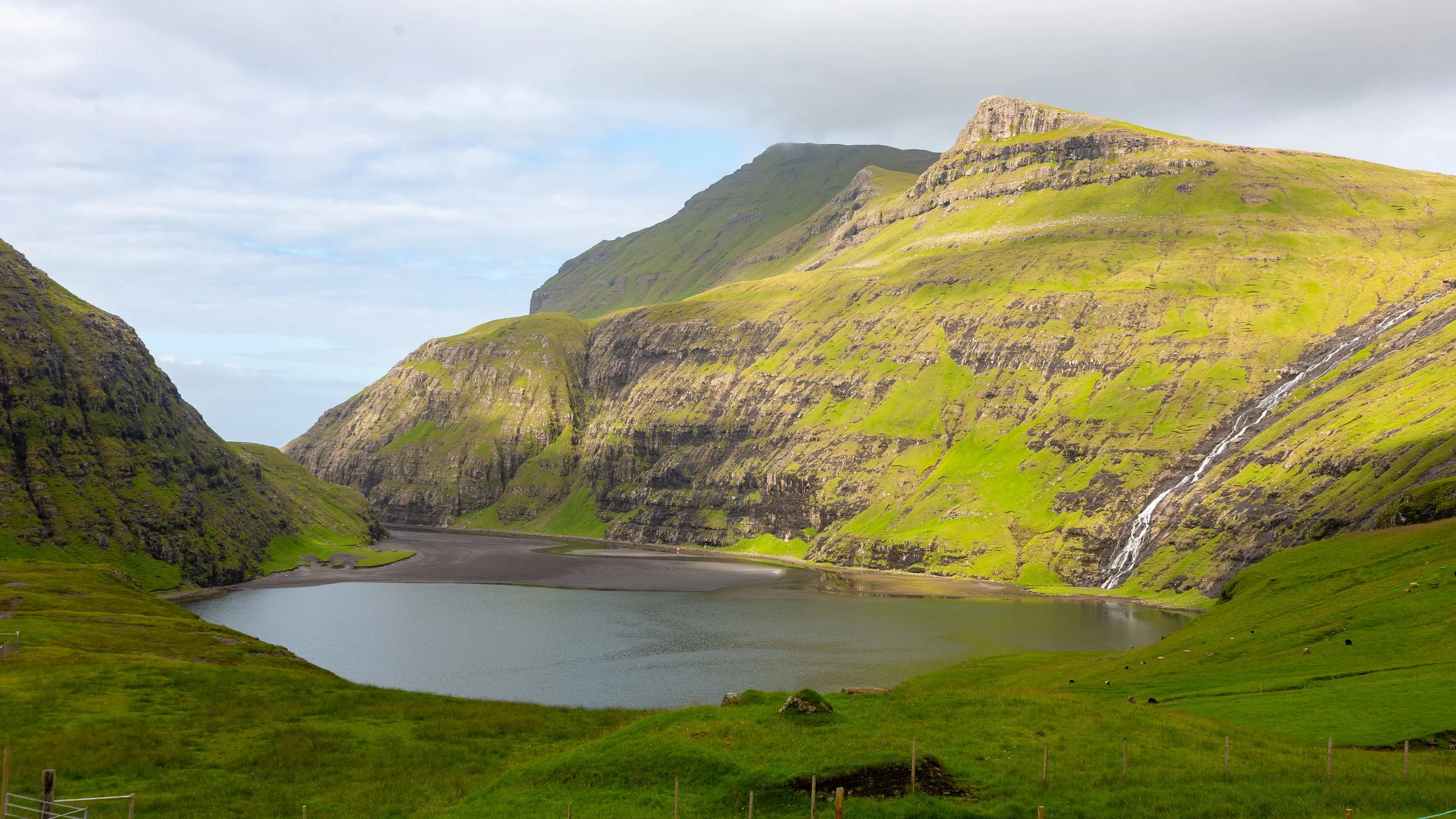
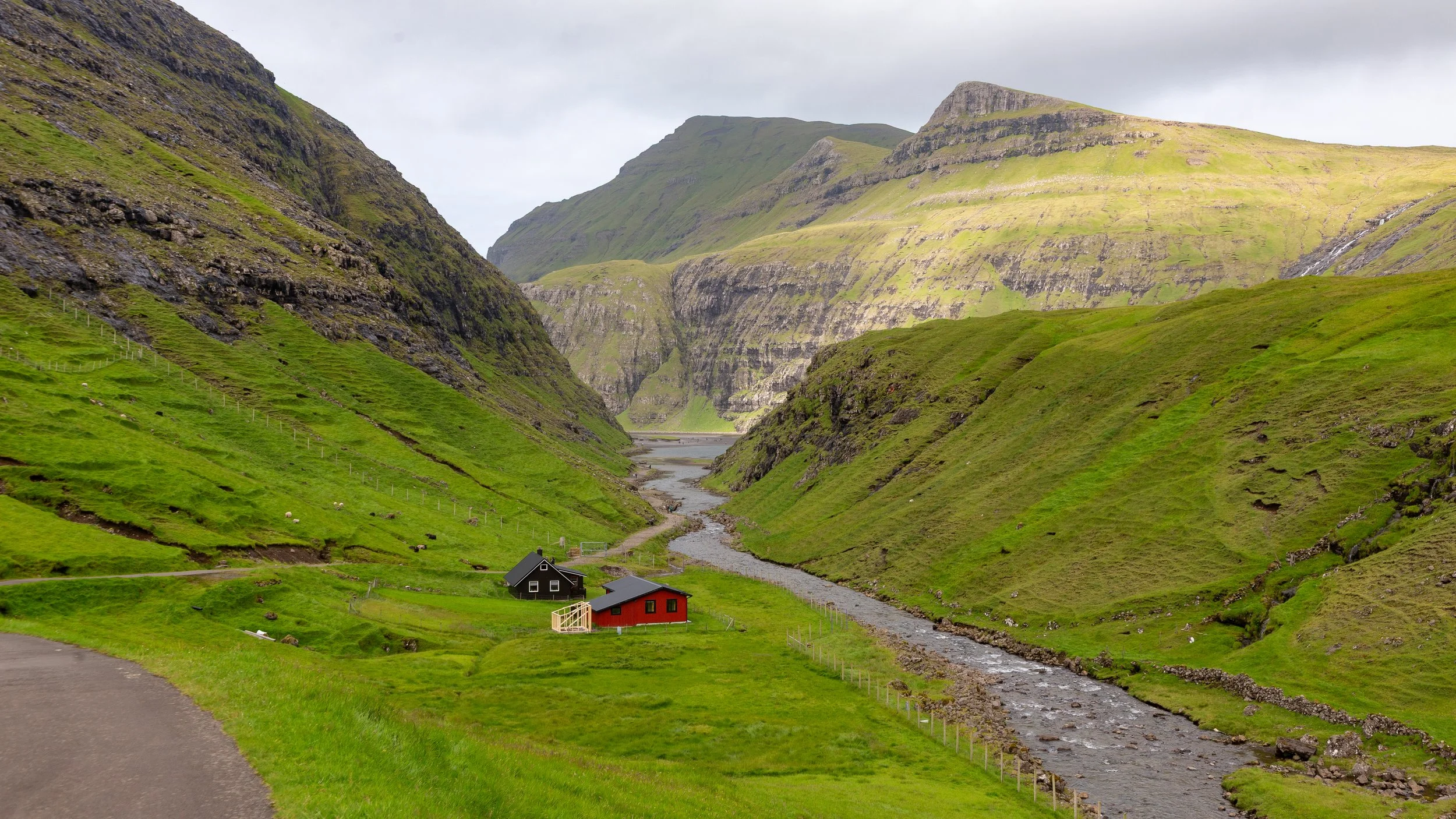
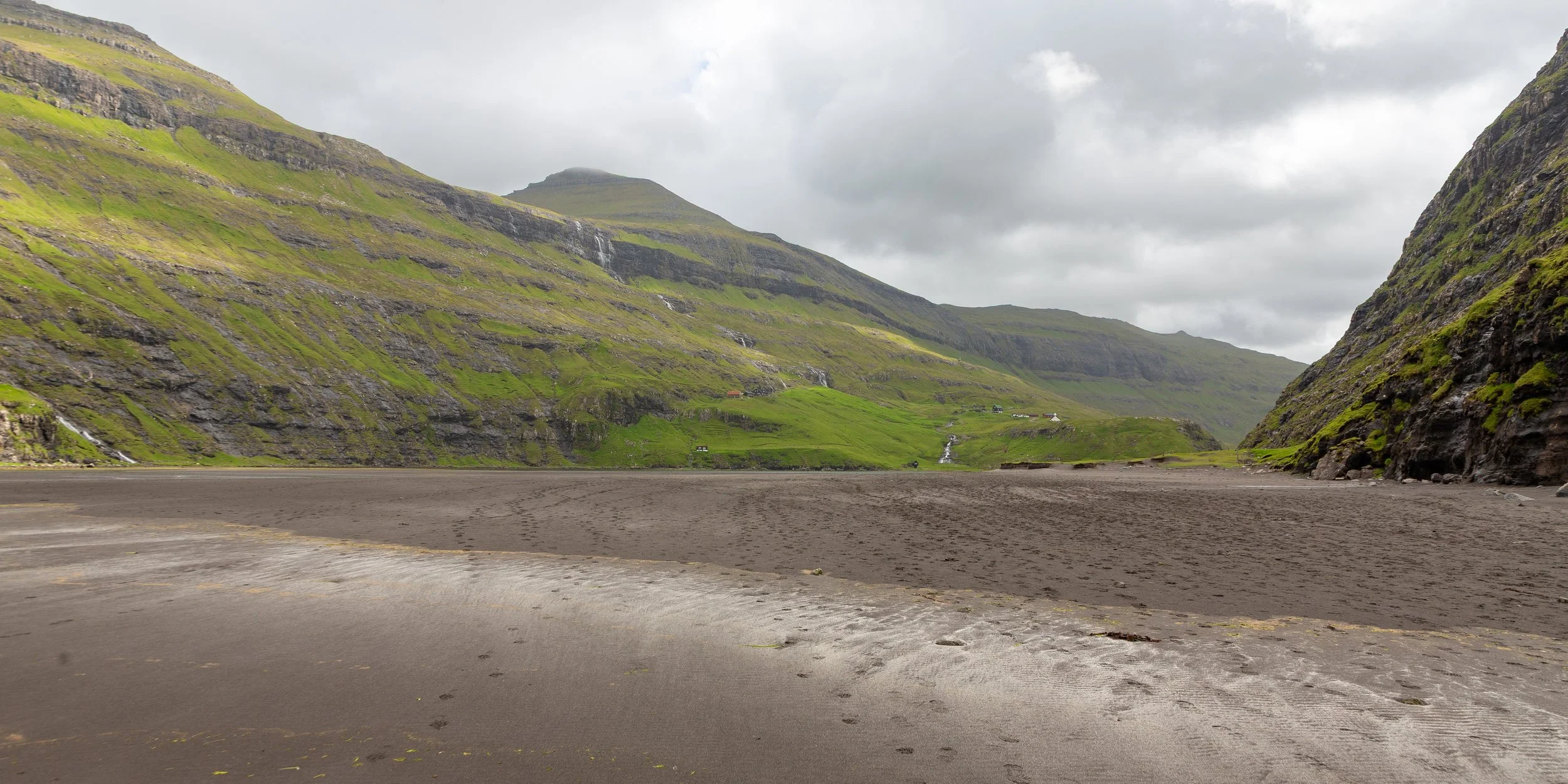
A former sea inlet at Saksun, where a storm previously blocked the inlet with sand, turning the harbour into an inaccessible seawater lagoon named Pollurin
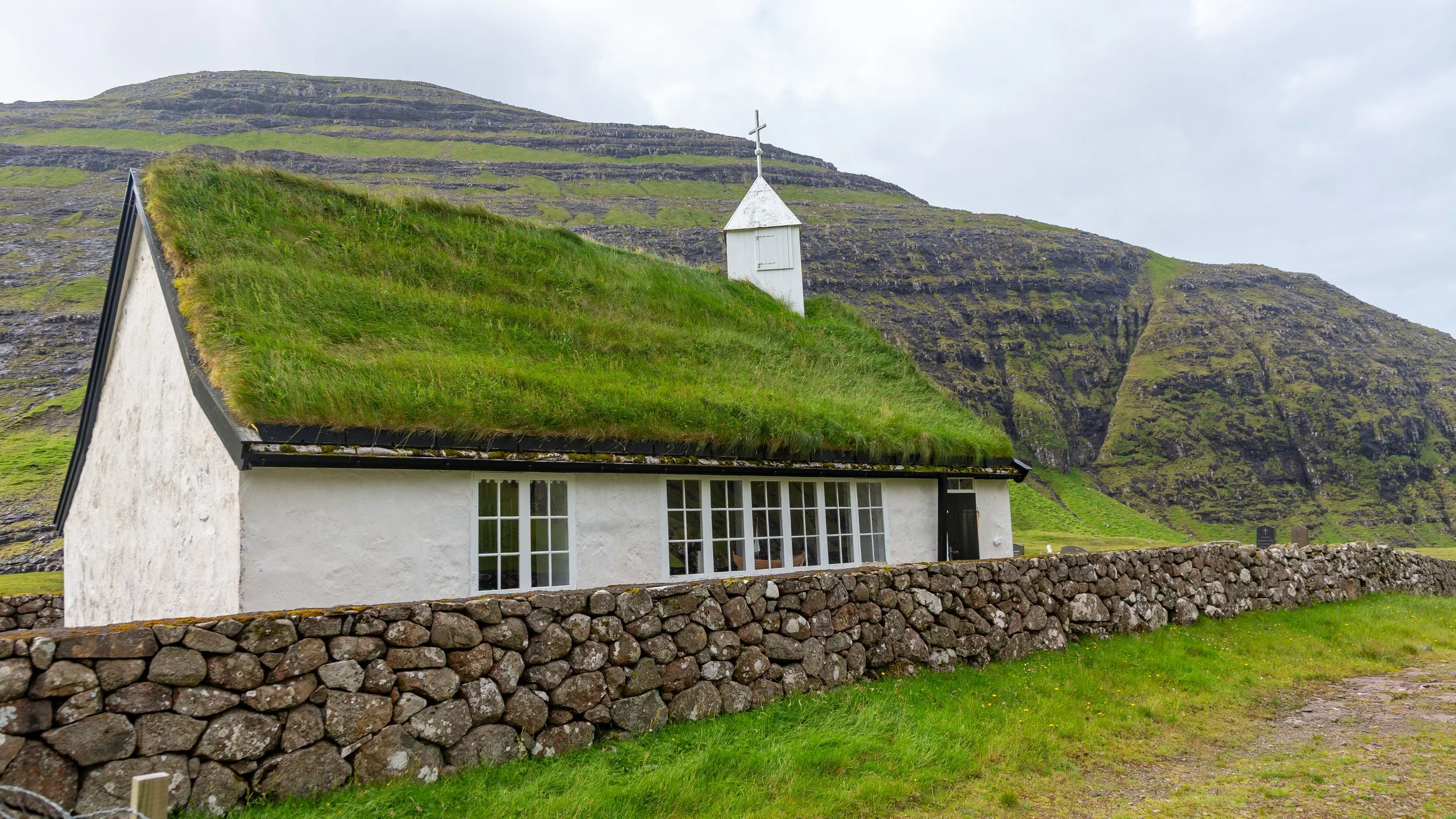
Saksun Church and picturesque burial ground
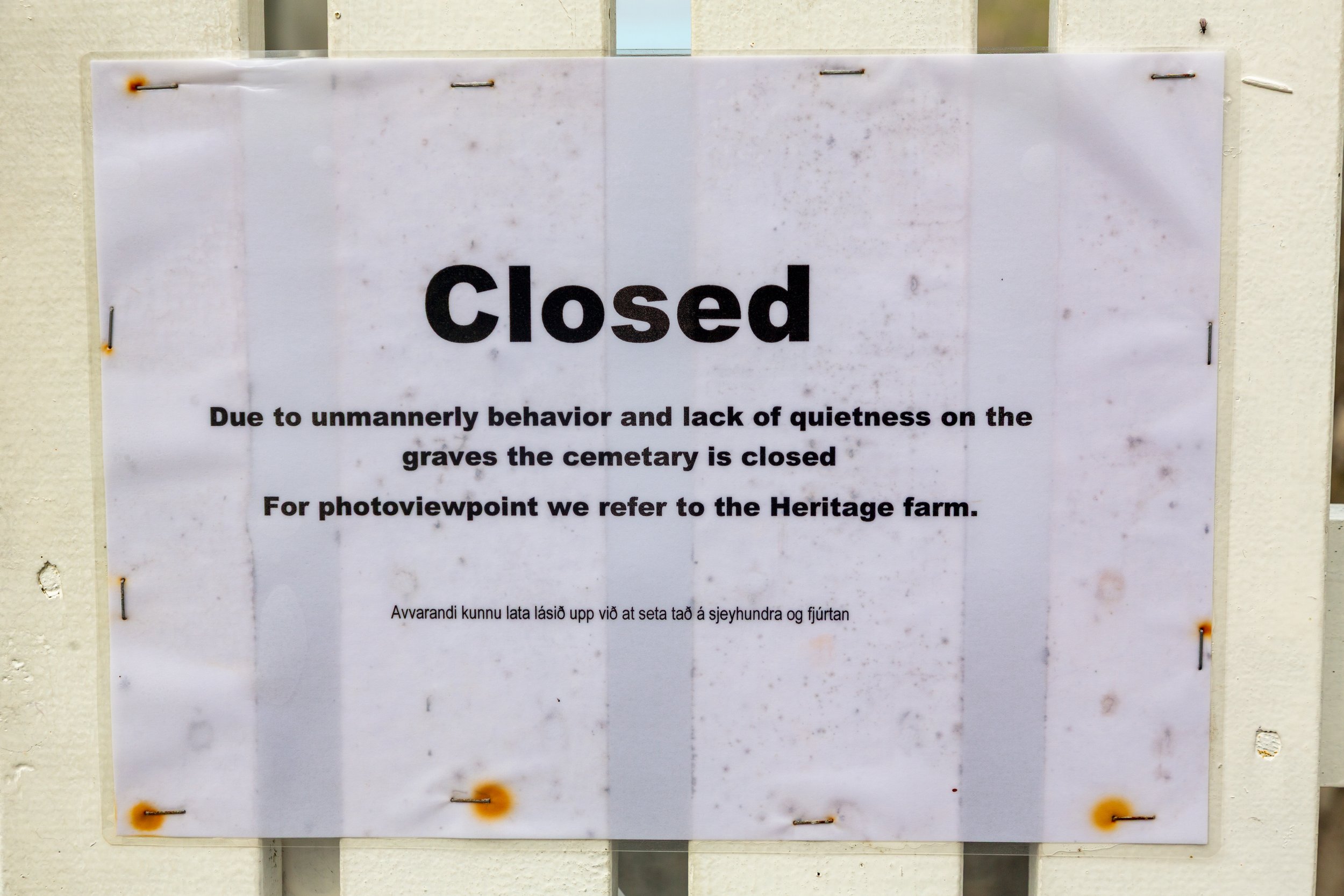
Burial ground no longer open to tourists
Another local horse closer to the church
Walking along the Svartá river to Pollur lagoon
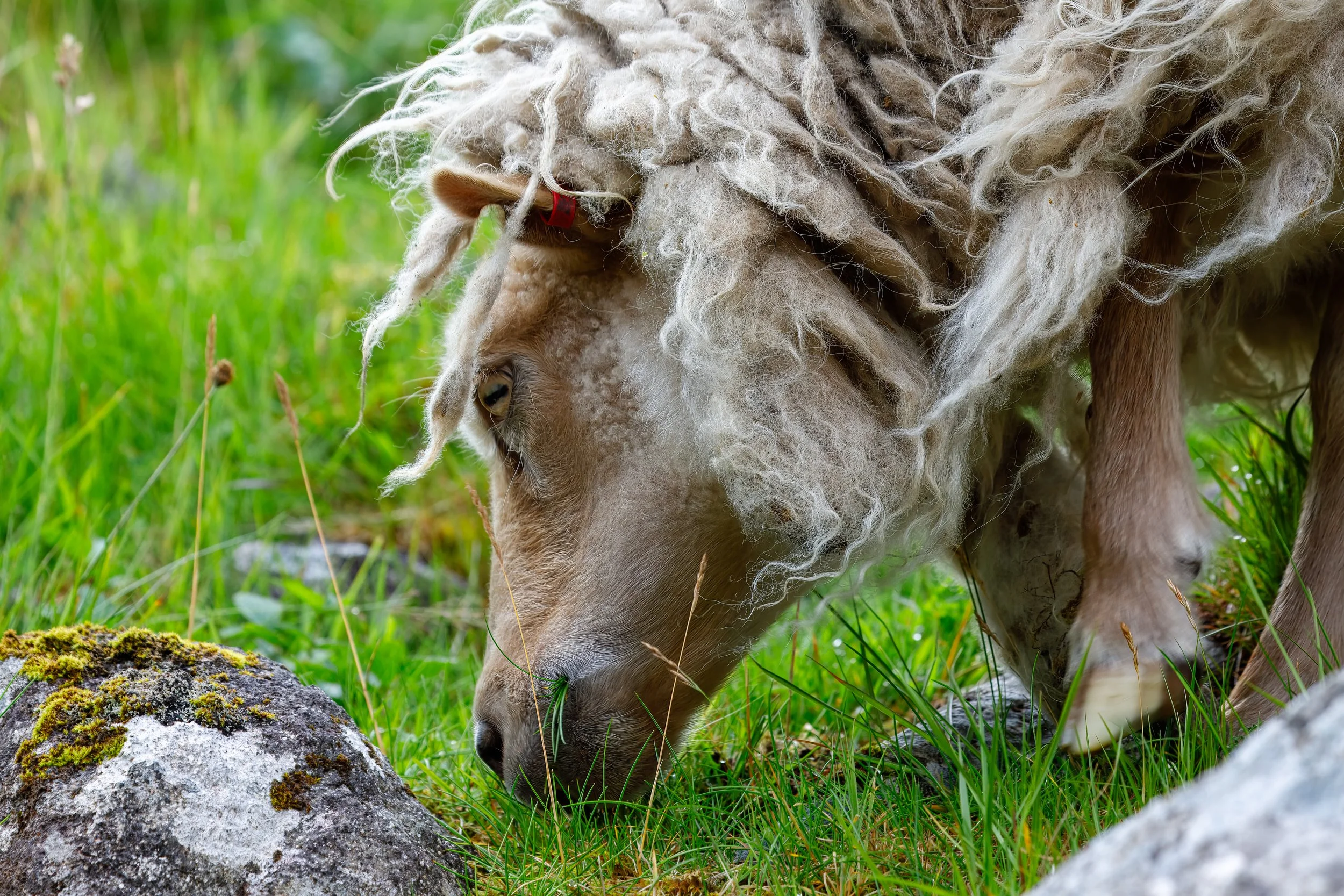
We passed a number of grazing sheep on the way to the lagoon
Traditional turf house on the edge of the lagoon
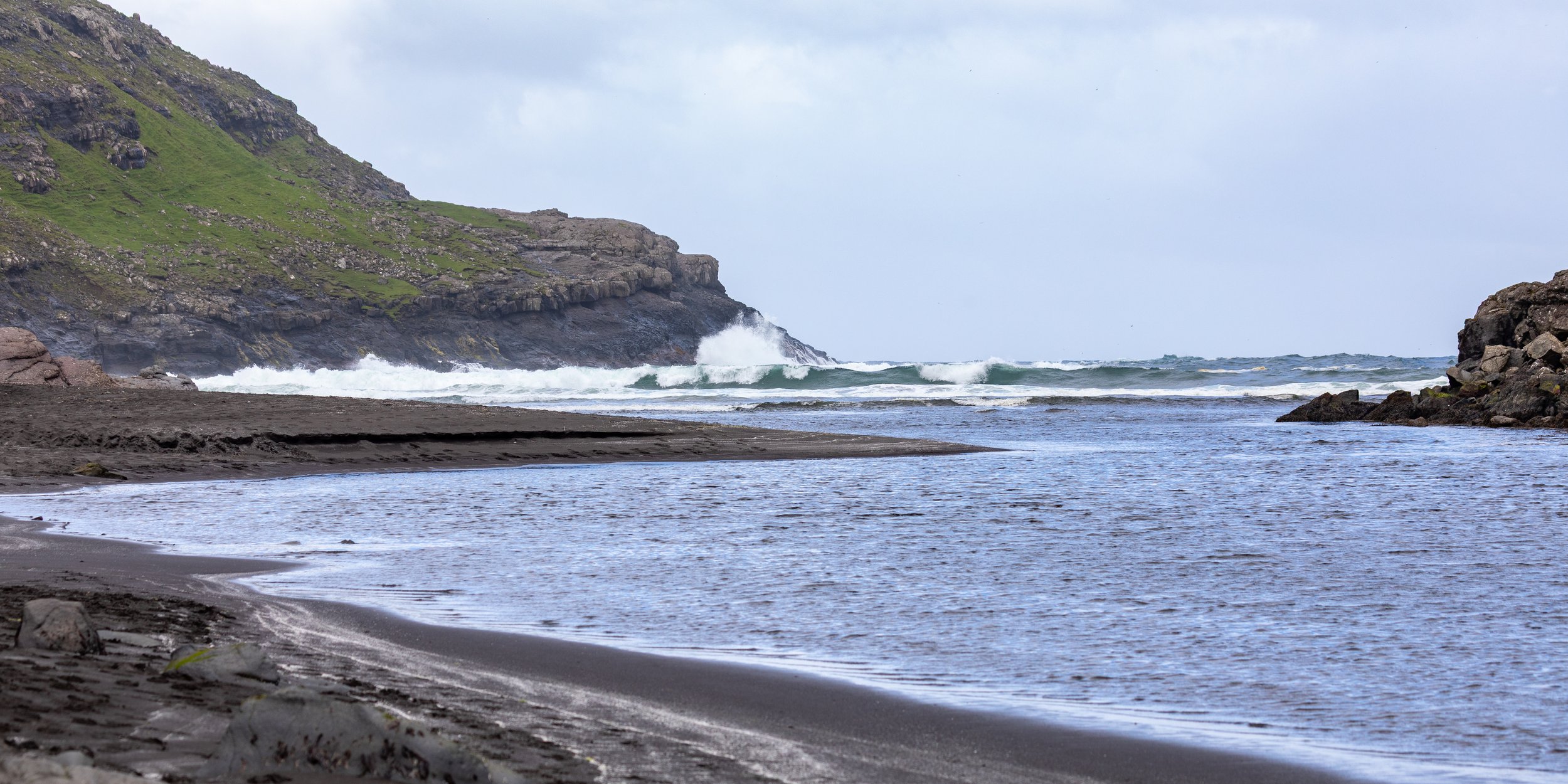
After walking past the lagoon, we can see the west coast leading to the North Atlantic, towards Iceland
Walking on the sand that separates the lagoon from the Atlantic coast
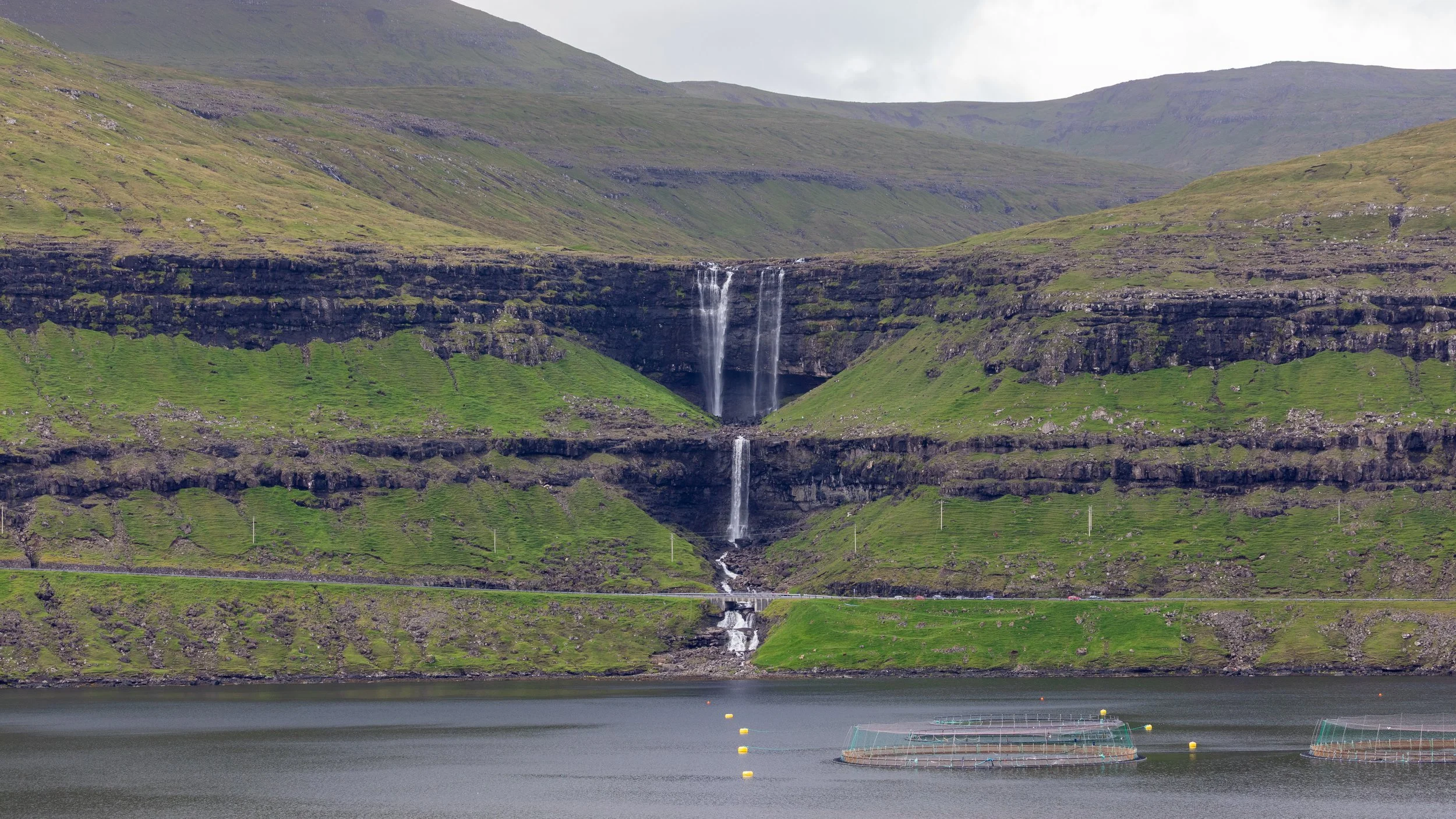
Moving on to the northwest coast of Eysturoy, we look across the strait to 140m Fossá waterfall, the tallest in the Faroe Islands on the island of Streymoy.
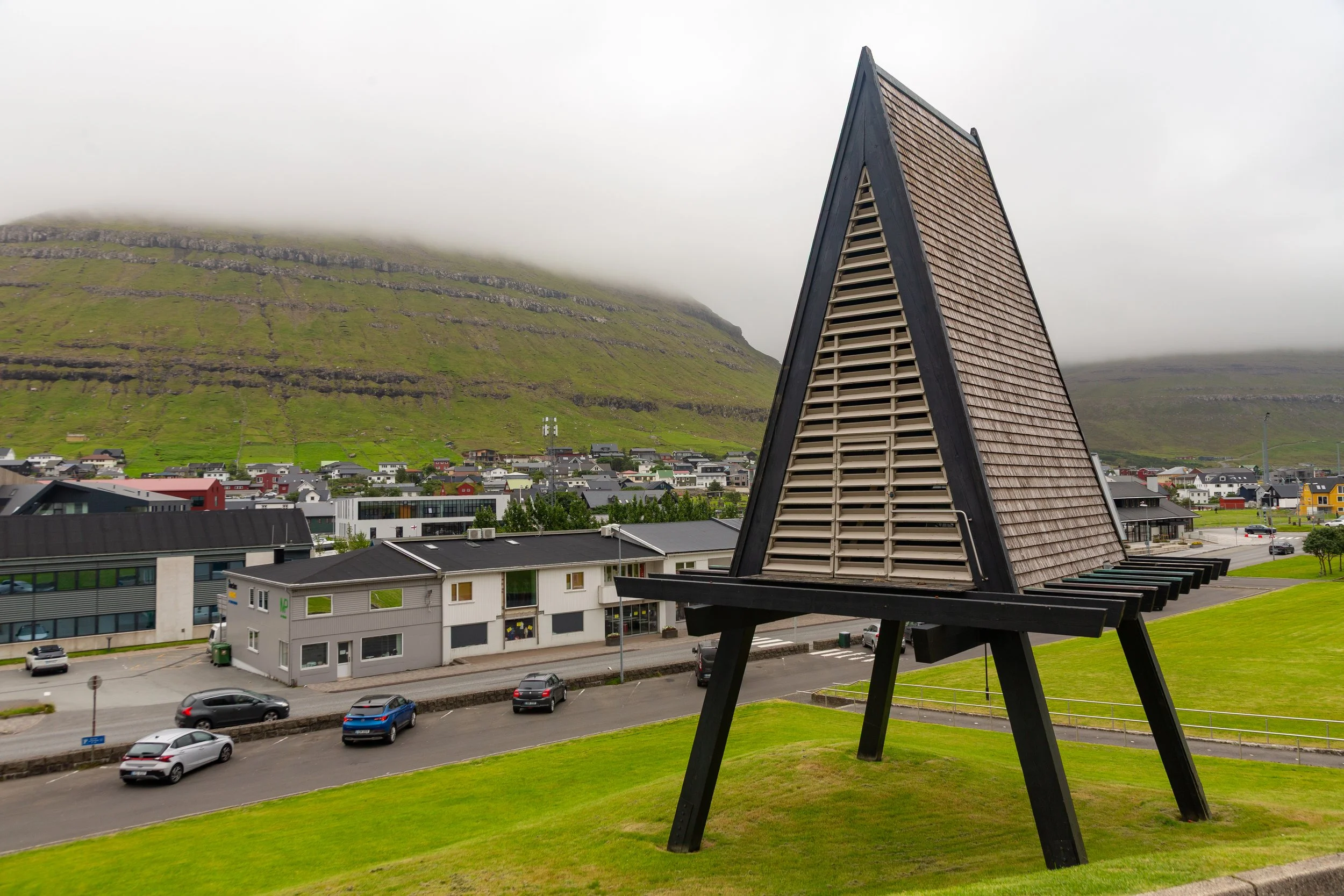
Eiði village, located on the north-west tip of Eysturoy
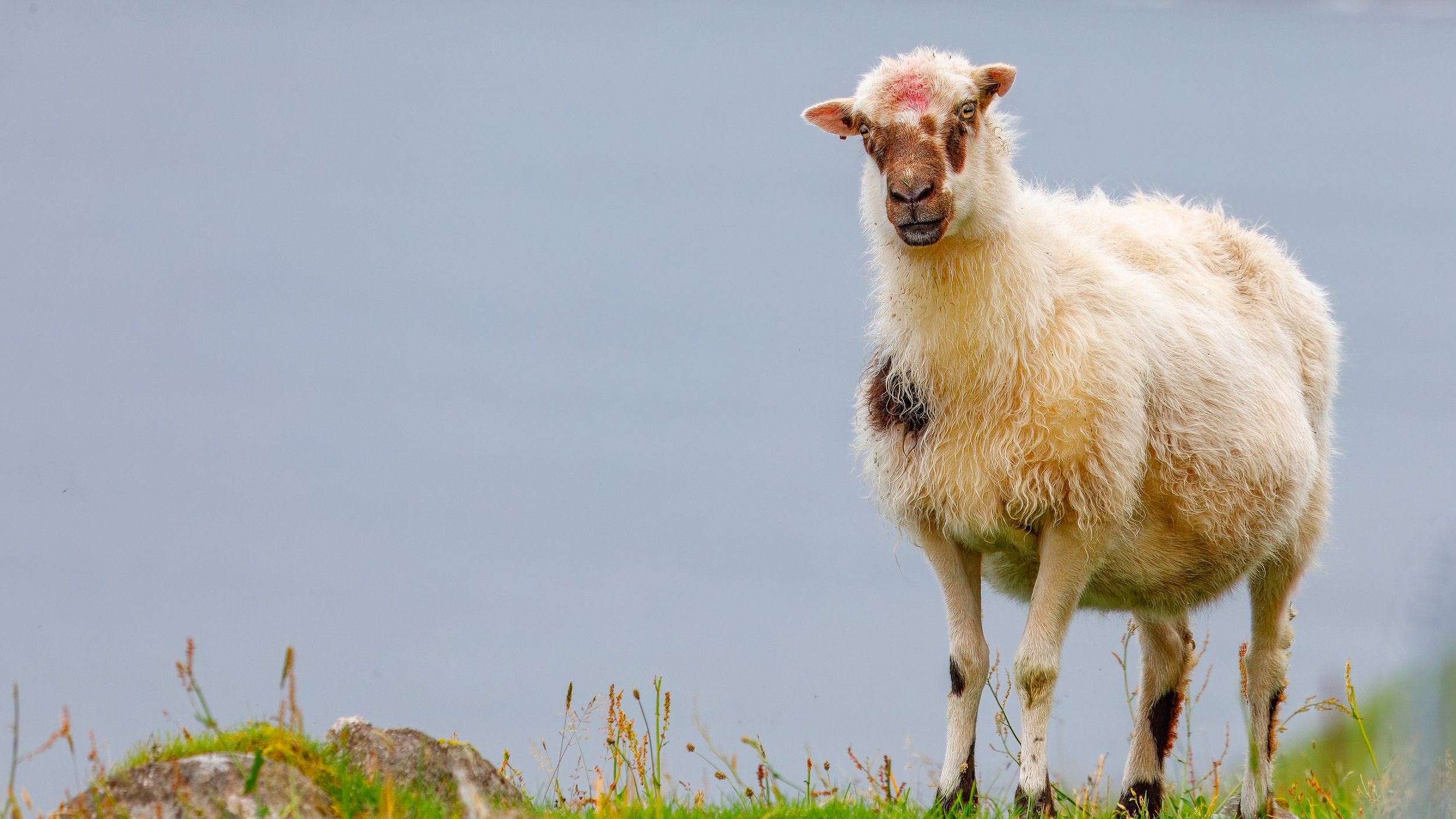
Black sheep posing for the camera
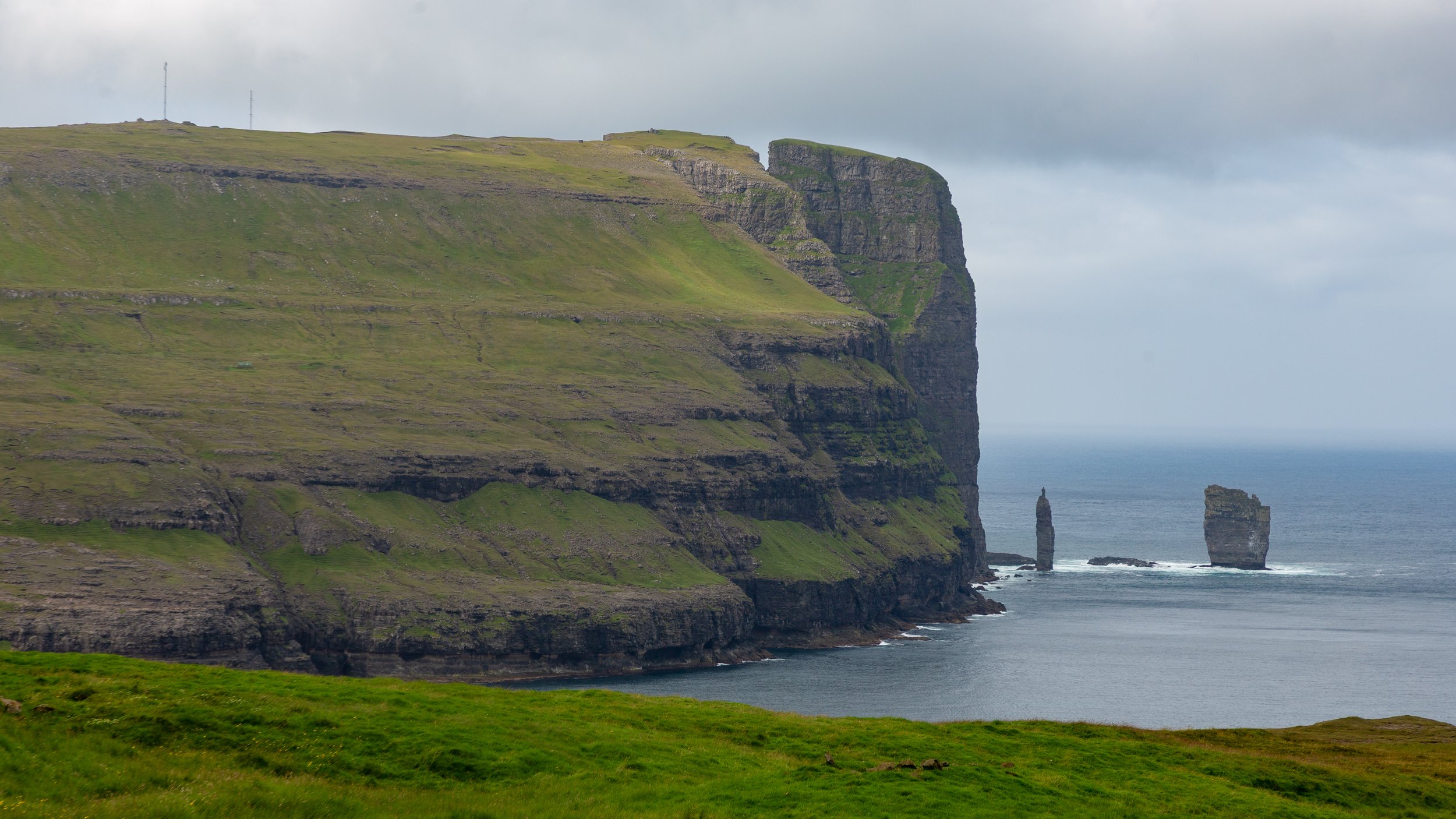
Looking back at Risin og Kellingin (The Giant and the Witch) sea stacks off the coast of Eysturoy
Panoramic view of the Funningsvegur scenic coastal road
A more traditional view of the Funningsvegur road leading the town of Funningur
Gjógv Kirkja Lutheran church
Gjógv village located on the northeast tip of Eysturoy
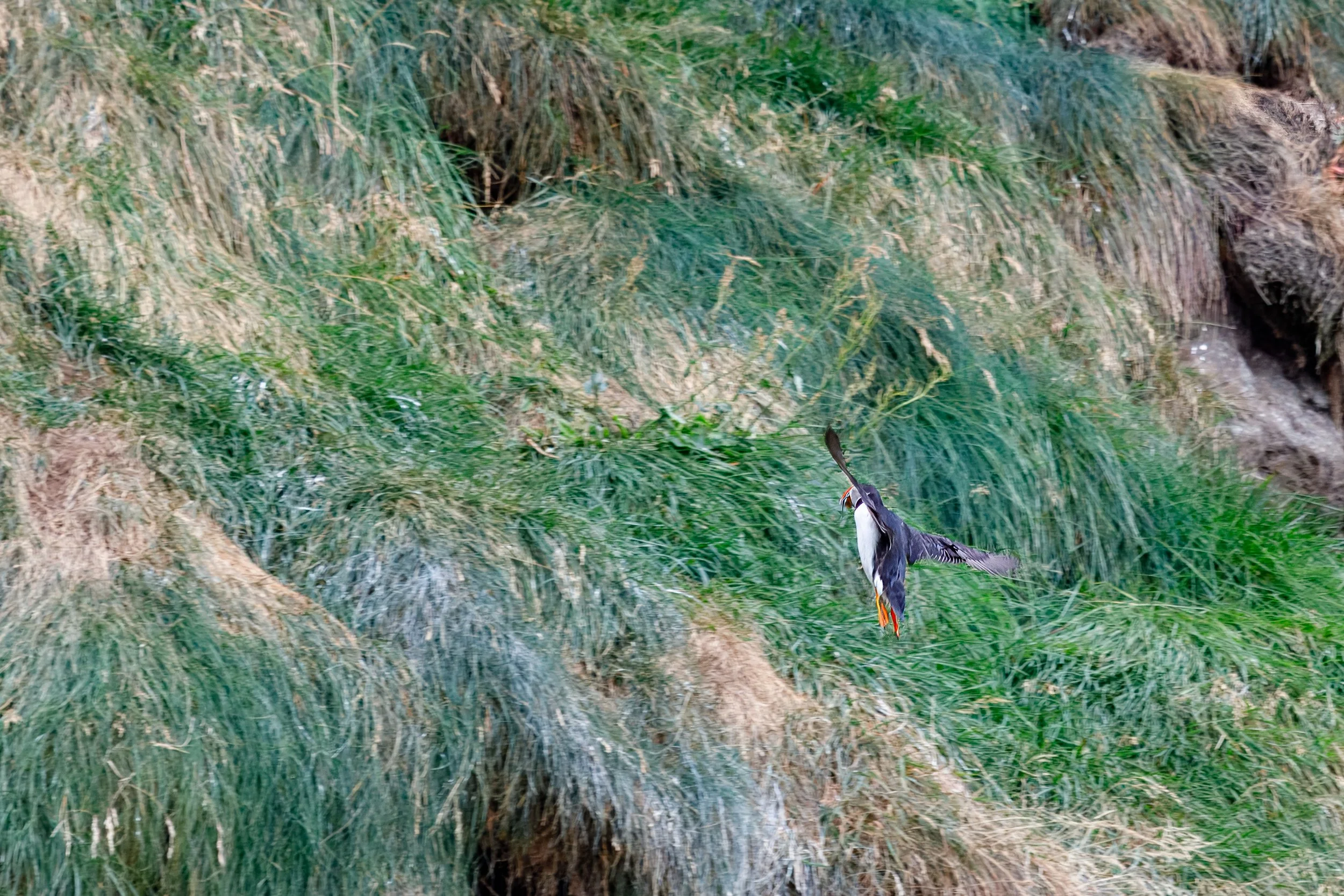
Along the Gjógv natural harbour, we had our best puffin viewing results
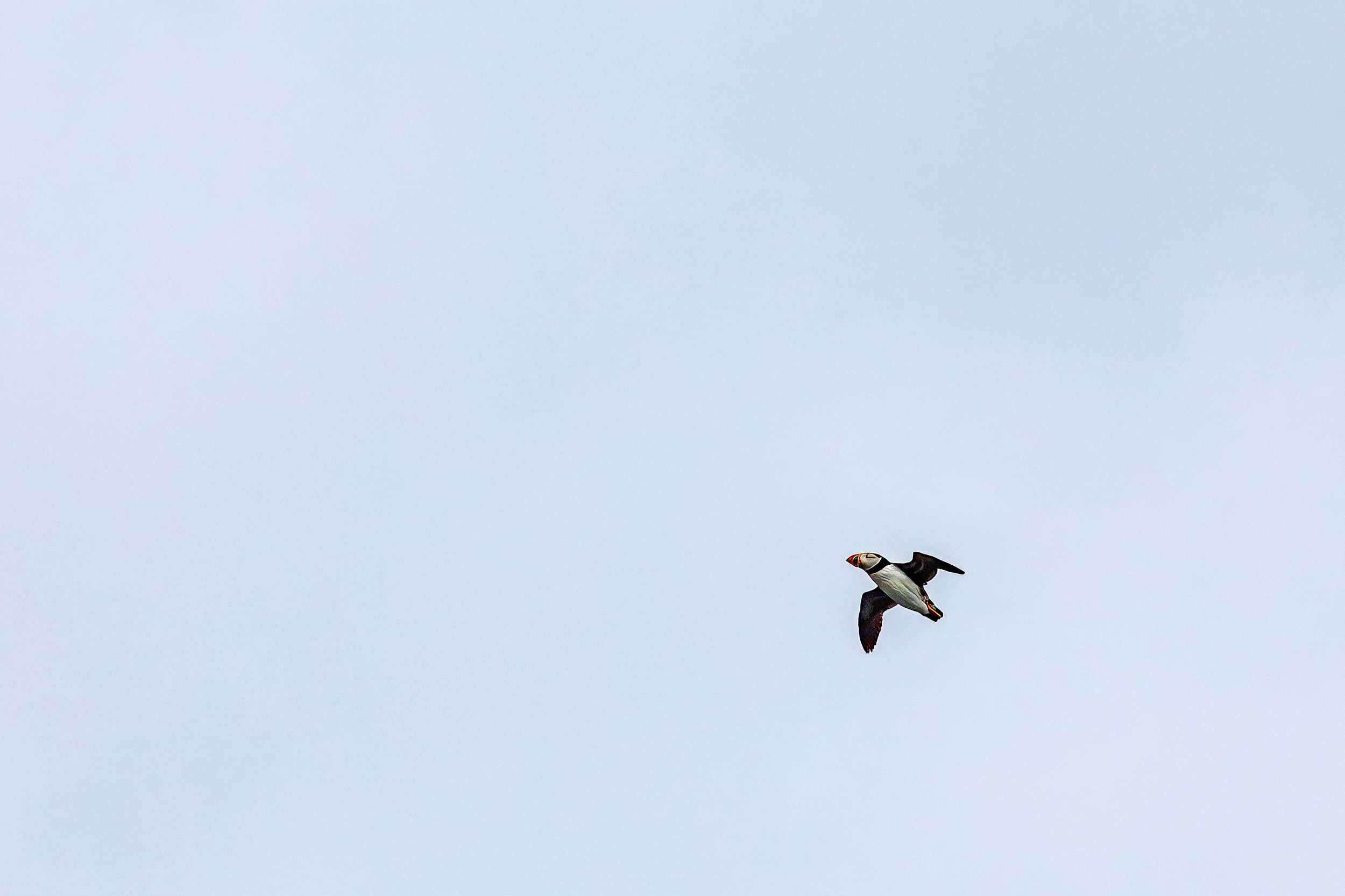
Capturing a puffin in flight
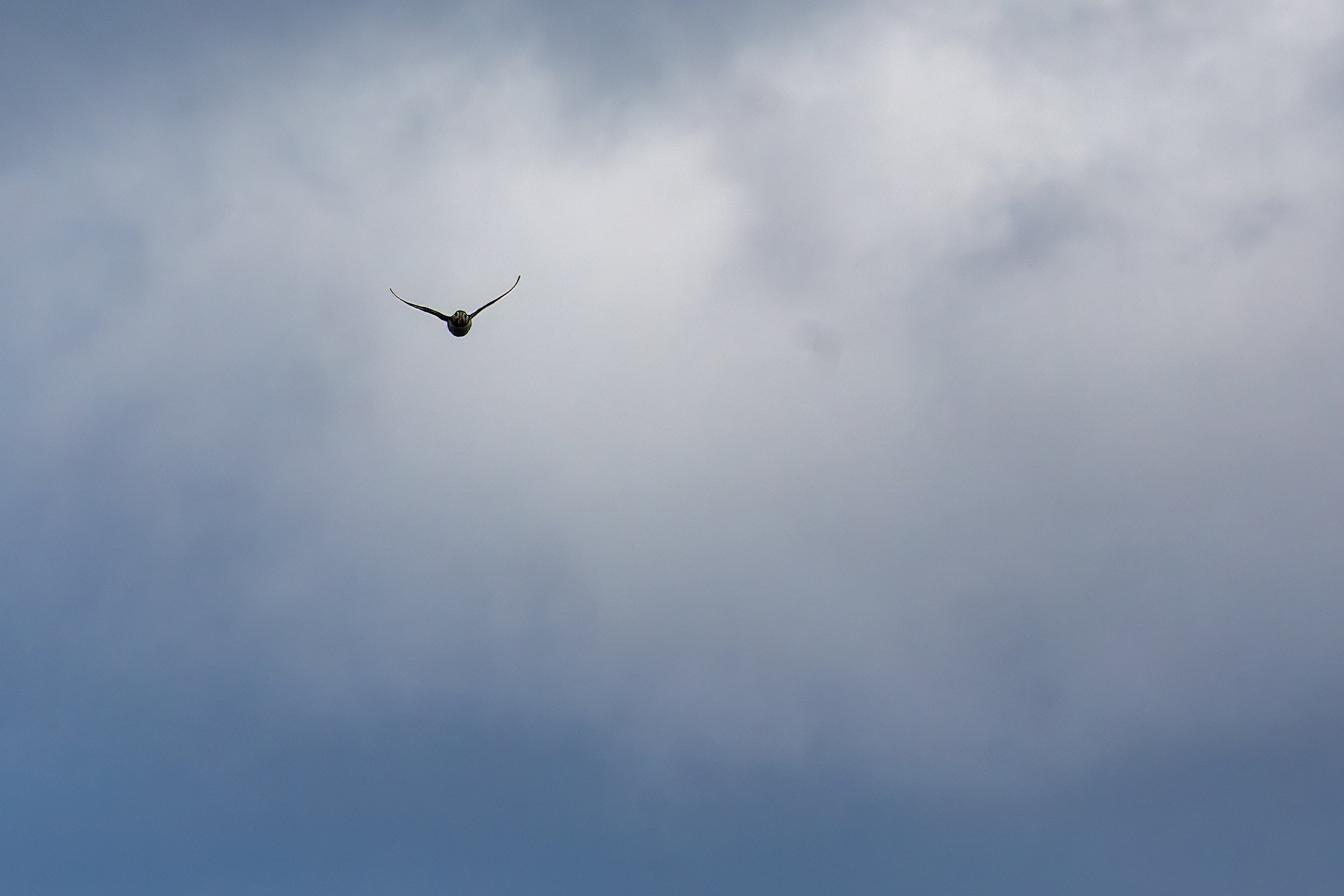
Another great puffin photo
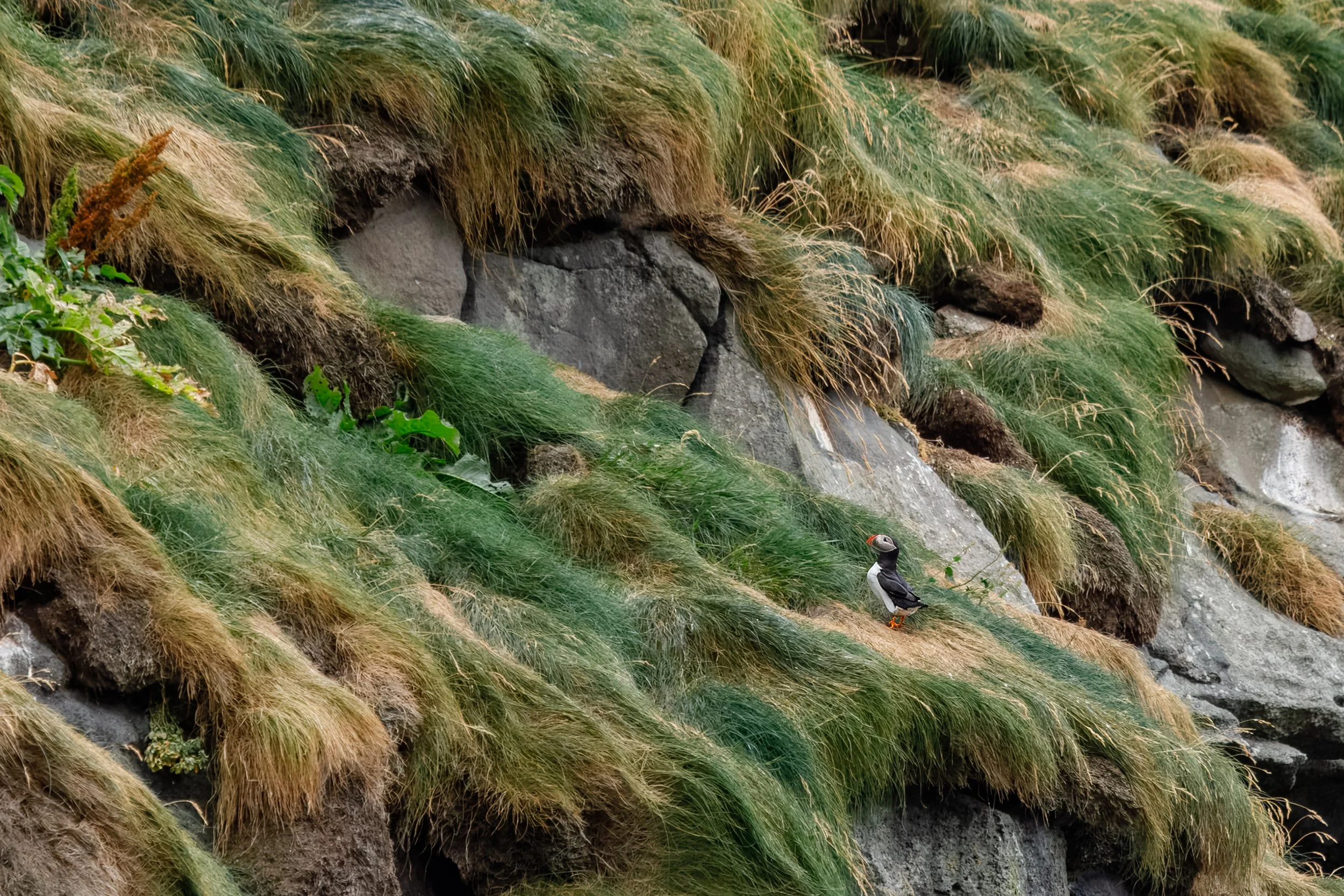
Resting outside of the hillside nests
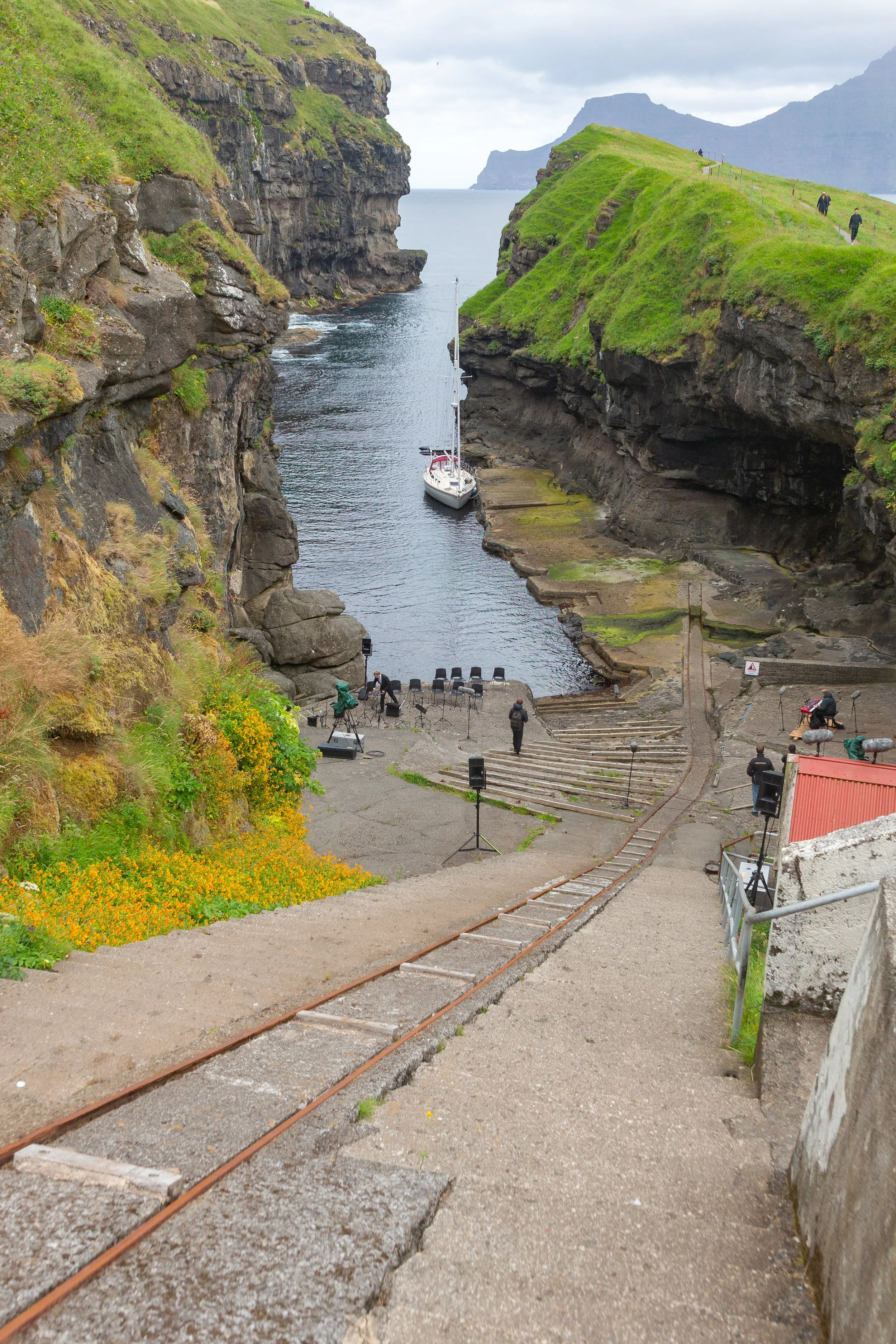
Gjógv natural harbour, where the town is starting to get set up for an outdoor concert that eventually filled the town with visitors
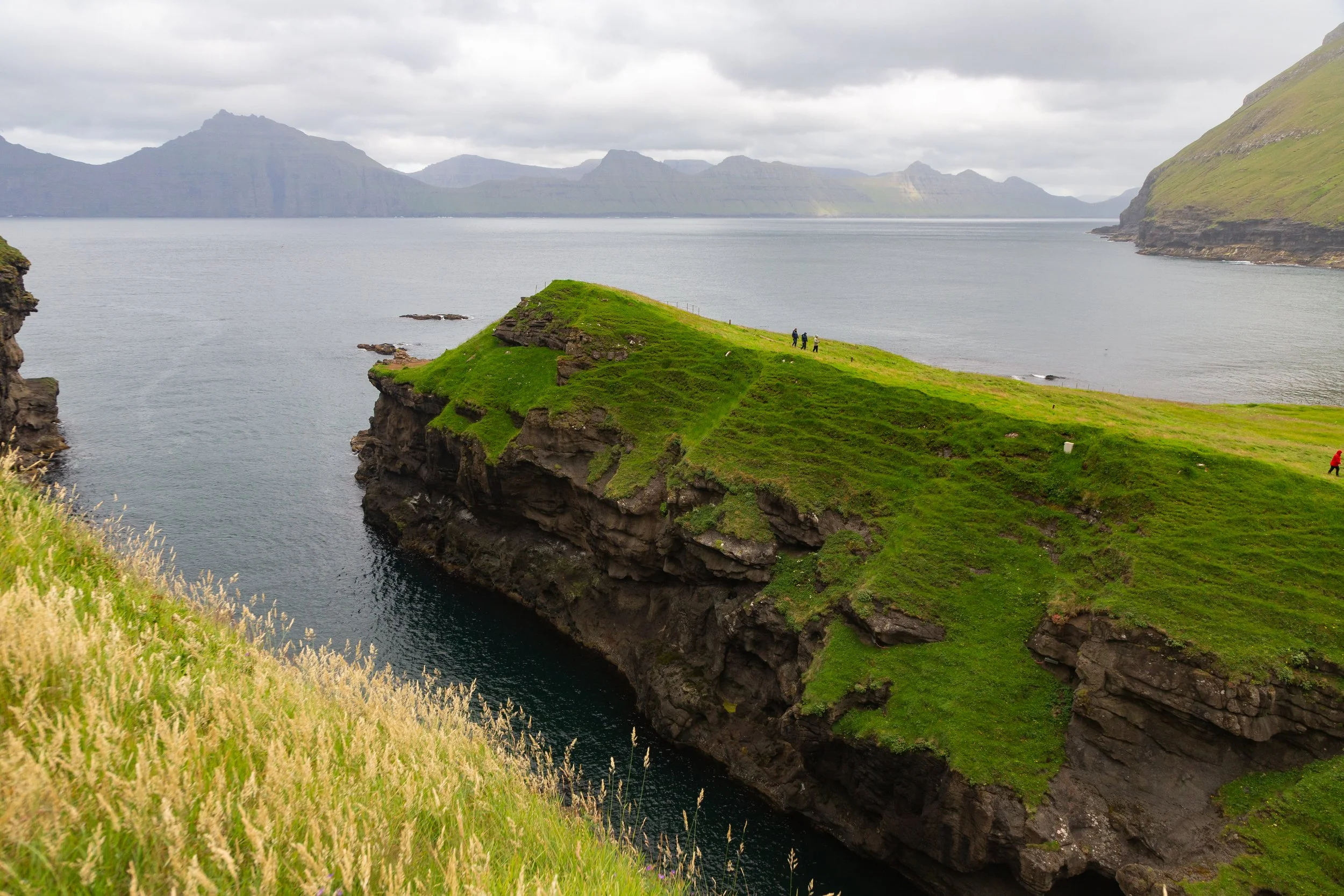
Looking west from our hike above the harbor
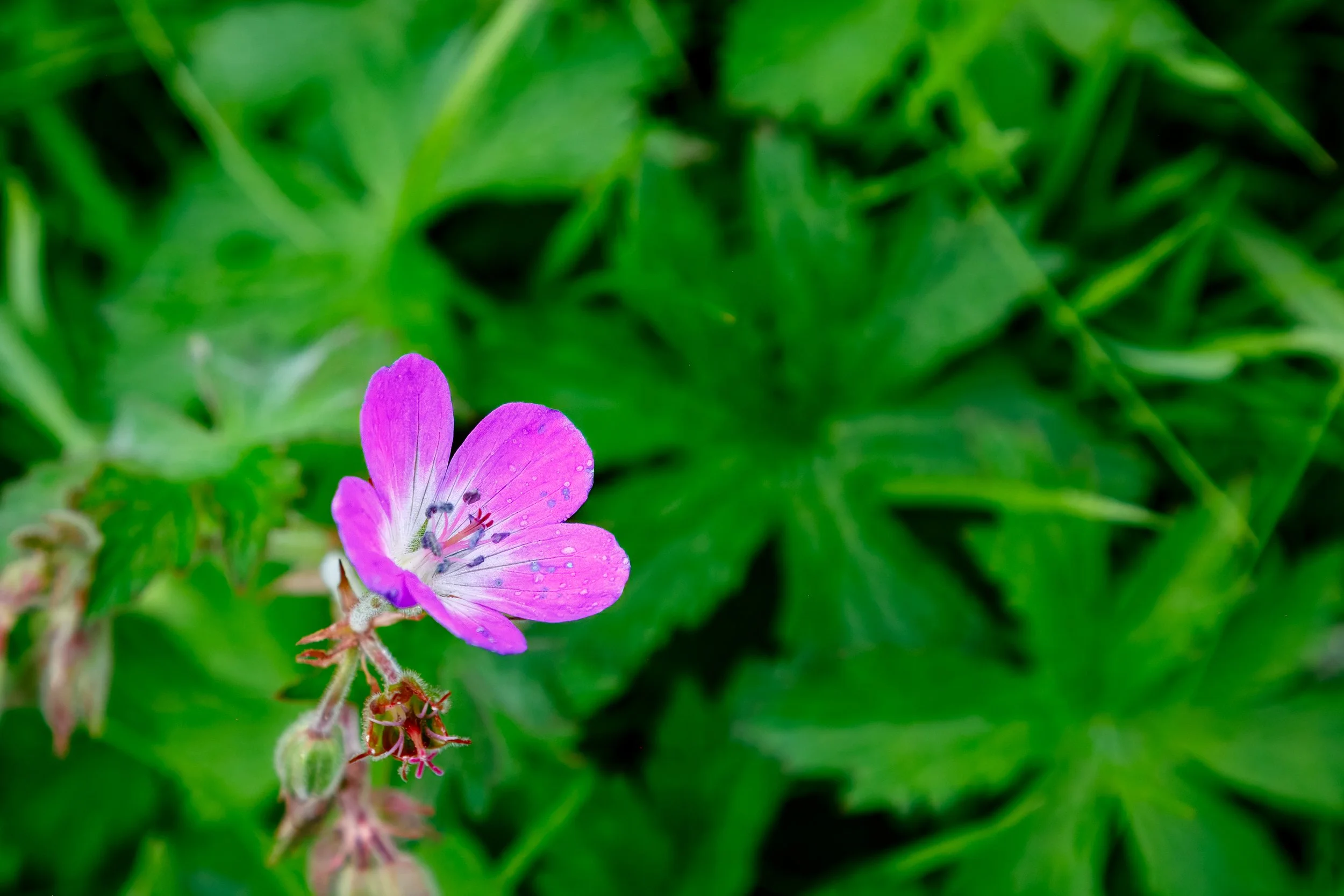
Cranesbill geranium along the trail
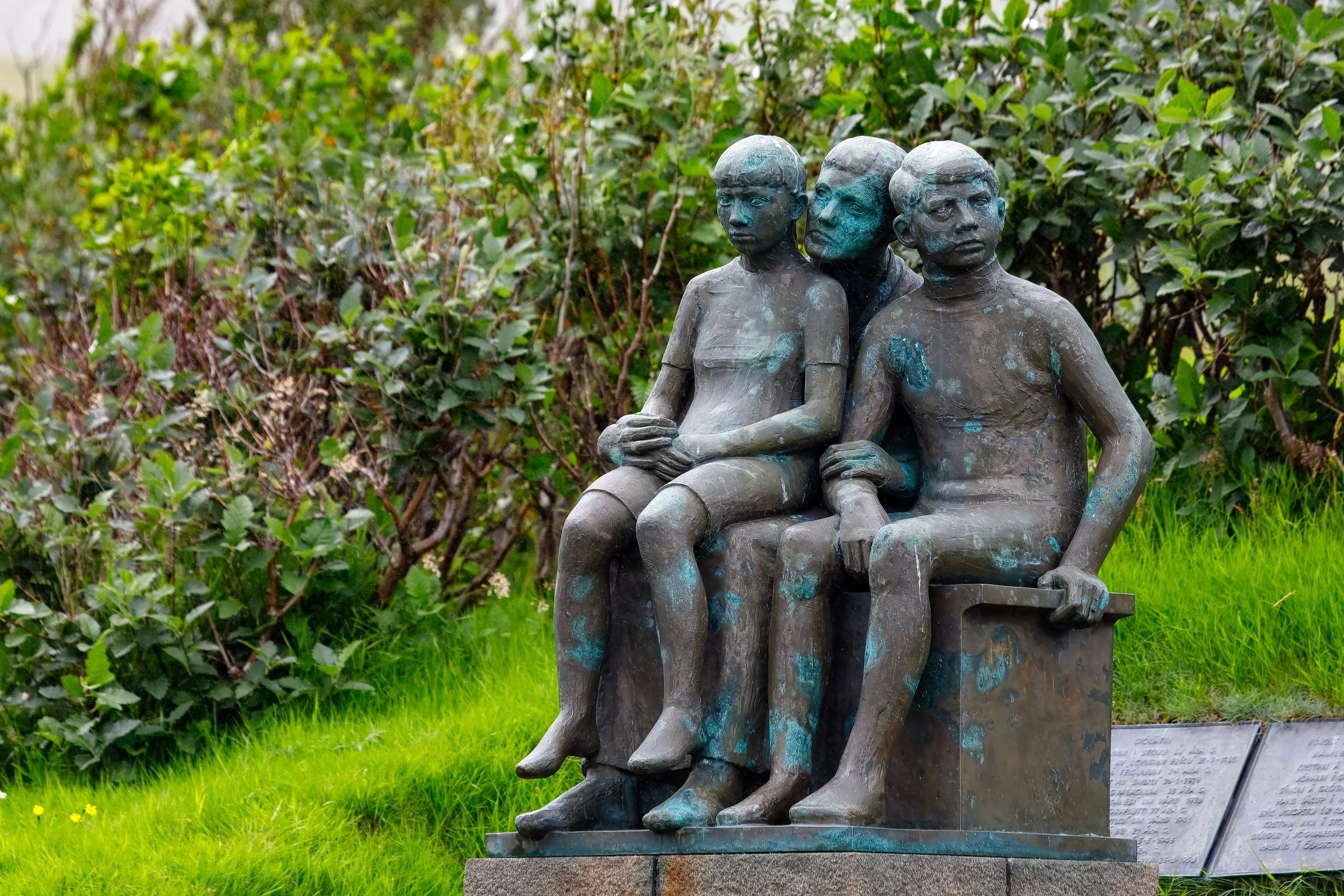
Bronze sculpture in Minnisvarðin í Gjógv memorial park honours local fishermen from the village who were lost at sea
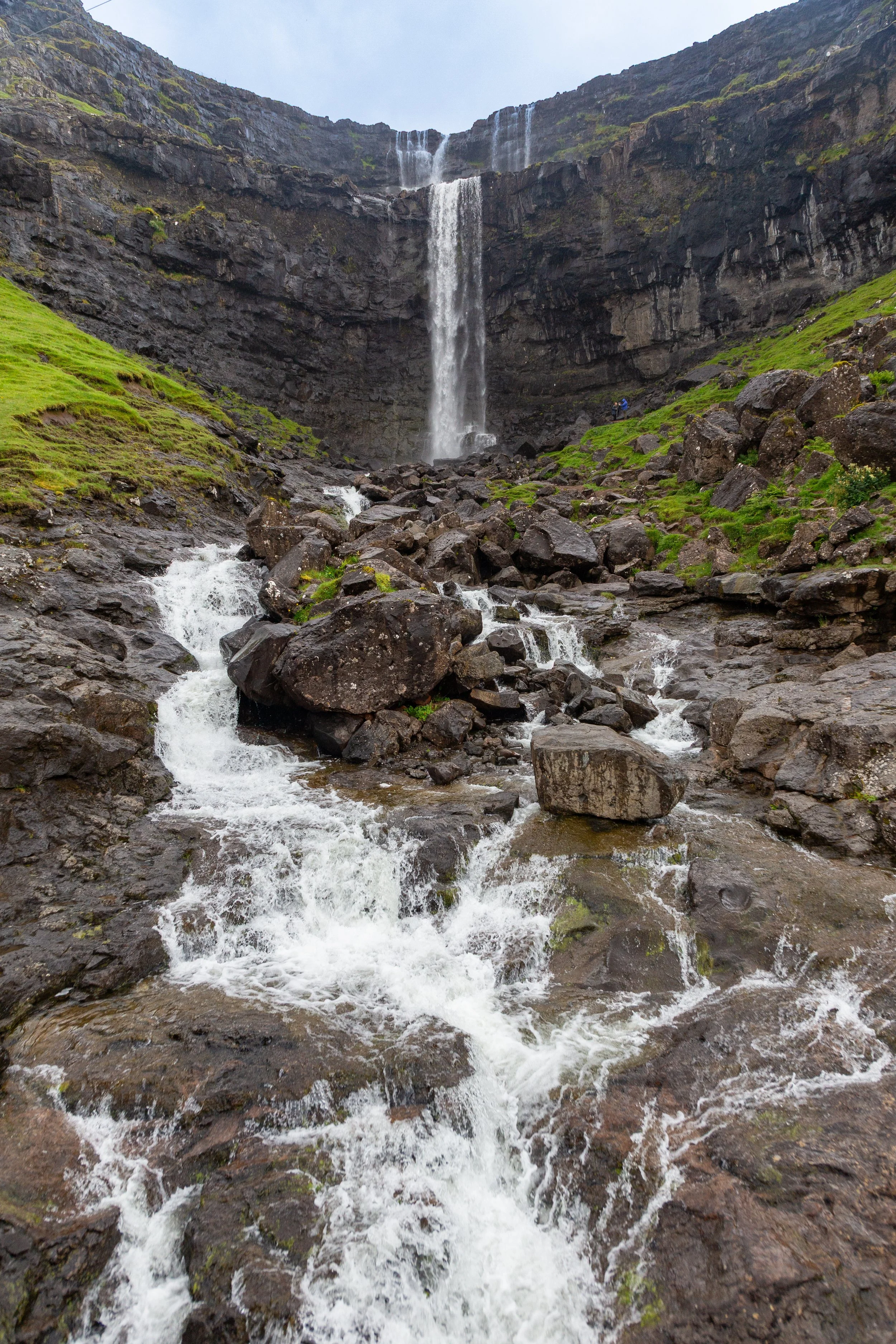
Now back at Streymoy, we are now under 140m Fossá waterfall, the tallest in the Faroe Islands
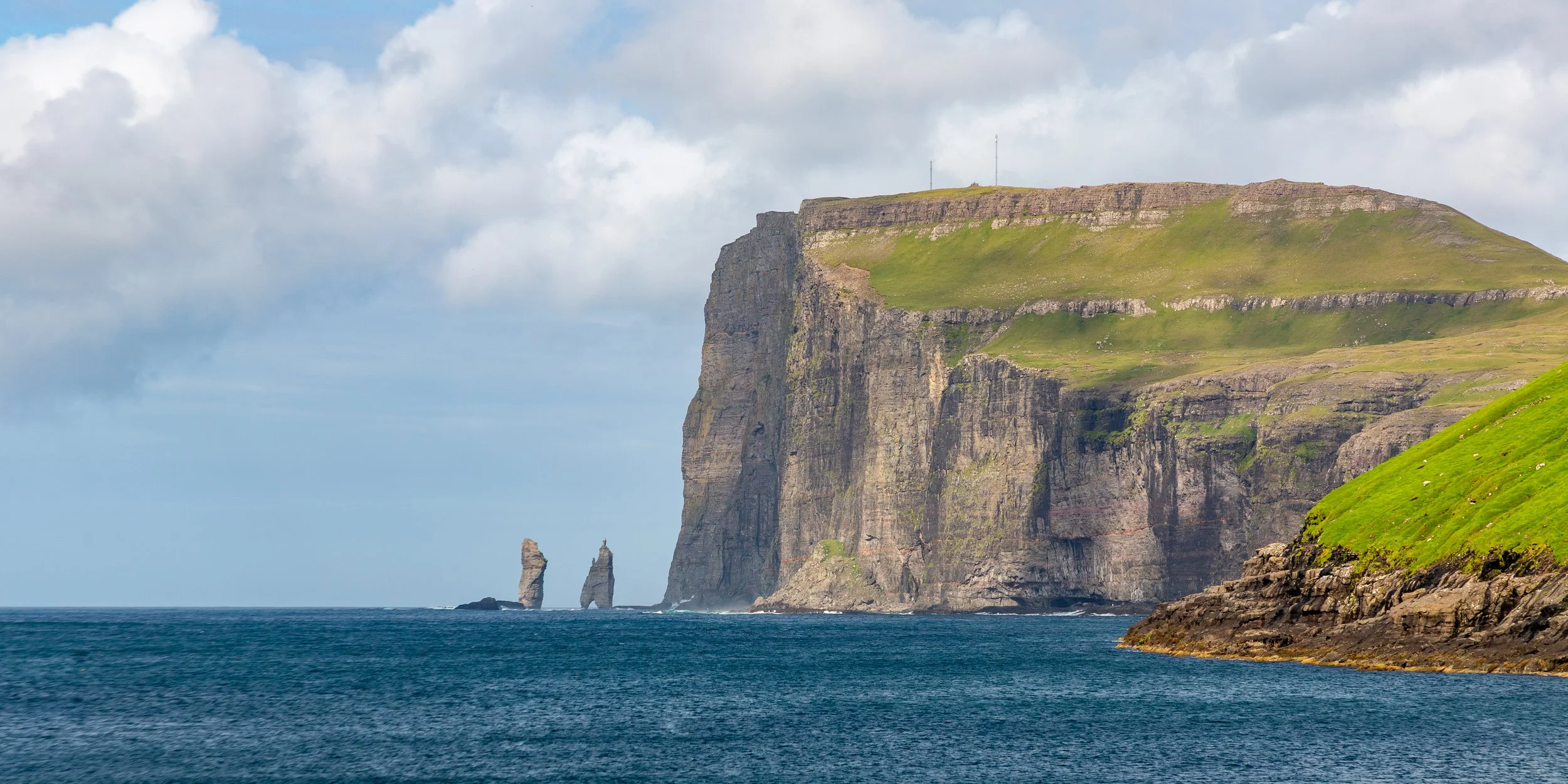
Continuing along the way to Tjørnuvík, we get the opposite perspective of the cliff coast and Risin og Kellingin (The Giant and the Witch) sea stacks
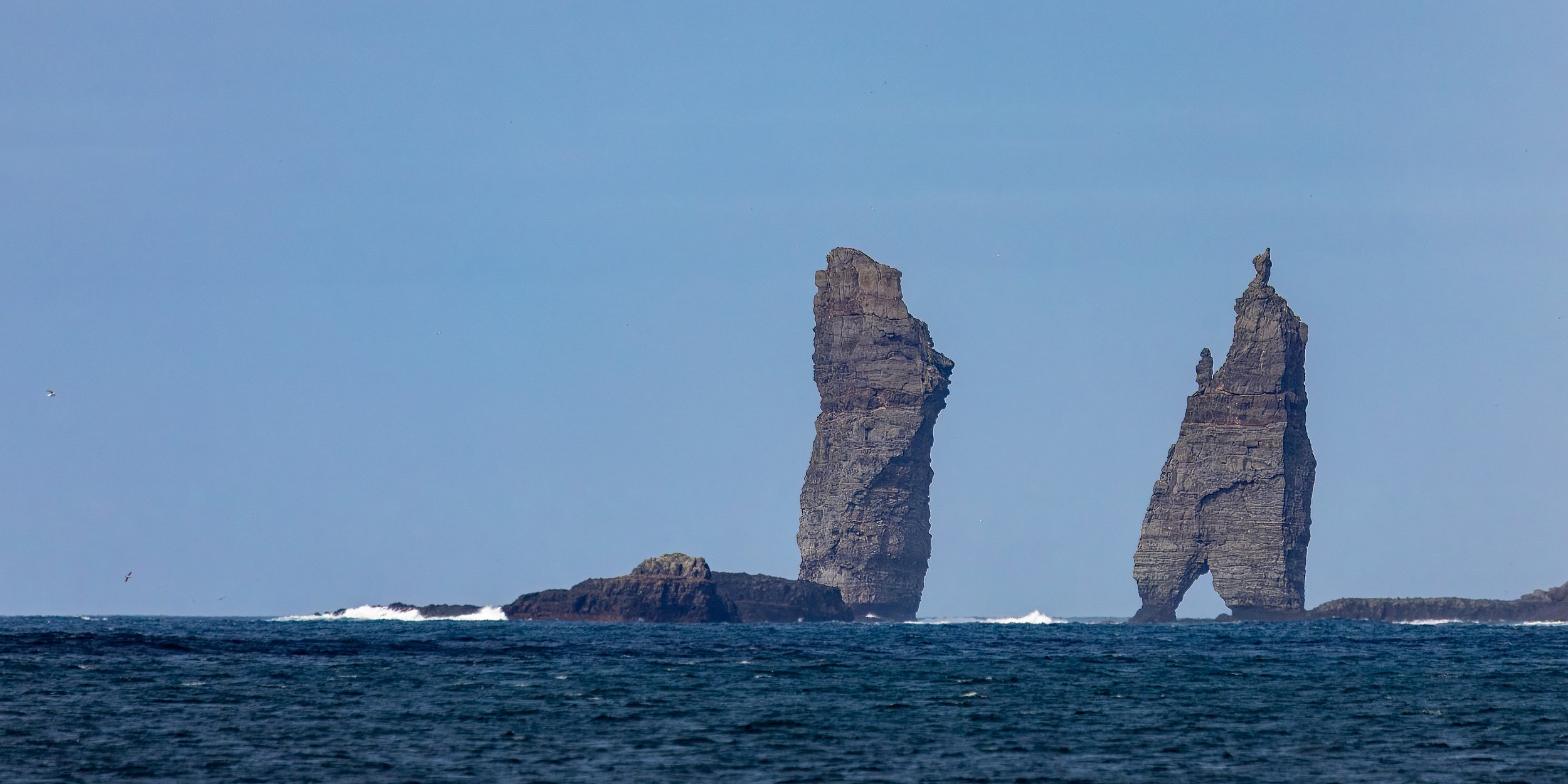
Zooming in to Risin og Kellingin (The Giant and the Witch) sea stacks
One last sheep for the day
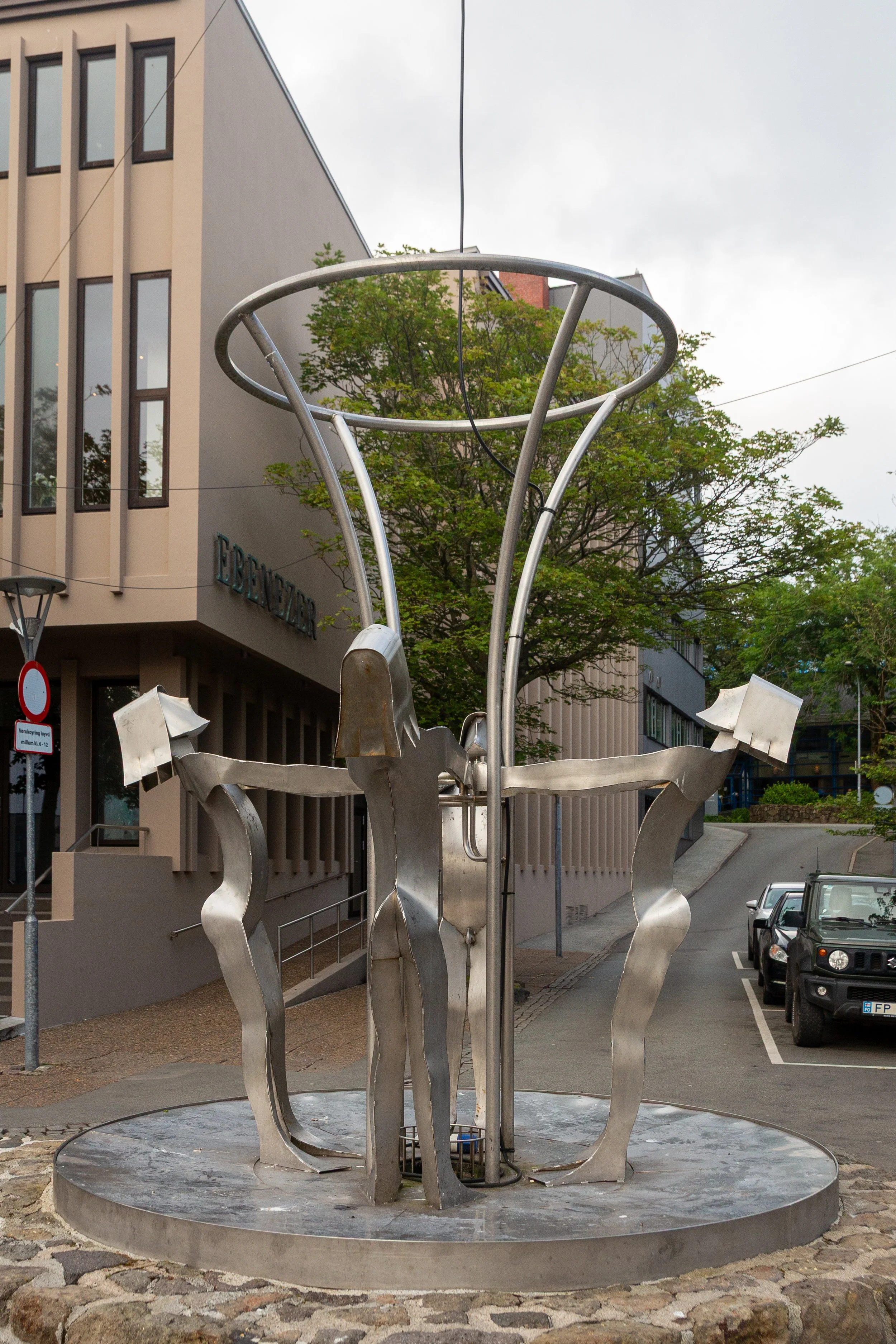
Back in Tórshavn, the "Fountain of Dancing Children" by Faroese scluptor Fritjof Joensen
Kirkjubøur, the southernmost village on Streymoy
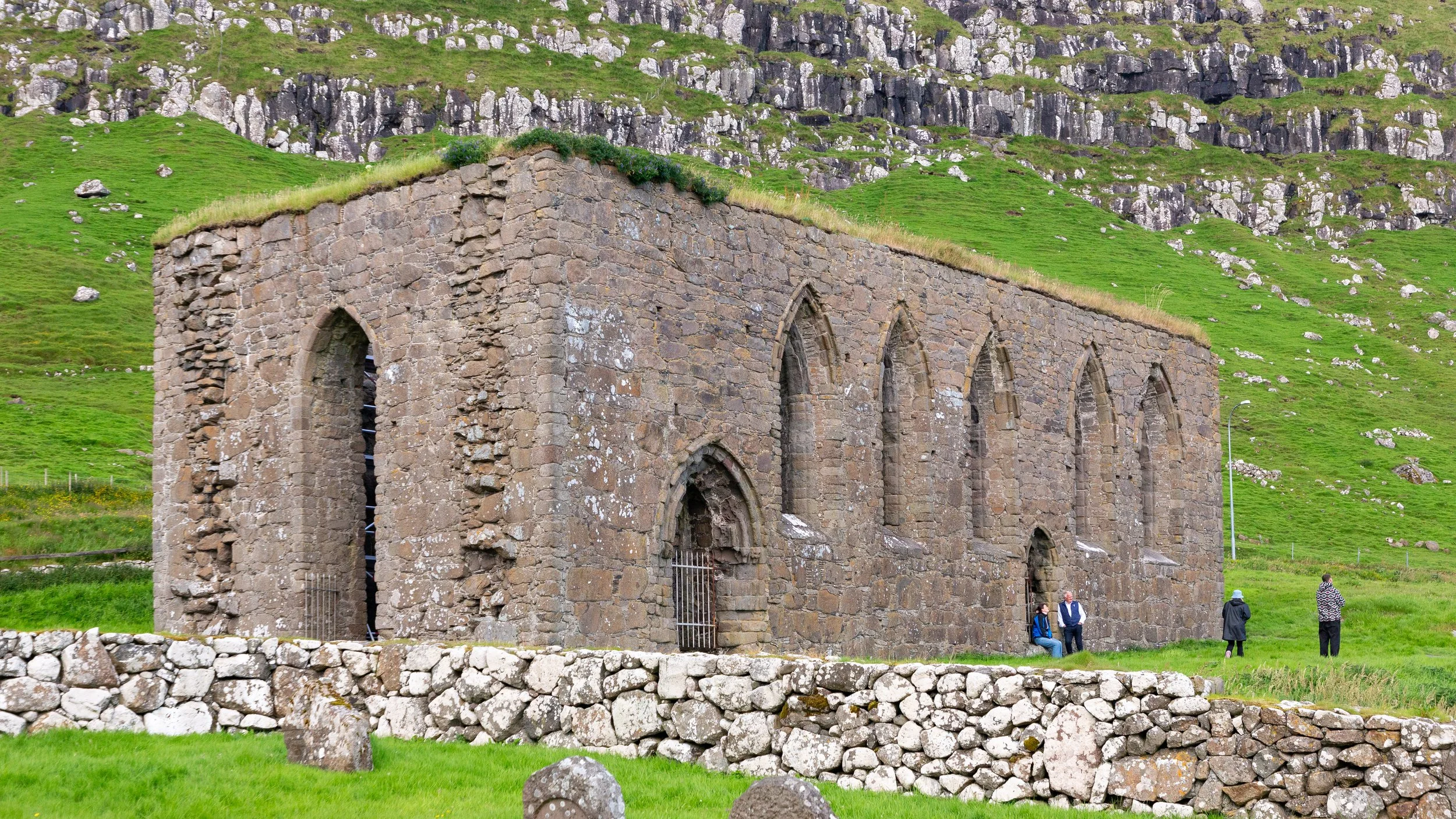
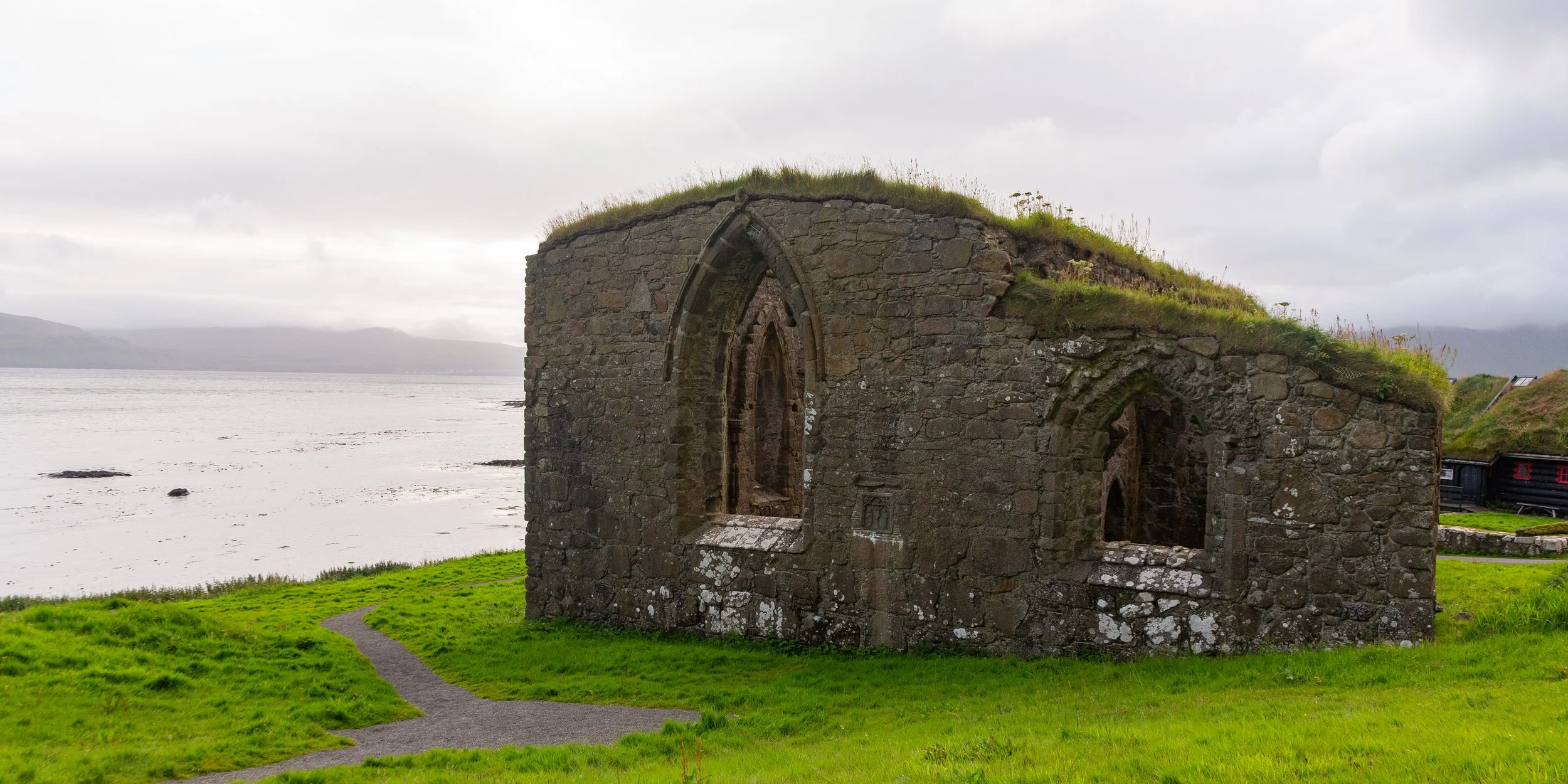
Ruins of Magnus Cathedral (Kirkjubømúrurin) in Kirkjubøur, the largest medieval building in the Faroe Islands, built around 1300
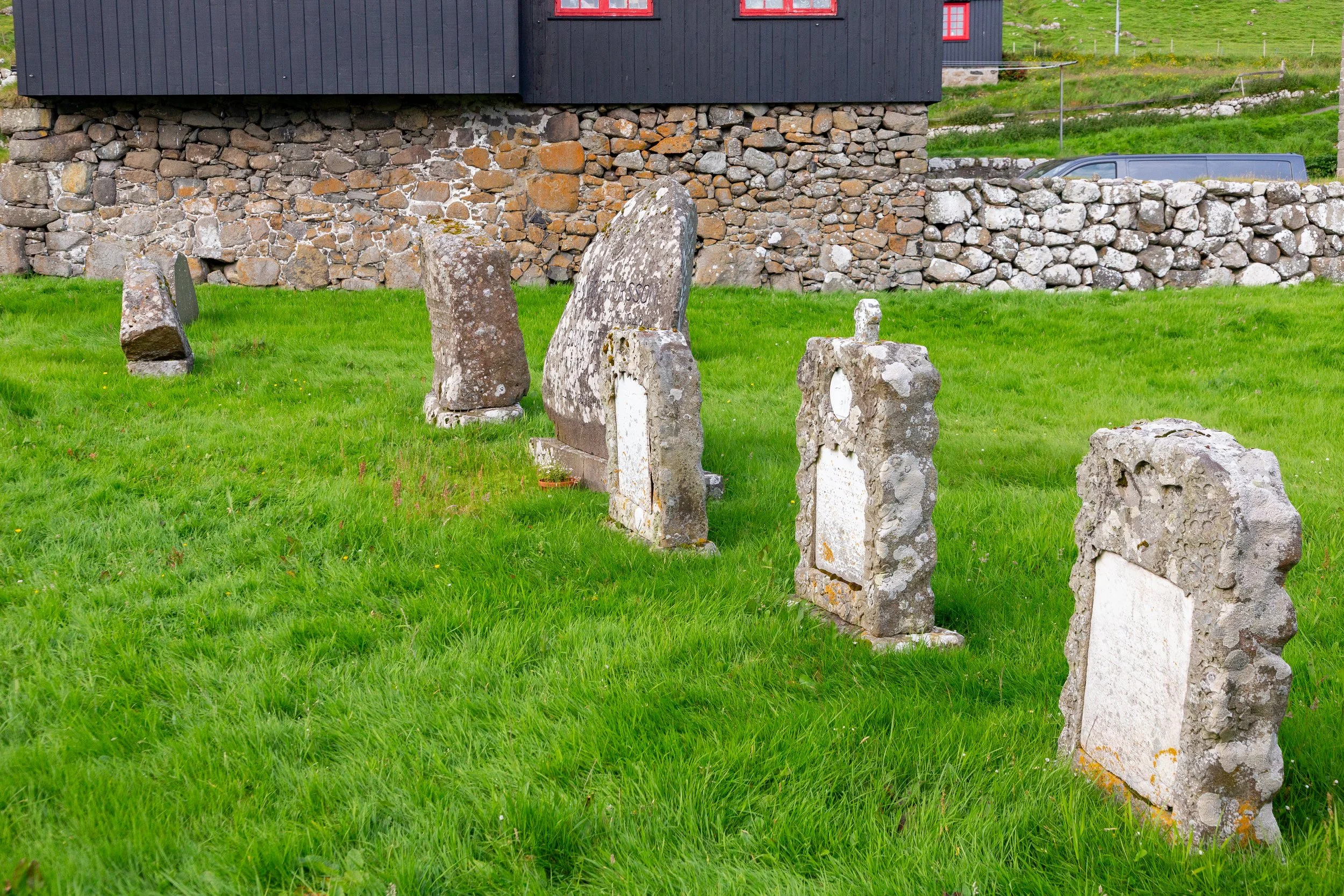
Medieval graveyard outside the church
Opposite side of Magnus Cathedral (Kirkjubømúrurin), with the small Hestur Island in the background
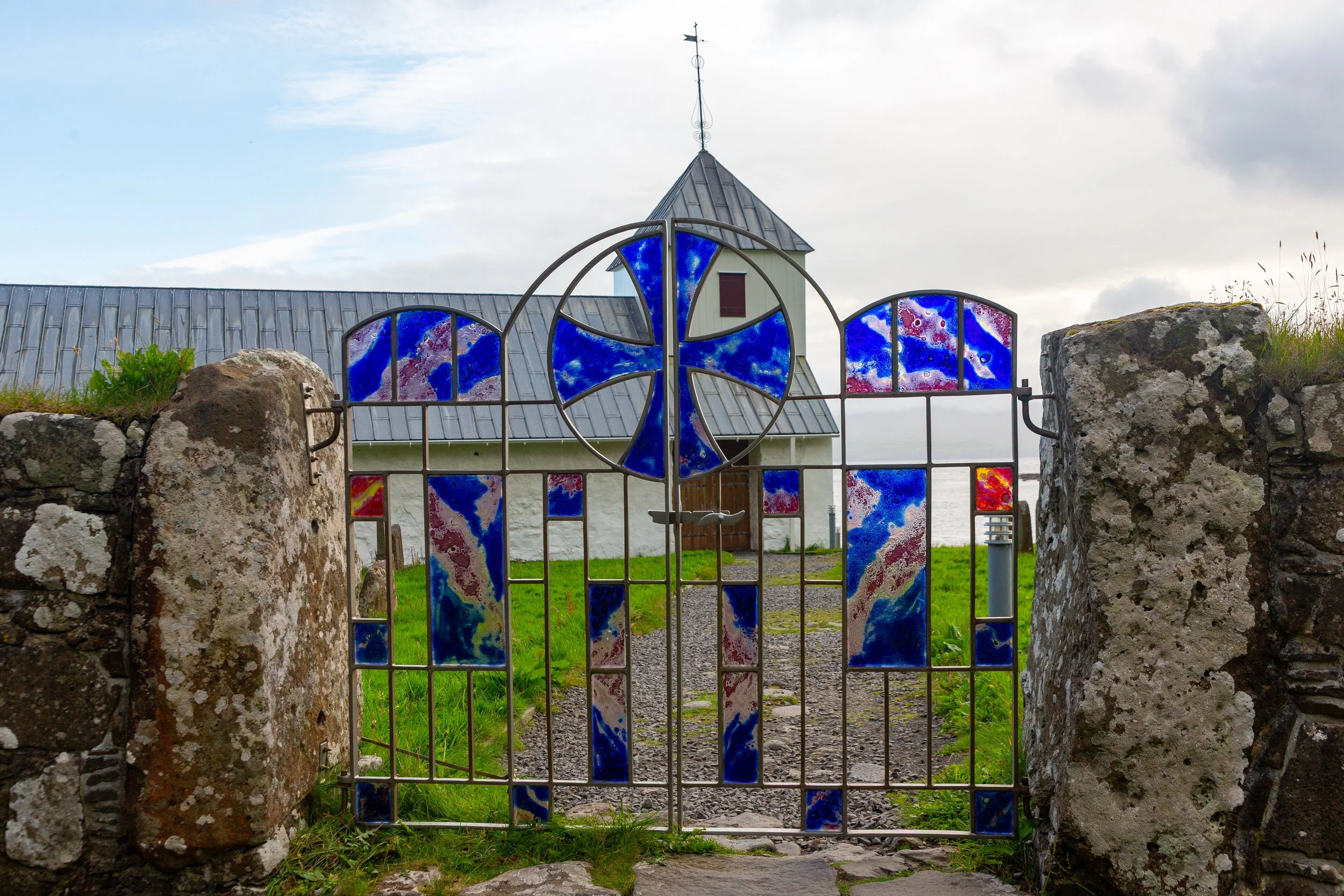
Saint Olav's Church in Kirkjubøu, with a unique metal gate featuring stained glass and blue and red motifs
Through a collection of relatively small islands, we covered a lot of territory of windy roads and coastline. Having grabbed another pizza for dinner, we crashed in the hotel for the last night on the Faroes.
Aug 4
As we were flying out that afternoon and because there was rain in the forecast, we focused our last day near Tórshavn, stopping briefly on the way to the airport. After another morning run and breakfast, we headed out.
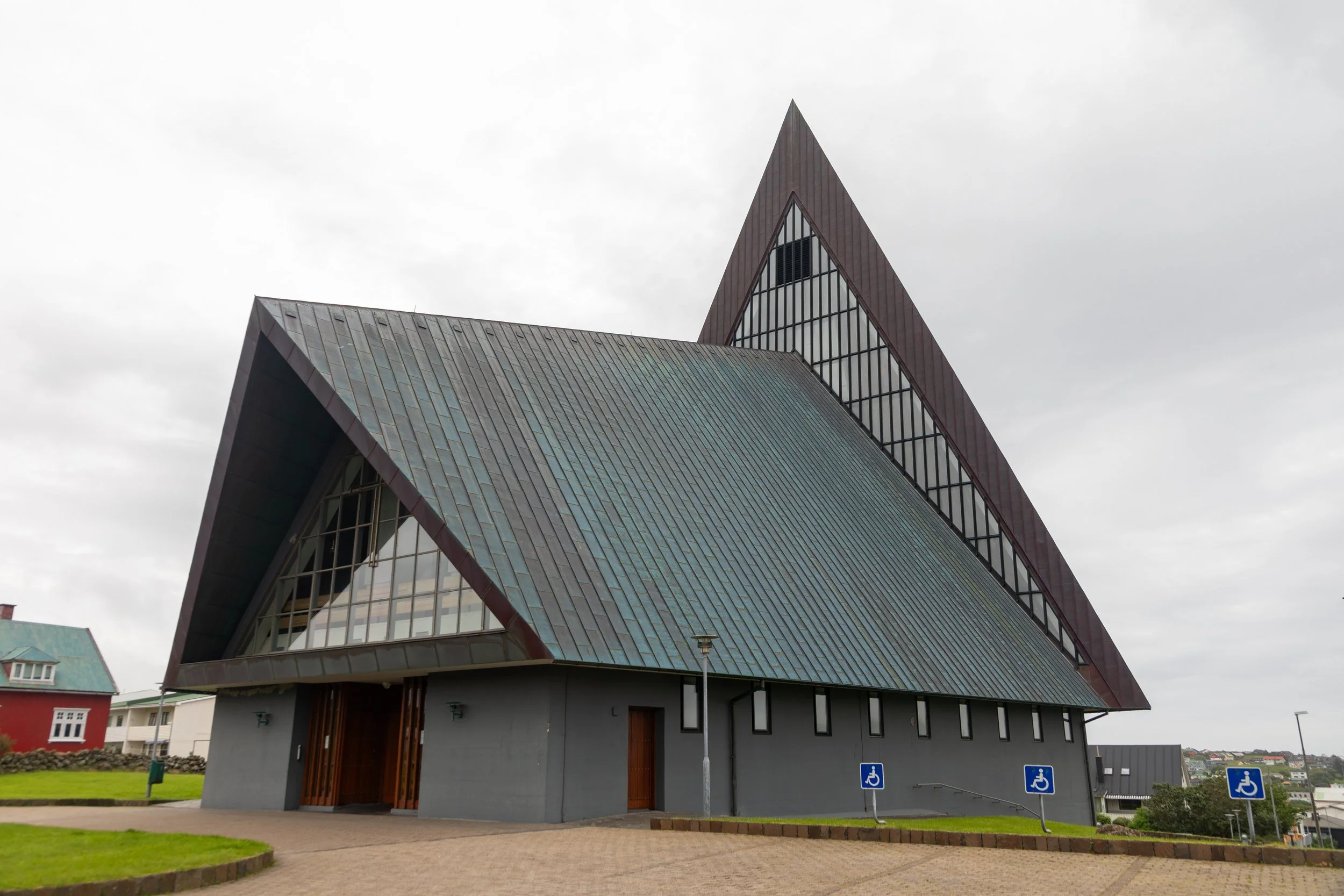
The tower of Vesturkirkjan (1975) (Church of Western Tórshavn)’s 41m is prominent on the skyline
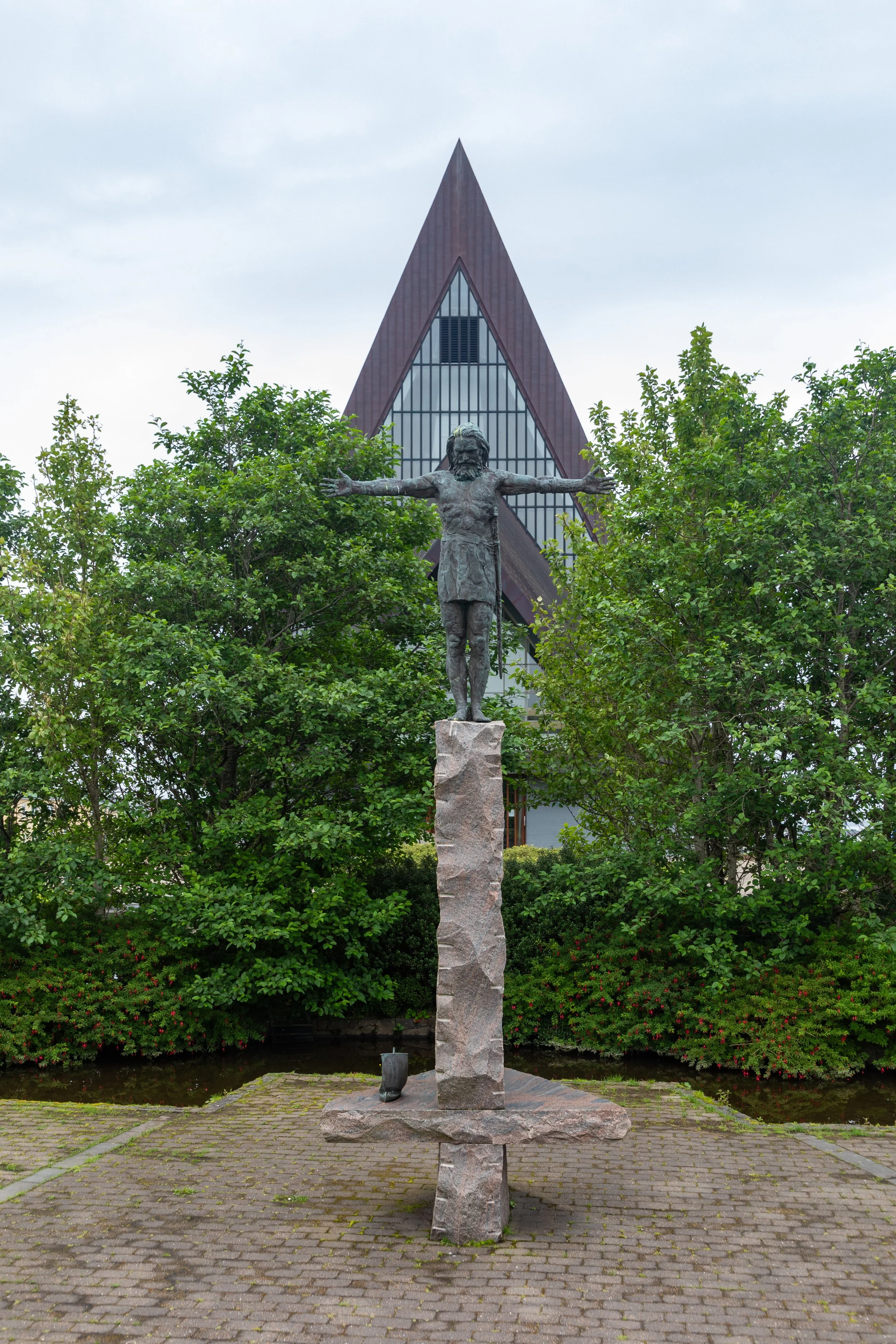
2006 Hans Pauli Olsen monument,. erected in front of the church in memory of Sigmundur Brestisson (961-1005), who brought Christianity to the Faroes
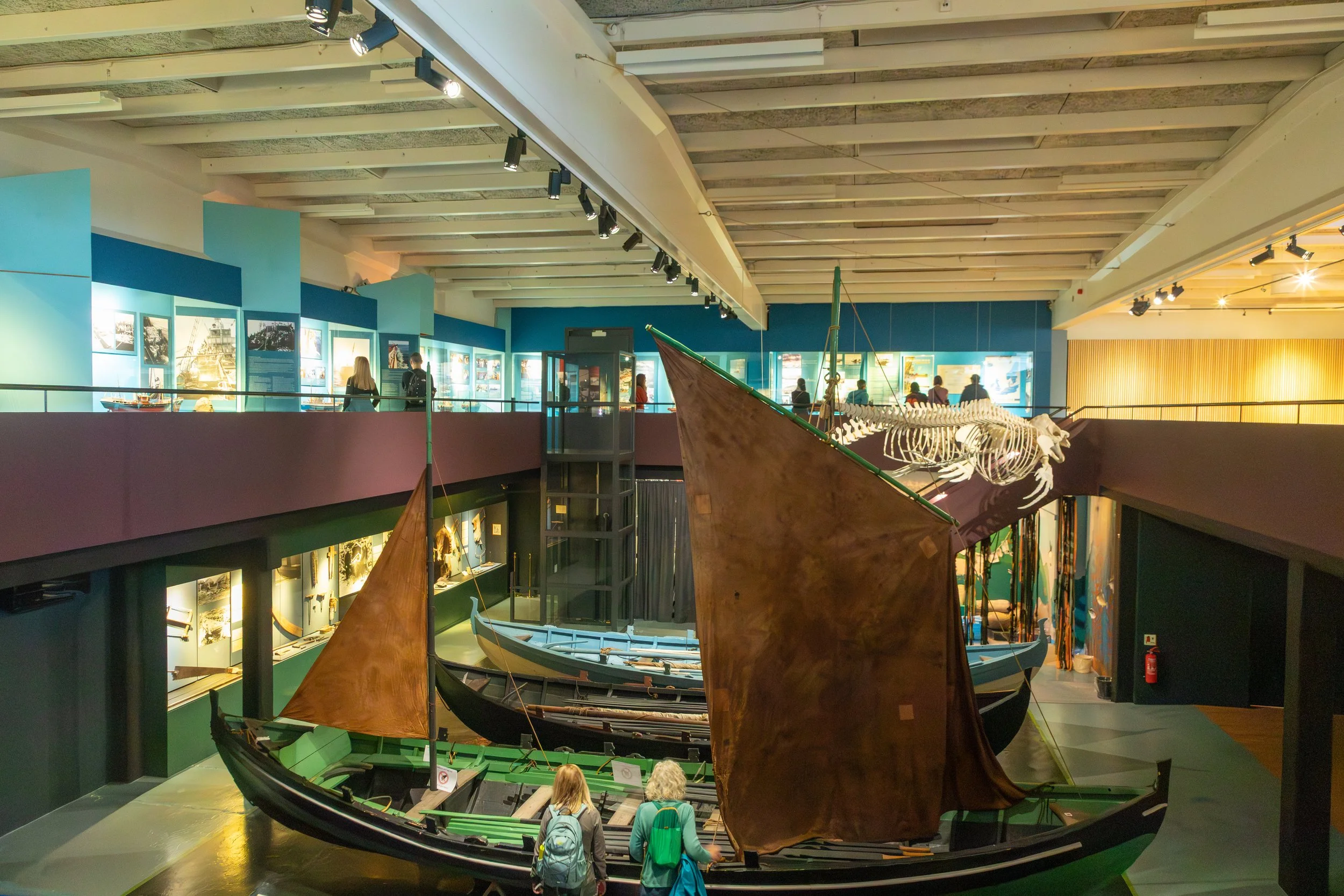
Some of the many historic boats on display in the National Museum of the Faroe Islands
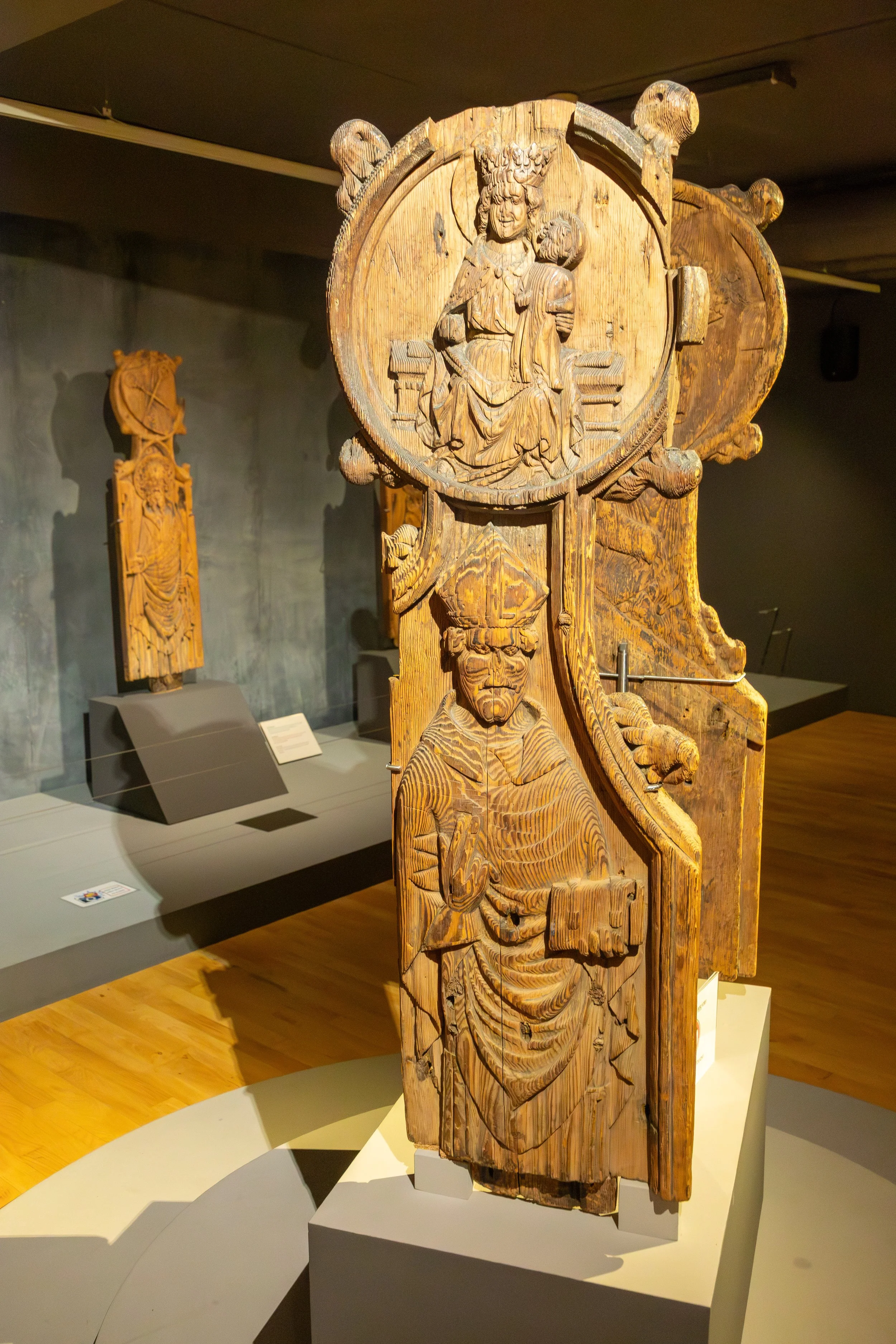
Two 15th-century Kirkjubøur intricately carved wooden panel pew ends originally belonged to Saint Olav's Church in Kirkjubøur, displayed with other artifacts in the museum
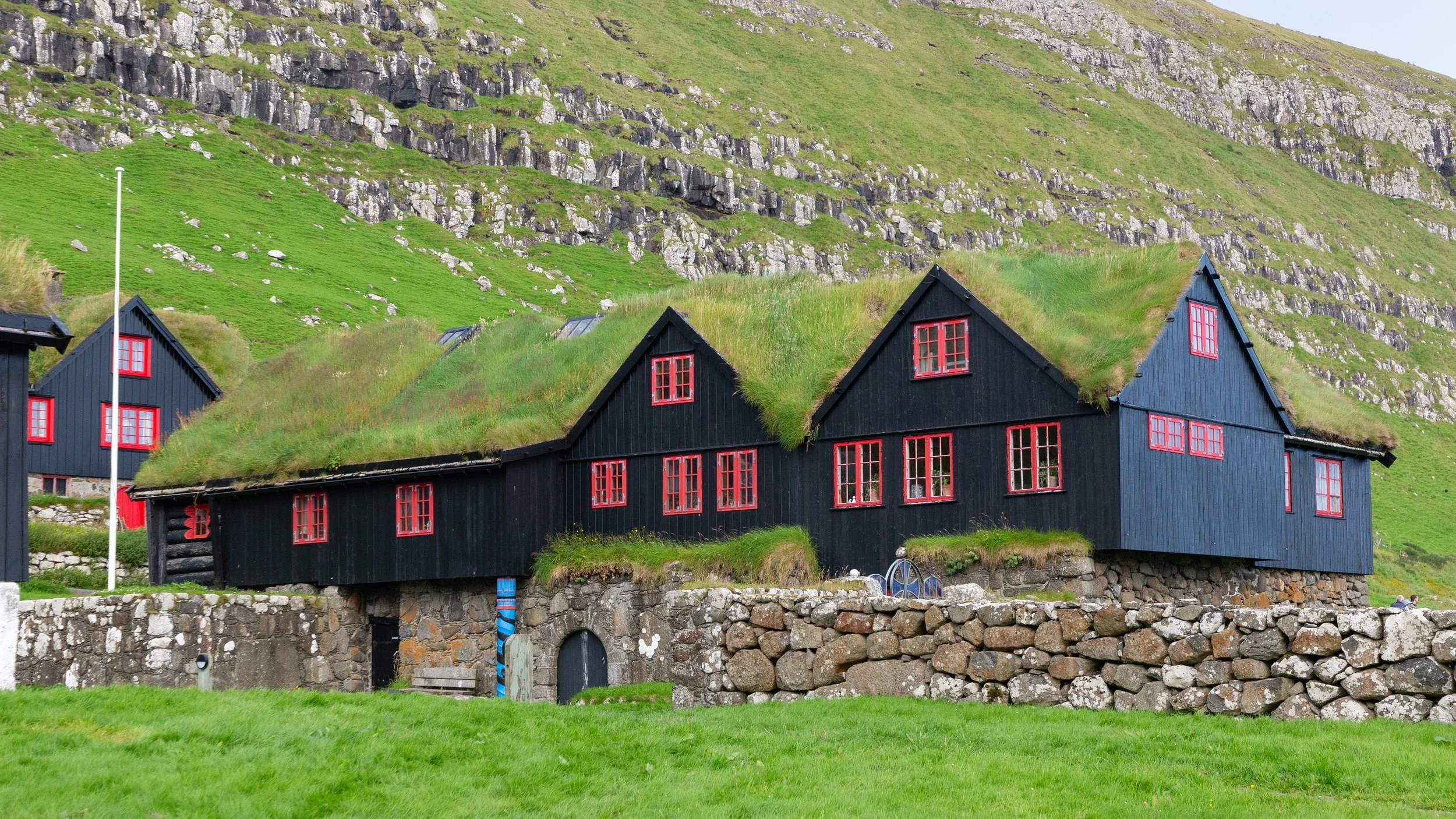
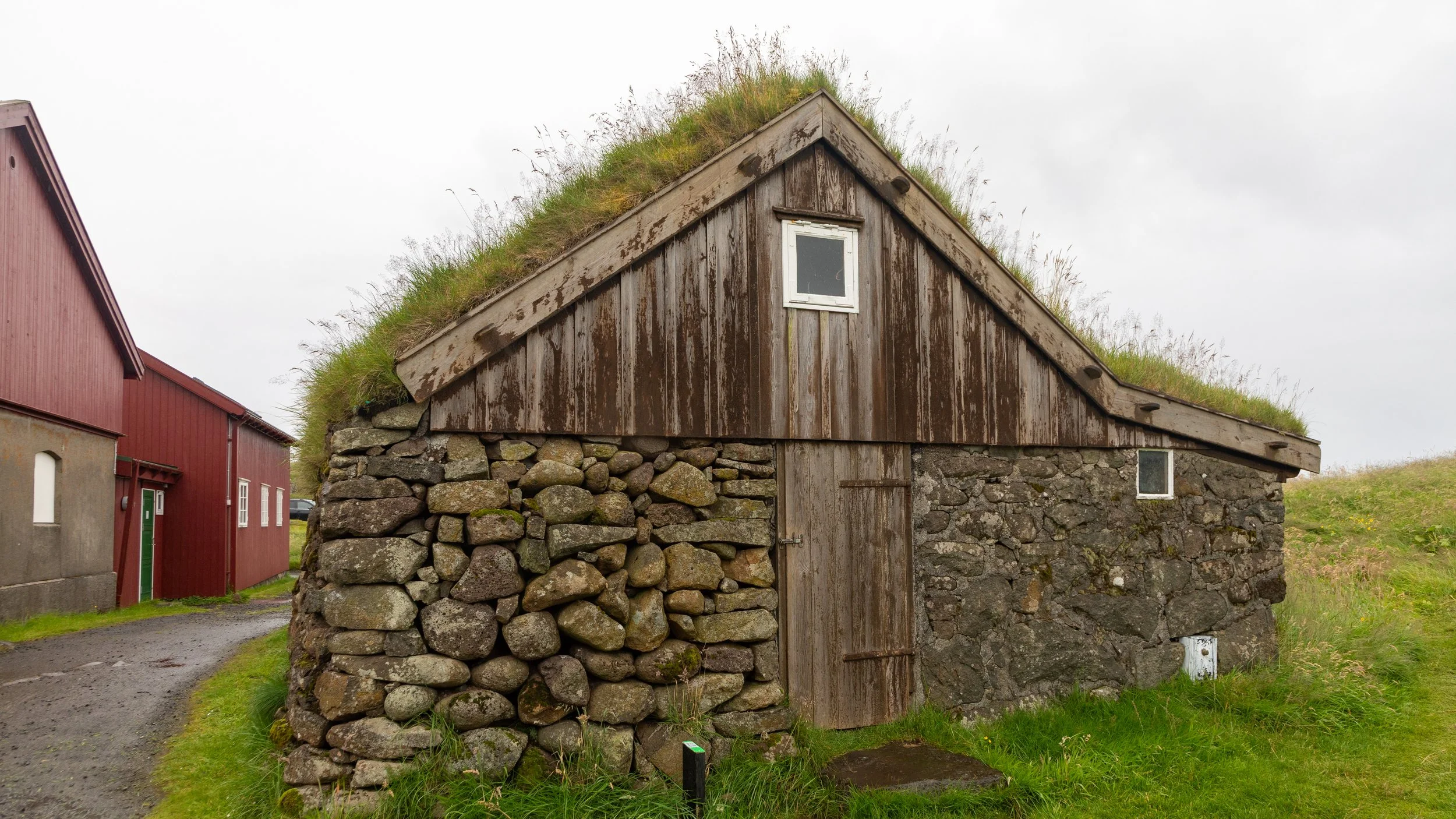
Traditional Faroese turf house, part of the Hoyvíksgarður open-air museum, associated with the National Museum
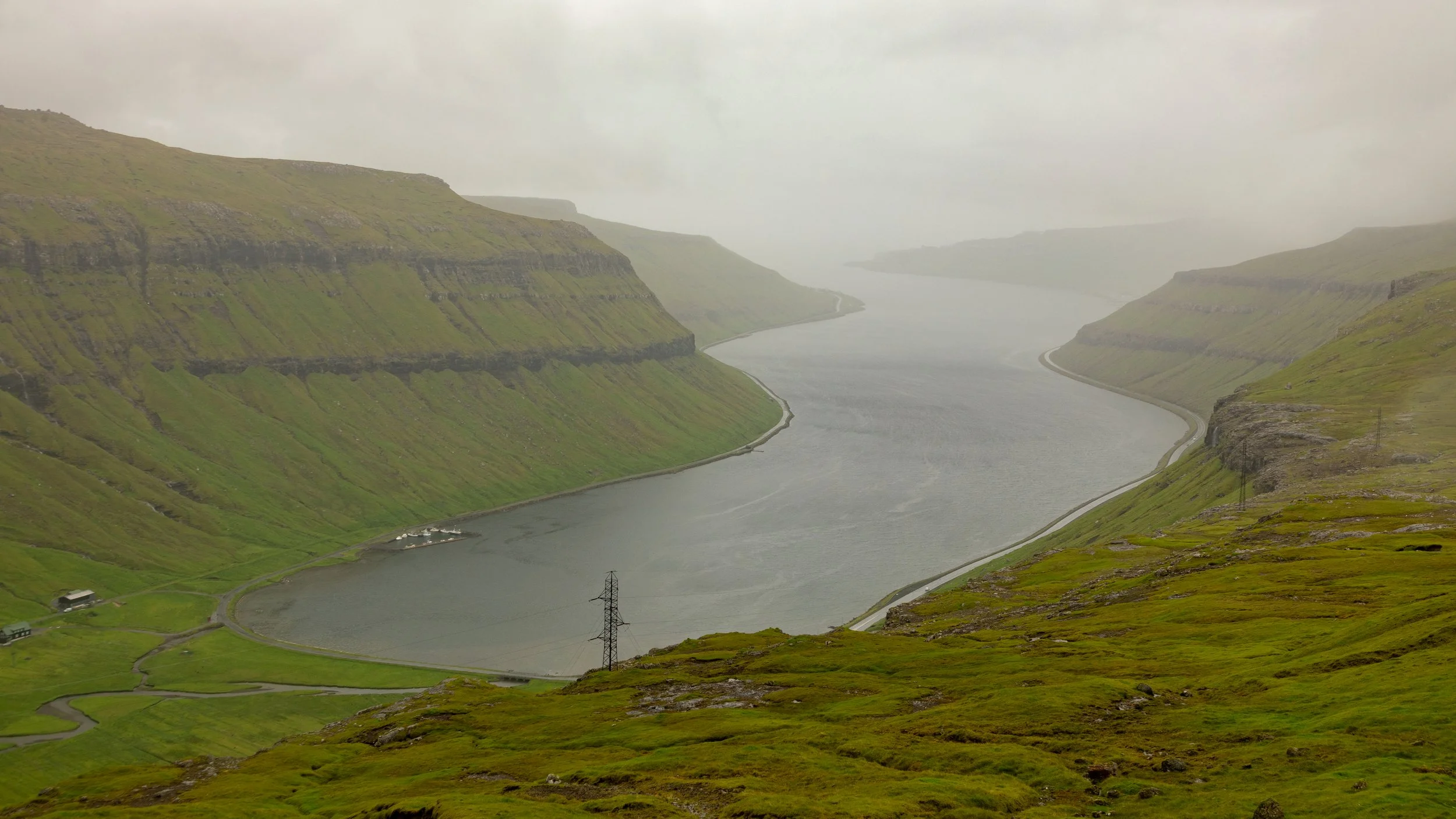
Although it was raining, we decided to take the original road over the mountain rather than the tunnel through, and looked down on the new road along the fjord we normally drove along
Back in Vágar, we looked back across to Streymoy after just having crossed the undersea tunnel
Sandavágur (meaning sandy bay), a small town on the south coast of Vágar
Back at the airport, the rain continued, but we were very pleased that we had relatively good weather for the majority of our trip. Although it was an expensive place to visit, we very much enjoyed the beautiful scenery and were glad that our cat Faroe inspired our visit. This also officially marked off country number 113 on our list.
We returned the car and took our afternoon flight back to Iceland and on to Toronto. We had a long connection in Keflavik but, luckily had access to the Icelandair Lounge so were able to relax prior and try some Icelandic food before continuing home.